REVIEW · SA PA
Sapa: Mountain Trail And Villages Trekking
Book on GetYourGuide →Operated by Sapa Local Trekking & Home · Bookable on GetYourGuide
Sapa looks different after one climb. This is a 6-hour mountain walk that pairs Dragon Jaw Mount views with village life, plus a museum stop that makes the day feel more than just a photo run. Two parts I really like are the big panorama over Muong Hoa rice valley and the chance to eat with locals in Hang Da. The one thing to keep in mind: the trek is moderate to challenging, with steep, sometimes slippery slopes, so good traction matters.
What makes the experience work (especially if you’re not sure about your fitness) is the human side of it. Your English-speaking guide meets you at the Sapa Church area or picks you up near Sapa Center hotels, then adjusts the pace and difficulty based on your preferences. I’ve seen guides like Tung Jacob check in on whether you want a harder or easier route when rain hits, and guides like Keyni keep a steady, encouraging rhythm when the trail gets tough.
You’ll start with a trail hike through corn farms up toward 1,900m at Dragon Jaw Mountain, then move through small forests and bamboo to villages tied to the H’mong community. The day ends after a cultural visit in Ban Bo village with transport back to town—so you’re not stuck planning the rest of your afternoon.
In This Review
- Key Points at a Glance
- 1) Why This 6-Hour Trek Works for First-Time Sapa Hikers
- 2) Getting Started in Sapa Center: Pickup Timing and What to Expect
- 3) Dragon Jaw Mount: Corn Farms, the 1,900m Climb, and Fansipang Views
- 4) Down to Hang Da Village: Black H’mong Life and a Lunch You’ll Actually Remember
- 5) Bamboo Forest Trails to Hau Chu Ngai and Ban Pho: Terrace Views Without the Crowds
- 6) Ban Bo Village Museum: Clothes, Customs, and Questions to Ask
- 7) Price and Value: What $30 Actually Buys You in Sapa
- 8) What to Bring (So the Trek Feels Like a Win)
- 9) Who Should Book This Trek (And Who Should Skip It)
- 10) Should You Book This Sapa Mountain Trail and Villages Trek?
- FAQ
- What time is pickup for this trek?
- Where do I meet the guide if I don’t have a hotel pickup?
- How long is the experience?
- What’s the highest point you reach on the route?
- Which villages are visited during the day?
- Is lunch included?
- Are entrance fees and transport included?
- Is the guide English-speaking?
- What should I wear and bring?
- Is this tour suitable for wheelchair users or people with heart problems?
Key Points at a Glance
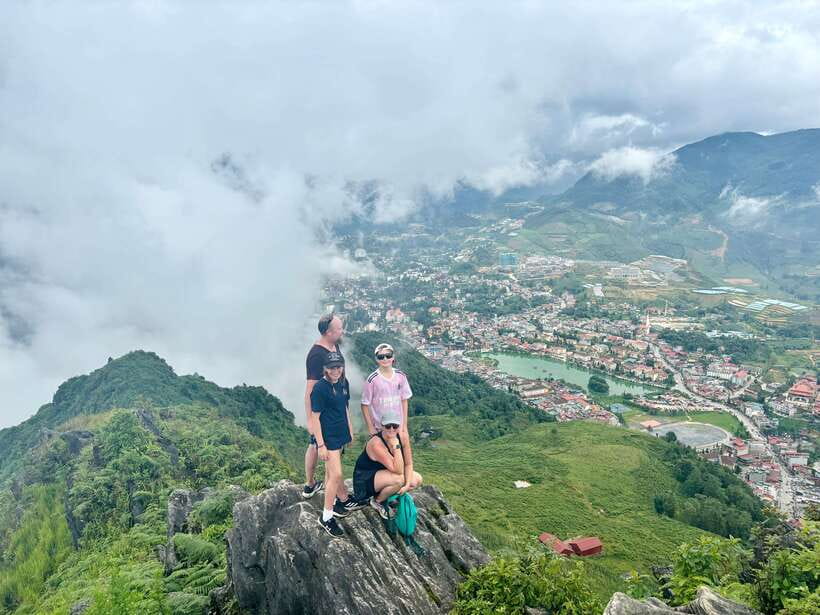
- Dragon Jaw Mountain (1,900m) for wide Sapa town and Muong Hoa rice valley views
- Fansipang sighting from above, weather permitting (the roof of Indochina)
- Hang Da village lunch with local dishes and a look at traditional houses
- Hidden high trails through bamboo forest sections and hilly paths
- Ban Bo museum visit to learn about local clothes, customs, and way of life
- English-speaking guides who can match your trekking level and keep the day organized
1) Why This 6-Hour Trek Works for First-Time Sapa Hikers
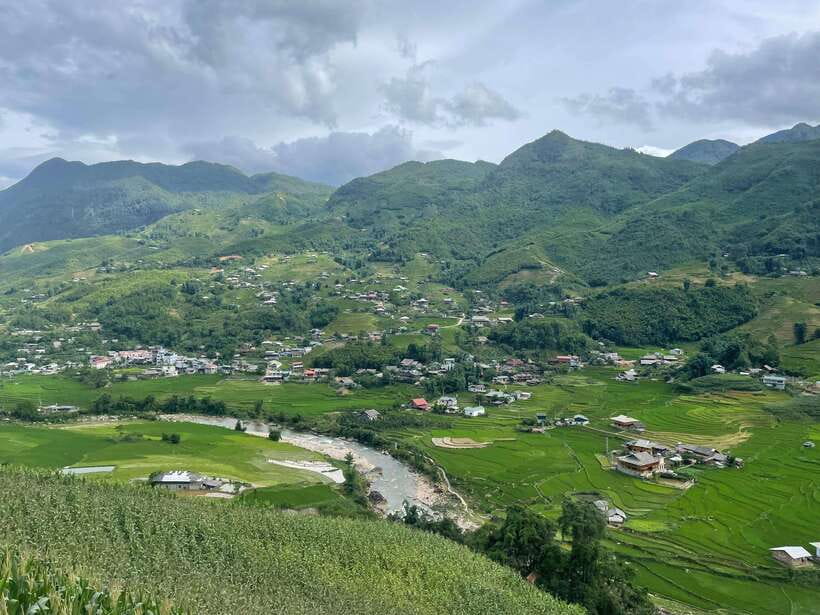
This is a smart Sapa day because it stays focused: one main climb for views, one village for lunch and culture, then another stretch through trails that feel more “away from the main road.” At around 6 hours total, it’s long enough to feel like you did something real in the mountains, but not so long that you’re wrecked for dinner back in town.
The value is also practical. For about $30 per person, you get a professional English-speaking guide, lunch, bottle water, entrance fees, and transport back to Sapa. That matters in Sapa because the costs add up quickly once you start combining taxis, food, and paid viewpoints.
The biggest “win” is that the day doesn’t just throw you at viewpoints. It connects scenery to people—rice valley views in the morning, H’mong village life in the middle, then a museum in Ban Bo to tie customs and clothing to what you just walked past.
You can also read our reviews of more tours and experiences in Sa Pa.
2) Getting Started in Sapa Center: Pickup Timing and What to Expect
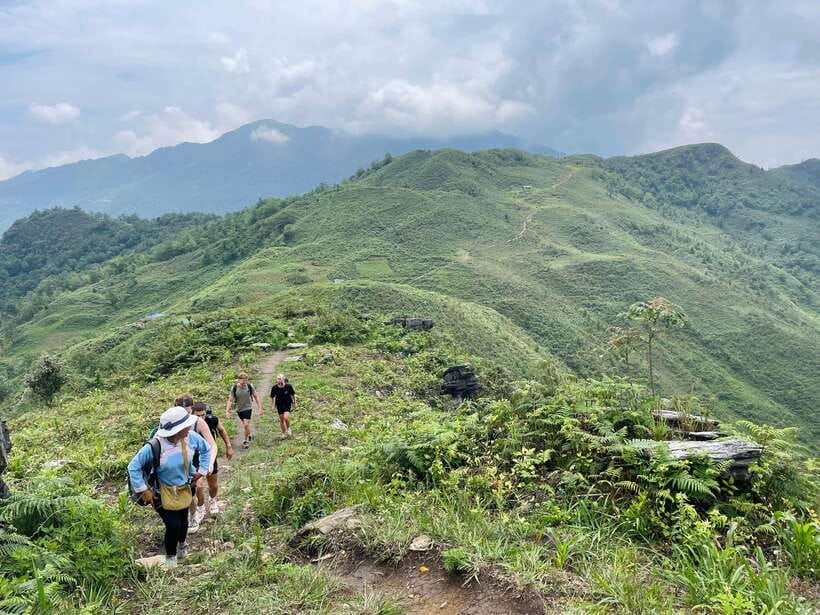
Pickup is simple and centralized. Your guide comes around 9:00am to meet you near the Sapa Center hotels, or you can meet them at Sapa Church (the main church in town). Either way, you’ll get a quick briefing before you start walking.
This matters because Sapa weather changes fast. When rain rolls in, you’ll want your guide to talk through route choices and pacing before you head uphill. Guides such as Tung Jacob are known for checking your level and preference—so you’re not stuck on a “default” difficulty if you’re aiming for a tougher day.
What you should do right away:
- Wear shoes with good grip
- Dress in layers (warm now, cooler after the climb)
- Bring a camera, because the views are the whole point of this day
3) Dragon Jaw Mount: Corn Farms, the 1,900m Climb, and Fansipang Views
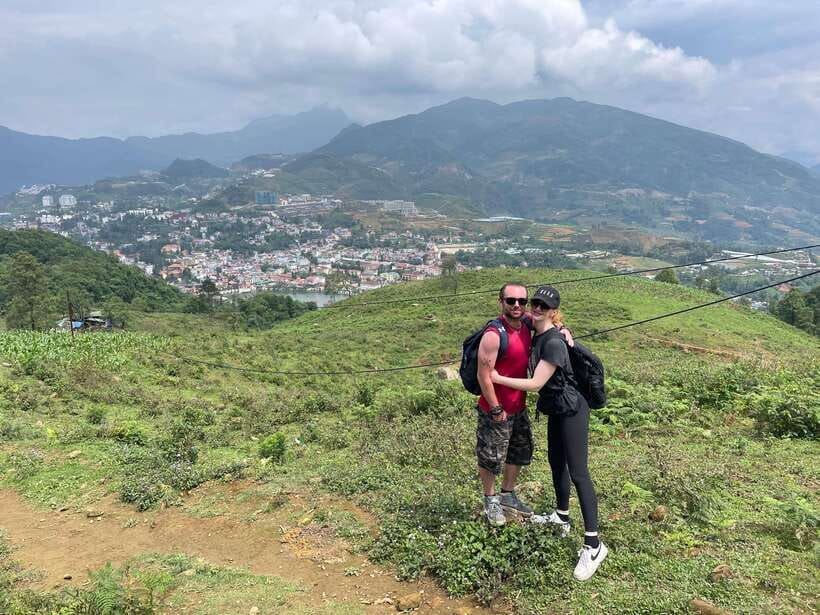
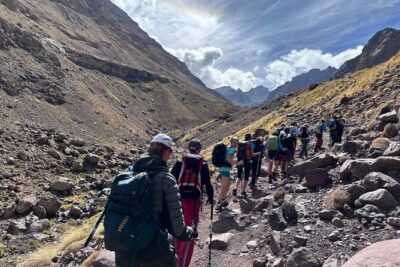
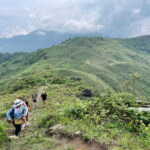
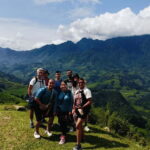
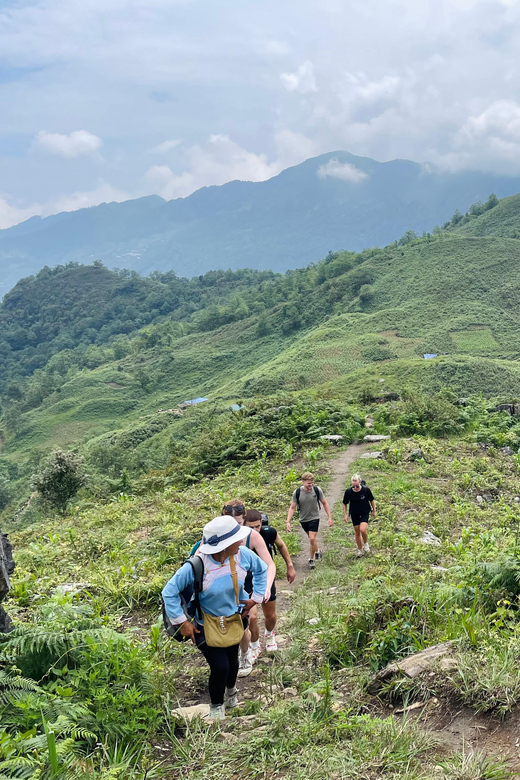
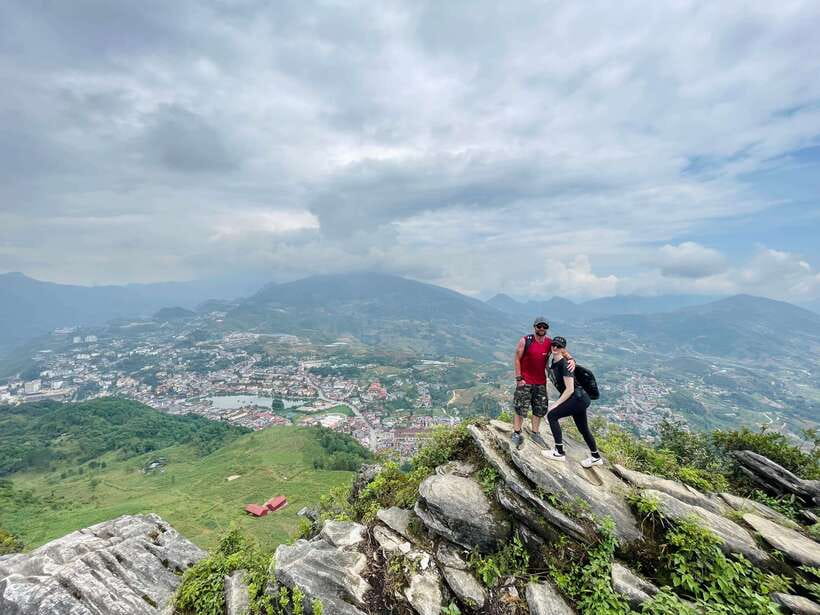
The hike begins with a small trail climb from Sapa, starting with a section through corn farms. After about 1.5 hours, you reach Dragon Jaw Mountain at around 1,900m above sea level.
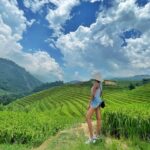
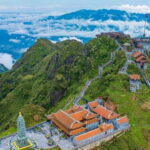
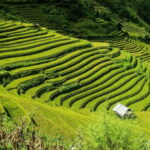
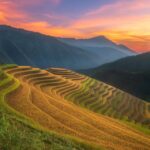
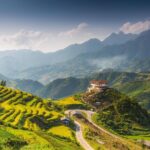
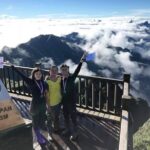
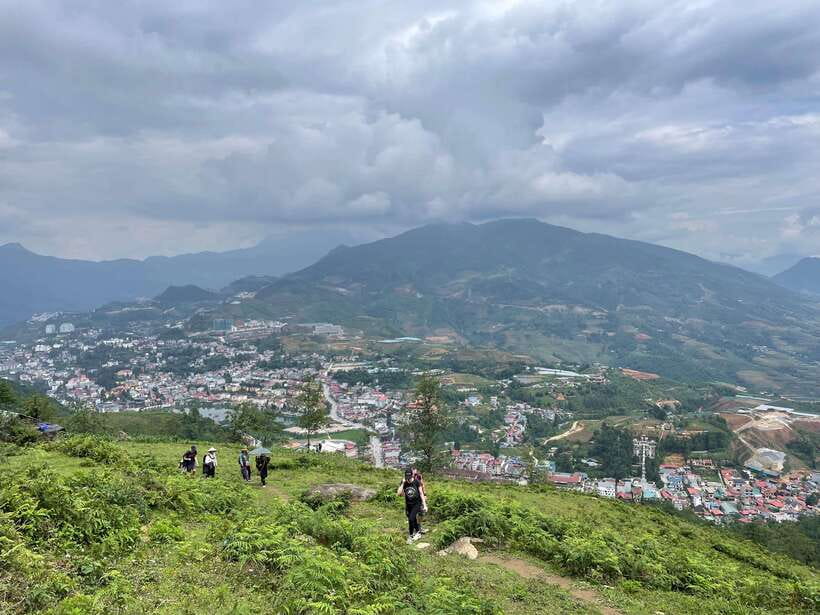
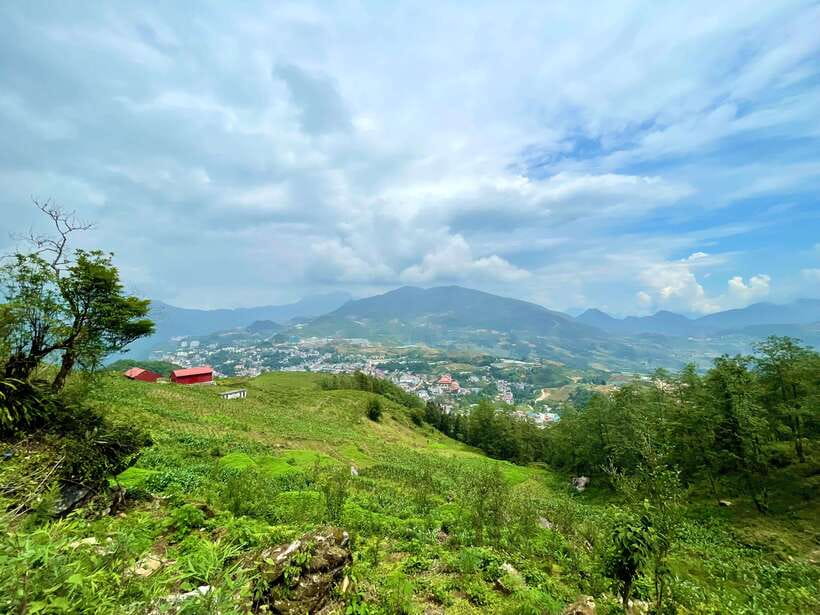
From here, the reward is big and specific: you can see Sapa town and the Muong Hoa rice valley spread out below. If conditions are right, you can also catch that classic Sapa moment—clouds sitting low enough that you feel like the mountains are floating. It’s not guaranteed, but the way the day is planned gives you a real shot at it.
Then there’s the Fansipang angle. From Dragon Jaw Mountain, you can sometimes see Fansipang, described as the highest mountain in Indochina. Even if clouds block the summit, you still get the “why people chase Sapa” feeling: scale, distance, and the sense that the valley is too big to photograph in one frame.
Practical note: the ridge sections and slopes can be steep. One useful tip from guides is to expect the climb to be more “work” than you might think from the map. Good traction and slow steps save your knees and keep the day fun.
4) Down to Hang Da Village: Black H’mong Life and a Lunch You’ll Actually Remember
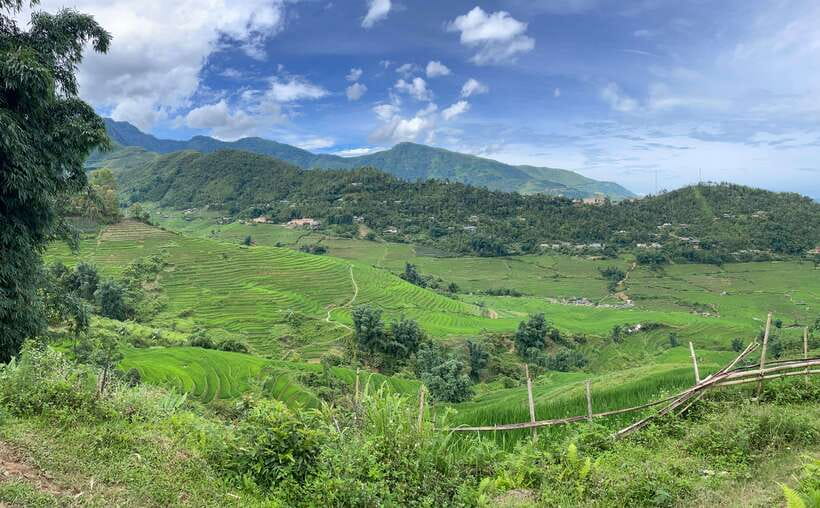
After a short break and photo time at Dragon Jaw, the trek keeps going along trail sections that feel like a spine—narrow, undulating, and made for careful footing rather than speed.
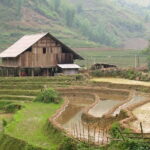
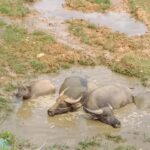
You’ll head to Hang Da village, associated with the Black H’mong community. On the way down, you may spot farm animals such as buffalo, cows, horses, and pigs—not as a zoo stop, but as part of how the valley supports everyday life.
What makes Hang Da special is that it’s not only a viewpoint stop. You walk through parts of the village and see traditional homes, then you take a real pause for lunch. The lunch is included and centered on local dishes—described as simple, hearty options like fried noodles or rice—and you’ll have about 1 hour.
Here’s how to get more out of lunch:
- Ask your guide what you’re seeing in the houses and daily routines
- Take the time to look around, not just down at your plate
- Bring your appetite—this is usually when you’ll need it most
If you’ve only got one day in Sapa, this lunch stop is one of the most “worth it” parts of the route. It helps the day shift from scenic hiking to cultural observation.
5) Bamboo Forest Trails to Hau Chu Ngai and Ban Pho: Terrace Views Without the Crowds
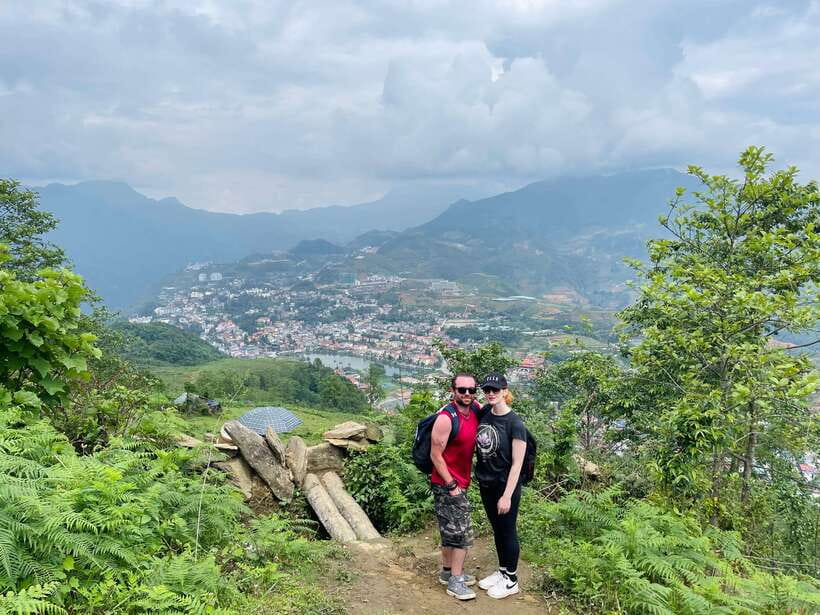
After lunch, the trail heads onward toward Hau Chu Ngai village. You’ll follow village roads and short sections through bamboo forest trails, which is where the walking starts to feel pleasantly different from the morning climb.
Along the descent, you may see:
- Houses scattered across the valley
- Terrace fields visible from above
- More of the working farmland that feeds the landscape
The reason I like this segment is that it’s not just hiking between two points. It gives you repeated chances to look around—often from angles that aren’t obvious from town.
This part can also be slippery, especially after rain. If your guide offers route adjustments based on conditions (again, this has happened with guides like Tung Jacob), take the advice seriously. Choosing the right difficulty level here can mean the difference between an enjoyable trail and a stressful scramble.
6) Ban Bo Village Museum: Clothes, Customs, and Questions to Ask
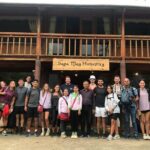
When you reach Ban Bo village, the focus shifts from walking to learning. You visit a museum where your guide explains local customs and culture, including traditional clothing.
This is a valuable stop because it connects what you saw in the villages to a bigger “how and why.” Instead of only collecting images, you get context: what the clothing represents, how customs fit into community life, and how traditions are maintained.
Use the museum time actively. Good questions to ask:
- What does the guide say you should notice in the traditional outfits?
- Which customs are tied to village life versus seasonal activities?
- If you saw something in Hang Da, ask how it fits the broader community story?
After the museum visit, the trek ends for the day, and you’ll return to Sapa town or your accommodation by car.
7) Price and Value: What $30 Actually Buys You in Sapa
At $30 per person, this tour is positioned as a full, guided half-day experience rather than a “bare minimum hike.” What you get included:
- Professional English-speaking guide
- Lunch (local dishes)
- Bottle water
- Entrance fees
- Transport back to Sapa town or your accommodation
For many visitors, the hardest part of Sapa planning isn’t finding views—it’s stitching together transport, timing, and food while still getting a human guide who can explain what you’re seeing. Here, you skip a lot of that hassle because the day is structured end-to-end.
Is it perfect? Not always. One review note worth taking seriously is that guide English can range in depth, and conversations may be more general than lecture-style. That doesn’t remove the value, but it helps you set expectations: you’re buying a guided route and cultural access, not a detailed university-style course.
8) What to Bring (So the Trek Feels Like a Win)
The essentials are simple, and they matter more than people think:
- Comfortable shoes (with solid grip)
- Warm clothing (Sapa weather changes)
- A camera (this is a view-heavy day)
- If you have them, trekking poles can help for steep descents (not listed, but they often make downhill walking easier)
If rain shows up, a poncho may be available if you ask your guide. I’d also plan for the fact that you’ll be walking on uneven ground. Pack small patience and expect to move carefully during slippery sections.
Food-wise, lunch is included, so you don’t need to scramble for meals mid-day. Just consider any dietary restrictions ahead of time, since you’ll want the kitchen to handle it.
9) Who Should Book This Trek (And Who Should Skip It)
This trek is best for people who want:
- Scenic mountain views without spending multiple days on the trail
- A village experience that includes lunch and a museum stop
- A guide who can keep the pace realistic for your ability
Guides like Keyni are described as patient and encouraging, which is good news if you’re worried about keeping up on a challenging route. If you prefer a more difficult path and conditions allow it, some guides will work with your preference.
You should skip (or choose something gentler) if:
- You have heart problems (not suitable)
- You need wheelchair accessibility (not suitable)
If you’re in good general health but new to hiking, bring the right shoes and treat the day as moderate-to-challenging, not casual walking.
10) Should You Book This Sapa Mountain Trail and Villages Trek?
Book it if you want one day that blends three things: mountain views (Dragon Jaw), real village context (Hang Da), and learning (Ban Bo museum). It’s also a good match if you like guided structure. Pickup is clear, the route is paced for a full half-day, and transport returns you to town.
Don’t book it if you’re looking for an easy stroll. Steep, slippery parts can happen, and this trek rewards steady feet more than speed. Also, if you’re extremely sensitive to cold, plan layers carefully—warm clothing is strongly recommended because the weather can change.
For most people, the decision comes down to your footwear and comfort with effort. If you can walk carefully downhill and enjoy watching the landscape open up above the rice valleys, you’ll likely find this route a strong use of a Sapa day.
FAQ
What time is pickup for this trek?
Pickup starts around 9:00am from your hotel area near Sapa Center, or you can meet your guide at Sapa Church.
Where do I meet the guide if I don’t have a hotel pickup?
If you don’t have hotel information, come in front of Sapa Church in the center of Sapa to meet the guide.
How long is the experience?
The total duration is listed as 6 hours (starting times can vary, so check availability).
What’s the highest point you reach on the route?
You reach Dragon Jaw Mountain at about 1,900m above sea level.
Which villages are visited during the day?
The route includes Hang Da village and a museum visit in Ban Bo village, with additional walking past Hau Chu Ngai and Ban Pho areas along the way.
Is lunch included?
Yes. Lunch is included, served around the Hang Da village stop, and it includes local dishes.
Are entrance fees and transport included?
Entrance fees are included, and you’ll also be transported back to Sapa town or your accommodation at the end.
Is the guide English-speaking?
Yes, the tour includes a live English-speaking guide.
What should I wear and bring?
Bring comfortable shoes with good grip, warm clothing, and a camera. Hiking shoes are recommended, and you’ll want layers because weather can change.
Is this tour suitable for wheelchair users or people with heart problems?
No. It is not suitable for wheelchair users, and it’s also not suitable for people with heart problems.