REVIEW · HANOI
From Hanoi: 3-Day Sapa Trek with Guide, Homestay and Meals
Book on GetYourGuide →Operated by VIETNAM GOLF PACKAGE · Bookable on GetYourGuide
Three days in Sapa leaves muddy boots behind. This route strings together Cat Cat’s waterfall and the Muong Hoa rice terraces plus an overnight in a village homestay.
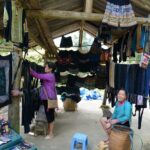
What I like most is how much of it feels local: you walk through working paddies, meet families in Ta Van, and eat meals that are part of daily life. The other big win is the human side, since guides named Su and Mu show up in the reviews as caring and attentive.
One thing to consider: the trekking adds up (roughly 9–15 km total), and the homestay is basic—so pack for cold/fog and don’t expect hotel comforts.
Key points before you go
- Cat Cat includes a valley walk and a waterfall area tied to a French-built hydraulic power station
- Muong Hoa Valley gives you the long rice-terrace day, with Muong Hoa Stream and village stops
- Ta Van homestay means meeting the family, sunset time, and optional cooking with them
- Giang Ta Chai closes the loop with photos in the paddies, bamboo forest, and a bridge crossing
- Warm clothes matter—Sapa can be foggy from December through March
- Guides in English keep the route understandable, including an English audio guide
In This Review
- Sapa’s Hill-Tribe Valleys: What Makes This 3 Days Feel Real
- Price and Value: What $138 Covers (and What Can Cost Extra)
- Day 1: Hanoi to Sapa, Cat Cat Waterfall Walk, and Night in Town
- Day 2: The Long Muong Hoa Valley Trek and Overnight in Ta Van
- Day 3: Bamboo Forest, Giang Ta Chai Bridge, and Back to Hanoi
- Guides in English: Why Su and Mu Show Up in Good Reviews
- Homestay Basics in Ta Van: Comfort Level and What to Expect
- What to Pack for Sapa: Cold, Fog, and Footing
- Trekking Reality Check: Distances, Pace, and Who This Fits
- Should You Book This 3-Day Sapa Trek?
- FAQ
- How long is the Sapa trek?
- What’s included in the price of $138?
- Are Hanoi–Sapa transfers included?
- What is the Ta Van homestay like?
- How much do you trek on each day?
- Is this trek suitable for seniors or kids?
- What do I need to bring?
- Will I have trouble finding places to pay with cards?
- When is Sapa most likely to be foggy?
Sapa’s Hill-Tribe Valleys: What Makes This 3 Days Feel Real

Sapa is famous for big views, but what makes this specific trek work is the way it’s built around daily rhythms. You’re not just looking at the mountains—you’re walking through the places where people grow food and run village life.
Day 1 starts in a valley shaped by people and industry: Cat Cat is near the bottom of a deep valley, and your walk ends at a waterfall area where the French built a hydraulic power station. That contrast matters. You see everyday village activity, then you reach a spot tied to outside history—then you head back up for the bus.
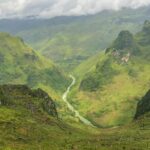
Day 2 and Day 3 shift into a slower, more “on foot” world. You trek through rice terraces and along Muong Hoa Stream, then overnight with a Dzao/Dzay family setup in Ta Van. The third day adds a bamboo forest section and a panoramic stop at Giang Ta Chai village. If you like experiences where the scenery matches the effort, this is the right formula.
Price and Value: What $138 Covers (and What Can Cost Extra)

At $138 per person, the big value is that this price bundles the parts that usually add up on trekking trips: all meals, an English-speaking tour guide, village entrance fees, and lodging split between a hotel and a homestay.
Included basics you’ll actually use:
- All meals across the 3 days
- 1 night in a homestay (basic facilities)
- 1 night in a hotel in Sapa
- Transportation within Sapa and the trek area
- Village entrance fees
- English-speaking guide + English audio guide
What you should budget separately:
- Drinks
- The Hanoi ⇄ Sapa transfer. The listed extra is $15 per person for shuttle or $20 per person for limousine (2 ways).
- Single supplement: $30 if you need a private room as a solo traveler
So the honest way to judge value is this: if you already know you’ll pay for the Hanoi–Sapa ride anyway and you want guides + meals + lodging handled, the package pricing makes sense. If you’re traveling independently and trying to keep everything super cheap, you’ll feel those “not included” costs more.
You can also read our reviews of more tours and experiences in Hanoi.

Day 1: Hanoi to Sapa, Cat Cat Waterfall Walk, and Night in Town
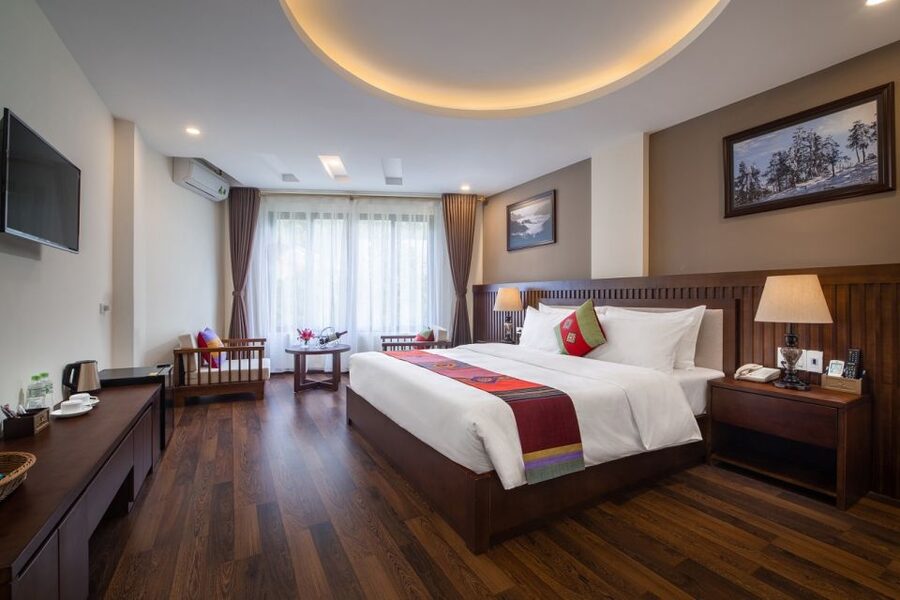
This starts early, but the timing is designed around getting you to Sapa in daylight. Pickup is typically from your central Hanoi Old Quarter hotel area between 6:00 and 6:30 (or your guide will meet you about 5 minutes before departure at your central accommodation address).
On the drive:
- You’ll stop for rest around 9:30 and again around 11:00 (Lao Cai city stops)
- You arrive Sapa around 13:00 with people in traditional costumes (H’mong, Dzao, and Tay)
Lunch comes with local Vietnamese dishes, then you set off on your first trek:
- About 3.5 km
- Roughly 2 hours
- A walk that starts near the gate of Cat Cat Village, home of Black H’mong people
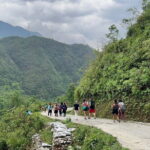
- You go down toward the valley bottom, reach the waterfall area (linked to that French hydraulic power station), take photos near the bridge and waterfall, then climb back up for the bus
Why Day 1 is a good start: it gives you a taste of village walking without turning your trip into one endless grind. You’re active, but you still land in Sapa town by about 16:30.
That evening you’ll have dinner and overnight in a hotel with time set aside for night activities around town.
Day 2: The Long Muong Hoa Valley Trek and Overnight in Ta Van
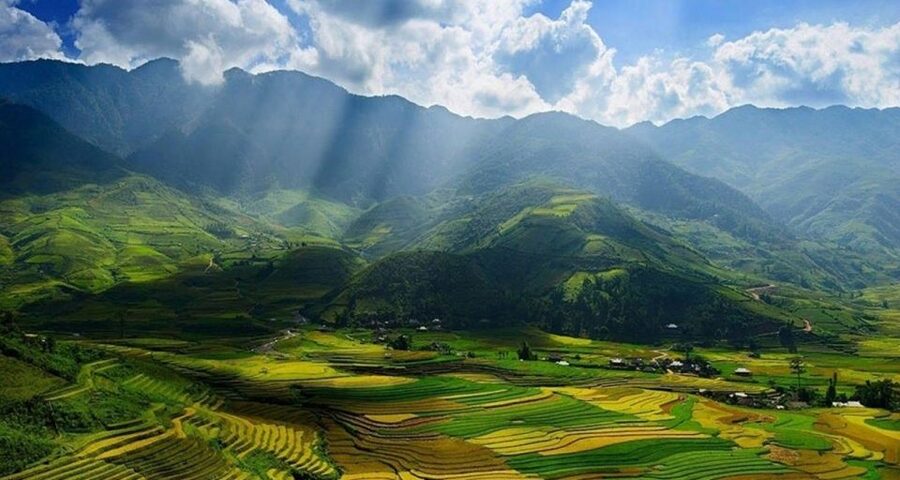
Day 2 is the workout day—by design. Breakfast happens in Sapa, then you check out and head out again.
Key trekking plan:
- You start trekking around 8:30
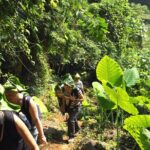
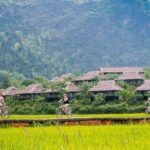
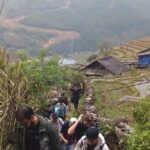
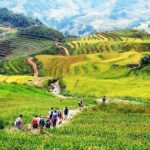
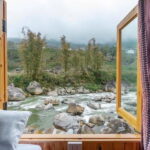
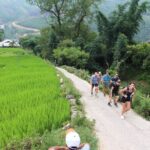
- You trek through rice terraces and along Muong Hoa Stream
- You aim for the Black Hmong village area of Lao Chai and pass under the big mountain backdrop of the Hoang Lien Son region
- Distance and time: about 12 km and around 4 hours
You’ll have lunch around 12:00–13:30 with dishes prepared by a family. This is one of those moments where the trip stops feeling like sightseeing and starts feeling like you’re part of the day’s schedule.
Late afternoon you continue to Ta Van Village, home of the Dzay ethnic group. You’ll:
- Check in to a bungalow
- Get to know the family
- Spend time outdoors around sunset
- Have the option to join in cooking local dishes with the family
- Enjoy a quieter dinner afterward
A small social option is included too: you can join a local bar nearby with music and socialize with other tourists, then return for the night in Ta Van.
Why this day matters: Day 2 connects the big-photo Sapa identity (terraces) to human-scale moments (eating with a family and settling into their routine). It’s also where the better guide really earns their keep—moving at a realistic pace so you’re not rushing through rice and village paths.
Day 3: Bamboo Forest, Giang Ta Chai Bridge, and Back to Hanoi
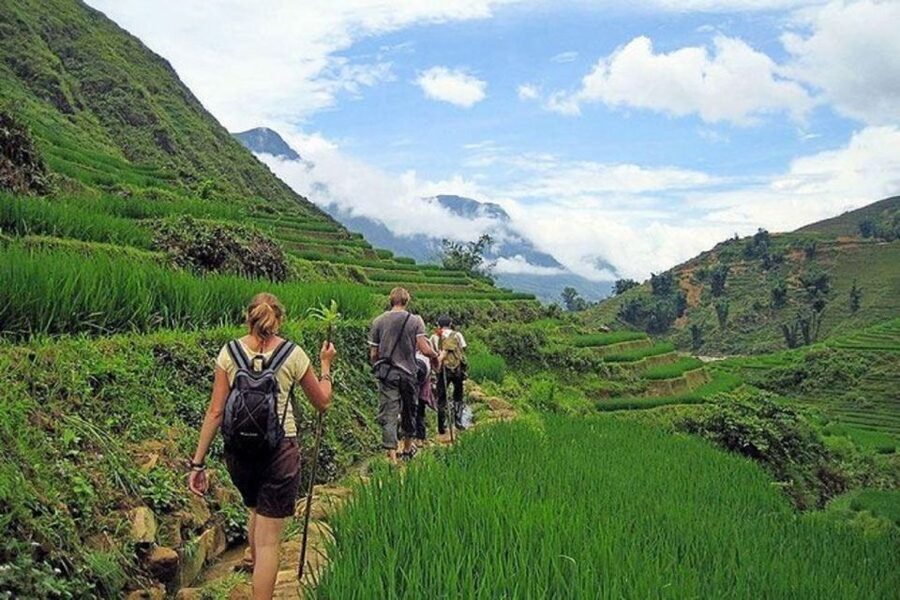
Day 3 keeps the momentum, but it’s shorter and more varied than Day 2, which helps your body stay happy.
Breakfast is prepared by the family around 8:00, then you set out:
- You walk through rice paddies for photo stops
- You go through a bamboo forest
- You stop for a panorama view at Giang Ta Chai village (red Dzao people)
Distance and time:
- About 3 km
- Roughly 3.5 hours
Around 11:00, you trek through the Giang Ta Chai Bridge to the main road. The bus meets you here and you go back to Sapa town.
Lunch lands 12:30–13:30, then you get free time 13:30–14:45 to relax. After that, the group meets at the hotel to get ready for the return trip.
The bus back to Hanoi starts around 15:30 and includes two rest stops. You typically arrive back in Hanoi around 21:30–21:45, where the trip ends and you head to your hotel on your own.
This final day is a nice way to close. You get morning walking and visuals, then you’re not stuck doing “one more long trek” right before the overnight bus feels.
Guides in English: Why Su and Mu Show Up in Good Reviews
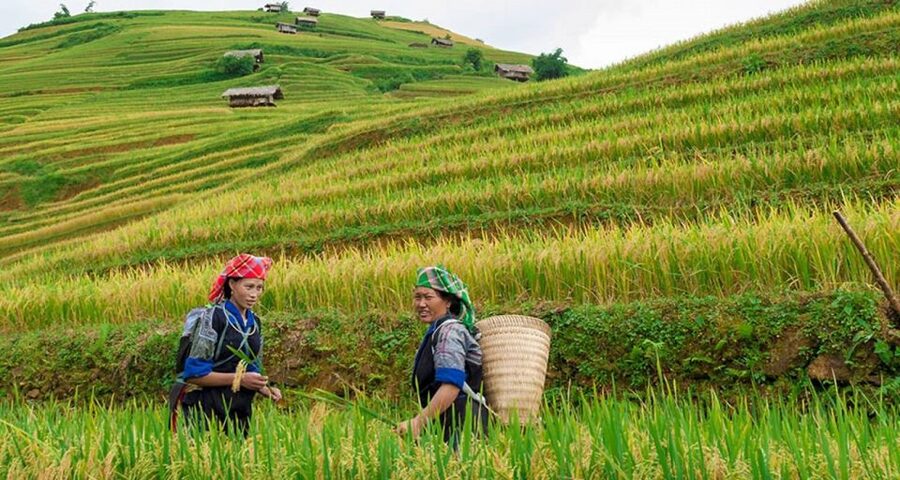
The itinerary is clear, but the difference between a good trek and a frustrating trek is often the guide. This one is led in English, and you also get an English audio guide, which helps when you’re listening while walking.
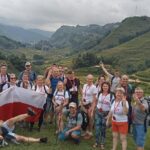
In the review notes, guides named Su and Mu are praised specifically for taking good care and guiding well. Even if your guide isn’t one of those names, this is the kind of tour where you should look for that same attitude: check your pace, explain what you’re seeing, and help you avoid the common mistakes (like moving too fast because everyone else is).
If you care about culture, this matters even more. You’re walking through areas tied to Black H’mong villages and Dzay/red Dzao areas, and a guide is what turns those names into something you can picture.

Homestay Basics in Ta Van: Comfort Level and What to Expect
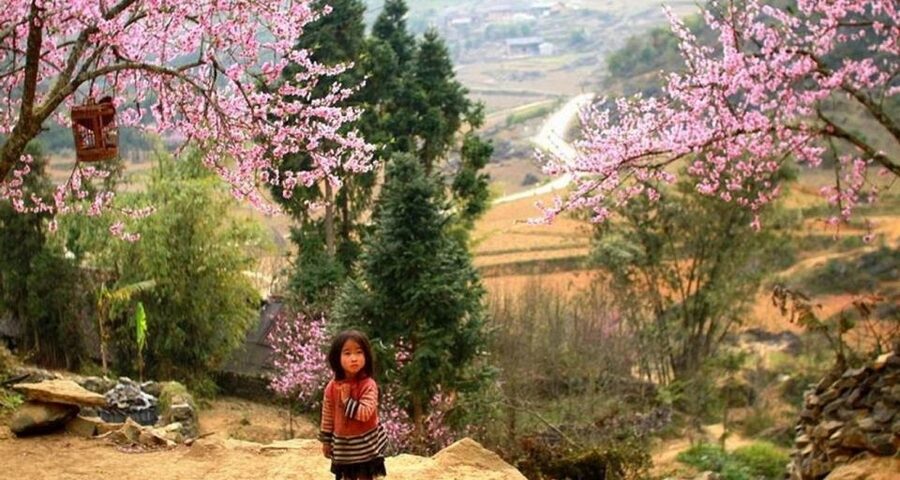
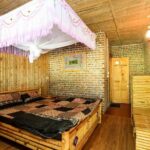
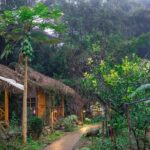
The Ta Van homestay is described as basic with simple facilities. That’s not a deal-breaker for most trekkers—it’s part of why homestays work.
Here’s what you should assume:
- You’ll live close to how the family lives
- You’ll be fed with included meals
- You may join cooking with the family (optional)
- You should plan to be flexible about comfort
The upside is the access. You’re not just passing through village space. You check in, get to know the family, and spend time enjoying mountain life on sunset.
The potential downside is your comfort expectations. If you’re someone who needs stable warmth and hotel-style bedding, this won’t feel like that.
What to Pack for Sapa: Cold, Fog, and Footing

Sapa weather can change fast. The tour notes say it can be foggy from December through March, so your clothing should be ready for damp and cool air.
Bring:
- Warm clothes
- A scarf, hat, and cap
- Trekking shoes
- Sunglasses
- Sunscreen
- Insect repellent
One more practical note: the tour recommends bringing cash in Vietnamese Dong, because banking in Sapa can be unreliable. US dollars, euros, and Australian dollars are accepted, but cash planning keeps things smoother when you want a snack or a small purchase.
And yes, bring your ID. You need a passport or ID card.
Trekking Reality Check: Distances, Pace, and Who This Fits
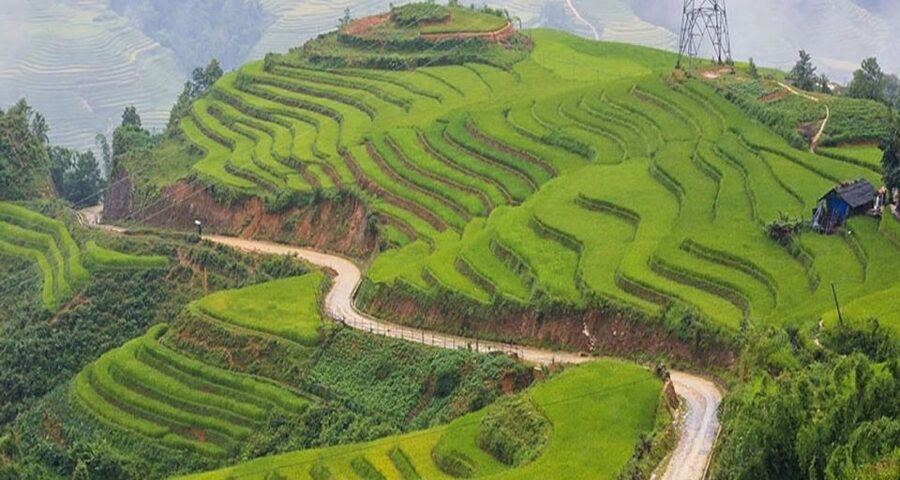
The total trekking is not a casual stroll. The tour notes say the 9–15 km trek is not recommended for senior citizens. It also says handicapped people and children under 6 years old should not take part, and it’s not suitable for wheelchair users.
If you’re an average fit adult who hikes a few times a month, this style can be manageable—especially because Day 1 and Day 3 are shorter than Day 2. Still, the terrain is real: valley descents and climbs, rice terrace paths, and long enough days that you’ll want steady shoes.
The best mindset is: plan for a working-day pace. You’re out there to walk, not to sprint from viewpoint to viewpoint.
Should You Book This 3-Day Sapa Trek?
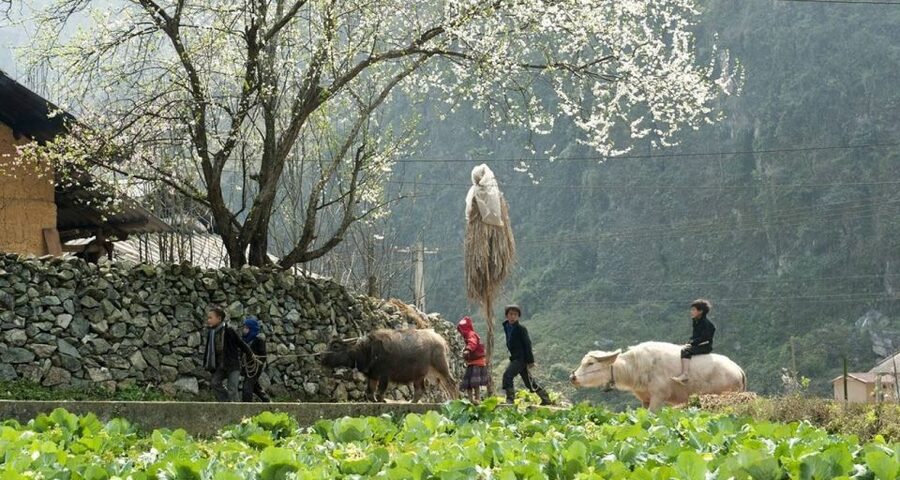
I think this trek is a great choice if you want:
- Rice terraces plus villages in a 3-day window
- A real homestay moment in Ta Van (not just a photo stop)
- An English-speaking guide and structured meal/lodging support
- A route that changes each day: Cat Cat valley → Muong Hoa terraces → bamboo forest and Giang Ta Chai
Skip it if:
- You’re not comfortable with the reality of 9–15 km trekking total
- Basic homestay facilities would feel stressful for you
- Fog and cold season timing would be a deal-breaker (because December–March can be foggy)
If you book, pack for warmth and footing, bring cash, and trust the pacing. You’ll get far more out of the villages when you’re not gasping the whole time. That’s how the experience stays enjoyable.
FAQ
How long is the Sapa trek?
It’s a 3-day excursion.
What’s included in the price of $138?
The package includes all meals, an English-speaking tour guide, transportation in Sapa, village entrance fees, 1 night at a homestay, and 1 night at a hotel, plus an English audio guide.
Are Hanoi–Sapa transfers included?
Transfers between Hanoi and Sapa are not included in the base price. The extra listed options are $15 per person for shuttle or $20 per person for limousine for 2 ways.
What is the Ta Van homestay like?
The homestay is described as basic with simple facilities.
How much do you trek on each day?
Day 1 is about 3.5 km (about 2 hours). Day 2 is about 12 km (about 4 hours). Day 3 is about 3 km (about 3.5 hours).
Is this trek suitable for seniors or kids?
The trek is not recommended for senior citizens, and handicapped people and children under 6 should not take part. It’s also not suitable for wheelchair users.
What do I need to bring?
Bring a passport or ID card, plus warm clothes (including a scarf, hat, and cap), trekking shoes, sunglasses, sunscreen, and insect repellent.
Will I have trouble finding places to pay with cards?
It’s recommended to bring cash in Vietnamese Dong because the banking system in Sapa can be unreliable. US dollars, euros, and Australian dollars are accepted.
When is Sapa most likely to be foggy?
The tour notes say it can be foggy from December through March.