REVIEW · CHIANG RAI
Chiang Rai Jungle Trek & Bamboo Tube Cooking Adventure
Book on GetYourGuide →Operated by R U tour and trek · Bookable on GetYourGuide
Hot springs and bamboo cooking in one day. This Chiang Rai adventure mixes village culture with a hands-on bamboo lunch and an outdoor swim break. I love the way the guide brings the countryside to life, and I also love that the day ends in Pasoet’s natural hot springs. One thing to consider: it’s a real hike day, with moderate walking on uneven ground.
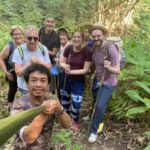
You also get real small-group attention, with a live English guide and a max of 8 people. Pickup is from your hotel lobby area in town, but it’s limited to hotels within about 3 kilometers of the meeting point. If you’re sensitive to heat, bugs, or steady walking, plan your gear early.
Come ready to get wet and stay comfortable. Pack swimwear and a towel, plus long pants and insect repellent for jungle time. Even with the breaks, you’ll be on your feet for hours, about 10–12 kilometers total.
In This Review
- Key things I’d plan around
- A Day of Tribes, Bamboo Cooking, Waterfall Cool-Down, and Pasoet Soaking
- The Trek Reality Check: 10–12 km and 5–6 Hours of Walking
- Hotel Pickup and the Drive Out: Easy Start, Real Time Outdoors
- Tea Plantation Stop: A Practical Look at Local Farming
- Village Visits: Lisu, Chinese, Akha, and Lahu Communities
- Bamboo Tube Cooking: Lunch You Actually Make
- Waterfall Swim Break: Cool Down the Trek
- Pasoet Hot Spring: The Natural Spa Moment
- Scenic Walking and Break Time: Small Stops That Add Texture
- Price and Value: What $58 Really Buys
- What to Bring So You Don’t Have a Bad Day
- Who This Tour Fits Best
- Should You Book Chiang Rai Jungle Trek & Bamboo Tube Cooking Adventure?
- FAQ
- How long is the Chiang Rai Jungle Trek & Bamboo Tube Cooking Adventure?
- What group size is this tour?
- Where do you get picked up?
- Is there a lot of walking?
- Which villages will we visit?
- Do we visit a tea plantation?
- Is lunch included, and what’s the bamboo part?
- Can we swim, and is there any extra swimming cost?
- What’s not included in the price?
- What’s the cancellation policy and pay options?
Key things I’d plan around
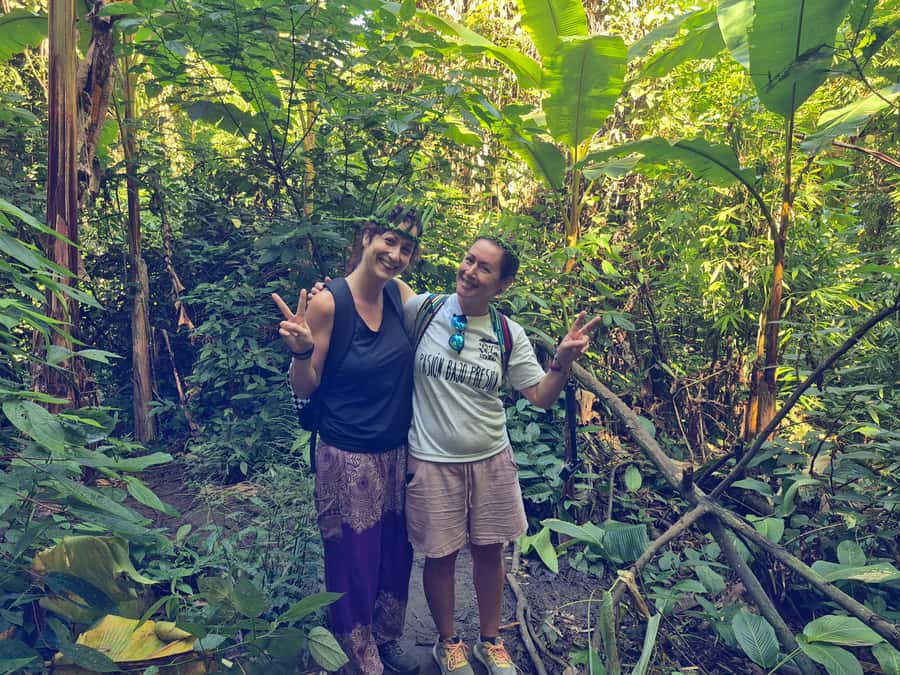
- Small group (up to 8) means the guide can slow down for questions and photos.
- Bamboo-tube cooking turns lunch into an activity, not just a meal stop.
- Waterfall swim + Pasoet hot springs gives you a cool-down then a recovery soak.
- Tribe village visits include Lisu, Chinese, Akha, and Lahu communities.
- Tea plantation tour adds a local-food-and-farm angle to the day.
- Moderate trek (10–12 km total) is the main commitment, so wear the right shoes.
A Day of Tribes, Bamboo Cooking, Waterfall Cool-Down, and Pasoet Soaking
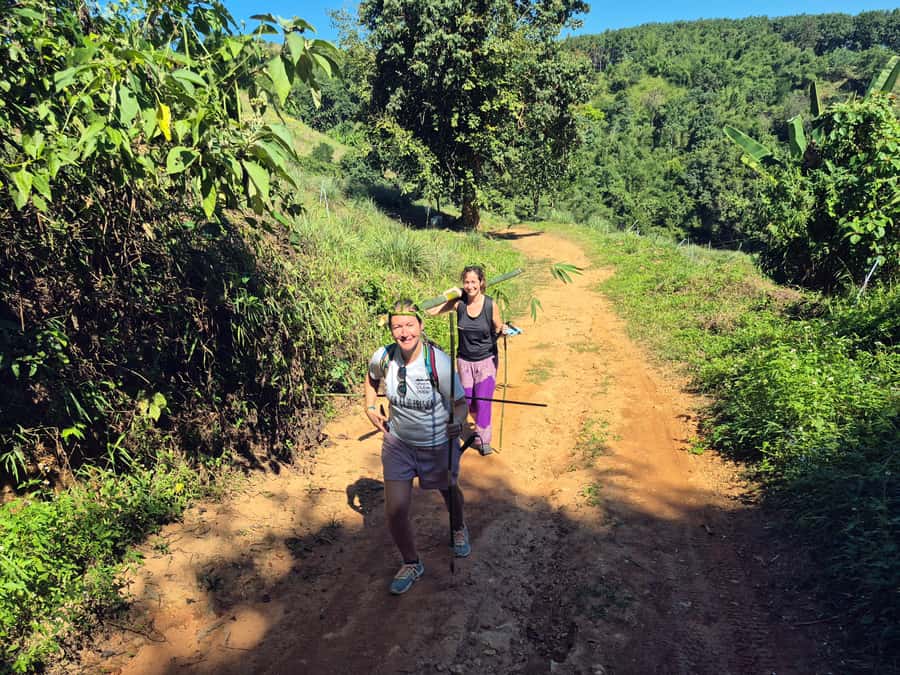
This is the kind of Chiang Rai day that feels full without feeling chaotic. The main rhythm is simple: drive out of town, hike through mountain and bamboo forest areas, visit villages and a tea plantation, cook and eat lunch using bamboo, then cool off at a waterfall before heading to Pasoet hot springs to unwind.
What makes it appealing is the mix of different “types” of time. You’re not just walking. You’re also meeting people and seeing daily life, then switching to a practical skills moment (bamboo cooking), and finally ending with a classic Thailand-style nature reset: water first to cool you down, then hot springs to warm you up.
I especially like how the day includes hands-on learning. A bamboo cooking experience is different from typical “watch and eat” tours, because you’re learning a traditional method tied to the landscape itself. And in the reviews, people consistently highlight the guide’s personality: kind, funny, and attentive, with a knack for pointing out plants and explaining what you’re seeing in plain language.
You can also read our reviews of more tours and experiences in Chiang Rai.
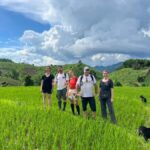
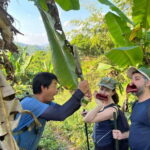
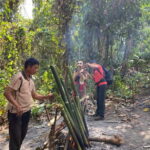
The Trek Reality Check: 10–12 km and 5–6 Hours of Walking
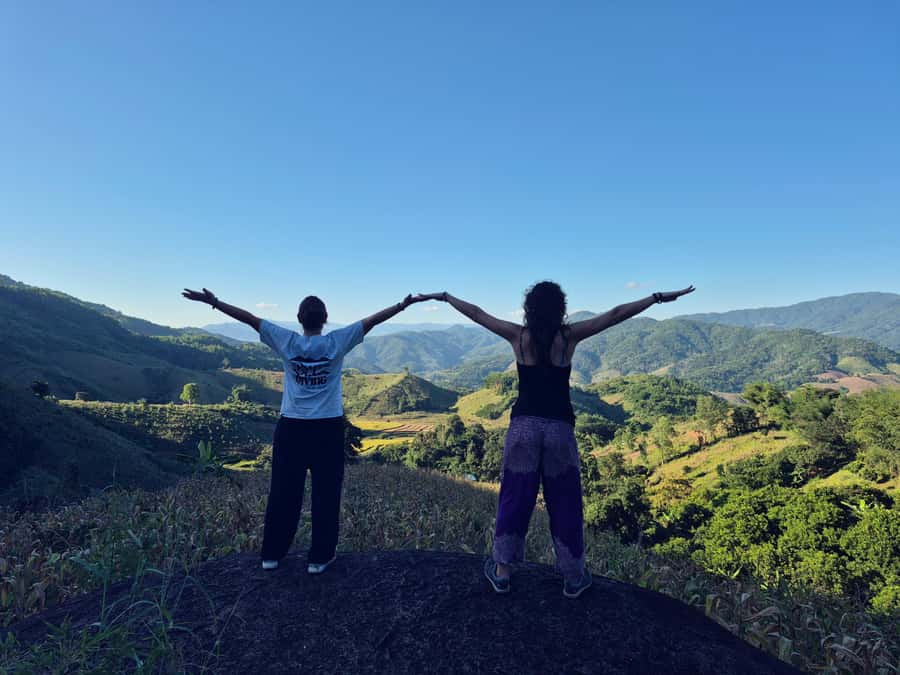
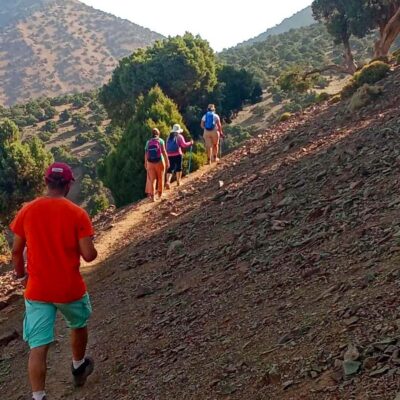
Let’s talk about the part that matters most for your comfort: your feet. This is listed as moderate physical activity with a total walking distance of about 10–12 kilometers. The expected walking time is around 5–6 hours during the day.
That sounds doable, but it depends on what you bring and how you pace yourself. Expect uneven ground and jungle-and-mountain terrain. You’ll also be walking in humid conditions, then warming back up again as you head toward the hot springs.
If any of these apply, you might struggle:
- back problems or mobility limits
- pregnancy
- insect allergies
- very young kids or older visitors (it’s noted as not suitable for babies under 1 year and people over 70)
If you’re generally active and you pack smart, the trek can feel like an “earn the reward” kind of day—because the waterfall swim and hot-spring soak are real payoff.
Hotel Pickup and the Drive Out: Easy Start, Real Time Outdoors
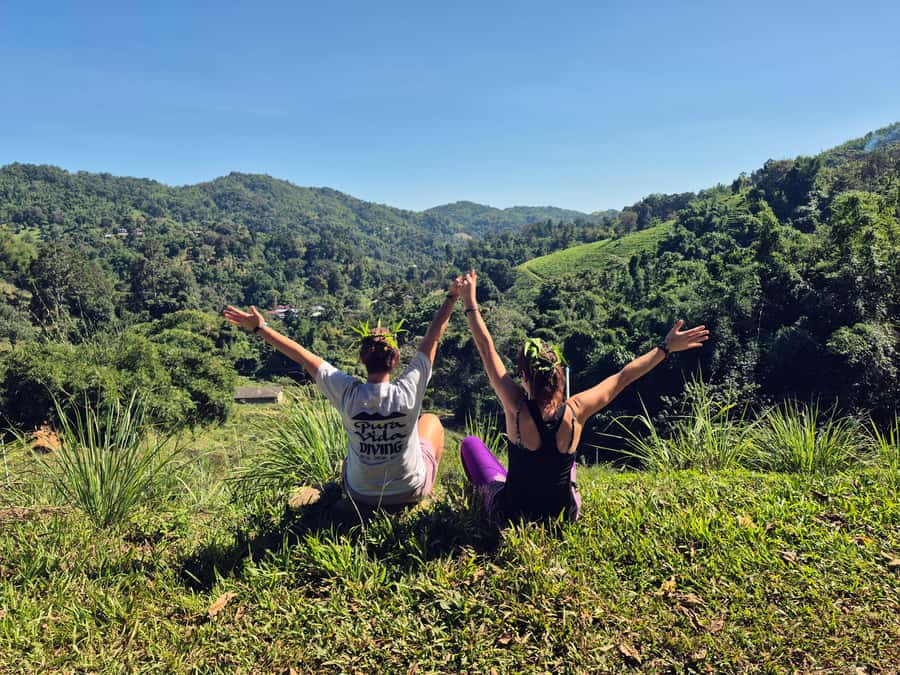
Your day begins with pickup from your hotel lobby area in Chiang Rai. The meeting point is described as city-town area, and pickup isn’t meant to go far beyond that (within about 3 kilometers).
Once you’re in the vehicle, you’ll ride out toward the hot spring area, which sets expectations: you’re not leaving the city for a quick walk. You’re committing to a full day that combines transport, trekking, and multiple stops.
This is one reason I think the small-group format works well. The group is small (up to 8 people), so you’re not trapped waiting behind a big crowd. The day still follows a steady schedule, but it feels more human.
Tea Plantation Stop: A Practical Look at Local Farming
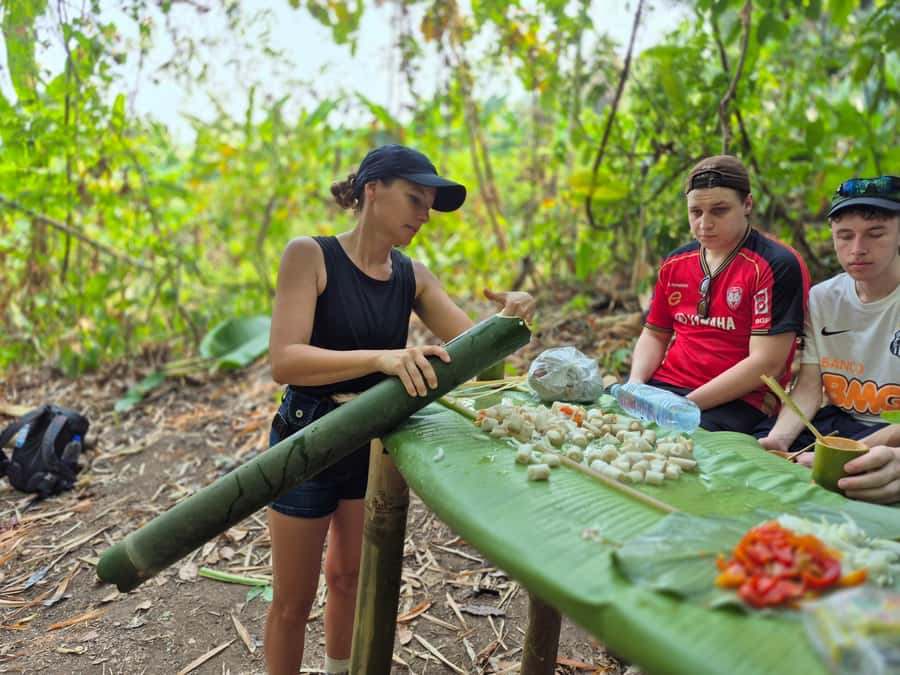
Along the route, you’ll visit a tea plantation. For me, this is one of the better “in-between” stops on a trek day because it’s not just another photo spot. It helps you connect the landscape to daily life and local food culture.
Tea is also a nice pause before the hike gets more tiring. You get a change of pace: more standing, less walking, and time for your brain to reset for village visits and the later cooking segment.
Even if tea isn’t your main interest, it gives context. You’re seeing how the region’s plants matter beyond just scenery.
Village Visits: Lisu, Chinese, Akha, and Lahu Communities
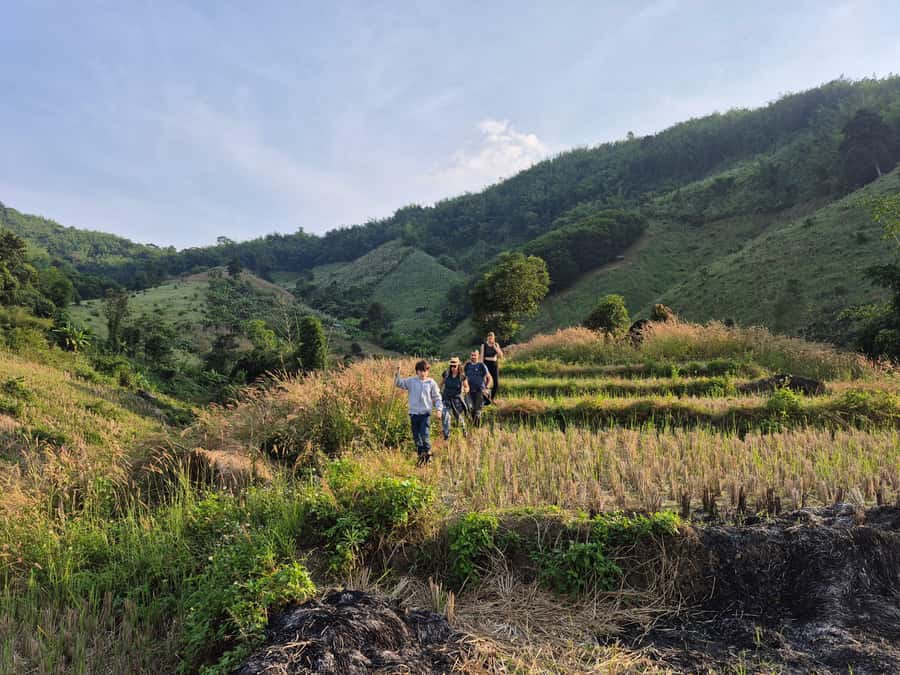
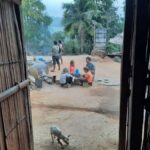
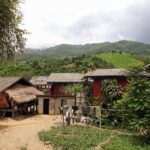
The core cultural part of the day is village time. You’ll visit Lisu, Chinese, Akha, and Lahu villages, and you’ll also experience a guided walk through the area between stops.
In the reviews, one detail comes through strongly: the guide knows the local environment well and shares it in a fun way. People describe the guide as kind and funny, and they mention how the guide can explain local flora like it’s second nature. That kind of storytelling makes village walks feel less like “passing by” and more like a conversation with your surroundings.
A practical thought: village visits often involve time outdoors. That means sun protection matters (hat, sunscreen) and bug protection matters (insect repellent). If you come prepared, you’ll enjoy the interaction more and worry less about constant discomfort.
Also note that part of respectful touring is behavior. You’re told not to touch plants, not to smoke, not to litter, and not to make fires. It’s a small set of rules, but it’s part of why these experiences stay positive and safe.
Bamboo Tube Cooking: Lunch You Actually Make
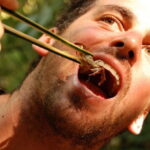
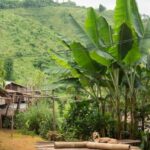
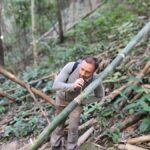
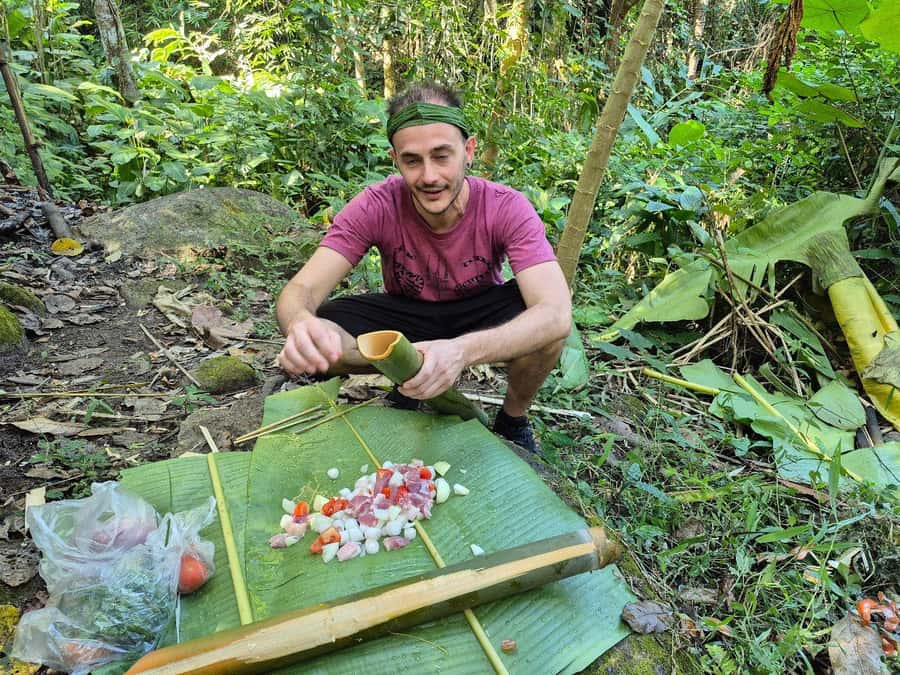
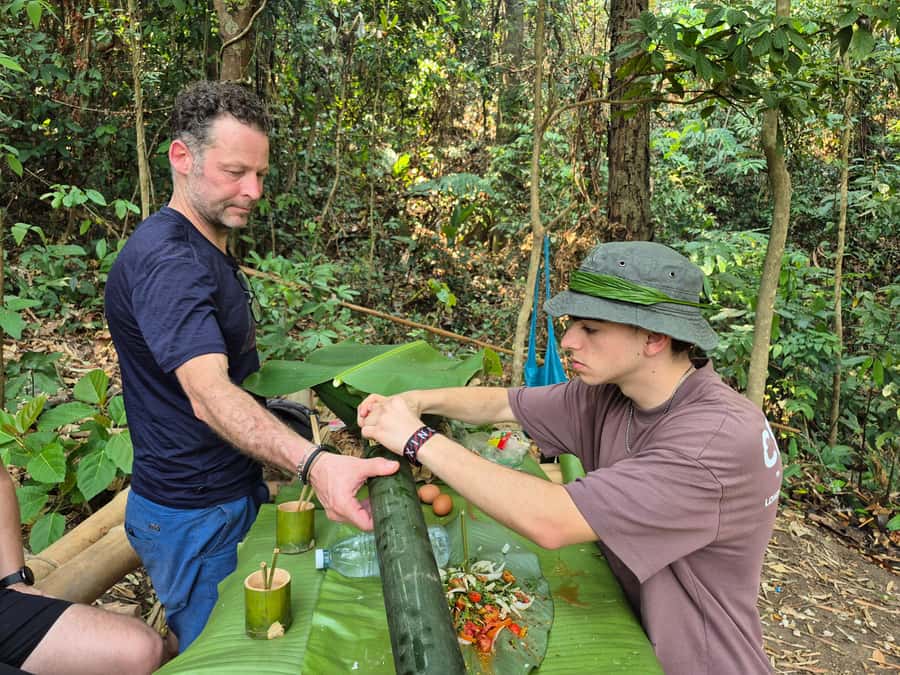
Then comes the highlight for many people: bamboo cooking. Lunch is prepared using bamboo, and you’ll learn the process as part of the experience.
This is one of those activities that changes how you remember the day. Instead of a standard meal at a restaurant, you’re doing something practical and tied to the setting. Bamboo becomes cooking equipment, and that makes the whole lunch segment feel more local and more hands-on.
A few practical reasons I think this is good value, even beyond the “cool factor”:
- You get a structured break right in the middle of your hike day.
- You’ll likely be able to eat something satisfying after walking for hours.
- You’re learning skills, not just consuming food.
One review point that stood out: people praised the food quality and said the time was worth every minute they spent in the day’s activities. That matches how these cooking-style experiences tend to work when they’re done well: the learning and the meal support each other.
Waterfall Swim Break: Cool Down the Trek
After lunch, you continue toward the waterfall and take a refreshing swim. The tour description includes swimming at the waterfall and later at the hot springs.
This is a good “body reset” moment. You’ve been hiking, you’ll be warm, and then suddenly you get cool water. It’s one reason this day feels balanced: you get exertion, then recovery, then exertion again.
Swim gear matters here. Bring swimwear and plan on getting wet. A towel is listed for a reason. If you don’t pack the basics, you’ll spend your energy worrying about comfort instead of enjoying the break.
Also, the data says the swimming ticket at the hot spring is about 100 baht and isn’t included. The waterfall swim is included in the experience, but the hot spring swim may have that extra ticket cost.
Pasoet Hot Spring: The Natural Spa Moment
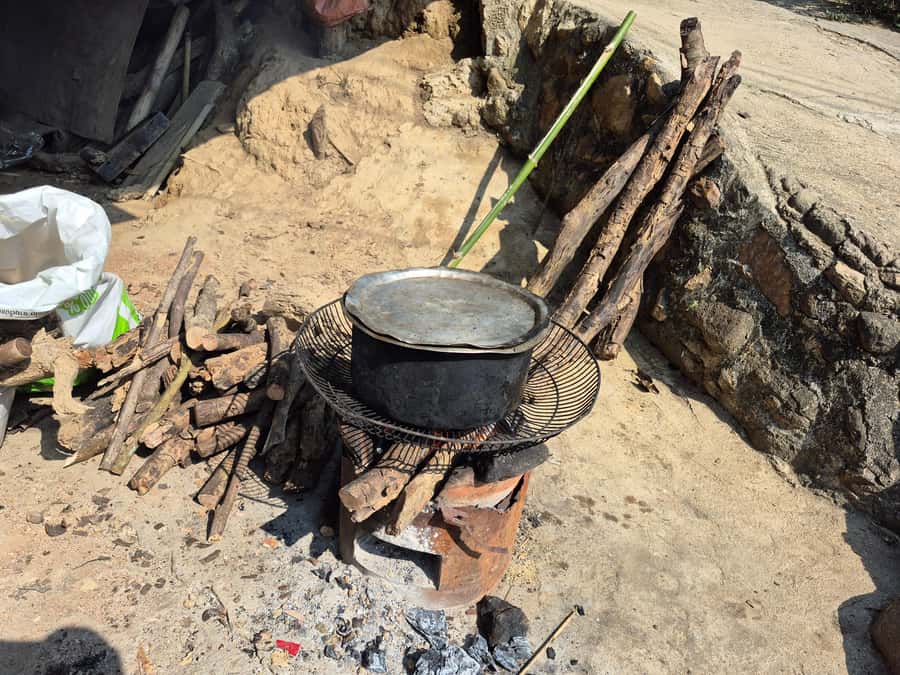
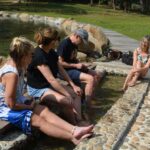
The final big “reward stop” is Pasoet Hot SPA. You’ll walk to the hot spring area after village time and jungle trekking, then take a dip in the hot pools.
This is where your day starts to feel like a full circuit: cool waterfall water, then warm natural soaking. In the reviews, people specifically mention the value of the time spent bathing, which tells me the hot spring stop is not treated like a rushed photo op. It’s a real decompression segment.
This is also a smart moment to pace yourself with your group. If you rush the soak, you’ll feel it later. Let the warmth work on your legs and shoulders.
One more practical note: hot spring environments can be relaxing, but they’re still outdoors. Sun and heat can linger even after you get in the water, so bring what you need to feel comfortable before and after.
Scenic Walking and Break Time: Small Stops That Add Texture
There’s also time in the middle of the day for additional stops and scenic walking. You’ll have a guided walking segment to Lovers’ Bridge (Minnewaterbrug) with scenic views and wildlife viewing, plus a bit of break time where swimming is possible in that same area.
Why do these “extra” stops matter? Because they add variety. If it’s only hiking and then hot springs, the day can feel like one long line. These in-between segments keep you from feeling stuck in a single mode.
I like that break time exists. When you’re doing a moderate trek, breaks aren’t optional. They’re what help you keep energy for the last part of the hike and the hot spring soak.
Price and Value: What $58 Really Buys
At $58 per person for an 8-hour day, this trek isn’t trying to be the cheapest option. But it also isn’t pricing like a luxury day.
You’re paying for several things working together:
- Hotel pickup and drop-off
- English live guide
- Small group size (limited to 8)
- Guided trek through jungle-and-mountain areas
- Village visits (multiple communities)
- Tea plantation tour
- Bamboo cooking experience
- Lunch
- Waterfall visit and swimming at the hot spring area
The best “value” angle here is that your ticket includes both culture and activity. You get more than one type of experience in a single day. Bamboo cooking plus hot springs is a strong combo, and the village visits make it feel like more than just nature exercise.
The main potential extra costs are the hot spring swimming ticket (about 100 baht) and any alcohol or soft drinks, which aren’t included. If you expect to buy drinks, plan a little extra cash so you’re not surprised on the day.
What to Bring So You Don’t Have a Bad Day
The tour lists a solid packing list, and I agree with all of it. For this type of day, comfort beats style.
Bring:
- Comfortable shoes and hiking shoes if you have them
- Hat and sunscreen
- Insect repellent
- Long-sleeved shirt and long pants
- Rain gear (Thailand weather can change fast)
- Water and snacks (the note says bring your own water and drinks)
- Swimwear and a towel
- Long pants and hiking pants for comfort on uneven ground
Also, mentally plan for sweaty moments. You’ll be outdoors hiking, then you’ll swim, then you’ll warm up again. Layering lightly and packing moisture-friendly clothing helps.
And remember the rules: no smoking, no littering, no fire-making, and no touching plants.
Who This Tour Fits Best
This is a great match if you want a meaningful day in the Chiang Rai countryside and you like active touring that still includes cultural stops.
You’ll likely enjoy it most if you:
- want a hands-on lunch experience (bamboo cooking)
- like guided village walks and tea-plantation context
- don’t mind moderate trekking and want a real outdoor day
- want a cool-down swim and a hot-spring soak in one itinerary
You might skip it if you:
- have back or mobility issues
- are pregnant
- can’t manage insect exposure (it’s marked as not suitable for people with insect allergies)
- need a fully accessible route (it’s not suitable for wheelchair users)
Should You Book Chiang Rai Jungle Trek & Bamboo Tube Cooking Adventure?
If your ideal Chiang Rai day is part nature, part culture, and part practical food learning, I’d book this. The small-group setup, the mix of village visits and tea plantation time, and the bamboo lunch make it more interesting than a standard trek.
It’s especially worth booking if you want the full arc: hike first, swim at a waterfall, then soak at Pasoet’s hot springs. That combination is what turns the day from exercise into a real reset.
Just be honest about your walking comfort. With 10–12 kilometers on the schedule, this is not a sit-and-watch tour. Wear good shoes, pack repellent and sun protection, and treat the breaks like part of the experience, not wasted time.
FAQ
How long is the Chiang Rai Jungle Trek & Bamboo Tube Cooking Adventure?
It’s listed as an 8-hour experience.
What group size is this tour?
It’s a small group limited to 8 participants.
Where do you get picked up?
Pickup is from your hotel lobby and city in town, with a note that the meeting point is not more than 3 kilometers.
Is there a lot of walking?
Yes. The total walking distance is about 10–12 kilometers, with roughly 5–6 hours of walking during the day. The tour is described as moderate physical activity.
Which villages will we visit?
The experience includes visits to Lisu, Chinese, Akha, and Lahu villages.
Do we visit a tea plantation?
Yes. The tour includes a tea plantation tour.
Is lunch included, and what’s the bamboo part?
Yes, lunch is included, and you’ll have a bamboo cooking experience where you learn how to cook using bamboo.
Can we swim, and is there any extra swimming cost?
There’s swimming at the waterfall and at the hot spring. The swimming ticket at the hot spring is about 100 baht and is not included.
What’s not included in the price?
Alcohol soft drinks are not included, and the hot spring swimming ticket (about 100 baht) is also not included.
What’s the cancellation policy and pay options?
It offers free cancellation up to 24 hours in advance for a full refund. It also lists a reserve now & pay later option so you can book without paying immediately.