REVIEW · CHIANG RAI
Full Day Trekking & bamboo cooking Tour in Chiang Rai
Book on Viator →Operated by manachiangrai tour · Bookable on Viator
A forest trek that ends in warm water. This full-day Chiang Rai tour mixes hiking with hill-tribe village time and a hands-on bamboo cooking stop, so you get more than just a walk-and-leave day. You’ll also reach hot springs for a long, soothing break—perfect after the mountain trails.
I especially like the pace and the variety. You start with a guided pickup and an early trek, then you switch gears to cooking skills (including making bamboo tools) before returning to the mountains again. The guides also matter here, and I can see why the names Sammy Marley and Moe get singled out for being kind and helpful.
One consideration: it’s a full day on uneven ground. Also budget a little for extras like drinking water and the hot spa fee, since those aren’t included.
In This Review
- Key things that make this Chiang Rai tour work
- Where your Chiang Rai day begins: Doi Hang and the forest start
- The trek to Wat Pong Nam Ron and Lisu hill tribe life
- Bamboo cooking at Huai Kaeo: making tools, then eating them
- Lee Su tea time, cool bath, and Akha village hiking
- From Akha to Lahu plus the bamboo forest and national park hot pools
- Phasoet Hot SPA and the ride back to your hotel
- Price and value: what $57.10 buys in Chiang Rai
- Who this Chiang Rai trekking tour is best for (and who should skip)
- What to bring for a bamboo cooking trek and hot spring day
- Should you book this Full Day Trekking and bamboo cooking Tour?
- FAQ
- How long is the Chiang Rai full-day trekking and bamboo cooking tour?
- Where is the pickup, and what time does the day start?
- How big is the group?
- What’s included in the price?
- Are admissions included?
- What is the hot spring and hot spa portion like?
- Is bottled water included?
- Do I need to print tickets?
- Is there free cancellation?
Key things that make this Chiang Rai tour work
- Private transportation plus guide: you’re not stuck figuring out logistics on your own.
- Small group size (max 15): easier for questions and a calmer day on trails.
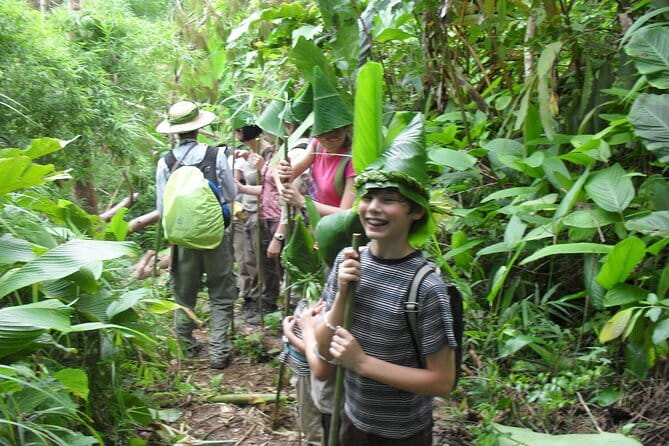
- Bamboo cooking at Huai Kaeo: you learn how to make bamboo chopsticks and bamboo cups, then eat what you cook.
- Real village stops: Lisu hill tribe life, Lee Su/tea plantation time, plus Akha and Lahu village visits.
- Hot spring time included: you get a 30-minute soak, then an optional hot spa add-on.
- Lunch is included: a big value win on a 9+ hour day.
Where your Chiang Rai day begins: Doi Hang and the forest start
The day kicks off in Chiang Rai city with pickup from hotel lobbies, scheduled between about 8:30 and 9:10. The total tour time runs about 9 hours 10 minutes, so plan for a long but active day rather than a slow afternoon plan.
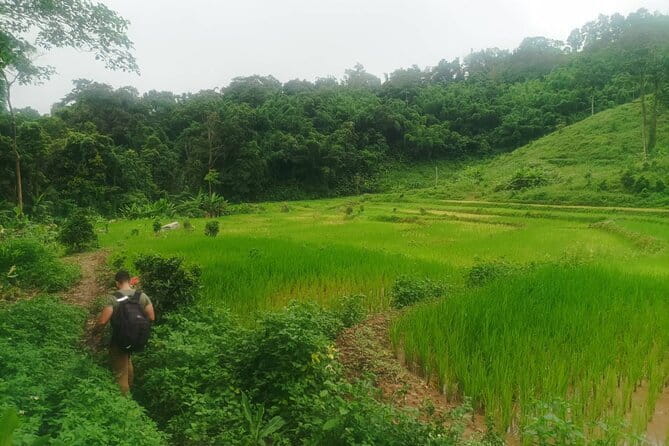
Your first stops set the tone: Doi Hang first, then car transfer to the point where the trekking begins. The admissions listed for these early segments are free, which helps keep the day feeling straightforward and low-drama.
Tip for your timing: if you tend to run cold, bring a light layer for the first part of the morning. Morning air around Chiang Rai can feel different from mid-day, especially when you start moving through shady forest paths.
You can also read our reviews of more tours and experiences in Chiang Rai.
The trek to Wat Pong Nam Ron and Lisu hill tribe life
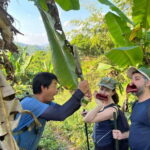
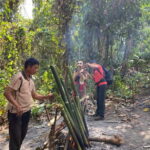
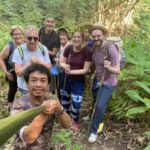
After the park transfer, you head toward Wat Pong Nam Ron, where you trek up toward the Boomboo forest and mountain area. This segment is about 1 hour, and it’s long enough to feel the climb without turning the day into a nonstop suffer-fest.
The reward here is twofold: you get scenery on the way up, and then you reach time to explore Lisu hill tribe life. That village-and-culture element is where this tour earns its “more than a hike” reputation.
What to expect on the trail: expect uneven footing typical of mountain paths. Good hiking shoes matter more than fancy gear. If you’re used to city walking only, go slow on the first rise; your legs will thank you later when you’re back on the move after lunch.
Bamboo cooking at Huai Kaeo: making tools, then eating them
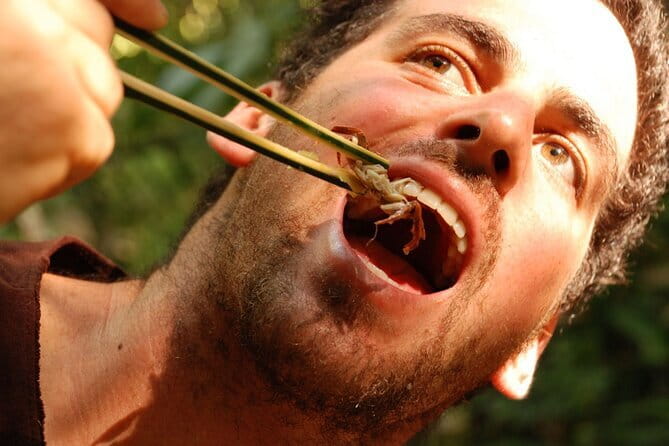
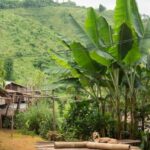
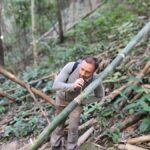
This is the point in the day where it shifts from physical to hands-on fun. At Huai Kaeo, you arrive after trekking and start bamboo cooking, learning how to make bamboo chopsticks and bamboo cups before you enjoy your meal.
It’s a clever setup: you’re not just watching someone cook. You learn the basics of working with bamboo tools, then you eat what you helped prepare. Even if you’re not a big cooking person, this is a memorable way to connect with local food traditions because you’re doing the work yourself.
A good practical note: bamboo cups and chopsticks are simple but not delicate. If you’re wearing loose or dangling jewelry, secure it before eating. You’ll likely be handling small items and food in a casual, practical way.
Lee Su tea time, cool bath, and Akha village hiking
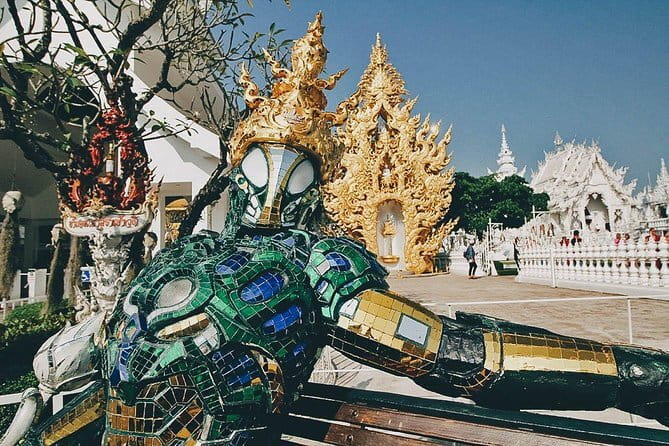
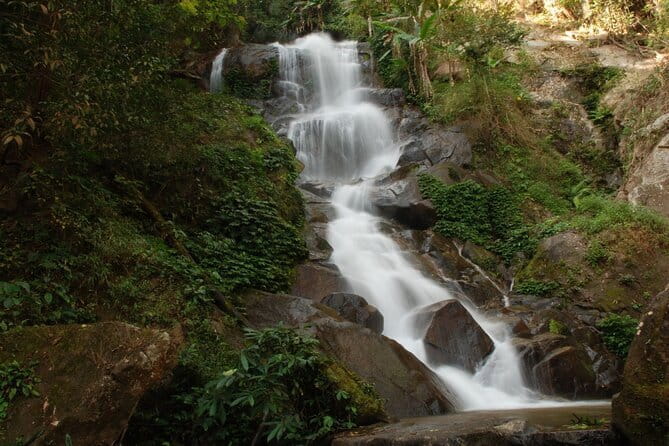
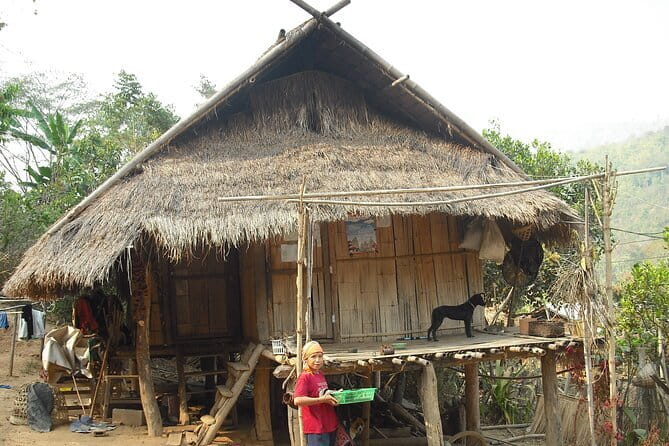
After bamboo cooking, you continue to the Lee Su hill tribe village area. This segment includes a tea plantation stop and time to enjoy a cool bath and a beautiful waterfall area, before you hike to the Akha village.
This is one of the most “Thailand nature” parts of the day because you’re not only trekking—you’re also getting time around water and views from the village approach. The cool bath/waterfall break is also a smart pacing tool. It helps reset your body so you can keep going instead of feeling tired all the way through the afternoon.
Then you continue walking to Akha village, which keeps the village theme consistent. You’re not just stopping at one community; the day cycles through different hill-tribe areas and shows how varied the region is even within one day.
Consideration: water features can mean slippery stones. I’d wear shoes you trust on wet ground, not sandals. If you’re someone who hates damp clothes for the rest of the day, plan to dry off as soon as you can after your bath time.
From Akha to Lahu plus the bamboo forest and national park hot pools
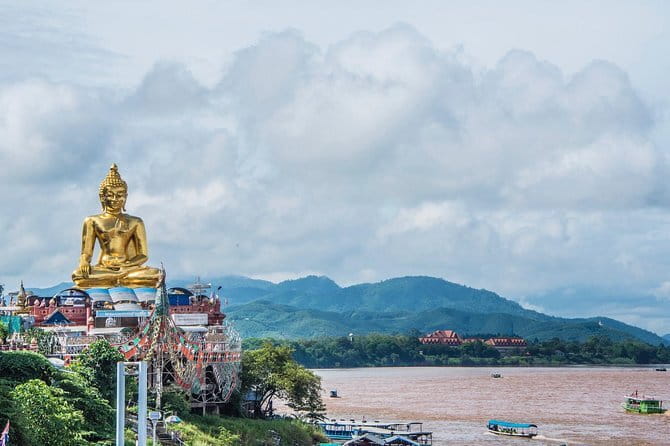
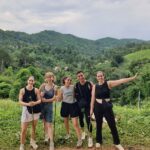
The day continues from Akha village to Lahu village with about a 1-hour walking segment. This part is less about a single big photo moment and more about moving through the region with enough time to soak in the atmosphere between stops.
After Lahu village, you move into Lam Nam Kok National Park for the next nature payoff. Here, the route includes bamboo forest time and then hot springs. You get 30 minutes to take a bath in a hot pool, which is exactly the kind of break your legs need after hours of hiking.
Why this works: hot springs are one of those experiences that feel special even if you do it “for a limited time.” You’re not rushed off immediately, but you also don’t lose the rest of the day to soaking. It’s a balanced landing before you head back toward town.
Small prep suggestion: if you have a lightweight change of clothes, bring it. The day includes trekking and a hot pool, and you’ll feel more comfortable when you return.
Phasoet Hot SPA and the ride back to your hotel
After the hot pool bath, you go to Phasoet Hot SPA. This part is short—about 30 minutes—and it’s important to know there’s a spa fee of 100 baht that isn’t included.
So think of it like an optional upgrade rather than the core experience. The included highlight is the hot spring pool bath. If you’re feeling good and want a bit more relaxation, the hot spa add-on might be worth it for you. If you’d rather keep things simple, you can still enjoy the main soak and spend less there.
Finally, you return to Chiang Rai city and drop off at your hotel. This makes the day feel complete: you’re picked up, you hike and eat and bathe, then you’re back without needing to arrange any extra transport.
Price and value: what $57.10 buys in Chiang Rai
At $57.10 per person, this tour is priced like a practical day experience rather than a luxury excursion. The big value piece is what’s included: private transportation, a guide, and lunch. Admissions listed for the stops are free as well, which helps you avoid surprise costs at each point.
The other value win is the mix. You’re not just hiking; you’re also learning bamboo cooking (tools plus meal), visiting multiple village areas, and getting hot spring time. That combination is what makes the day feel like more than the sum of its parts.
Costs that are not included:
- drinking water (10 baht per bottle)
- hot spa fee (100 baht)
That’s normal for tours like this, but it’s worth budgeting so you don’t feel nickel-and-dimed at the end. If you’re traveling with a group, the private transportation component can feel especially worthwhile because you’re paying for a real itinerary rather than shared transfers that waste time.
Who this Chiang Rai trekking tour is best for (and who should skip)
This tour fits best if you like active days with a cultural and food component. You’ll enjoy it if you’re comfortable walking for several hours, want to see hill-tribe village life across more than one community, and like hands-on experiences like bamboo cooking instead of passive sightseeing.
You might skip it if you want a mostly flat, low-effort day. It’s a full schedule, and the hiking segments add up. Also, if you’re not interested in cooking or village visits, the hot springs alone may not justify the full-time commitment.
The guide quality seems to be a major theme in the experience—names like Sammy Marley and Moe show up as standout guides in feedback. That matters because on a day like this, it’s not just about where you go; it’s how well someone keeps you on track, answers questions, and helps you enjoy the stops without rushing.
What to bring for a bamboo cooking trek and hot spring day
Since the itinerary includes trekking, waterfall/cool bath time, and hot pools, pack for the reality of a changing day. You don’t need high-end gear, but you do want practical comfort.
Bring:
- Good hiking shoes with traction
- a light layer for early morning and cooler forest shade
- swimwear or something quick-dry if you plan to use the cool bath
- a small bag you don’t mind getting damp
- cash for the 100 baht hot spa fee and any bottled water
If you’re the type who gets hungry during active days, the included lunch helps, but it’s still smart to plan hydration. Water isn’t included, so you’ll want to have a plan for that 10 baht per bottle cost.
Should you book this Full Day Trekking and bamboo cooking Tour?
I’d book it if you want a real Chiang Rai day that blends walking, culture, food, and hot springs without making you manage logistics. The included lunch, private transportation, and guide support make it feel like a complete package, not a collection of random stops.
I’d think twice if you hate hikes, dislike wet-ground conditions, or prefer “rest day” travel. This one is built for moving and then resetting with warm water at the end.
If you’re craving an authentic-feeling day—bamboo cooking you actually participate in, village time with guides like Sammy Marley and Moe, and a hot spring bath that finishes the trip on a relaxed note—this is a strong match.
FAQ
How long is the Chiang Rai full-day trekking and bamboo cooking tour?
It runs for about 9 hours 10 minutes (approx.).
Where is the pickup, and what time does the day start?
Pickup is offered from Chiang Rai city hotel lobbies, scheduled between about 8.30 am and 9.10 am. The stated start time is 9:00 am.
How big is the group?
The tour has a maximum of 15 travelers.
What’s included in the price?
Included are private transportation, a guide, transportation, and lunch.
Are admissions included?
Admissions at the listed stops are shown as free.
What is the hot spring and hot spa portion like?
There’s a hot pool bath for about 30 minutes. After that, Phasoet Hot SPA is about 30 minutes, and the hot spa fee is 100 baht (not included).
Is bottled water included?
No. Drinking water is listed as 10 baht per bottle.
Do I need to print tickets?
No. A mobile ticket is offered.
Is there free cancellation?
Yes. You can cancel up to 24 hours in advance for a full refund. Changes within 24 hours of the start time aren’t accepted.