REVIEW · AREQUIPA
From Arequipa: Sillar Route Trek
Book on GetYourGuide →Operated by AREQUIPA EXPLORER Y ACTIVIDADES TURISTICAS · Bookable on GetYourGuide
White stone routes can sound boring. This one isn’t. The Sillar Route Trek turns Arequipa’s famous pale building stone into a real, hands-on story—working quarries, carved stone art, and a canyon walk with ancient petroglyphs.
I especially like the Añashuayco Quarry stop, where you see active stone extraction and even a major carving of the Church of the Company of Jesus made by local stonemasons. I also love the Quebrada de Culebrillas section: short, scenic walking through a narrow canyon with tall walls, then petroglyphs from the Wari culture.
One thing to consider: the tour includes a few photo stops and it’s usually not a quiet, private experience—so if you hate crowds, you’ll want to manage expectations (or go on the afternoon shift for better light).
In This Review
- Key Takeaways Before You Go
- Sillar Route Trek in Arequipa: What You’re Really Buying
- Meeting Point and the Van Ride That Sets the Tempo
- Mirador Stops: Volcano Views and the Chilina Valley Moment
- Añashuayco Quarry: Where Sillar Becomes a Living Workshop
- The mega carving: stone art made by working hands
- Hands-on moment (and why it matters)
- Through Quebrada de Culebrillas Canyon: Water-Carved Walls and Wari Petroglyphs
- Petroglyphs: ancient artwork with serious age
- Watch your footing and plan for insects
- Apachetas: The Stone Pile Stop That Feels Personal
- Mirador de los Volcanes Photo Stop: Quick, Useful, and Sometimes Crowded
- Price and Fees: The Real Cost of Doing This Right
- Guide Quality: Why Bilingual Explanation Is a Big Deal Here
- Timing That Works: 4 Hours, Two Shifts, and Photo Reality
- Who This Trek Is Best For (and Who Might Skip the Canyon)
- Final Verdict: Should You Book the Sillar Route Trek?
- FAQ
- FAQ
- How long is the Sillar Route Trek?
- Where does the tour start?
- What is the cost?
- Is the entrance fee included?
- What’s included in the price?
- What languages are available?
- Are there both morning and afternoon departures?
- What are the main stops?
- How much walking is there?
- Can I cancel or pay later?
Key Takeaways Before You Go
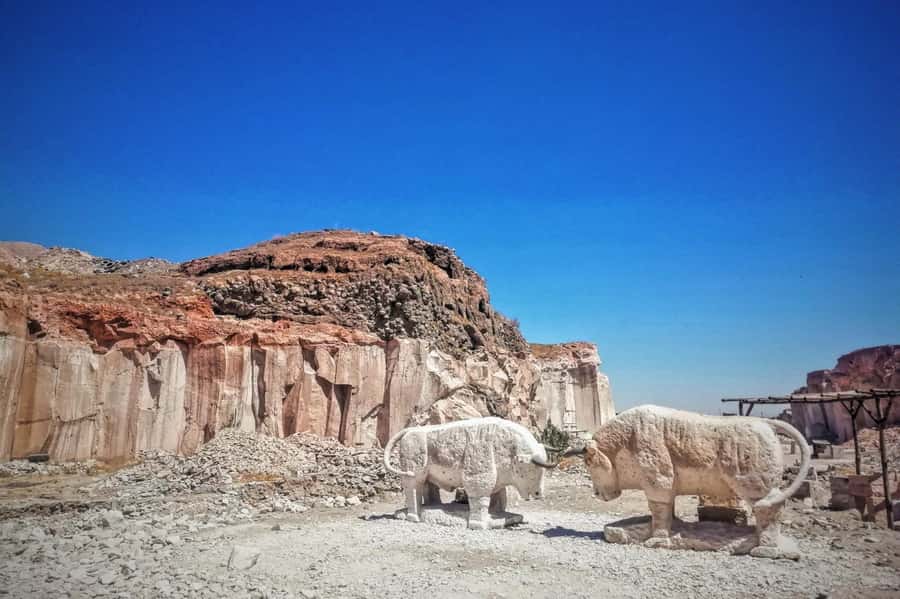
- Añashuayco Quarry is still working, so you’re seeing stonecraft in motion, not a frozen museum
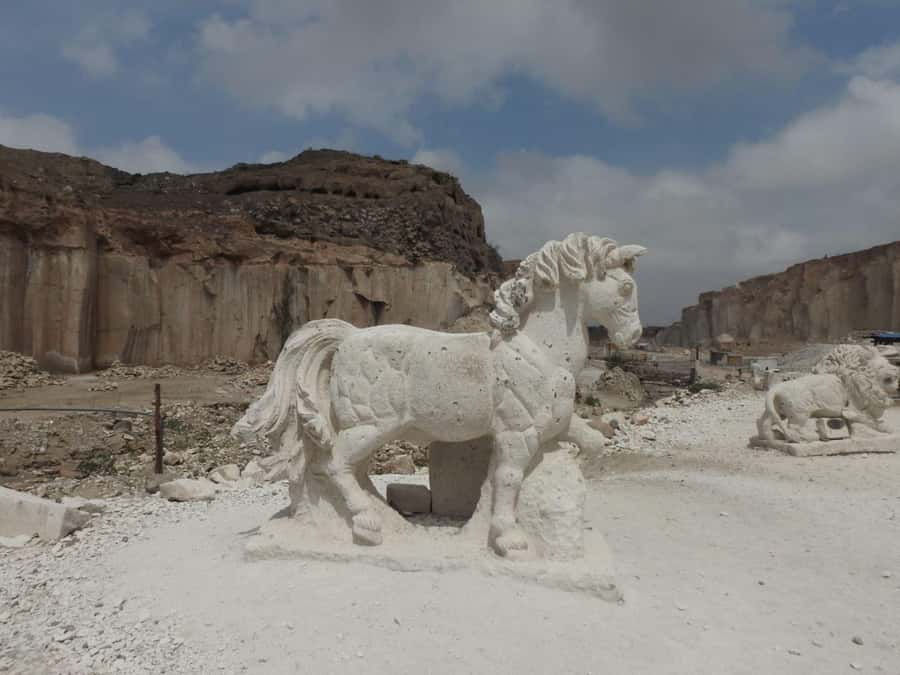
- Mega carving of the Church of the Company of Jesus shows how stonemasons turn “work” into public art
- Quebrada de Culebrillas is a short canyon walk with 15–20 meter walls and petroglyphs near the end
- Apachetas are part stop and part ritual, with stacked stones linked to gratitude and good luck
- Bring cash for entry fees (18 soles total) and consider small bills
- Wear closed shoes and insect repellent; the route is easy but not flat
Sillar Route Trek in Arequipa: What You’re Really Buying
This half-day trek is a value play. For around $12, you’re getting transportation plus a guide, and you’ll cover several meaningful stops around Arequipa’s famous sillar story. If you’re the type who likes context—why places look the way they do—this route makes the city’s signature white stone feel practical, not just pretty.
The best part is that you don’t just look at stone. You learn how it’s made and how people used it in daily life, then you step into a canyon shaped by water and time. That mix—craft, history, and nature—keeps the time from dragging.
It’s also a good first outdoor activity in Arequipa. You’re close to the city, the pacing is light, and you get big viewpoints without a long hike.
You can also read our reviews of more tours and experiences in Arequipa.
Meeting Point and the Van Ride That Sets the Tempo
Most tours start at C. Álvarez Thomas 115. Once your name is on the list at the office corner, you’ll get instructions and then hop into the van. The driving time to the main sites is short enough that you won’t feel like you’ve lost your whole morning to traffic.
The group size tends to be moderate—one account described about 25 people—and the transport may be a bus or van-style ride. A detail worth noting: air conditioning isn’t guaranteed. Plan for warm weather and sun, even if the schedule feels short.
The schedule is designed to keep movement steady. You start in the morning around 9:15 AM, and you’re back in the center by about 1:30 PM. There’s also a 2:00 PM afternoon shift, which can matter if you care about light for photos.
Mirador Stops: Volcano Views and the Chilina Valley Moment
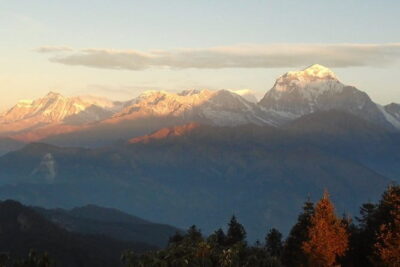
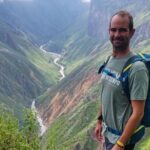
Before you focus entirely on sillar extraction, you get a viewpoint stop that helps you understand the setting. You’ll see volcanoes and the Chilina Valley from an emblematic spot, and depending on season, the order can shift with another traditional viewpoint.
This part is useful even if you’re not a “viewpoints person.” It gives you the map in your head: where Arequipa sits, how the valleys shape movement, and why these quarries and canyons are here in the first place. Think of it as a quick orientation that makes the rest of the tour feel more connected.
Timing note: this stop is often a photo moment, not a long linger. If you want fewer photos and more “what am I looking at,” ask your guide to explain what you’re seeing before everyone moves on.
Añashuayco Quarry: Where Sillar Becomes a Living Workshop
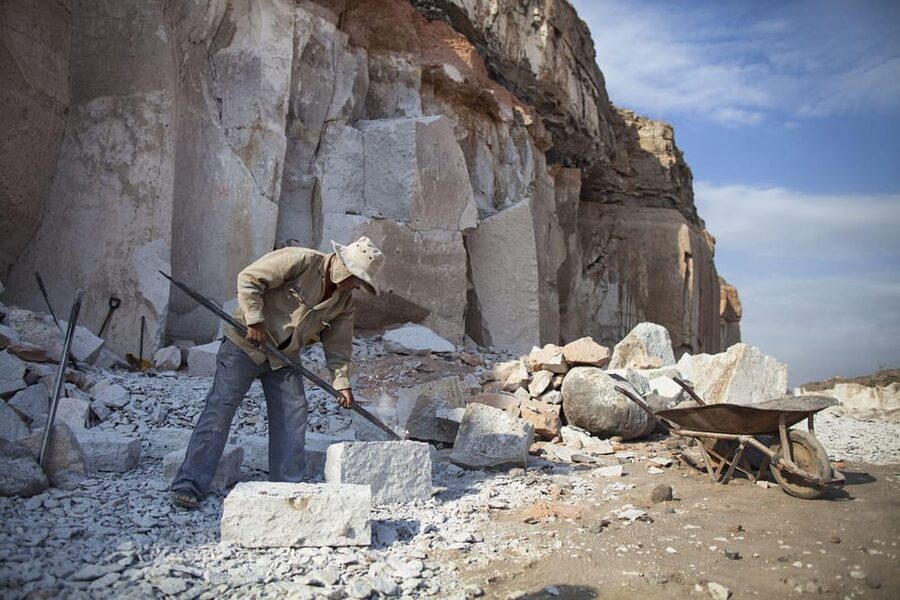
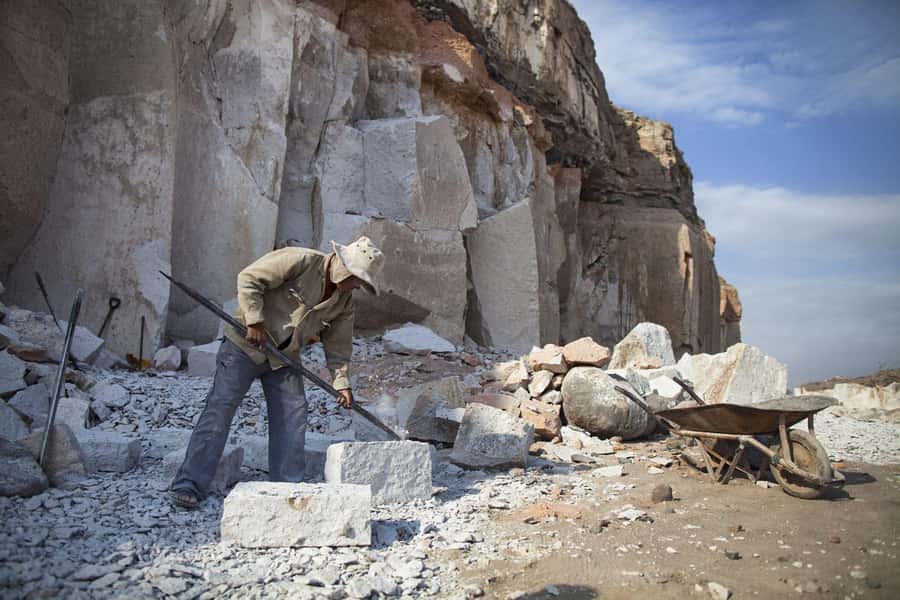
The main quarry stop is Añashuayco Quarry, about 45 minutes in the area after arriving. This is not a staged attraction. The quarry is in operation, and you’ll see stonemasons working early, cutting and shaping the stone that eventually became ashlars used around the city.
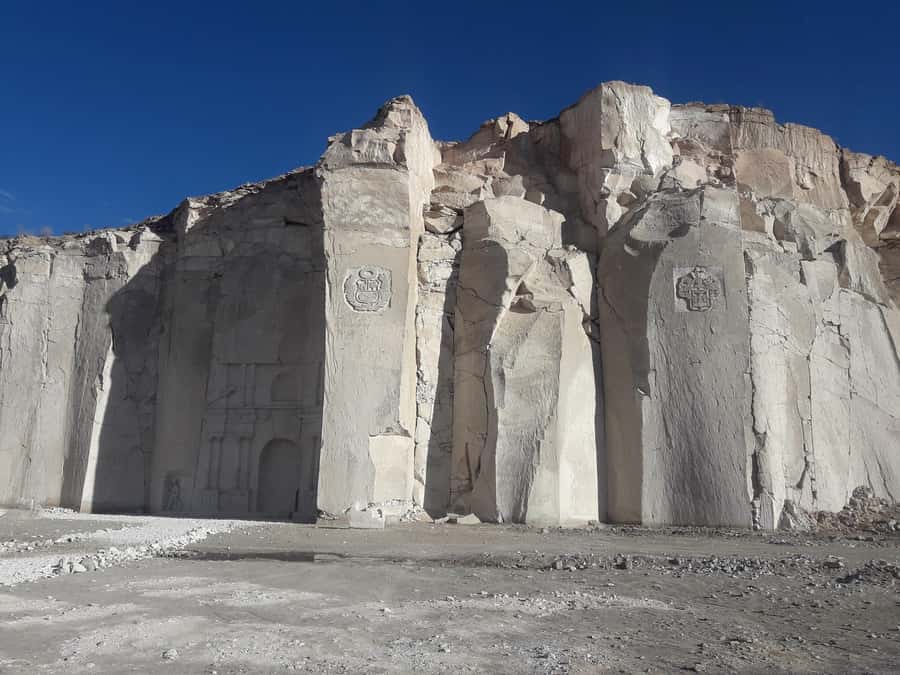
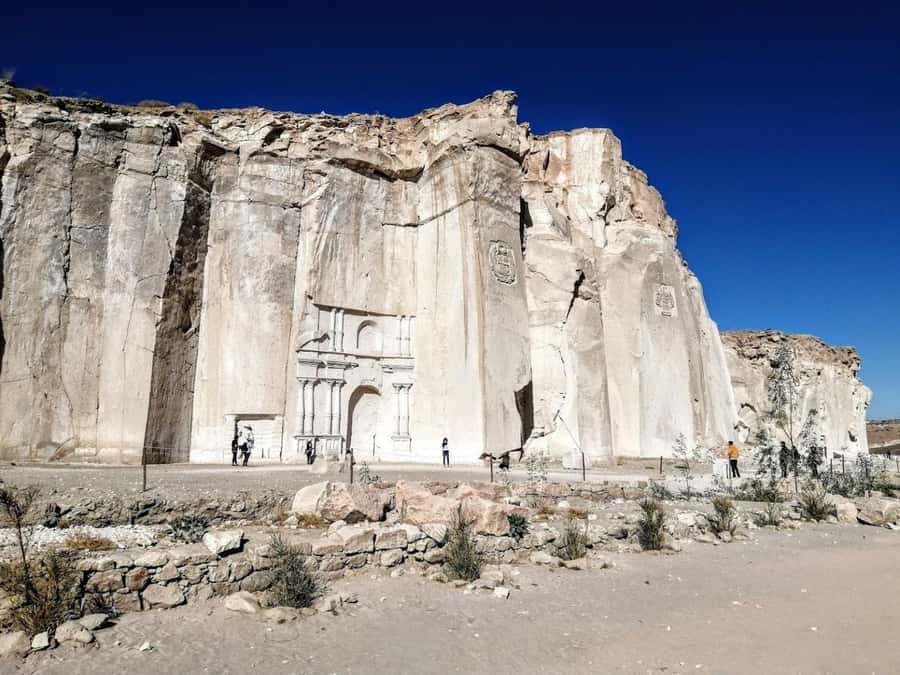
Here’s why I think this stop is the heart of the tour: the canyon-like quarry area shows the scale. You look at immense ig-nimbrite walls (formed by ash and extraction), and you can actually see how the stone production creates the dramatic cliffs.
The mega carving: stone art made by working hands
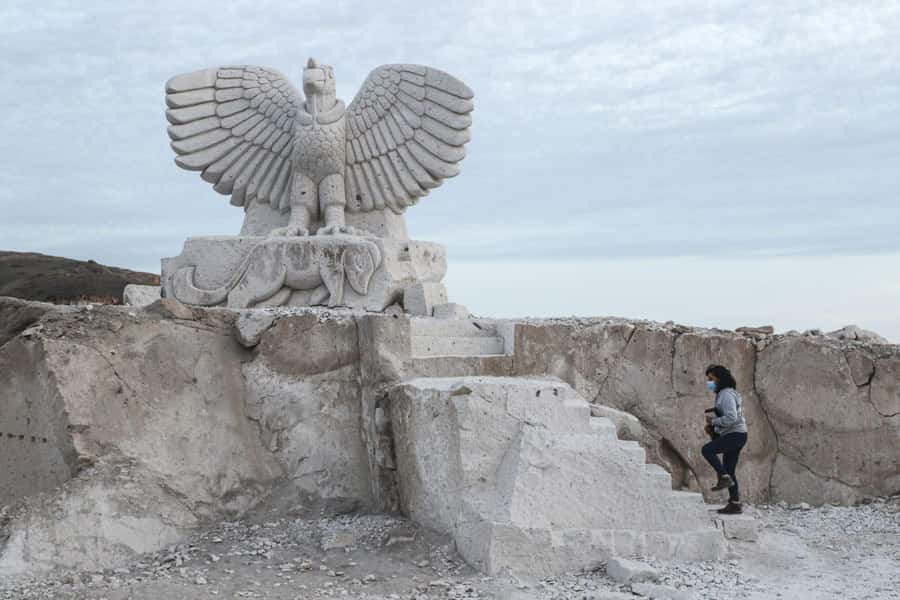
In the quarry you’ll also see a mega carving of the Church of the Company of Jesus, created by stonemasons themselves. It’s a strong reminder that craft isn’t separate from community identity in this region. The stonework isn’t only for buildings; it’s also for expression.
Hands-on moment (and why it matters)
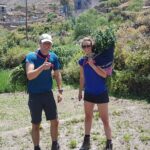
You may also have a chance to visit with the stonemasons, watch their daily work, and even try cutting a stone block yourself (or at least experiment with the process). That short hands-on component is more than a fun extra. It helps you understand why sillar is workable for ashlar-style building—and why skilled labor matters.
One practical caution: the quarry is visually dramatic but can also be busy. A few reviews mentioned crowding or lines affecting how long people can enjoy a specific angle or photo. If that annoys you, just focus on the guide-led explanation first, then take photos after.
Through Quebrada de Culebrillas Canyon: Water-Carved Walls and Wari Petroglyphs
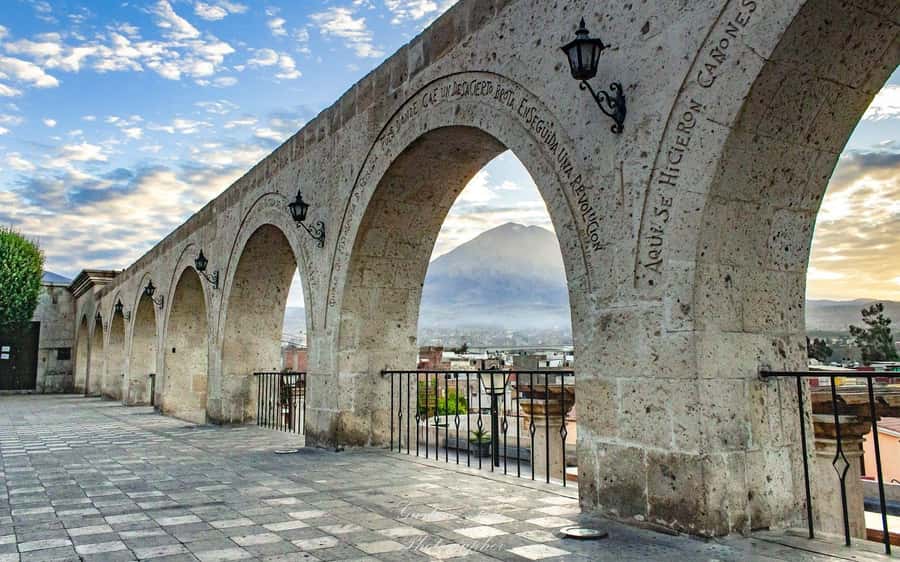
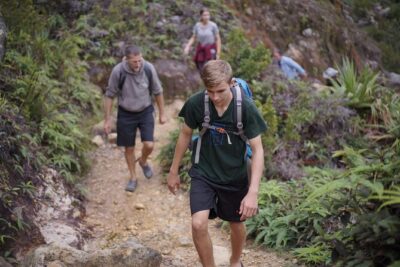
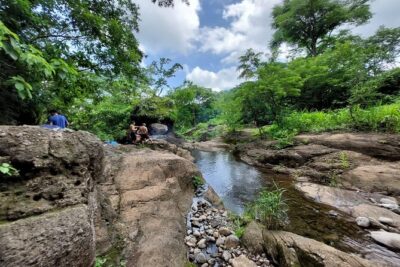
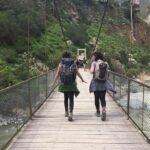
Next comes Quebrada de Culebrillas, reached roughly 30 minutes from the quarry area. You’ll take a walk of about 20 minutes inside the smaller canyon. The canyon walls are reported at 15 to 20 meters, and as you go in, the walls rise around you.
This is the part you’ll feel in your legs, but it’s not an all-day hike. What makes it special is the scale of the canyon walls and how the path follows the water-cut geometry. It’s also a nice change from open quarry views—you’re moving through something more intimate.
Petroglyphs: ancient artwork with serious age
At the end of the walk, you’ll see petroglyphs made by the Wari culture, more than a thousand years ago. Even if you’re not a rock-art expert, the moment lands because you’re looking at human marks in a place shaped by natural forces.
If you care about interpretation, rely on your guide for context here. Rock art is easy to misunderstand if you only look at it as decoration. Ask what the guide thinks the carvings represent or how they fit the site.
Watch your footing and plan for insects
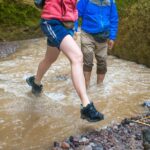
A number of people recommend closed shoes, and insect repellent shows up as a real-life necessity for many. The walk is short, but canyon paths and shade can still bring bugs, and the ground can be uneven.
Also, keep an eye on group flow. One review mentioned that some participants had walking problems and couldn’t do the canyon section well. If you have balance issues or knee trouble, mention it when you first join the group and your guide can often suggest the best way to handle the walk.
Apachetas: The Stone Pile Stop That Feels Personal
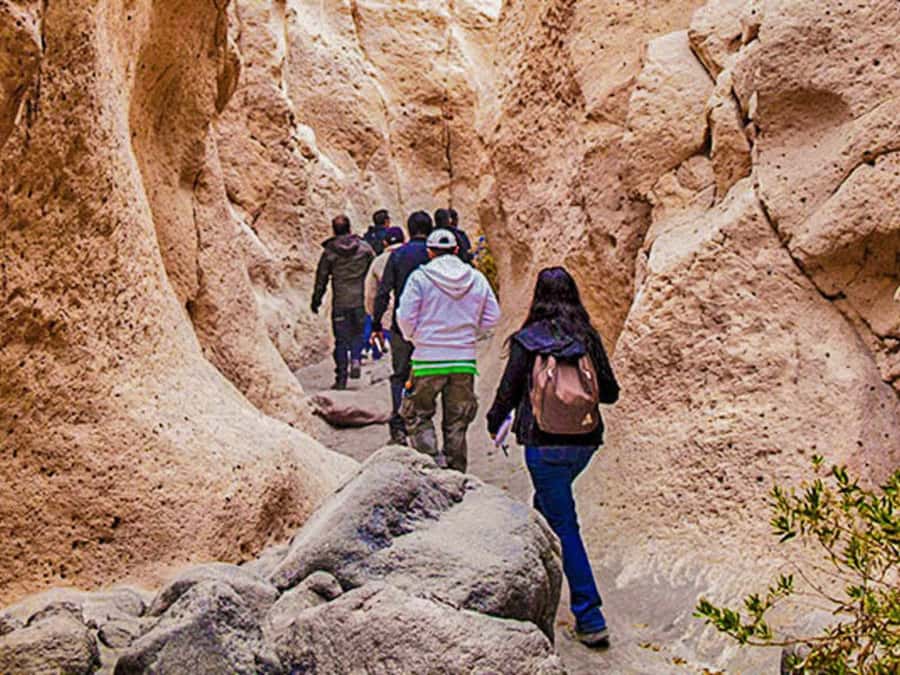
Before heading back toward the city, you’ll observe Apachetas—stone formations stacked one on top of the other. The meaning shared on the route links them to gratitude toward nature and also good luck.
This stop is short, but it can feel surprisingly moving. It’s not “history on a plaque.” It’s a living cultural practice you see right there in the open air. It also helps explain the spiritual layer of so many Andean landscapes—people aren’t just passing through; they’re acknowledging the land.
If you’re the type who likes small rituals, take a minute here. Don’t rush it while everyone is lining up for pictures.
Mirador de los Volcanes Photo Stop: Quick, Useful, and Sometimes Crowded
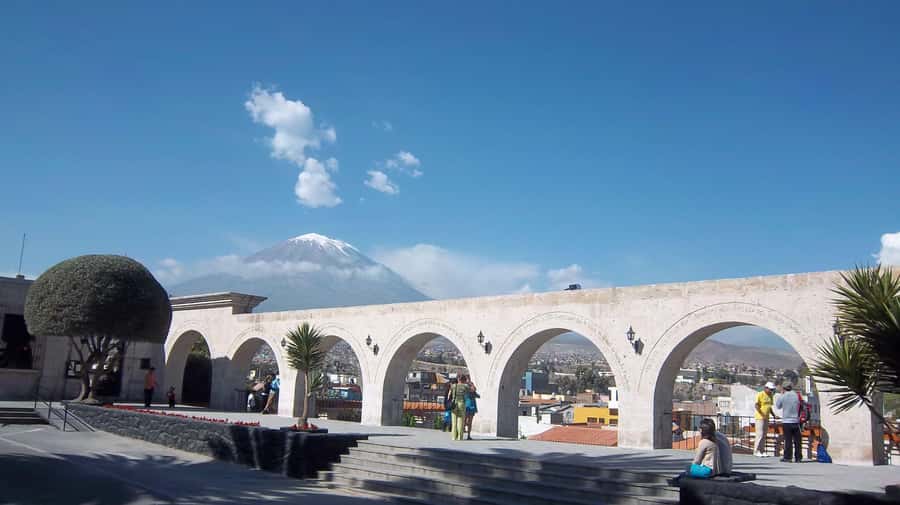
After the canyon and Apachetas, you typically return and then hit a Mirador de los Volcanes type photo stop. You’ll get a guided component plus a photo window.
This final viewpoint matters because it ties the day together visually. You’ve seen stone extraction and a water-carved canyon—now you can look back toward volcanic terrain with a better sense of how these formations relate.
That said, one practical note: some tours feel a bit more like “photo opportunities” toward the end. If your priority is the quarry and canyon, you may wish you had more time at Añashuayco or Culebrillas. Still, the viewpoint is a quick payoff if you like getting a last wide shot.
Price and Fees: The Real Cost of Doing This Right
The advertised price is about $12 per person, and it includes transportation and a guide. Entrance tickets to the places are listed as 18 soles total, not included.
That means your real planning number is closer to $12 plus the entry fees, depending on exchange rates. Still, it remains good value because you’re paying for guided interpretation plus time at multiple sites. You’re not paying for a single viewpoint.
Two money tips that matter in Peru:
- Bring cash in soles for entrance fees. Several people specifically mentioned having cash and no reliable way to withdraw during the tour.
- Have smaller bills if you can. One review mentioned some places only took smaller amounts, and the guide helped with change.
Guide Quality: Why Bilingual Explanation Is a Big Deal Here
A lot of what makes this trek work is your guide’s storytelling. Multiple guides are mentioned by name in the reviews, and the pattern is clear: when the explanation is strong, you leave with a sense of how sillar production shaped Arequipa’s built identity.
Examples from the guide experiences shared:
- Jose Jose was praised for giving lots of info, talking about sillar, the origin of volcano names, and even practical local recommendations.
- Mike was described as friendly with very good English.
- Alexandra was noted for explaining in both English and Spanish.
- Others like Jose, Julia, and Roni also show up as guides who kept people informed and on schedule.
If you want to maximize your day, do one simple thing: ask your guide one question at each stop. For example, at Añashuayco, ask what makes sillar work for ashlar stone blocks. In the canyon, ask how the Wari petroglyphs fit the site. You’ll get more out of the time you pay for.
Timing That Works: 4 Hours, Two Shifts, and Photo Reality
This is designed as a 4-hour experience. The morning timing is around 9:15 AM start and 1:30 PM return near Arequipa’s main square. If you book the afternoon shift, you’ll start around 2:00 PM.
One reason the afternoon option can be appealing: light. A few people specifically mentioned better sunset or late-day light for the rocks. If you’re sensitive to strong midday sun, try the later departure.
Also, set expectations for photo time. Even when guides keep good pacing, popular spots can get crowded. One review said crowding and waiting in line affected time at Ruta de Sillar. In real terms: if you love photos, take them earlier in the stop, not at the end when people converge.
Who This Trek Is Best For (and Who Might Skip the Canyon)
This tour fits best if you want:
- A short outdoor day without intense exertion
- Hands-on craft context for why Arequipa looks the way it does
- A mix of stone, canyon walking, and cultural meaning (Apachetas)
It’s also a solid choice if you’re new to Peru geology and want a guided explanation that connects daily life to ancient processes.
Potential mismatch:
- If you dislike any walking in tight canyon spaces, the Culebrillas section may feel challenging. It’s short, but it’s inside a narrow area, and uneven footing is possible.
- If you strongly prefer “one long site” over “several stops,” you might wish for more time at Añashuayco.
The good news: since this is a guided group with shared timing, your guide can usually help you decide how to manage the canyon portion.
Final Verdict: Should You Book the Sillar Route Trek?
I’d book this if you want a smart Arequipa half-day that explains the city’s white stone in a way you can actually see. The value is real: transport plus guide for a low base price, with the main add-on being 18 soles entrance fees. The quarry and canyon combo is what you’ll remember—especially the working stonemasons at Añashuayco and the Wari petroglyphs at Culebrillas.
Skip it or plan carefully if you hate crowds, you want zero walking, or you’re hoping for a slow, unhurried experience at only one site.
If you do go, come prepared: closed shoes, sunscreen, and insect repellent, plus cash in soles for entry fees. Then lean into the guide questions—this tour pays off when you actively listen.
FAQ
FAQ
How long is the Sillar Route Trek?
The tour lasts about 4 hours.
Where does the tour start?
You meet at C. Álvarez Thomas 115.
What is the cost?
The price is $12 per person.
Is the entrance fee included?
No. Entrance tickets are 18 soles total, and they are not included in the tour price.
What’s included in the price?
The tour includes transportation and a guide.
What languages are available?
The live guide offers English and Spanish.
Are there both morning and afternoon departures?
Yes. There’s a morning session that starts around 9:15 AM, and there’s also a 2:00 PM afternoon shift.
What are the main stops?
You visit the Sillar Route area, Añashuayco Quarry, Quebrada de Culebrillas, and a Mirador de los Volcanes viewpoint.
How much walking is there?
There’s a short canyon walk in Quebrada de Culebrillas (about 20–25 minutes), plus time at other stops.
Can I cancel or pay later?
Yes. You can get free cancellation up to 24 hours in advance, and there’s reserve now & pay later (paying nothing today).