REVIEW · HANOI
2-Days Sapa Trekking and Overnight in Tavan Village
Book on Viator →Operated by Best Vietnam Tours · Bookable on Viator
Sapa is different when you sleep in a village. This two-day trek blends Tavan Village homestay time with long, scenic walking and meals that cost way less than doing it via a night train. It’s built for people who want the real north-Vietnam feel without paying big-tour prices.
I like the practical pace: a long first trek, a shorter second trek, then time to shower, eat well, and move on. I also really appreciate the English-speaking guide, plus Wi‑Fi on the bus and at the home stay—small perks that make everything easier when you’re away from your phone plan.
One thing to watch is the transport handoff. One unhappy experience described a late-night sleeper bus that didn’t feel like a tour-dedicated transfer, leading to cold, dark waiting before settling in—so pack warm layers and double-check what your pickup timing will actually feel like.
In This Review
- Key Points Before You Go
- The Hanoi-to-Sapa Ride: AC Comfort and the One Timing Risk
- Day One Through Sapa: Y Linh Ho, Lao Chai, and the Trek Into Tavan
- The Tavan Village Homestay: Real Family Time, Simple Comfort
- Day Two Morning: Cooking Class, Family Breakfast, Then Rice Paddies
- Giang Ta Chai: Photo Stops, Bridge Crossing, and the Main Road Exit
- Free Time in Sapa and the Return to Hanoi: Manageable, Not Rushed
- Price and Value: Why $52 Often Beats the Night Train
- Who This Tour Fits Best (and Who Should Skip It)
- Should You Book This 2-Day Sapa Trek to Tavan Village?
- FAQ
- What does the tour include?
- Where is pickup in Hanoi?
- How long is the trek on day one?
- How long is the trek on day two?
- What kind of overnight stay is provided?
- Is there a cooking class?
- Is Wi‑Fi available?
- How many people are in the group?
- What is not included in the price?
- When do you return to Hanoi?
- Is cancellation free?
Key Points Before You Go
- Long first day trek (about 9 km / ~3.5 hours) that hits the most popular Sapa walking routes.
- Tavan Village overnight in a bungalow or wooden stilt house, with family-run atmosphere.
- Day 2 cooking class includes pho and nem cuốn, then breakfast made by the family.
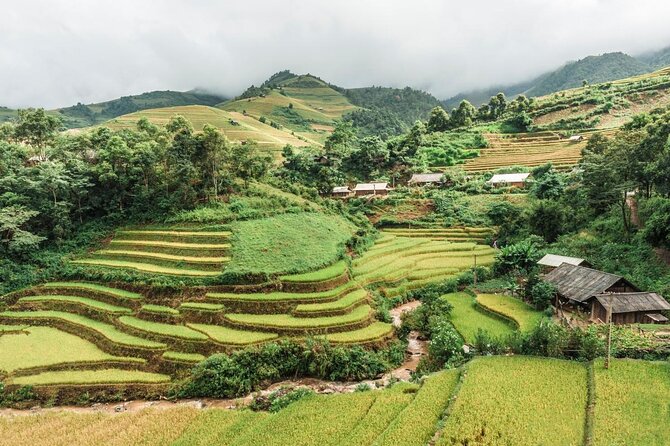
- Giang Ta Chai rice paddies + bamboo forest views, plus photo stops around the red Dzao area.
- AC bus + Wi‑Fi for Hanoi–Sapa round-trip, plus water bottles on both ways.
- Small group cap (max 20) for a more manageable trekking experience.
The Hanoi-to-Sapa Ride: AC Comfort and the One Timing Risk
Most of your comfort is handled by the bus. You’re picked up from hotels in the Hanoi Old Quarter area in the early morning (around 6:00–6:30), then you head straight to Sapa with a modern air-conditioned coach and comfortable seats. There are also rest stops on the way—first around Lao Cai, then again before continuing toward Sapa.
That part is straightforward and, in practice, it helps you arrive with enough daylight to orient yourself and start the day without feeling like you’ve been awake forever. You also get two bottles of water per person for the round trip, plus Wi‑Fi on the bus if you need maps, translations, or just a quick message to home.
The main caution is timing. There’s at least one report of a late-night sleeper bus departure leaving at about 9:30 PM and arriving around 4:15 AM, but it was treated like a general bus rather than a fully tour-organized transfer—so people felt stuck in cold, dark conditions. That doesn’t mean your trip will work the same way, but it does mean you should plan as if the handoff could be less tidy than expected.
My practical advice: bring warm layers even in dry season (Sapa nights can feel chilly), keep a small light snack or water handy (beverages aren’t included), and arrive at your pickup point a bit early. If you’re sensitive to waiting in the cold, this one detail matters.
You can also read our reviews of more tours and experiences in Hanoi.


Day One Through Sapa: Y Linh Ho, Lao Chai, and the Trek Into Tavan
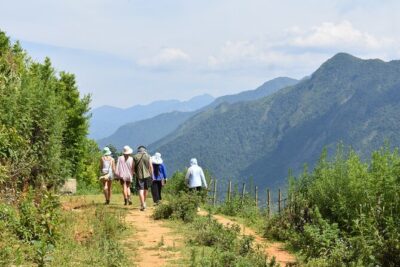
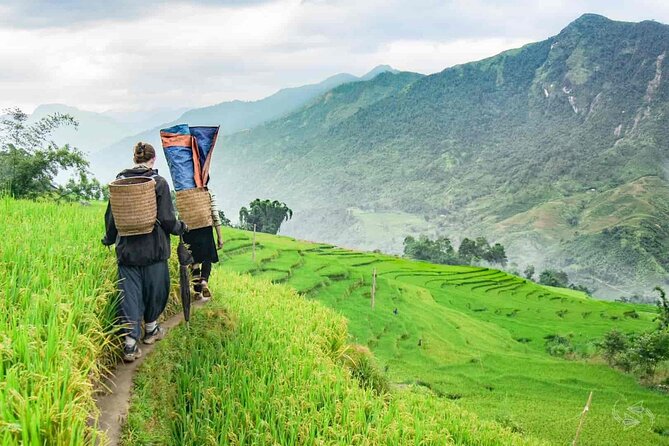
Your first active stretch starts after you arrive in Sapa Town and get oriented. Around early afternoon you’ll have lunch with local Vietnamese dishes and then begin hiking around 14:15. The big value here is that the trek follows the classic Sapa corridor—rice terraces, stream views, and villages connected by footpaths.
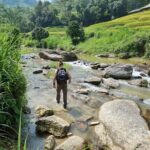
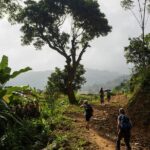
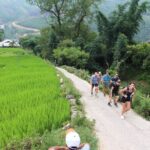
The route typically begins at Y Linh Ho, then continues through rice terraces and along the Muong Hoa Stream. You’ll pass into the Lao Chai area, described here as a Black Hmong village, and you’ll be walking toward Ta Van in the late afternoon window. Those transitions matter because you don’t just get one view—you get a sequence: cultivated fields, the “valley corridor” feel of the stream, then village scenery as the light shifts.
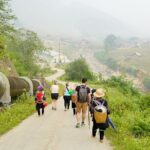
You’re looking at about 9 km over roughly 3.5 hours on day one. That’s a meaningful walk, but it’s not an all-day slog. If you consider yourself moderately fit, this is usually a sweet spot for experiencing Sapa without needing technical hiking skills.
What I like about this day is the shape of it. You’re outdoors enough to feel the effort, but you’re not so rushed that you lose the chance to look around, take photos, and slow down when you want. You’ll reach Ta Van Village later, where Giay people are associated with the area, and that sets up your overnight.
Drawback to keep in mind: day one is the longer day. If you’re worried about stamina, plan to slow your pace on the climbs and treat stops as part of the trek—not a failure to “keep up.” Your knees will thank you.
The Tavan Village Homestay: Real Family Time, Simple Comfort
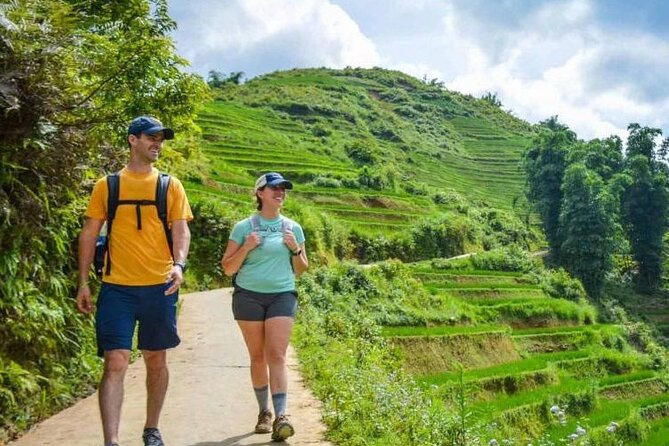
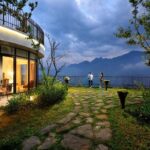
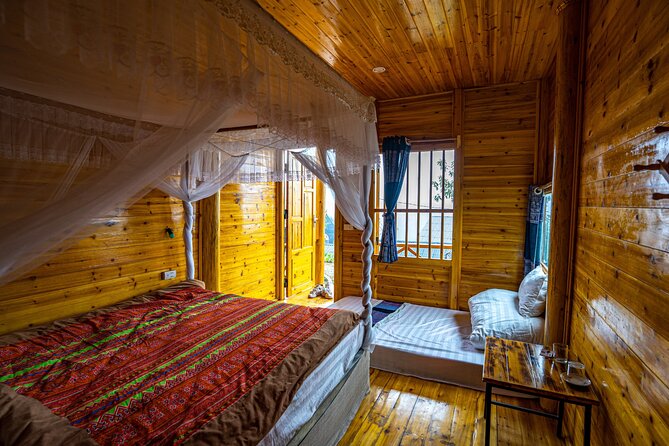
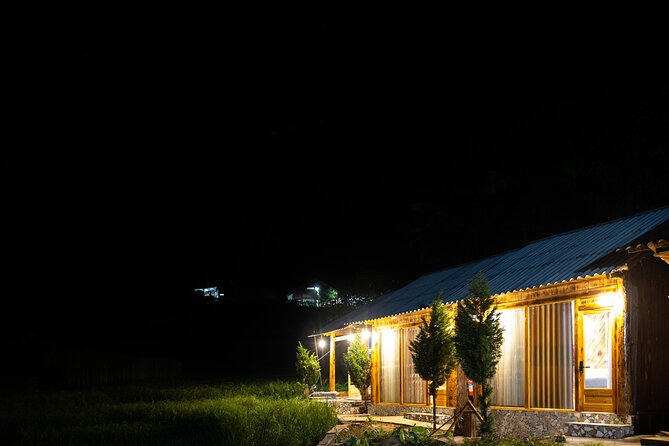
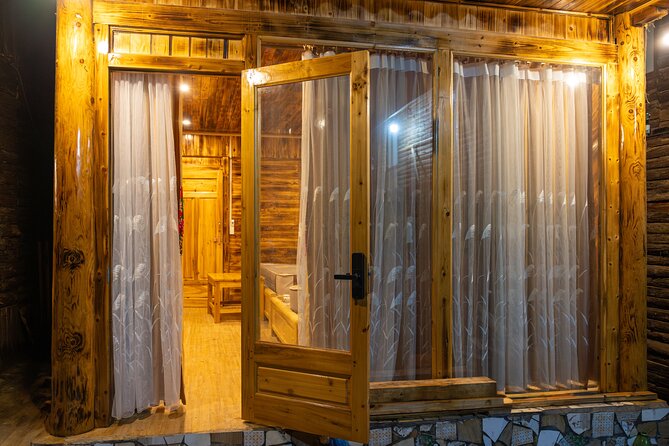
Check-in is around 17:45, and then you settle in with a family connected to the Dzay community. This is the part you come for if you want more than a photo stop: you’re staying in a bungalow or wooden stilt house right in the village setting.
Homestay quality can vary because it’s family-run, not hotel-run, and the tour doesn’t promise luxury. But you do get a few comfort supports: breakfast and dinner are included, there’s Wi‑Fi available at the home stay, and you’re not expected to manage the logistics of getting there and back.
What makes this overnight worthwhile is the way it changes your timing. When day visitors leave, you’re still there. That means you can enjoy quieter village moments, watch how daily life looks in the evening, and get a more grounded sense of how people live around the hills and fields.
You’ll have sunset downtime and family introductions. The tour description also hints at extra village moments in the evening, though the exact activity can depend on what the family has planned that day. Either way, I’d treat the night as a chance to be present: chat, ask simple questions, and be curious about food and daily routine.
Day Two Morning: Cooking Class, Family Breakfast, Then Rice Paddies
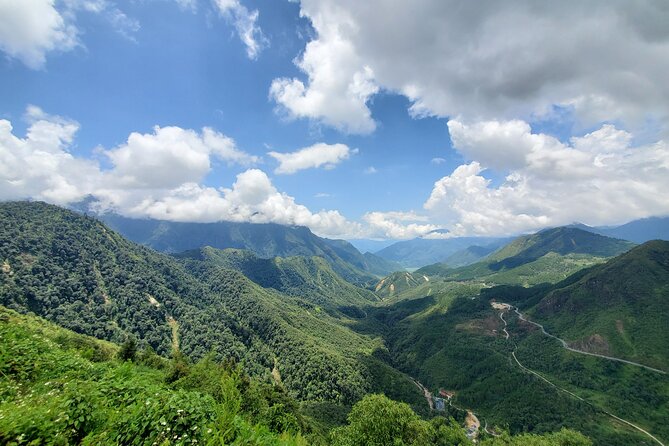
Day two starts with a cooking class at about 7:00. This isn’t just a “watch and clap” style stop. You can learn how to make foods like pho and nem cuốn (fresh spring rolls). That hands-on part is genuinely one of the best value pieces of the tour because it turns the trip into something you carry home—not just photos.
Breakfast is then prepared by the family around 8:00. This is also part of why homestay works better than a quick bus-and-tea schedule. You eat what people know how to cook well, in the place where they cook it.
After that, you head out again with a shorter trek. The next walking block goes toward rice paddies, then through a bamboo forest, with a stop for a panorama view of the Giang Ta Chai area. Giang Ta Chai is described as home to red Dzao people, so you’re not only walking through nature—you’re moving through a specific cultural setting.
The distance is about 4 km over around 2 hours. That makes day two feel more manageable, especially after day one. If you’ve been nursing your energy level, this is the day where you get your legs back.
Giang Ta Chai: Photo Stops, Bridge Crossing, and the Main Road Exit
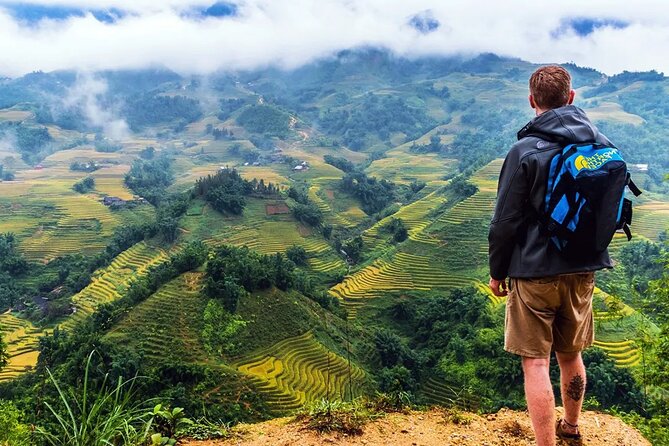
The bamboo forest section is one of those “I’m glad we walked this part” moments. Without getting too dramatic about it, it tends to cool you down and gives the trek a different texture compared to open terraces.
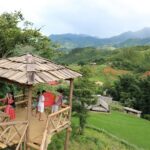
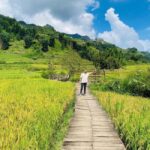
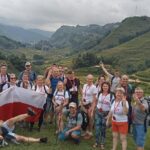
You’ll also get a photo session when you reach the rice paddies, plus a viewpoint stop overlooking Giang Ta Chai. These are not random scenic pull-offs. The route is structured to give you the best angles while keeping the day’s pace realistic.
By late morning you’ll be trekking through the Giang Ta Chai Bridge to reach the main road. Around noon you return to the bungalow, shower, and get ready for lunch. That “reset” matters. After two treks and village walking, a real shower and time to cool off makes the rest of the day feel normal again.
Lunch then runs from about 12:30 to 13:30. You’re not stuck eating on the move, and that’s a practical upgrade compared with tours that keep you on the trail until the last second.


Free Time in Sapa and the Return to Hanoi: Manageable, Not Rushed
After lunch, the bus picks you up and brings you back to Sapa Town around 13:30. You’ll then have a window from about 14:00 to 15:00 to walk around town or shop.
This free time is useful for two reasons. First, it gives you a chance to buy small snacks or bottled water if you need it—since beverages aren’t included in the tour package. Second, it lets you get out of trekking mode and handle any last-minute photos or errands without stress.
Around 15:00 you meet the group at the bus station, then leave for Hanoi at about 15:30. There are two rest stops on the way back, and you arrive in Hanoi around 21:30. That schedule is long, but it’s a normal end point for a two-day program that starts early.
If you get motion sickness, consider bringing what works for you ahead of time. Even with AC, road time can be a lot, and you don’t want to spend the final evening feeling sick.
Price and Value: Why $52 Often Beats the Night Train
This tour costs $52 for about two days, and the pitch is clear: it’s cheaper than doing the same basic region experience through a night train or more expensive trekking packages.
Here’s how I’d judge value honestly. You’re paying for a full transport bundle (AC bus round-trip from Hanoi), an English-speaking guide, entrance tickets, two meals across the homestay night plus lunches on both days, and basic in-trip comforts like Wi‑Fi and water bottles. For a trek that covers two different village areas and includes a cooking class, $52 can look like a strong deal—especially if you’re traveling on a budget.
What you should subtract from the headline price: beverages aren’t included, travel insurance isn’t included, and VAT isn’t included. Also, on public holidays there’s a $30 surcharge paid onsite. If your trip overlaps a holiday, you should plan for that added cost.
Still, if you can handle the trekking days and want a genuine village overnight, the price-to-experience ratio is usually why people choose it over more complex rail options.
Who This Tour Fits Best (and Who Should Skip It)
This is a good fit if you want:
- A full village overnight rather than a quick stop.
- Two organized treks with set durations and clear village goals.
- A tour structure that handles guide, meals, and basic transfers.
- Moderate fitness, not extreme hiking.
It’s less ideal if you:
- Have very low tolerance for cold waiting or unclear pickup timing.
- Expect a luxury hotel experience at the homestay (it’s bungalow/stilt-house style).
- Want nonstop comfort and no trekking effort.
Group size matters too. With a maximum of 20, you should feel like you’re part of a manageable group rather than a crowd. That typically helps on photo stops and during cooking class, where you don’t want everyone packed in too tightly.
Should You Book This 2-Day Sapa Trek to Tavan Village?
If your goal is a real Sapa village night plus two days of walking, I think this is a sensible booking choice. The included AC bus, English guide, homestay meals, and cooking class make it more than a simple trekking day trip. At $52, you’re usually paying less than the classic night-train route while still getting structured support.
But book with eyes open. Bring warm layers, plan for the possibility that the bus transfer experience could feel less “tour-only” than you hoped, and don’t assume beverages will be covered. If you’re comfortable with a moderately challenging trek and you like the idea of learning food and walking through village areas like Lao Chai and Giang Ta Chai, you’ll likely find this very satisfying.
FAQ
What does the tour include?
It includes breakfast, dinner, and lunches (2), transport by modern air-conditioned bus from Hanoi to Sapa and back, 2 bottles of water per person for both ways, an English-speaking tour guide, homestay in a bungalow or wooden stilt house, entrance tickets, and free Wi‑Fi on the bus and at the home stay.
Where is pickup in Hanoi?
Pickup is offered from hotels in the Hanoi Old Quarter area.
How long is the trek on day one?
Day one includes a trek of about 9 km lasting around 3.5 hours, covering Y Linh Ho, rice terraces, the Muong Hoa Stream, Lao Chai (Black Hmong village), and toward Ta Van.
How long is the trek on day two?
Day two includes a trek of about 4 km lasting around 2 hours, including rice paddies, a bamboo forest, and a viewpoint around Giang Ta Chai, with more walking toward the bridge area.
What kind of overnight stay is provided?
You stay in a bungalow or wooden stilt house in or near Tavan Village with a family.
Is there a cooking class?
Yes. On day two at around 7:00 you can join a cooking class to learn items like pho and nem cuốn.
Is Wi‑Fi available?
Wi‑Fi is provided free on the bus and at the home stay.
How many people are in the group?
The tour has a maximum of 20 travelers.
What is not included in the price?
Not included are beverages, travel insurance, VAT, and personal expenses. There may also be a $30 public holiday surcharge payable onsite.
When do you return to Hanoi?
The bus leaves Sapa around 15:30 and you arrive back in Hanoi around 21:30, with two rest stops along the way.
Is cancellation free?
Yes, you can cancel for a full refund if you cancel at least 24 hours in advance of the experience start time.