REVIEW · HANOI
From Hanoi: 2-Day Sapa Trekking Trip with Homestay & Meals
Book on GetYourGuide →Operated by Vietnam Real Tour · Bookable on GetYourGuide
Sapa feels personal on this homestay trek. You’re up early from Hanoi, hiking through villages like Lao Chai and Ta Van, then sleeping in a local home where you cook with your host. The tradeoff is real-life homestay basics: expect shared bathroom arrangements and a trail that can get slick and muddy.
What I like most is how the walk connects you to daily rural life, not just scenery. And I love that you’re not stuck on a bus—your evening is spent with the family, including cooking time and a shared meal. For many people, that’s the whole reason to come.
In This Review
- Key Things You’ll Notice on This Sapa Homestay Trek
- Hanoi to Sapa: The Early Start That Makes the Hike Worth It
- Day 1 in Sapa: Lao Chai to Ta Van, Rice Terraces, and a Waterfall Break
- Arriving at the Homestay: How the Evening Turns Into the Real Story
- Day 2 Options From Ta Van: Bamboo Forest Hiking or More Village Walking
- What Makes the Hikes Memorable (Beyond the Usual Views)
- Homestay Comfort: Rooms, Showers, and the Bathroom Reality
- Food on the Trail: Meals You Share, Not Just Eat
- What to Pack: The Trek-Ready Checklist That Saves You
- Fitness and Safety: Who Should Choose This Trek
- Value for $71: What You’re Really Getting
- The Social Side: Village Interactions and Small-Market Moments
- Who This Sapa Trek Is Best For
- Should You Book This Sapa Homestay Trek From Hanoi?
- FAQ
- FAQ
- What time is pickup from Hanoi?
- How long is the trip?
- What transportation is included?
- Where do you hike on day 1?
- Is day 2 hiking optional?
- What meals are included?
- Do I cook with the host?
- What should I bring for the trek?
- What’s the homestay bathroom situation?
- Who isn’t this tour suitable for?
- Is cancellation free?
Key Things You’ll Notice on This Sapa Homestay Trek
- You sleep like a guest inside a real local home, not in a hotel bubble
- A 12-kilometer guided day 1 hike through rice, corn, and potato fields
- A waterfall stop that breaks up the walking day and adds that wow moment
- Day 2 gives you a real choice: bamboo forest or more village hiking
- Group bonding happens naturally through shared meals and downtime in the village
- The trail conditions matter—good shoes are the difference between fun and slipping
Hanoi to Sapa: The Early Start That Makes the Hike Worth It
This trip runs on a schedule that’s made for the mountains, not for late mornings. You’ll get picked up in Hanoi’s Old Quarter between 6:00 and 6:45am, then transfer to an air-conditioned sleeper bus for the ride to Sapa.
Once you arrive in Sapa town, you don’t waste time. A local guide meets you and you head straight for lunch, so your first real “Sapa moment” lands before the afternoon turns into a shuffle.
The sleeper bus is one of those underrated parts of the deal. You’re traveling overnight-style without the stress of airport timing, and you arrive with enough energy to start hiking the same day.
You can also read our reviews of more tours and experiences in Hanoi.
Day 1 in Sapa: Lao Chai to Ta Van, Rice Terraces, and a Waterfall Break
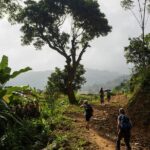
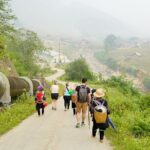
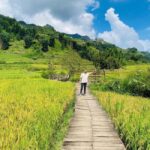
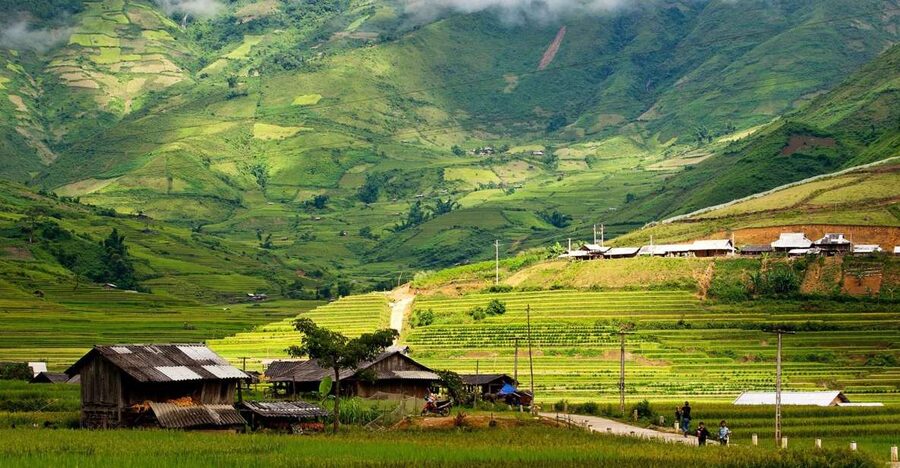
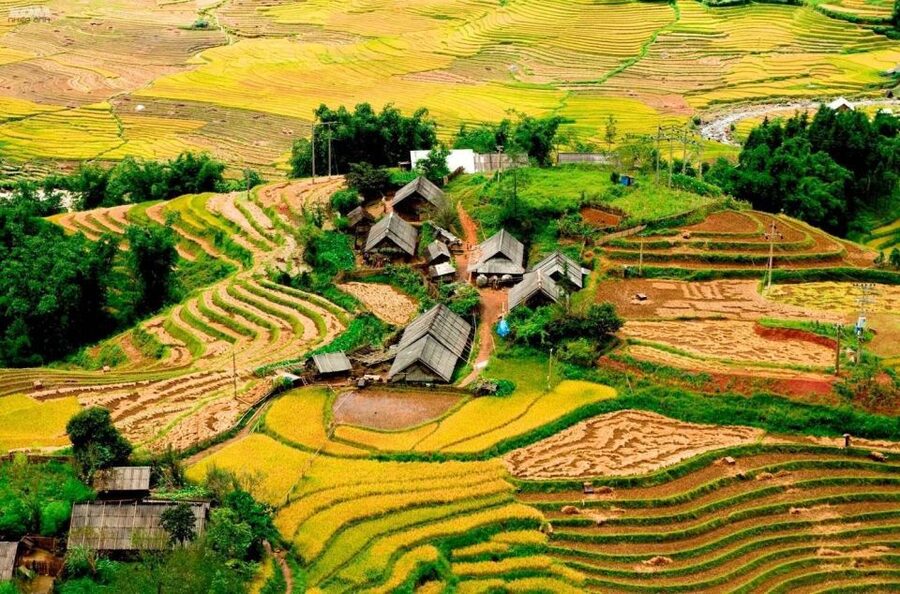
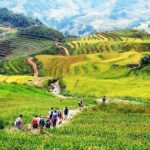
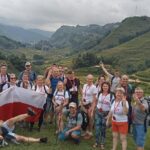
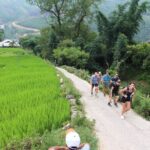
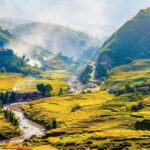
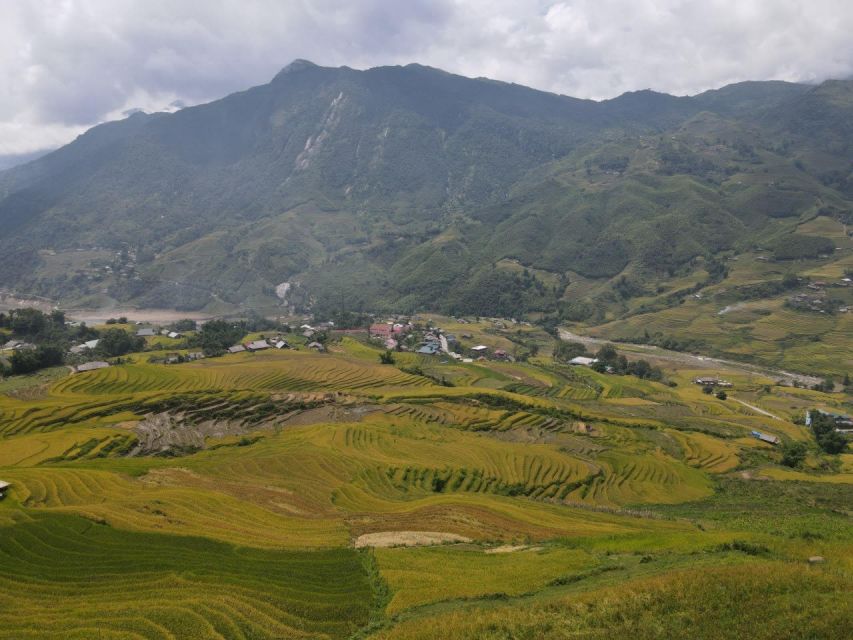
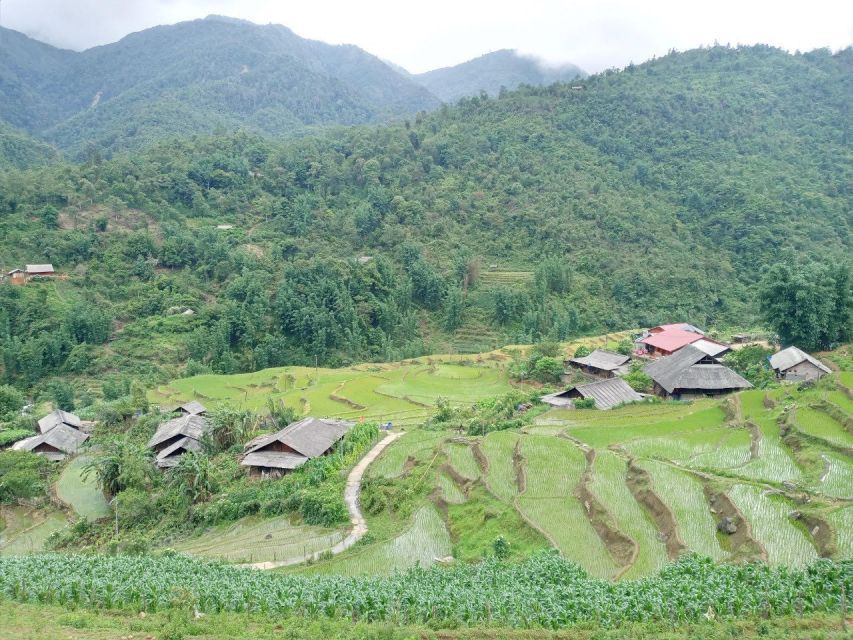
Your first big hiking day is built around getting from Sapa’s town edge into the farming villages. You’ll go on a 12-kilometer guided walk passing through areas like Y Linh Ho, Lao Chai, and Ta Van. Along the way, you’ll see rice terraces and also sections with corn and potato fields—so the hills don’t look identical the whole time.
This is also where the Sapa texture shows up. Paths can be uneven, and when it’s wet the trail turns into slippery clay. The tour is straightforward hiking, but it rewards smart footwear and steady pacing.
A nice rhythm moment is the waterfall stop. You get a breather, you reset your legs, and you break up the long stretch of walking before you reach the homestay.
You’ll also meet local H’Mong people along the way. It’s not a museum stop; it’s conversation and context about customs and daily life—exactly the kind of learning that stays with you longer than photos.
Arriving at the Homestay: How the Evening Turns Into the Real Story
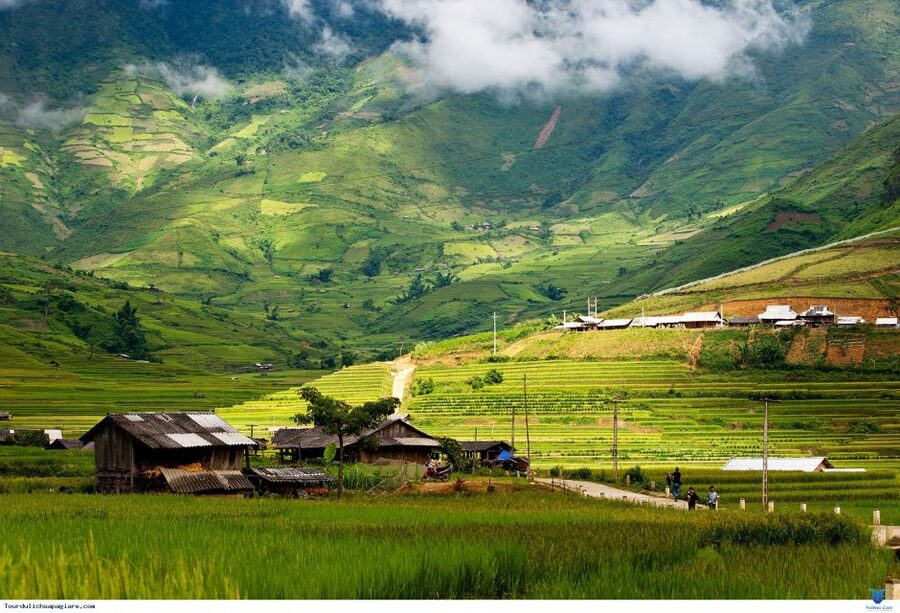
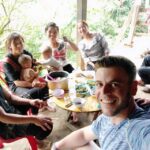
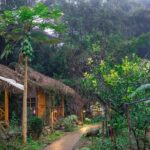
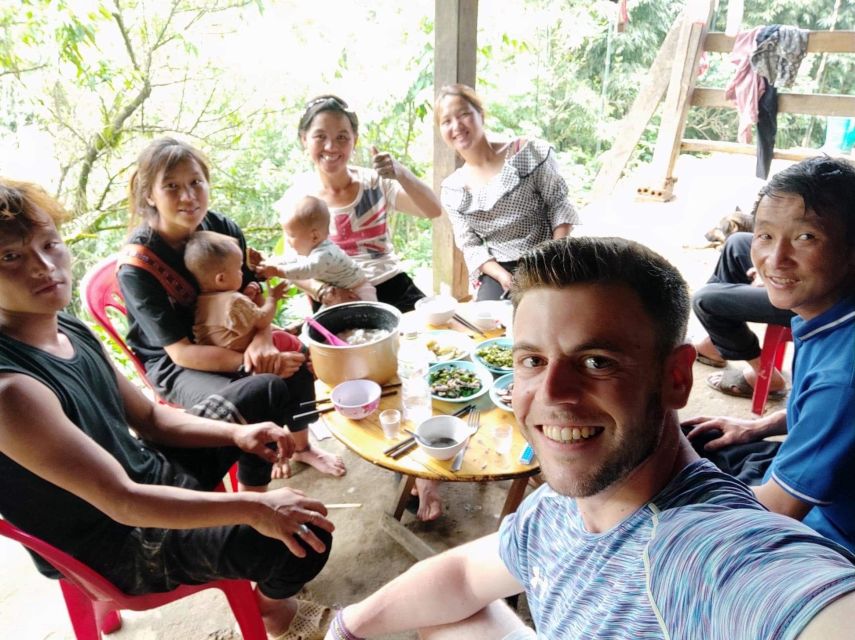
Once you reach your guide’s house, you’re welcomed like you’re part of the family routine. This is one of the strongest parts of the experience, because you’re not just watching village life—you’re taking your place inside it for a night.
Dinner can include cooking together with your host. That’s not just for entertainment value. When you help prep or cook, you understand why certain ingredients and flavors make sense for a mountain farming household.
One practical detail: homestays use shared bathroom arrangements like locals do. You should treat this as part of the cultural experience, not a problem to solve. If you go in expecting it, you’ll enjoy the whole vibe more.
Evening energy can be surprisingly fun. In the accounts I’ve seen from this style of homestay (especially with host names like Mama Zuzu and Mama Leto), you might end up with extra group moments like shared drinks (often called happy water) and even karaoke. It’s not guaranteed in every situation, but the social side is a real theme here.
Day 2 Options From Ta Van: Bamboo Forest Hiking or More Village Walking
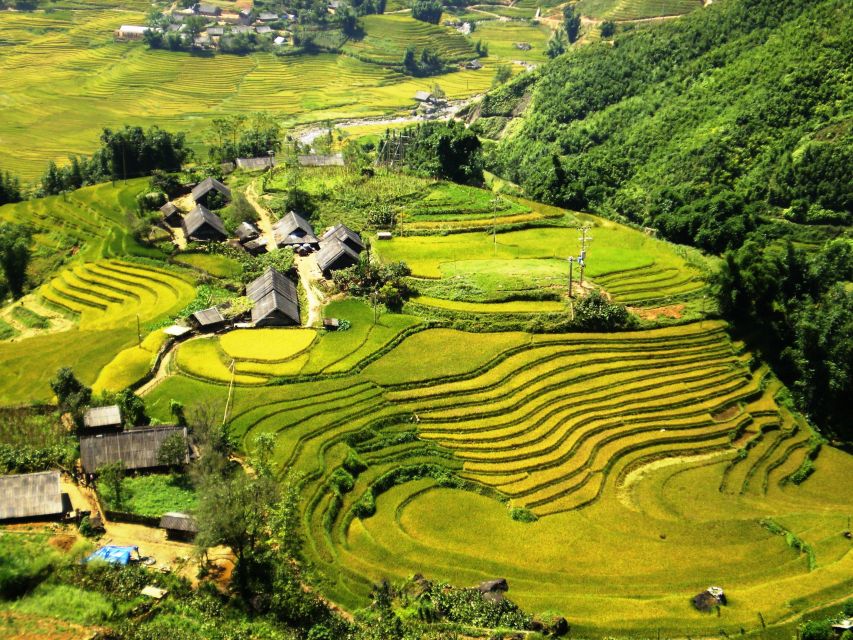
Day 2 starts early again, but in a calmer way. You cook breakfast with your host, so you’re not just waking up and heading out—you’re keeping that family connection going for one more morning.
Then you choose what kind of hiking you want next. You can go toward further villages and possibly take part in field activity like harvesting, planting, or caring for plants. If you prefer a different feel, you can pick the bamboo forest option.
Either choice keeps the tone grounded: you’re moving through working areas, not a paved “attraction path.” And because this is a guided trek, you’re not guessing where to go or how long each segment takes.
After lunch back at a local restaurant, you head back toward Sapa town by shuttle bus. You’ll have a window of free time to explore at your own pace—especially useful if you want to browse the market for small gifts or practical trekking items you forgot.
Then you transfer back to Hanoi on the sleeper bus. The day ends later in the evening with arrival in Hanoi’s Old Quarter area.
What Makes the Hikes Memorable (Beyond the Usual Views)
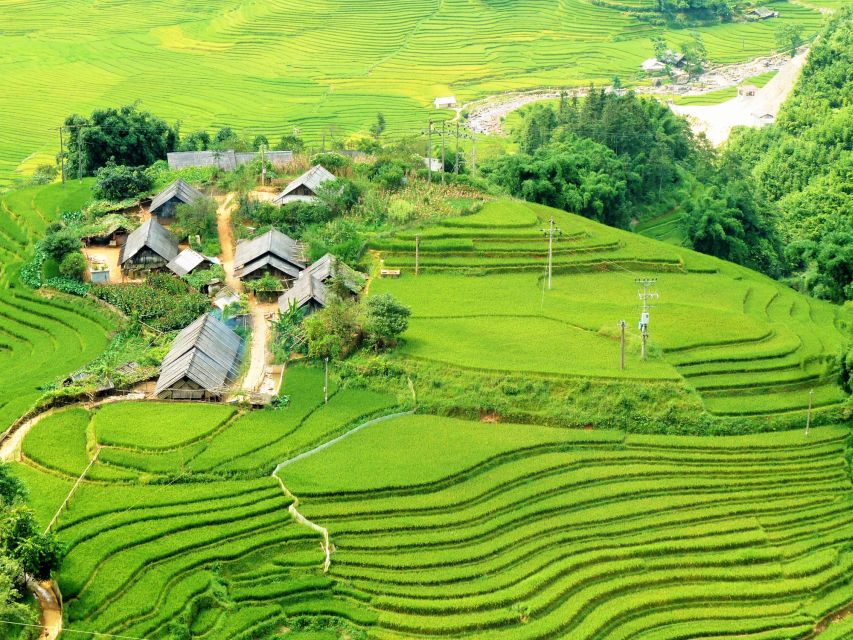
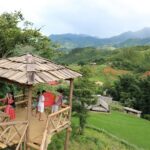
This trip earns its praise because it matches the Sapa “why” with the right pacing. You’re not sprinting between viewpoints. You’re walking through villages and fields where you can actually see daily rhythm: farming, paths connecting homes, and the way people move through the terraced land.
The guided aspect matters too. A local guide helps you understand what you’re seeing and keeps the trek from turning into random wandering. It also helps with safety on steep and slippery stretches.
And the homestay integration changes how you experience the landscape (literally the hills), because your evening is spent in the middle of daily life. You’re eating what’s cooked, learning as questions come up, and resting after a day of physical effort instead of rushing to another check-in.
If you love nature photos, this delivers. If you love learning how people live, it delivers harder.

Homestay Comfort: Rooms, Showers, and the Bathroom Reality
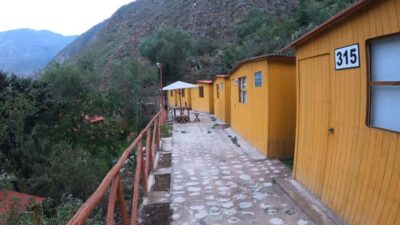
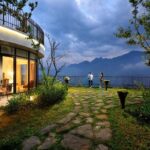
Homestay comfort in Sapa can vary, so set expectations realistically. Most nights include basic sleeping setups inside the home with comfort items like fans and duvets. Some rooms are set up for couples or small groups, and many hosts provide towels and basic toiletries like shampoo and shower gel.
One thing that comes up positively in accounts of this trek is the shower situation. People often mention a warm shower, which makes a huge difference after muddy hiking.
But again—plan around shared facilities. That’s part of the cultural immersion. If your comfort needs are strict, you might find this harder than a standard hotel stay.
Food on the Trail: Meals You Share, Not Just Eat
The package includes 1 dinner, 2 lunches, and 1 breakfast. You’re eating with a guide and host, which changes the feel. Meals become part of the day instead of a break you take in isolation.
On day 1, you start with lunch after arriving in Sapa town, then you eat dinner at the homestay. On day 2, you cook breakfast with your host and have lunch afterward before heading back to Sapa town.
Cooking with your host is a key part of the experience. Several accounts highlight making items like spring rolls, and helping prep dinner adds a hands-on element that turns food into a lesson.
Diet matters. The data doesn’t list formal vegetarian or vegan rules, so don’t assume. Still, a vegan traveler reported their dinner worked out, which suggests the host can often adjust with advance communication. If you have dietary needs, message clearly ahead of time.
What to Pack: The Trek-Ready Checklist That Saves You
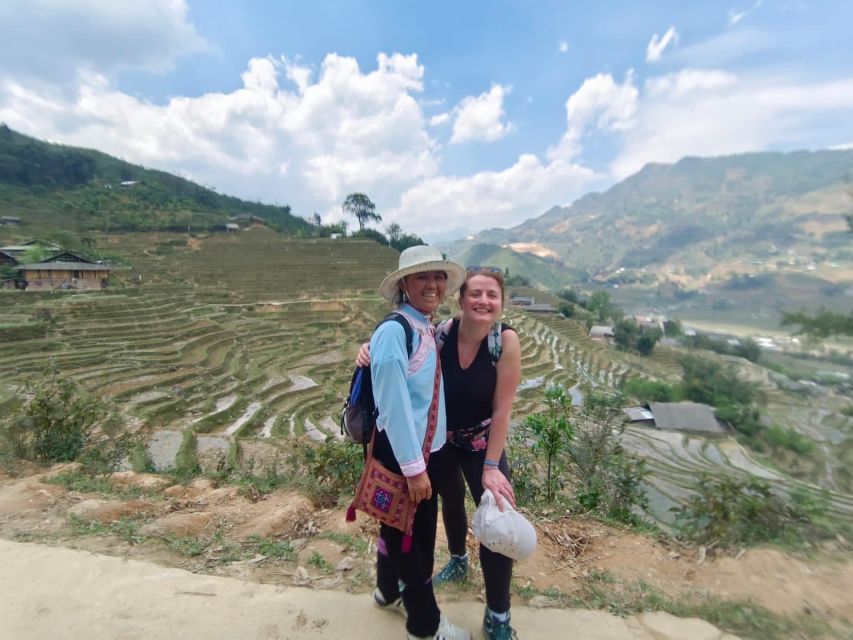
This trek is physical. Even when the routes are described as manageable, the terrain can get slick, steep, and muddy. Pack like you’re hiking, not sightseeing.
Here’s what to bring based on what the trip asks for:
- Sports shoes or proper trekking shoes (important for slippery clay)
- Change of clothes and outdoor clothing you can get dirty
- A jacket and breathable layers
- Water and any drinks you want on top of included meals
- A charged smartphone and a pen
- Cash for small purchases (the market and village interactions can include souvenir stops)
Also bring a little flexibility. Mud on your shoes is part of the deal, especially if weather turns during day 1.
Fitness and Safety: Who Should Choose This Trek
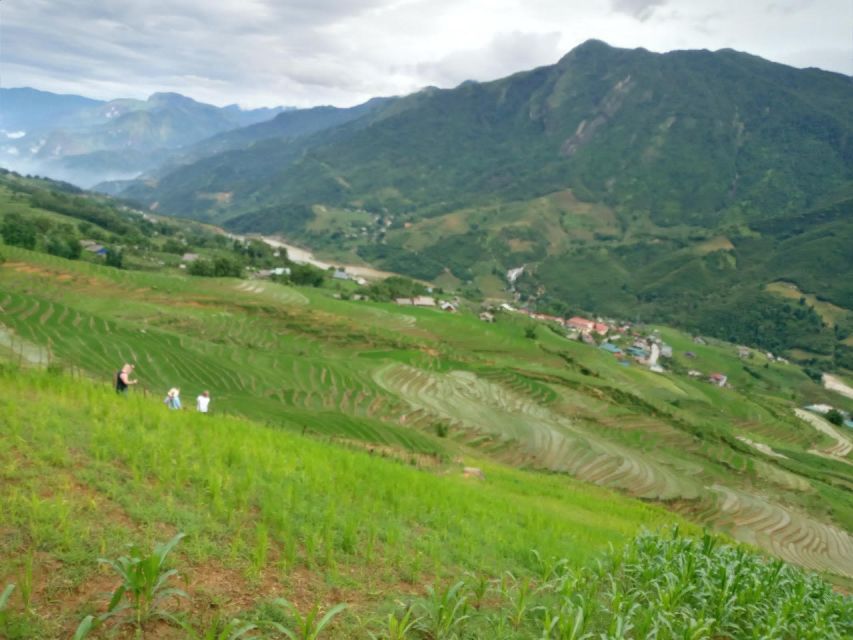
This isn’t a sit-on-a-trail kind of trip. Day 1 includes a long guided hike (12 kilometers), and day 2 includes a second hike that can include steep and uneven terrain.
People with back problems, heart problems, or anyone who needs wheelchair access should skip this one. It’s also not suitable for children under 8 years, and it’s not recommended for pregnant travelers.
Weight and age limits matter too: it’s listed as not suitable for people over 220 lbs (100 kg) and people over 70 years. If you’re in that range, look for a gentler Sapa option.
If you can handle steep hills and a few muddy sections, you’ll likely find it satisfying. When conditions are good, it feels like real adventure. When it rains, it becomes more demanding—but many people say that makes the story even better.
Value for $71: What You’re Really Getting
At $71 per person, you’re paying for more than a “hike ticket.” You’re getting:
- Hanoi pickup and return drop-off in the Old Quarter
- Air-conditioned sleeper bus transportation
- A local guide
- Entrance fees
- Two guided hikes
- Homestay accommodation for one night
- Cooking with the host
- Meals: dinner, 2 lunches, and breakfast
A lot of budget Sapa options give you a day hike and a quick stop somewhere. This one combines transport, guidance, meals, and a night inside the home. That’s why the price can feel fair even when you compare it to tours that only cover the outdoors.
What you should budget separately: travel insurance, personal expenses, and drinks not listed in the plan.
If you like value that shows up in your schedule—time on foot and time in someone’s home—this is a solid deal.
The Social Side: Village Interactions and Small-Market Moments
One thing worth planning for is the human side of hiking in village areas. On the trail, you may be approached by locals who join you and offer help, and those interactions can include souvenir requests at the end. People describe this as persistent, but not usually dramatic.
The key is mindset. Go in with respectful curiosity, and decide your budget in advance for bracelets, scarves, and similar small items. If you don’t want to buy, you can politely decline.
If you do want to support, these purchases can make a small difference. The trick is not letting it hijack your day. Keep moving, keep smiling, and let your guide handle the flow when you need a reset.
Who This Sapa Trek Is Best For
This trek is a great match if you:
- Want an overnight experience, not just a half-day tour
- Enjoy walking through villages and farms more than checking off viewpoints
- Like cooking and shared meals, even if the pace is slower and simpler
- Feel comfortable with basic homestay standards (especially shared bathroom setups)
It’s less ideal if you want a fully private room, strict bathroom privacy, or if you’re dealing with mobility limits.
Should You Book This Sapa Homestay Trek From Hanoi?
If your goal is Sapa with a human heartbeat—fields, villages, and dinner with your host—then yes, I’d book it. The best parts aren’t the copy-paste scenery shots. It’s the guided hiking through Lao Chai and Ta Van, the waterfall break, and the way your evening becomes part of local routine.
I’d think twice only if you’re uncomfortable with shared bathroom conditions or if you’re not confident on muddy, uneven trails. If that’s you, there are gentler trekking options in the Sapa area, and paying for comfort can be worth it.
FAQ
FAQ
What time is pickup from Hanoi?
Pickup is included from Hanoi’s Old Quarter between 6:00 and 6:45am. The exact time is confirmed again after booking via email or WhatsApp.
How long is the trip?
The trip runs 2 days (overnight). You’ll see starting times based on availability.
What transportation is included?
You’ll travel by an air-conditioned sleeper bus. Pickup and drop-off are handled in Hanoi’s Old Quarter.
Where do you hike on day 1?
On day 1, the guided walk covers about 12 kilometers and passes through areas including Y Linh Ho, Lao Chai, and Ta Van, with a waterfall stop along the way.
Is day 2 hiking optional?
Yes. On day 2, you can choose between hiking to further villages or taking a hike to a bamboo forest.
What meals are included?
Meals included are 1 dinner, 2 lunches, and 1 breakfast. Cooking with your host is part of the experience.
Do I cook with the host?
Yes. You get cooking time with your host during the homestay, including dinner preparation moments and breakfast cooking on day 2.
What should I bring for the trek?
Bring change of clothes, water, a jacket, breathable clothing, sports or trekking shoes, outdoor clothing that can get dirty, a charged smartphone, cash, and a pen.
What’s the homestay bathroom situation?
You’ll be sharing the bathroom in a way that matches local daily life, as described in the trip notes.
Who isn’t this tour suitable for?
It isn’t suitable for children under 8, pregnant women, people with back problems, people with heart problems, wheelchair users, people over 220 lbs (100 kg), and people over 70 years.
Is cancellation free?
Free cancellation is available up to 24 hours in advance for a full refund.