REVIEW · KATHMANDU
Langtang Trek from Kathmandu 7 Days
Book on Viator →Operated by My Dream Adventure (MDA) · Bookable on Viator
Langtang Valley is the trek that feels both wild and manageable. This 7-day route mixes real village life with big mountain scenery, from Tamang and Sherpa communities to monastery stops like Kyanjin Gompa. You’ll also walk through forests of oak and rhododendron along the Langtang Khola, so you’re not just hiking at clouds and rocks.
What I like most is the way the logistics are handled: hotel pickup/drop-off, round-trip transfer, and an English-speaking guide who keeps the trek organized. I also like that you get lodge accommodation instead of camping, which makes the trip more doable for moderate fitness levels without turning it into a “survive the elements” project.
One consideration: you will climb to high altitude (including around 4,700 meters for Kyajin Ri), so you’ll want to take the pace seriously and pack smart for cold nights and thinner air.
In This Review
- Key things worth knowing before you go
- From Kathmandu to Syabrubesi: Getting to the trail without drama
- Following the Langtang Khola: Forest hiking that stays fun
- Langtang Village: Where culture feels like part of the walk
- Kyanjin Ri and Kyanjin Gompa: Crisp air and calm stone
- Kyajin Ri summit day: High views without chaotic logistics
- The descent to Syabrubesi and the return to Kathmandu
- Price and what you’re really getting for $410
- Who this trek suits best
- Practical tips that keep the week comfortable
- Should you book this Langtang Trek from Kathmandu?
- FAQ
- How long is the Langtang Trek from Kathmandu?
- What does the tour cost?
- Is pickup included in the package?
- How do you travel between Kathmandu and the trek start?
- Do I need a trekking permit and TIMS card?
- Will I have an English-speaking guide?
- Where do we stay during the trek?
- Is it a private tour?
- What is the cancellation policy?
- What fitness level is needed?
Key things worth knowing before you go
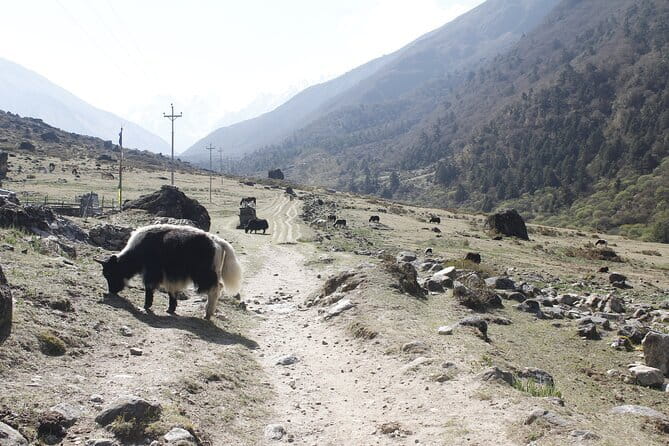
- Private for your group, shared bus for transfers: you trek together as your group, while the road transfer uses a sharing local bus.
- Permits handled with your passport + photo: you’ll need your passport details and a selfie/photo to issue the trekking permit and TIMS card.
- Kyanjin Gompa is a standout spiritual stop: you’ll visit a Buddhist monastery around 3,800 meters.
- A gradual, forest-to-alpine-feel route: the trek is designed for moderate fitness, with a steady climb and varied terrain.
- Lodge stays make it practical: you sleep in lodges during the trek rather than carrying tents.
From Kathmandu to Syabrubesi: Getting to the trail without drama
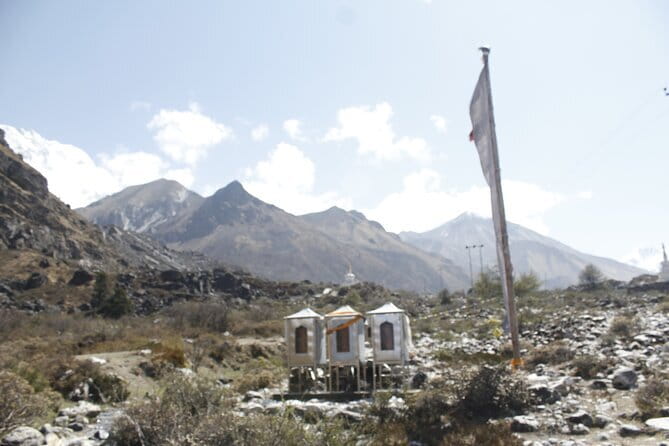
Your trip starts in Kathmandu with pickup and drop-off included, which matters more than it sounds. Kathmandu traffic can turn a calm plan into a stressful one, so having a driver-ready start helps you get on the road early and keep the day from slipping.
The first big move is the drive to Syabrubesi. Expect a full day of travel energy—plan on roughly 7 hours—with a sharing local bus for the transfer. You’ll end in Syabrubesi, with lodging at the Hotel Garden inn Shyfru Bensi listed as the stop. This is a good setup because you’re not trying to reach deep trail hours the same day you’re arriving from Kathmandu.
I also like that the itinerary builds in a real rhythm. Day 1 gets you to the start point. Day 2 begins the walking. That simple sequencing helps you settle before your body starts working uphill.
Quick practical note: the trek permit requires passport details and a photo (a selfie works). If you wait until the last minute, that’s when you’ll feel it.
You can also read our reviews of more tours and experiences in Kathmandu.
Following the Langtang Khola: Forest hiking that stays fun
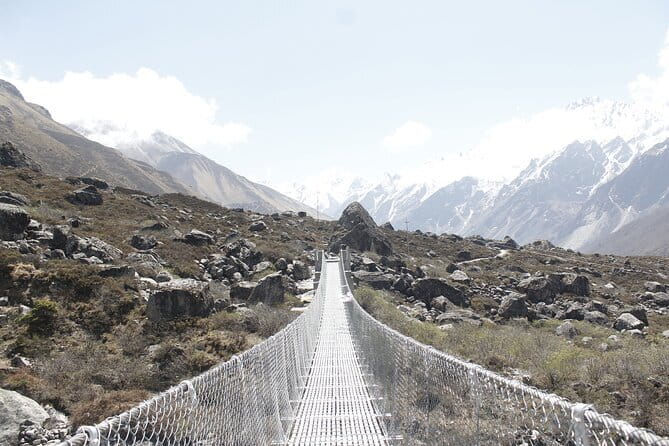
Once you hit the trek proper, Day 2 is about your first real sense of place: you follow the trail alongside the Langtang Khola. The route is clearly marked and gives you frequent visuals—think rushing river sounds, plus lush greenery that makes the hours feel less grindy.
This day takes about 6 hours. For many people, it’s the “I can do this” stretch: enough walking to start building momentum, but still within a manageable effort. You’re also easing into the altitude instead of jumping straight into cold, high air.
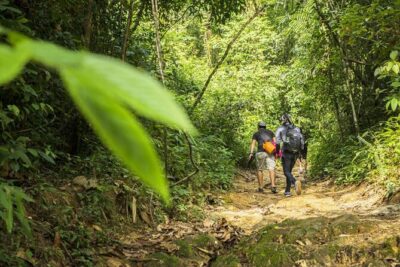
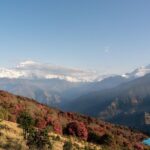
What makes this part special is the setting. The broader Langtang region is described as full of forests of oak and rhododendron, and that matches what you’ll experience in practice: the trail has shade, texture, and constant small changes in scenery. It’s the kind of hiking where you notice moss on trees and the smell of wet leaves, not just the next ridge.
Langtang Village: Where culture feels like part of the walk
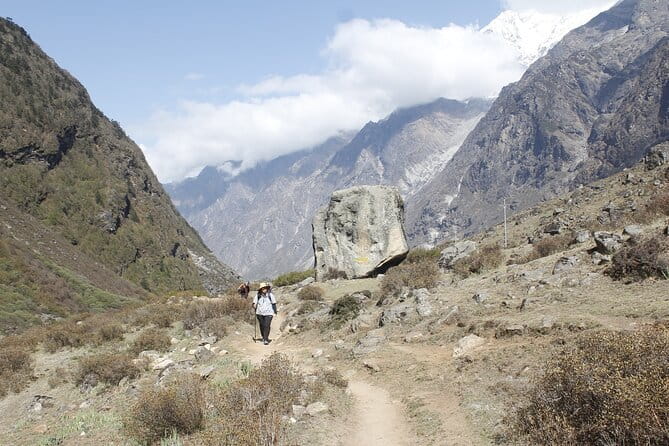
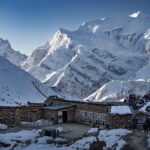
Day 3 continues the trek for about 6 hours and brings you into Langtang Village. This is where the trip stops being only about scenery and starts feeling human.
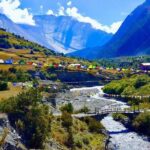
You’ll pass through dense forest with moss-covered trees and rhododendron blooms. Then you reach a village setting tied to Tamang and Sherpa communities. The idea here isn’t to do a “culture show.” It’s more that the trail carries you through daily life—monastery-adjacent spirituality, friendly conversations, and the practical rhythm of village existence.
I value this kind of stop because it changes your pace. Instead of hiking until you’re tired and numb, you get moments where you can slow down—look around, learn a few words, and reset your legs. It makes the trek feel like a journey through a living region, not a checklist of viewpoints.
And yes, there will be plenty of mountain air waiting for you too, but Day 3 gives you the balance. You’ll get views, but you’ll also get the sense that people have been living here in harsh conditions for a long time.
Kyanjin Ri and Kyanjin Gompa: Crisp air and calm stone
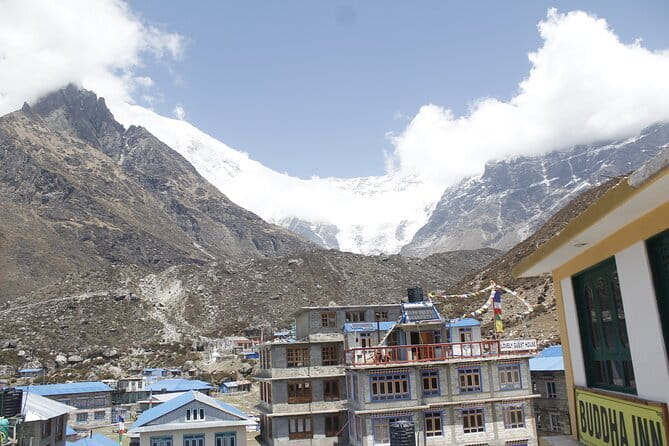
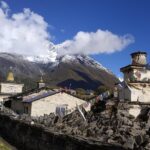
Day 4 is another 6-hour stretch that lifts you higher and makes the air feel sharper. Around the time you’re climbing, you’ll spot Kyanjin Gompa, a serene Buddhist monastery set at about 3,800 meters.
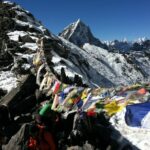
This is one of those stops that’s easy to remember because it doesn’t fight for attention. The stone and prayer spaces create a quiet pocket in a rugged environment. Even if you’re not doing a formal visit, the monastery presence changes how you experience the trek. Your senses shift from “walking” to “noticing.”
The trail around this point tends to feel more dramatic because the valley tightens visually and the sky shows more. You might find the rhythm slowing slightly, partly from altitude and partly from just wanting time to take in what’s in front of you.
If you’re traveling with someone who’s on the fence about mountain treks, this is a great day to show them what the effort buys you. It’s not just height; it’s meaning.
Kyajin Ri summit day: High views without chaotic logistics
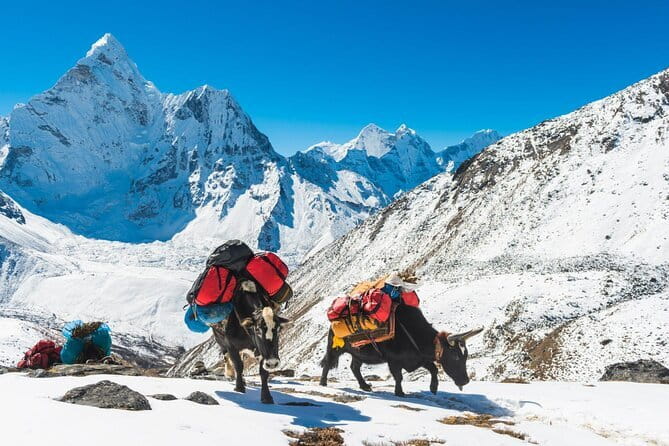
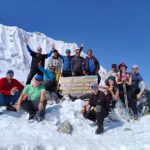
On Day 5, you’ll spend time moving near Kyajin Ri, with the summit described at roughly 4,700 meters (about 15,420 feet). The itinerary shows this as a 6-hour day ending back at Lama Hotel.
That structure is practical. Instead of treating the highest point as a separate marathon day, it folds the summit attempt into a paced round. And returning to Lama Hotel means you’re not stranded at the high end with nowhere to go for the night.
High altitude is where you need to be the boss of your pace. If you start fast, your body will remind you quickly. If you keep it steady, you’ll likely feel better and more clear-headed at the top.
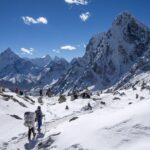
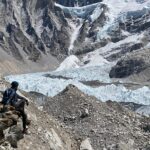
Also, because this trek is positioned for moderate fitness, you should expect “work, but doable.” You may deal with rocky ridges, narrow sections, and occasional steeper bits on this part of the route. This isn’t a flat nature walk, but it also isn’t a technical mountaineering project. The value is the payoff: you get big Himalayan views in a format that doesn’t require advanced climbing skills.
The descent to Syabrubesi and the return to Kathmandu
Day 6 is your downhill day back toward Syabrubesi. It’s listed at about 5–6 hours and includes the kind of scenery people remember: forests, streams, and small local village passages.
Downhills can be tricky in a different way than uphills. Your knees do the thinking now. A slower cadence and good foot placement make a real difference. Plan for it—especially if you’re carrying a heavier day bag.
Then Day 7 ends the trek with the drive back to Kathmandu, about 7–8 hours, finishing near Thamel. This is a nice landing zone because Thamel is where you can finally get warm food, charge your devices, and reset your body after trekking.
I like that the end isn’t vague. You know where you’ll land in Kathmandu, so you’re not scrambling for transport while your legs are still processing the descent.
Price and what you’re really getting for $410
At $410 per person for a ~7-day trek, the biggest value isn’t just the walking. It’s what comes bundled.
Included items cover:
- hotel pickup and drop-off
- round-trip transfer by sharing local bus
- trekking permit and TIMS card
- an English-speaking trekking guide
- lodge accommodation
- private trip arrangement (only your group participates)
You’re not paying extra for the core “make this work” pieces. Permits matter in Nepal, and they’re not something you want to try to sort out on your own at the last minute. You also don’t want to be searching for a guide while you’re already tired from travel.
The main extra cost category is personal expenses. That means meals, hot drinks, snacks, and any small purchases are on you. The route uses lodges, so you’ll have places to eat, but you still need to budget for what you personally consume and any gear upgrades you realize you need.
One more practical point: group discounts are mentioned, plus the trek offers a mobile ticket. So if you’re traveling with friends, there’s a chance the overall arrangement stays better value than many “solo-feel” treks.
Who this trek suits best
This is aimed at travelers with moderate fitness. The trek is described as more accessible than the most extreme Himalayan routes, with gradual ascent through forests, alpine meadows, and high ridges. That’s the right mix for many first-time trekkers who want genuine mountain experience without turning it into a survival test.
It also suits groups who value service and structure:
- If you want an English-speaking guide and permit help, this fits.
- If you want lodge stays instead of camping, you’ll like the practicality.
- If you want to trek as your group (private trip) while still using a sharing bus, that balance can be ideal.
It may not be the best match if you’re looking for a super-fast “maximum mileage” challenge, or if you dislike altitude hikes. Even with a moderate pace, you still climb to areas around 3,800 meters and up to about 4,700 meters.
Practical tips that keep the week comfortable
A few things you should plan for based on how this itinerary runs and the altitudes it includes:
1) Pack for cold nights, not just cold mornings.
Even on a “manageable” trek, higher altitude nights can feel sharp. Your body sleeps differently up high. Bring layers you can adjust easily.
2) Take Kyajin Ri day seriously.
At around 4,700 meters, you don’t need hero moves. You need steady steps and calm breathing. If you feel off, slow down earlier rather than forcing it.
3) Hydrate even when you don’t feel thirsty.
Altitude can reduce your appetite for water. Make it a habit to drink regularly, especially on ascent days.
4) Keep your day bag simple.
You’ll want room for layers, water, and snacks, but you also don’t want extra weight pulling you down on steeper or narrower sections.
5) Sort your documents early.
You’ll need passport details and a photo (selfie also works) for your trekking permit. Fast paperwork prevents last-minute stress.
Should you book this Langtang Trek from Kathmandu?
I’d book this trek if you want a week in Langtang Valley that balances real mountain scenery with straightforward logistics. The standout pieces for me are the English-speaking guide, the lodge accommodation that keeps things practical, and the Kyanjin Gompa / Kyajin Ri combination that delivers both spiritual calm and serious high-view rewards.
Choose another option if your priority is a very technical climbing experience, or if you strongly dislike altitude. This trek is built for moderate fitness, not advanced mountaineering.
If you’re trying to get your first solid Himalayan trek under your belt, this one has a clear path, sensible pacing, and service that reduces the stress points.
FAQ
How long is the Langtang Trek from Kathmandu?
The trek is listed as about 7 days (approx.).
What does the tour cost?
The price is $410.00 per person.
Is pickup included in the package?
Yes. Hotel pickup and drop off are included.
How do you travel between Kathmandu and the trek start?
You use round trip transfer by a sharing local bus.
Do I need a trekking permit and TIMS card?
Yes. The package includes the trekking permit and TIMS card, but you must provide passport details and a photo (a selfie works) to issue the permit.
Will I have an English-speaking guide?
Yes. An English speaking trekking guide is included.
Where do we stay during the trek?
You stay in lodges during the trek.
Is it a private tour?
It is a private trip where only your group participates.
What is the cancellation policy?
Free cancellation is offered. You can cancel up to 24 hours in advance for a full refund.
What fitness level is needed?
The tour is geared toward travelers with moderate physical fitness.