REVIEW · KATHMANDU
Everest Base Camp trek – 16 days
Book on Viator →Operated by Kailash Himalaya Trek - Your friend in the Himalaya · Bookable on Viator
Everest feels closer when logistics get handled. This 16-day Everest Base Camp trek from Kathmandu keeps the focus on walking and views, with full porterage and a dedicated guide so you’re not stuck figuring out day-to-day travel. The route is built around Sherpa hubs like Namche Bazaar, the famous Tengboche monastery, and a high viewpoint at Kala Pattar (5545m).
What I like most is the balance: you get proper organization on the ground, plus simple mountain nights in guesthouses during the trekking portion. You’ll also have 3 centrally located hotel nights in Kathmandu with breakfast before you head out, which makes the whole start feel less chaotic. One important consideration: this trip reaches up to 5545m, and it isn’t a good fit if you have lung problems or you’re not ready for sustained altitude walking.
In This Review
- Key Things I’d Put on Your Radar
- Kathmandu First: Thamel, Hotels, and a Smooth Start
- The 16-Day Format: How This Trip Is Built
- Trek Days With Full Porterage: What You Really Gain
- Namche Bazaar: Sherpa Heartland Meets Real Altitude
- Tengboche Monastery: A Hilltop Reset for the Mind
- Kala Pattar (5545m): The Altitude Max and the View Payoff
- Guesthouses on the Trail: Simple Nights, Real Logistics
- Guides and Porters: The Names Worth Remembering
- Price and Value: What $1,794.88 Actually Buys
- Who This Everest Base Camp Trek Fits Best
- Should You Book This Everest Base Camp Trek?
- FAQ
- How long is the Everest Base Camp trek?
- What is the highest altitude on this trek?
- What’s included in the price?
- Are meals in Kathmandu included?
- Do you provide porterage?
- What kind of accommodations are used?
- Where do you meet in Kathmandu?
- What’s the cancellation policy?
- Is the trek dependent on weather?
Key Things I’d Put on Your Radar
- Full porterage on the walking days means you’re carrying less while still hiking 13 days on the trail.
- Kala Pattar (5545m) is the altitude max, so you get a realistic sense of how high Nepal really is.
- Tengboche monastery stop gives you a spiritual Sherpa-world moment with hilltop views.
- Namche Bazaar in Sherpa heartland helps you break the trek into culture as well as scenery.
- 3 meals during the trek cuts down on decision fatigue and lets you focus on pacing.
- Dedicated guide and staff insurance add peace of mind when weather and altitude play games.
Kathmandu First: Thamel, Hotels, and a Smooth Start
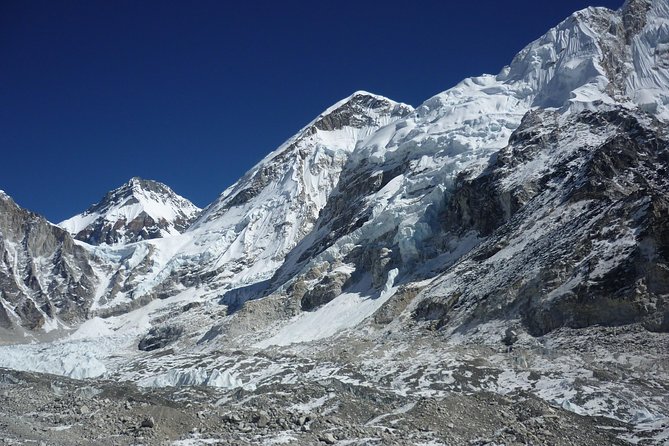
Your trek begins in Kathmandu with pickup and transfers, meeting you in Thamel (the classic base-camp neighborhood with easy access and plenty around). Day 1 is arrival plus a free evening, so you can get your bearings fast, grab any basics you forgot, and eat something familiar before the mountain schedule starts.
The trip includes 3 centrally located Kathmandu hotel nights with breakfast. That’s a meaningful value piece, because Kathmandu nights can either feel like a stress test or a proper reset. Having breakfast included also matters: it means you can plan your morning without hunting for food, especially once your timeline gets tighter.
If you’re the type who likes to walk a lot on day one (but not too much), Kathmandu gives you the option to do a light roam in the evening. If you prefer to keep it quiet, you can still use the time to confirm your packing and breathing game plan before trekking begins.
You can also read our reviews of more tours and experiences in Kathmandu.
The 16-Day Format: How This Trip Is Built
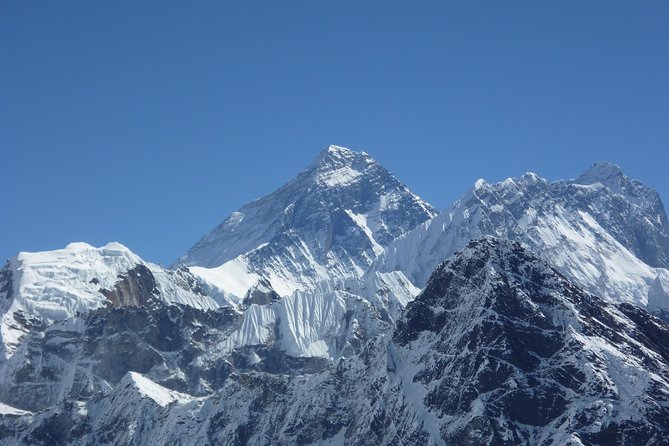
This is a 16-day trek with about 13 days of point-to-point walking. “Point-to-point” is one of those phrases that can sound marketing-y, but in real life it often means you’re not doing a full backtrack the whole way. That usually makes the overall effort feel more efficient.
Accommodation is split into two worlds:
- Kathmandu: 3 nights in hotels (breakfast included)
- Trek: 12 nights in guesthouses, with breakfast, lunch, and dinner provided during the trek
You’ll also have an internal flight included, which typically helps you reduce the amount of long driving time in Nepal. You may still have transfers and logistics, but the flight tends to shorten the pre-trek grind and lets you reach the walking area faster.
The practical win here is pacing. When someone has already organized flights, lodging patterns, and the day-to-day food plan, you get fewer surprises. On the mountain, surprises cost energy.
Trek Days With Full Porterage: What You Really Gain
You’re doing a trekking route where full porterage is part of the deal. That means your physical load is reduced, and that has a domino effect. Less weight often means you can keep a steadier pace, take breaks that feel useful instead of mandatory, and save your legs for the harder segments.
This is also where the guide matters. With a dedicated guide, you’re not just walking; you’re walking with someone who helps with route flow, timing, and adjustments when conditions change. In this kind of trek, those decisions are the difference between a day that feels tough but manageable and a day that feels like you’re losing time.
The trip is best for people with strong physical fitness who want to hike a real distance but don’t want to turn the trek into a pack-carry endurance contest. If you enjoy suffering and carrying your life on your back for sport, you can still do that, but it’s not the vibe here.
And since it’s described as a private tour/activity with only your group participating, you’re not stuck in a big mixed group where the slowest person and the fastest person become a daily compromise. That can make the experience feel smoother.
Namche Bazaar: Sherpa Heartland Meets Real Altitude
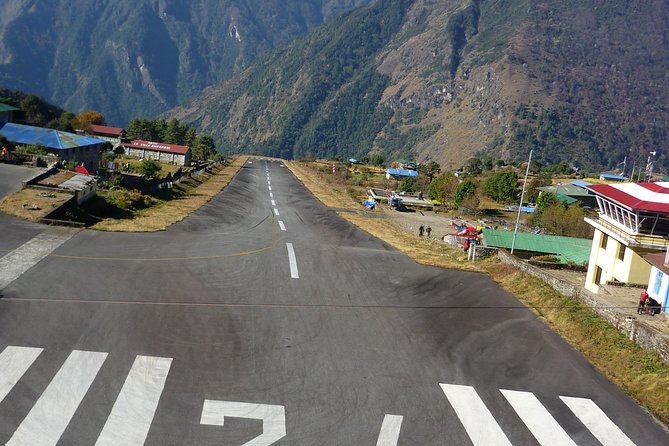
Namche Bazaar is a big deal on Everest itineraries because it’s where the trail stops feeling like “just hiking” and starts feeling like a mountain town. In this trek, it’s part of the Sherpa heartland experience, meaning you’ll pass through a place that’s used to trekkers, trade, and local life.
I like Namche for two reasons:
1) It helps you acclimate to the idea of altitude with practical routines around you. Even when you’re not thinking about it all day, you’re surrounded by reminders that the air is thinner here.
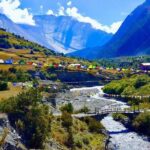
2) It’s a culture break. You go from stone-walled fields and village scenes to a busier hub with Sherpa life at the center.
A realistic note: Namche is also where you’ll feel the altitude more clearly than at lower elevations. Not in a dramatic, movie-moment way, but in the “slow down, breathe, and don’t rush” way. Build your day around that and you’ll be happier.
Tengboche Monastery: A Hilltop Reset for the Mind
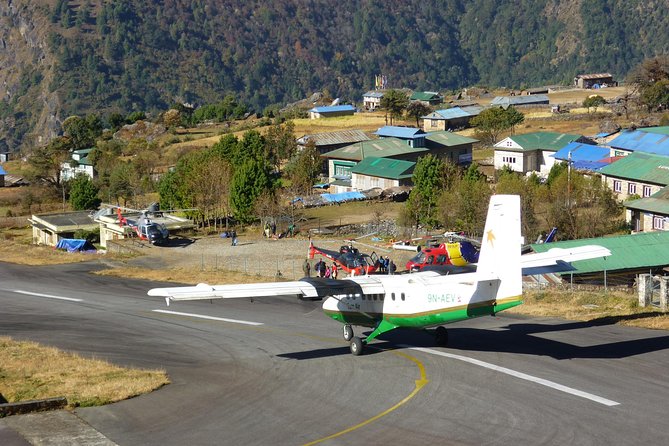
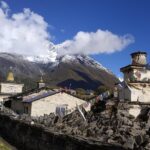
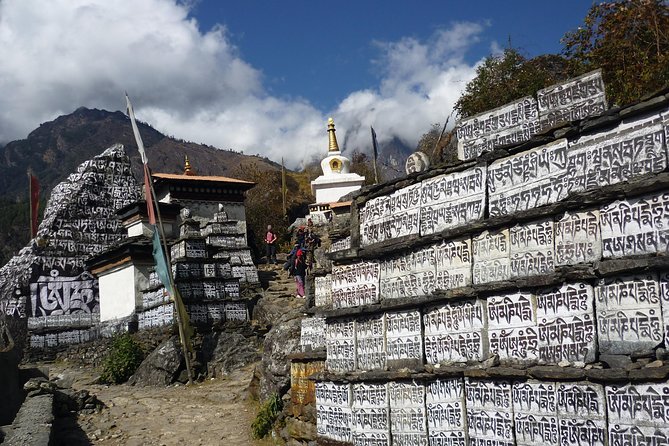
Tengboche is highlighted as a hilltop monastery stop, tied to Sherpa spiritual life and surrounded by dramatic views. A monastery stop like this isn’t just a photo moment. It’s also a change in tempo: the trek pauses, you absorb quiet, and you get a cultural anchor that feels earned after days of hiking.
What I like about this kind of stop is that it gives you perspective. You’re not only climbing toward altitude records; you’re moving through a living tradition. The setting—high enough to feel exposed, but still tied to community—helps the whole trek feel more grounded than a checklist of elevations.
Practical consideration: monastery days often mean colder conditions and more wind exposure, especially if you’re there earlier in the day. Dress in layers that you can handle when you stop moving.
Kala Pattar (5545m): The Altitude Max and the View Payoff
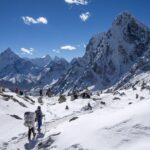
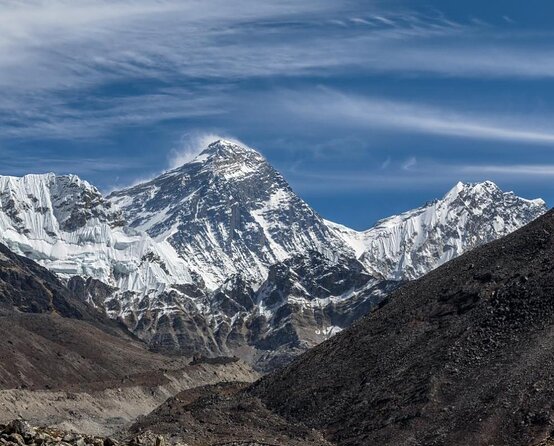
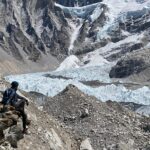
Kala Pattar is the standout high point named in this trek, with a maximum altitude of 5545m. This is the moment that turns Everest from an idea into something you can literally see towering over you.
But here’s the balanced part: altitude at 5545m is still hard work. Even if you’re physically fit, you’ll likely feel the air and your breathing patterns will change. That’s not a reason to panic; it’s a reason to pace. Slow steps, steady breathing, and sensible breaks will beat sprinting your way to a viewpoint every time.
If you’re someone who gets impatient on climbs, this is where you’ll learn patience quickly. The upside is big: a successful trip up to a viewpoint like this makes the earlier days feel connected. It’s not random sightseeing. It’s your trek paying back its effort.
Guesthouses on the Trail: Simple Nights, Real Logistics
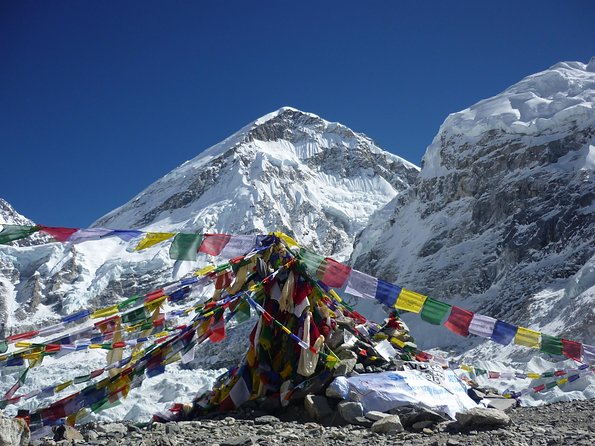
You’ll sleep in guesthouses for 12 nights during the trekking days. This type of accommodation is basic by comfort standards, but that’s part of the deal. The value is that guesthouses keep you moving through the route without needing to carry camp gear.
What to expect: communal spaces, simple rooms, and a rhythm that follows the walking schedule. This is also where the included meals help. With breakfast, lunch, and dinner covered during the trek, you’re not spending time each day trying to find good food, price it out, or figure out what’s open.
A small reality check: guesthouse conditions can vary by location and weather. If you like predictability, pack for cold nights and rougher-than-hotel bathroom conditions. Comfort is coming from rhythm and preparation, not from luxury.
Guides and Porters: The Names Worth Remembering
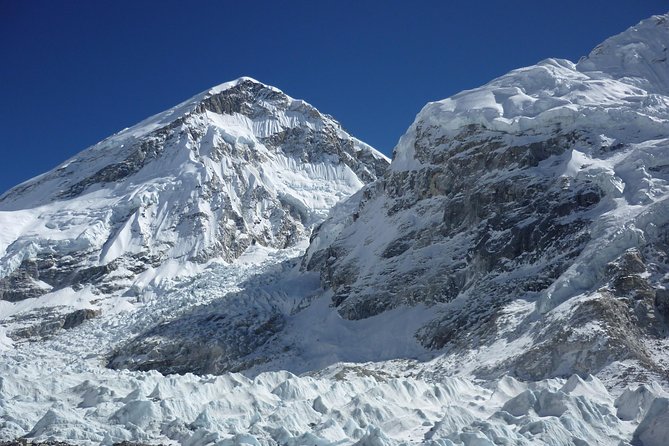
The strongest praise in the trip experience comes down to people doing their jobs well, and doing them with care. I’d pay attention to that, because on the Everest route, “good organization” isn’t a small thing—it’s what keeps you safe and sane.
Guide and porter names that come up strongly include Dawa and Chiring, plus ground and support staff such as Raju, Tej, and Budhi. Another name tied to arrival support is Ardash. The common theme is responsiveness: help when you arrive, encouragement when days feel challenging, and logistics that don’t leave you guessing what comes next.
For you, this means less stress when:
- the day’s pace needs adjustment,
- you need help with pacing and breathing,
- or weather shifts plans.
If you’re the sort of traveler who values a team that feels like it’s watching your wellbeing, this is one of the biggest reasons to consider this specific operator.
Price and Value: What $1,794.88 Actually Buys
At $1,794.88 per person, this trek is not a bargain-basement option. But it’s also not just “paying for scenery.” You’re paying for a bundled system.
Here’s what’s included that helps justify the price:
- Airport transfers
- Dedicated guide and porters (with full porterage)
- Internal flight
- Kathmandu: 3 hotel nights with breakfast
- Trek: 12 guesthouse nights
- 3 meals during the trek
- Staff insurance
What’s not included:
- Meals in Kathmandu
- Personal insurance
- Clothing and sleeping bag
- Tips
- Mineral water
When you price this out yourself, the biggest savings often come from not having to coordinate flights, lodging, guides, and food logistics one by one. The porterage also has real value: your time and energy are limited on a high-altitude trek, and carrying less can make you enjoy the experience more rather than just endure it.
If you already have a strong network and want to self-organize, you might reduce cost. But if you want a well-run trek with fewer gaps, the package approach is usually worth it.
Who This Everest Base Camp Trek Fits Best
This trek is built for people with strong physical fitness who want to hike a full trekking schedule while having porter support. It’s also structured as a private tour/activity, which typically suits people who want a tighter group dynamic.
It’s also not for everyone. The trip notes specifically that if you have lungs problems, you should not take this route. Altitude up to 5545m means respiratory stress is part of the story whether you’re experienced or not.
You’ll likely enjoy this trek most if you:
- want a guided experience rather than DIY scrambling,
- appreciate having meals handled during trekking days,
- and like a mix of culture stops (Namche, Tengboche) plus altitude payoff (Kala Pattar).
Should You Book This Everest Base Camp Trek?
I’d say book it if your priority is a clean, organized Everest Base Camp journey with full porterage, strong staffing, and key highlights like Namche Bazaar, Tengboche monastery, and Kala Pattar. The value-to-effort ratio is strongest when you want to spend your energy on the trail, not on logistics.
I’d hold off if you’re sensitive to altitude for medical reasons, or if you’re hoping for hotel-level comfort in the mountains. Guesthouses are part of the design here, and the trek reaches real high altitude.
If you do book, do one thing that helps a lot: pack for cold nights and plan to move slowly up high. This trek rewards calm pacing.
FAQ
How long is the Everest Base Camp trek?
It’s listed as 16 days approximately, including about 13 days of point-to-point walking.
What is the highest altitude on this trek?
The maximum altitude is 5545 m at Kala Pattar.
What’s included in the price?
Included are airport transfers, guide and porters, internal flight, hotel and lodge/guesthouse accommodation, staff insurance, and meals during the trek (breakfast, lunch, and dinner).
Are meals in Kathmandu included?
Meals in Kathmandu are not included. Only breakfast is included during the 3 Kathmandu hotel nights.
Do you provide porterage?
Yes. The trek includes full porterage during the walking portion.
What kind of accommodations are used?
You’ll have 3 nights in centrally located Kathmandu hotels with breakfast, plus 12 nights in guesthouses during the trek.
Where do you meet in Kathmandu?
The meeting point is Thamel, Kathmandu 44600, Nepal, and the start time is listed as 12:00 am.
What’s the cancellation policy?
Cancellation is free, and you can cancel up to 24 hours in advance for a full refund. If you cancel less than 24 hours before the start time, the payment isn’t refunded.
Is the trek dependent on weather?
Yes. The experience requires good weather, and if it’s canceled due to poor weather, you’ll be offered a different date or a full refund.