REVIEW · KATHMANDU
Annapurna Circuit Trekking: 15 days
Book on Viator →Operated by Himalayan Trekking Path (P). Ltd. · Bookable on Viator
Two weeks in the Himalaya changes your math. I love the way this trek is built around the big altitude milestones, from Thorong La (5,416m) to the Kali Gandaki gorge, with real trekking days that feel purposeful. I also love that you get a professional guide plus all fees and taxes, so you’re not juggling details while your legs are doing their own negotiation. One possible drawback: it’s a challenging route at altitude, so you’ll want solid moderate fitness and good weather luck.
You start with Kathmandu sightseeing—temples and squares—handled by private car with a 7-hour guide-led tour. It’s a smart warm-up day because you get local context before you go high, and you land in a comfortable base at Hotel Dream City for two nights.
The second half finishes with time to recover in Pokhara (two hotel nights at Crystal Palace Hotel) after the big pass. Just remember: drinks, city meals, and personal extras aren’t included, so budgeting a bit extra will keep the trip smooth.
In This Review
- Key Highlights You’ll Care About
- The Annapurna Circuit’s Real Appeal: From Big Passes to Epic Terrain
- Kathmandu Arrival and Sightseeing Days That Set You Up (Days 1–2)
- Road Day to Khudi and the First Trek Steps (Days 3–5)
- Chame to Pisang to Manang: Your Gradual Climb With Purpose (Days 6–9)
- Manang Rest Day: The Altitude Insurance You Don’t Want to Skip (Day 10)
- Yak Kharka and Thorong Phedi: Building Toward Thorong La (Days 11–12)
- The Thorong La Pass and Muktinath Journey (Day 13)
- Tatopani and Pokhara Recovery Mode (Days 14–15)
- What You’re Actually Paying For: Price and Real-World Value ($1,300)
- The Pace, Fitness Level, and Safety Angle That Matters
- Who Should Book This Trek (and Who Might Think Twice)
- Should You Book This Annapurna Circuit Trek?
- FAQ
- What is the start time for the experience?
- How long is the Annapurna Circuit trek?
- Where does the trek start?
- What is the price per person?
- Is pick-up offered?
- What meals are included?
- What hotels are included?
- What are the highest elevations on the route?
- Is there a rest day during the trek?
- Are flights, visas, and travel insurance included?
Key Highlights You’ll Care About
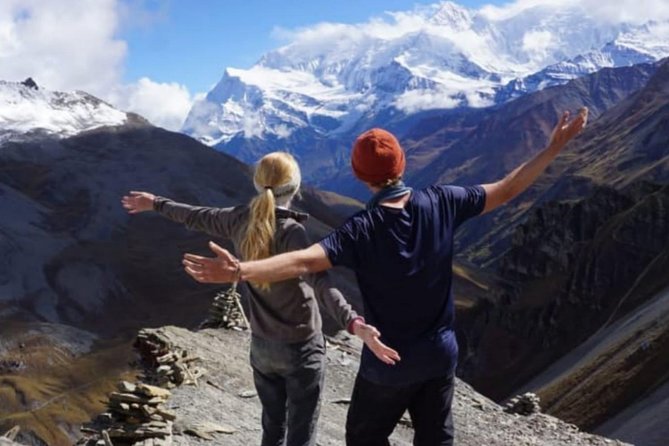
- Thorong La Pass push is the centerpiece, planned after a gradual climb toward 4,600m at Thorong Phedi.
- Manang rest day is built in, giving you time to breathe, acclimatize, and reset.
- Private transportation throughout reduces stress on transfer days.
- Kathmandu + Pokhara hotel nights are included, so you’re not scrambling for lodging after trekking.
- Guide support shows up in real ways, with past travelers praising safety, efficiency, and extra help when plans changed.
- The route includes both high passes and classic villages, from Chame and Pisang to Muktinath.
The Annapurna Circuit’s Real Appeal: From Big Passes to Epic Terrain
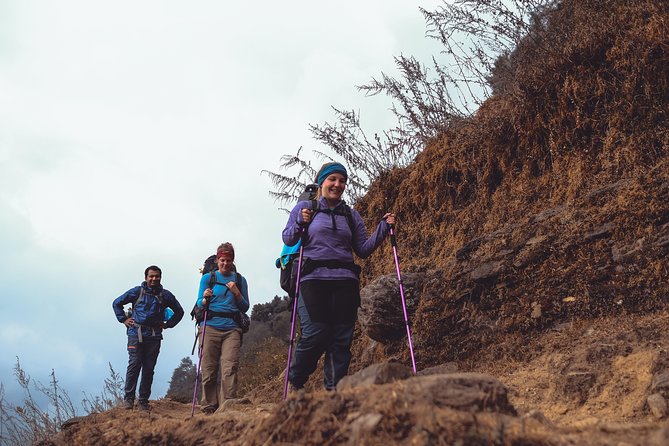
The Annapurna Circuit is famous because it doesn’t just take you to a viewpoint. It takes you across an entire slice of Nepal’s mountains and culture, in one logical arc.
This version hits the high point at Thorong La (5,416m) and then carries you down toward the Kali Gandaki area—often described as the world’s deepest gorge. Even if you’re not chasing numbers, that concept matters: the route naturally shows you how dramatic the terrain gets when elevation swings and valleys squeeze tight.
I also like how the trek is tied to the Annapurna Conservation Area. The route is meant to connect scenery with the way people live and travel in the region, not just “walk and photograph.” If you enjoy seeing how villages and trekking routes work as a system—tea houses, trails, and daily rhythms—this itinerary supports that kind of travel.
The vibe is also backpacker-friendly in the best way: you’re on your own adventure, but you have structure. The included pro guide and scheduled rest day help keep the trip from turning into a logistics headache.
You can also read our reviews of more tours and experiences in Kathmandu.
Kathmandu Arrival and Sightseeing Days That Set You Up (Days 1–2)
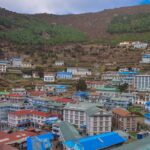
You start in Kathmandu at 1,330m, then move to your hotel by private car. Day two is a guided sightseeing loop—Pashupatinath, Boudhanath, Swayambhunath, and Kathmandu Durbar Square—with a professional guide and about seven hours on the schedule.
Here’s why that first day-and-a-half matters. When you’re about to step into serious altitude, it helps to arrive with your bearings. Kathmandu is busy and layered, and a guide-led day gives you context fast: what you’re looking at, why it’s important, and what kind of pace you’ll want once you’re trekking.
You’ll also settle into Hotel Dream City for two nights. The practical benefit isn’t luxury. It’s that you get a stable base before the long driving and the first trek days.
One small caution: the sightseeing day is long. If you’re the type who gets overwhelmed by crowds or traffic, treat Day 2 as your “easy energy” day—don’t cram more on top of it.
Road Day to Khudi and the First Trek Steps (Days 3–5)
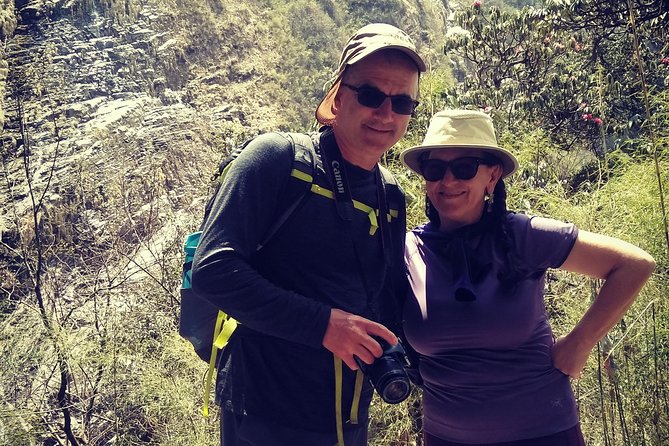
After Kathmandu, you take a long drive to Khudi (about 800m). The schedule lists roughly eight hours, which tells you right away this trek has a “transfer-to-trail” rhythm. Expect that you’ll spend a good chunk of your day not walking.
Day 4 goes to Sirung (2,200m) on a trek around seven hours. Day 5 pushes you to Jagat (about 1,300m) in roughly six to seven hours.
This stretch is where you learn the trek’s personality. You’re not just gaining height; you’re also moving through valleys and changing elevation. That matters for two reasons:
- Your body starts adjusting to hiking time and repeated climbs.
- Your planning gets real—because some days feel like rising and some feel like rolling through terrain.
If you’re sensitive to downhill stress, take extra care on Day 5. Even when the altitude number drops, the legs can still feel it.
Chame to Pisang to Manang: Your Gradual Climb With Purpose (Days 6–9)
From Dharapani (1,960m) to Chame (2,710m), you’ll trek around seven to eight hours (Day 6 and Day 7 details are roughly 7–8 and 5–6 hours). Then the route climbs again to Pisang (3,300m) and onward to Manang (3,519m).
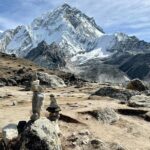
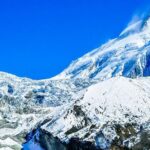
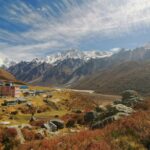
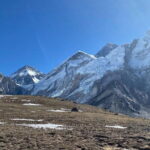
These mid-trek days are where you’ll start seeing more of the famous Annapurna scenery in the way this trek is known for: long mountain sightlines, layered ranges, and that sense that peaks keep stacking higher the farther you walk.
Day 8 (to Pisang) and Day 9 (to Manang) list shorter trekking times than earlier days, but don’t let that fool you. Higher altitude can make a “short” day feel slower than expected. You’ll be trading time on the trail for time managing your breathing and pace.
Pisang and Manang are especially useful waypoints on this itinerary. They’re there to keep your climb steady instead of chaotic, and that’s what sets you up for the pass.
Manang Rest Day: The Altitude Insurance You Don’t Want to Skip (Day 10)
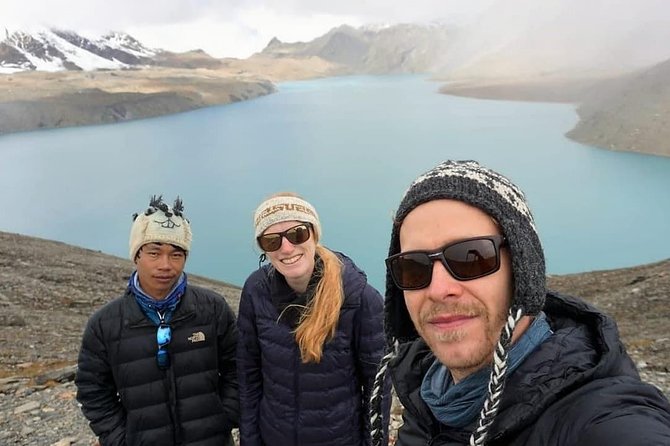
Day 10 is a rest day in Manang. No trekking listed—just time.
This is one of the most valuable parts of the schedule. Rest days in mountain trekking are not wasted time. They’re where acclimatization actually has a chance to catch up with your elevation gains.
Even if you feel good, this is still when you should slow down and let your body reset. In a trek like this, I’d rather you use the rest day wisely than gamble on pushing onward while your system is still catching up.
It also gives you flexibility. If weather or energy levels have you anxious, having this built-in pause makes the overall plan feel more controllable.
Yak Kharka and Thorong Phedi: Building Toward Thorong La (Days 11–12)
Day 11 moves you to Yak Kharka (4,110m) in about four hours. Day 12 treks to Thorong Phedi (4,600m) in about four hours.
These are crucial days because they stage you for the pass. The big takeaway: the itinerary keeps the trekking time relatively shorter as altitude rises. That’s exactly what you want when oxygen is thinner.
Yak Kharka at 4,110m is a sign that you’re now living in the high-altitude zone. Thorong Phedi at 4,600m is even more so. This is also where gear choices matter—layers, warm socks, and proper head coverage are the difference between “cold but fine” and “cold plus miserable.”
If you’re nervous about altitude, these days can feel like a mental test too. I’d treat them as a practice run for the pass day: steady walking, controlled breathing, and no hero pacing.
The Thorong La Pass and Muktinath Journey (Day 13)
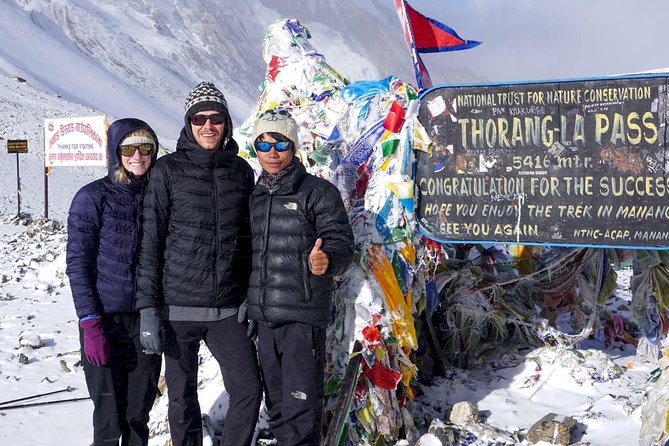
Day 13 is the big one: trek to Muktinath via Thorong La Pass (5,416m) in roughly six to seven hours.
Thorong La is the headline altitude of the whole Annapurna Circuit, and on a practical level it’s what turns a hike into a milestone trip. Even if you don’t love altitude numbers, reaching that point changes how the entire trek “feels”—like the mountains finally let you see the full scale of what you’ve been working toward.
Then you continue to Muktinath. The route includes this cultural destination step, which helps break up the pass experience. Instead of only climbing and then descending in a straight line, you’re also finishing with a place people visit for meaning, not just views.
One note: the pass day is also where weather can matter most. This is a trek that requires good weather, and you should be ready for contingency planning if conditions don’t cooperate.
Tatopani and Pokhara Recovery Mode (Days 14–15)
Day 14 drives you to Tatopani (1,200m). Day 15 continues to Pokhara.
This is your “reset” phase. The route drops you from high altitude back toward lower elevations fast, which helps your body recover. It also changes the walking feel: less high-altitude strain, more focus on comfort and replenishing.
You stay in Pokhara at Crystal Palace Hotel for the included nights. Pokhara is where most people want a slower rhythm after the pass—time for real meals, rest, and letting your legs stop vibrating.
This ending makes the trek feel like a full cycle: high work, then a calmer landing with city comforts.
What You’re Actually Paying For: Price and Real-World Value ($1,300)
At $1,300 per person for about 15 days, the value hinges on what’s included and what you’ll need to cover yourself.
Here’s what you do get:
- 3 meals per trekking day (breakfast, lunch, dinner)
- Private transportation for transfers
- Professional guide
- All fees and taxes
- 2 nights in Kathmandu at Hotel Dream City
- 2 nights in Pokhara at Crystal Palace Hotel
That hotel coverage is more important than it sounds. After trekking, the last thing you want is to chase lodging or pay extra last-minute prices. Your transport being included also reduces the “I hope this works out” factor on driving days.
What you’ll likely add:
- Drinks like water, tea/coffee, and other beverages
- Nepal visa fee
- International and domestic flights
- Travel insurance
- Tips for staff
- Extra activities in city time
- Personal expenses (charging, extra porters, hot water/shower, laundry, and similar items)
- City lunches/dinners and city drinks (not listed as included)
If you’re the type who tracks every dollar, this is where you plan ahead. If you budget for drinks and tips and don’t treat the cities as an all-free-for-all, the price feels fair for a guided, structured trek with hotel nights.
The Pace, Fitness Level, and Safety Angle That Matters
This trip is listed for travelers with moderate physical fitness. That’s a helpful starting point, but I treat “moderate” as a real training cue: you should be comfortable with long walking days and uneven trail footing.
The itinerary also signals a clear acclimatization structure:
- You gradually rise through multiple high points.
- You get a rest day in Manang.
- You stage before the pass with shorter trekking hours at higher elevations.
Safety is not just about having a guide. It’s about how the plan sequences effort, especially near Thorong La. In past experiences with this operator, people specifically praised supportive guidance, preparedness, and safety and security—so the human factor seems to be a theme, not an accident.
You’ll see those names come up in traveler accounts tied to this trekking operation: Ramhari Neupane as a central figure, plus guides like Dendi and Shiva. I also saw praise for porter support, including Susan, which is a strong reminder that on-trail help can make the difference between “hard” and “too hard.”
Still, keep your expectations grounded: you’re going to be at altitude. If you’re anxious about heights, plan to take it slow and listen to your guide.
Who Should Book This Trek (and Who Might Think Twice)
This Annapurna Circuit style suits you if:
- You want a classic route with the big pass highlight at Thorong La (5,416m).
- You like having a professional guide and private transfers, so your brain stays on walking, not scheduling.
- You want structure that includes a meaningful Manang rest day.
- You’re okay with long days and altitude demands in exchange for standout mountain views.
Consider thinking twice if:
- You’re looking for an easy vacation hike. This is a serious trekking schedule with high elevations.
- You get thrown off by cold and long travel days.
- You don’t plan for extra costs like drinks, city meals, and tips.
Should You Book This Annapurna Circuit Trek?
I think it’s a good match if you want the Annapurna Circuit experience without the chaotic logistics. The included hotels in Kathmandu and Pokhara plus private transport and a guide make it feel organized from start to finish. You also get the important altitude pacing built into the schedule, not just a single long push to the pass.
My decision checklist:
- If you can handle moderate fitness and altitude, this route’s structure is strong.
- If you hate uncertain weather days, remember this trek depends on good conditions and can require changes if weather turns.
- If you budget for drinks, visa, insurance, and tips, you’ll avoid the common “surprise costs” problem.
If you want the mountains and you want a guided plan that keeps things manageable, this is the kind of trek that earns its reputation.
FAQ
What is the start time for the experience?
The meeting point start time is listed as 6:15 am.
How long is the Annapurna Circuit trek?
The duration is listed as approximately 15 days.
Where does the trek start?
The location is Kathmandu, Nepal.
What is the price per person?
The price is $1,300.00 per person.
Is pick-up offered?
Yes, pickup is offered.
What meals are included?
Breakfast, lunch, and dinner are included.
What hotels are included?
Two nights in Kathmandu at Hotel Dream City and two hotel nights in Pokhara at Crystal Palace Hotel are included.
What are the highest elevations on the route?
Thorong La Pass is listed at 5,416m. You also trek to Thorong Phedi (4,600m) and Yak Kharka (4,110m).
Is there a rest day during the trek?
Yes. Day 10 is a rest day in Manang.
Are flights, visas, and travel insurance included?
No. Nepal visa fee, international and domestic airfares, and travel insurance are not included.