Ban Gioc turns a waterfall day into a hike. This trek strings together Nguom Ngao Cave and village paths near the Vietnam–China border, with walks that feel local, not staged. I really like how the route mixes big sights with small moments, like warm homestay welcomes and time to watch birds and village life from the trails. One thing to weigh: you’ll want moderate fitness, and there’s a chance you may need an entry permit for a restricted area that isn’t included in the price.
What makes this run smart is the pacing and the variety. You get an early start for Ban Gioc area highlights, then trekking on a route designed to avoid repeating the same walk both ways. The group stays small (up to 8), and an English-speaking guide helps smooth out timing and questions. If you get Nhat as your guide, that name comes up for a reason—he’s noted for answering questions clearly.
The only real drawback I see for most people is the “hidden village” part means you’re spending real time on foot. Also, the experience depends on weather. If conditions are poor, you may be offered a different date or a full refund, so keep your schedule flexible if you can.
In This Review
- Key Things I’d Plan for Before You Go
- Why This Ban Gioc Trek Feels Like More Than a Waterfall Stop
- Price and What Makes the $129 Value Work
- Day 1: The Morning Run to Nguom Ngao Cave and Bong Son Village
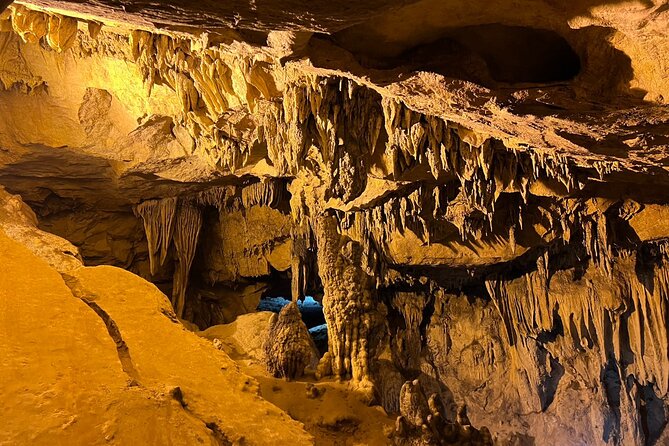
- Nguom Ngao Cave (Tiger Cave): Cool Air and Time-Scale Wonder
- Bong Son Village Trek: Tay Stone Houses and a Less-Theatrical Feel
- Trùng Khánh and the Return Route (Different Way Back)
- Where You Stay and How Day 1 Ends: Khuoi Ki Stones Village
- Day 2: River Morning Bites, Quay Son Walking, and the Detian Falls Moment
- Quay Son River Trek: See the Mountains Twice, Different Angles
- Lunch at Thác Bản Giốc and the Final Stretch Back
- Practical Details That Can Change Your Experience
- Fitness level: plan for real walking
- Permits in restricted areas: budget for the $15 entry permit
- Weather matters
- Small group: max 8 travelers
- Tickets and mobile ticket
- Who Should Book This Trek (and Who Might Skip It)
- Should You Book This Ban Gioc to Hidden Village Route?
- FAQ
- How long is the trekking tour?
- Where does the tour start and end?
- What time does the tour begin?
- Is pickup offered?
- How many people are in the group?
- What’s included in the price?
- What is not included?
- Do I need a certain fitness level?
- What happens if the weather is bad?
- Is there a mobile ticket?
Key Things I’d Plan for Before You Go
- Nguom Ngao (Tiger Cave): natural stone columns and long-formed stalactites for a slow, cool break from the trail
- Tay village walking: ancient stone houses at Bong Son Village and a more lived-in feel than a viewpoint-only day
- The “no repeat” trekking approach: heading back by another way keeps the second trek from feeling like a rerun
- Quay Son River morning walk: a calmer start to Day 2 with river scenery before the falls
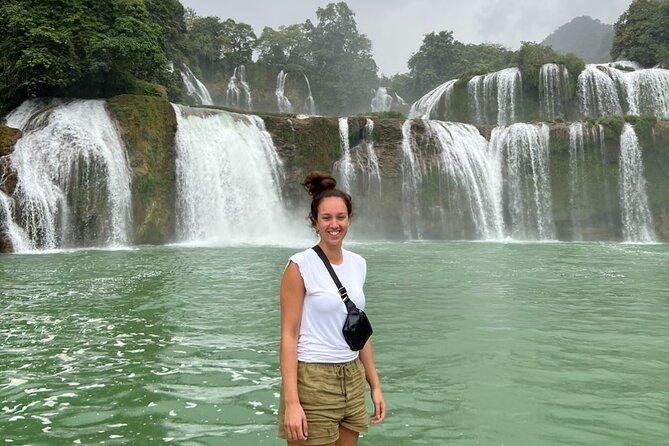
- Border waterfall scale: Ban Gioc / Detian Falls are described as the biggest in Southeast Asia and the fourth biggest in the world
- Small-group comfort: max 8 travelers makes logistics easier than big coach tours
Why This Ban Gioc Trek Feels Like More Than a Waterfall Stop
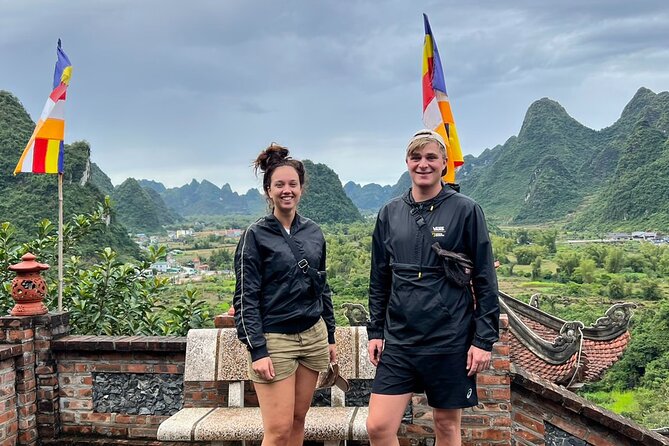
Ban Gioc is famous for a reason. It sits right on the border with China, and the falls are described as the biggest waterfall in Southeast Asia and the fourth biggest in the world. The scale matters, but the trick of this tour is that it doesn’t treat the falls as the only event.
You start the day surrounded by the Cao Bang countryside rhythm—early transport, then a warm welcome at a homestay in Khuoi Ki stones village area. From there, the experience keeps pulling you onto paths instead of just shuttling you between photos. That means you get time to notice details: birdsong, the feel of the air in the valley, and the way village life continues away from the main tourist points.
Two parts I’m especially drawn to:
- The cave visit (Nguom Ngao / Tiger Cave), which breaks up the trekking with a different kind of wonder—pristine rock formations formed over hundreds of millions of years.
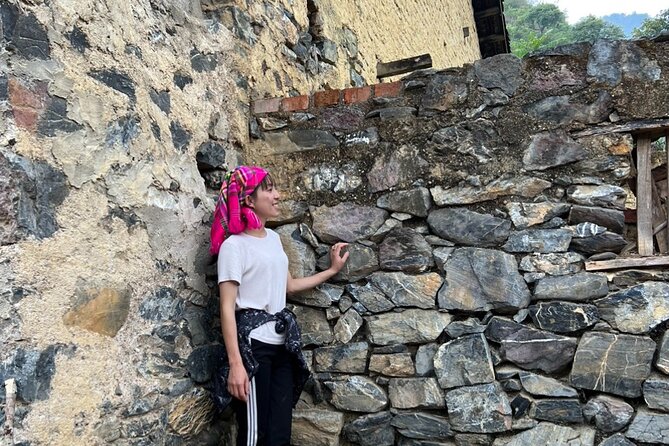
- The village trekking, where you pass through real homes and see the Tay ethnic community’s stone-house architecture up close.
The “hidden village” concept here isn’t about abandoning comfort. It’s about adding quieter sections of walking so your day doesn’t feel like a traffic jam of viewpoint stops.
Price and What Makes the $129 Value Work
At $129 per person for about two days, this tour is priced like a guided outdoor experience, not just a sightseeing circuit. The value is strongest when you look at what’s bundled:
- Guiding and transport: an English-speaking tour guide plus an air-conditioned vehicle
- Meals: breakfast (2) and lunch (2), plus dinner (1)
- Entrance fees where noted: admission tickets are included for parts of the schedule (like Nguom Ngao Cave)
- Insurance: maximum stated coverage of 20,000,000 VND per case
- Group size: max 8 travelers, which can make the trek feel more manageable and less chaotic
What you should double-check in your planning is what’s not included. The tour notes an entry permit in a restriction area of 15US$ per person. Because the amount is small compared to the total tour cost, it’s not a dealbreaker—but it’s the kind of add-on you want to know about so your budget doesn’t get surprised.
Also, this isn’t a luxury, all-inclusive resort-style price. It’s a practical trek-and-food experience with homestay-style overnight time in the village area, built around walking and nature.
Day 1: The Morning Run to Nguom Ngao Cave and Bong Son Village
Day 1 starts early. You’ll meet the bus driver around 5:30am–6:00am and head toward the Ban Gioc area. The goal is simple: get you in position for a welcome at the homestay area in the Khuoi Ki stones village stretch around 8:00am–8:30am. That buffer matters because it sets the tone—less rush, more settling in.
Nguom Ngao Cave (Tiger Cave): Cool Air and Time-Scale Wonder
From about 9:00am–10:30am, you visit Nguom Ngao Cave (also called Tiger Cave). This stop is worth it if you like caves that feel untouched and natural rather than overly commercial.
You’re looking at:
- natural stone columns
- stalactites and long-formed rock features
- the big “wow” that the formations came together over hundreds of millions of years
Practical note: caves usually mean cooler temperatures than outside. Even in warm season, expect it to feel like a quick temperature reset, which can be a relief before trekking.
Bong Son Village Trek: Tay Stone Houses and a Less-Theatrical Feel
Around 10:30am–11:30am, the trek shifts toward Bong Son Village, a Tay ethnic village. The standout detail here is the architecture—ancient stone houses that are said to have been built about 30 years ago. That specific time marker helps you picture that you’re seeing a living community, not just a heritage set.
You’ll be walking for a few hours after this segment (the schedule shows a longer trekking block starting after the village stop). The key value on this day isn’t only the destination. It’s the route: narrow footpaths, changing views, and the feeling of moving through the border countryside at a human pace.
Trùng Khánh and the Return Route (Different Way Back)
In late afternoon, roughly 16:30pm–17:30pm, you trek back toward your homestay in Khuoi Ki Stone’s Village—but by another way, specifically to avoid repeating the same route.
That design choice is smarter than it sounds. If you’ve done day hikes where you retrace your steps, you know how quickly it turns into walking homework. Here, you get a second look at the area without feeling like you’re replaying Day 1.
Where You Stay and How Day 1 Ends: Khuoi Ki Stones Village
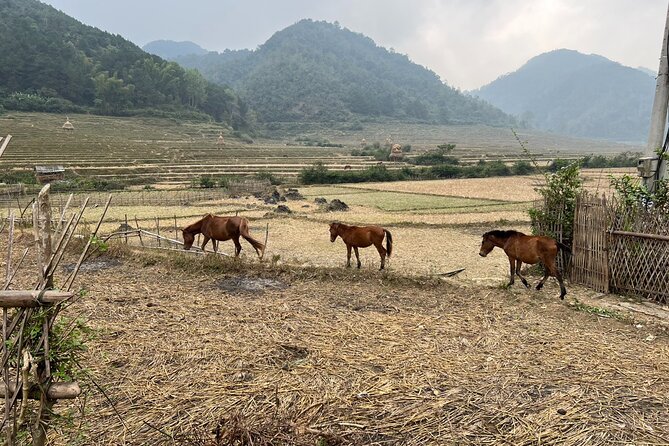
Day 1 winds up with arrival at the homestay area around 17:30pm–18:00pm. That overnight setup is one of the reasons this trek feels more authentic than a “tour bus + quick photos” itinerary.
You’re not just passing through. You’re spending the evening in the village area, which gives you:
- a slower pace after the hiking
- time for a real dinner (dinner is included)
- a chance to hear the place without vehicle noise
I’d treat the evening as part of the experience, not just downtime. If you’re the type who likes small conversations and watching how people move through daily routines, this is where the tour earns its points.
Day 2: River Morning Bites, Quay Son Walking, and the Detian Falls Moment
Day 2 starts with food and a gentler rhythm. Around 7:00am–7:45am, you enjoy specialized Cao Bang breakfast items such as Cao Bang rice paper, duck noodle soup, and sour noodle. This is the kind of included meal detail that can make a tour feel grounded. It’s not just calories before a trek—it’s the local flavors in the morning.
Quay Son River Trek: See the Mountains Twice, Different Angles
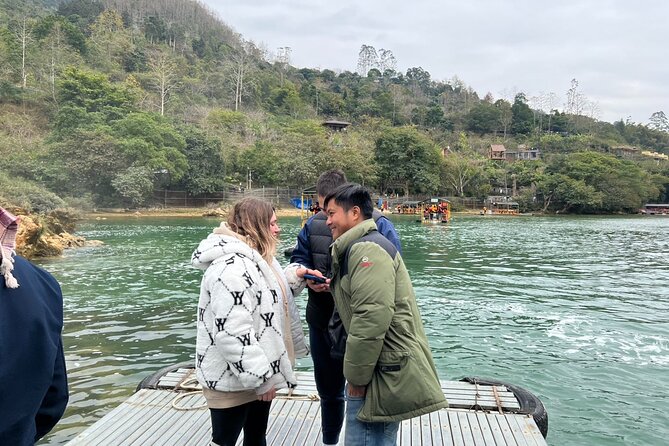
From about 7:45am–9:00am, you trek along the Quay Son River. The schedule notes views like mountain reflections/duplicate mountain effects, plus interlaced scenery (the description is cut off, but the intent is clear: you’ll be watching how the terrain looks from the river path).
This is a good time to take photos and also to just look without rushing. Morning light along water often makes everything more dramatic, and the walk is long enough to feel like a true second-day hike.
Lunch at Thác Bản Giốc and the Final Stretch Back
Around 11:00am–12:00am, you have lunch at Thác Ban Gioc Restaurant—then you move back toward Cao Bang afterward. The tour frames the big finish as Ban Gioc Waterfall – Detian Falls, so you’ll be combining the border-falls experience with the meal break and then ending back at the starting area.
You’ll want to plan for a day that feels balanced rather than nonstop. It’s one of the reasons I think this is a good 2-day format: enough time on foot to feel accomplished, but not so long that you’re spent before the waterfall payoff.
Practical Details That Can Change Your Experience
Fitness level: plan for real walking
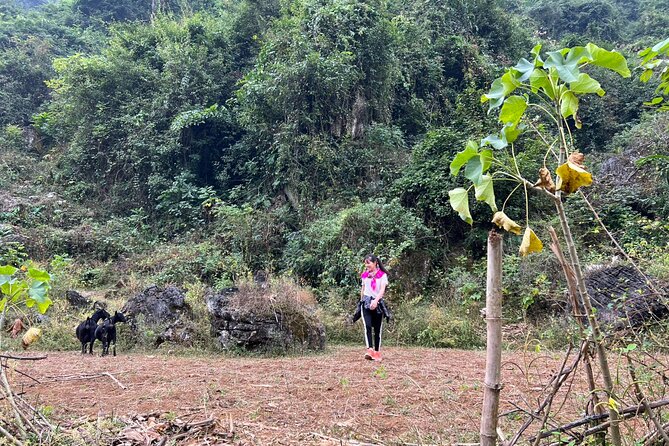
The tour calls for moderate physical fitness. If you’re comfortable on uneven paths and can handle several hours of walking with breaks, you’ll be in a good spot. If you’re usually more of a flat-city-sightseeing person, this may feel harder than expected—especially with a morning schedule and an early second day.
Permits in restricted areas: budget for the $15 entry permit
The price does not include an entry permit in a restriction area at 15US$ per person. If your tour includes that restricted section, you’ll need to pay it directly as part of the experience.
My advice: ask your guide where and when it applies, and carry a little extra cash so you’re not scrambling.
Weather matters
The tour requires good weather. If weather is poor and the tour is canceled, you’ll be offered a different date or a full refund. This is a big deal for a waterfall trek. When visibility and trail conditions drop, it’s not just the photos that suffer.
Small group: max 8 travelers
With up to 8 travelers, you’ll get smoother timing and more personal attention. It’s also easier for the guide to manage slower walkers or regroup after viewpoints.
Tickets and mobile ticket
You’ll receive a mobile ticket and confirmation after booking.
Who Should Book This Trek (and Who Might Skip It)
This trek is best for you if:
- you want the Ban Gioc area but also want villages and walking
- you like mix-and-match days: cave, village trek, river walk, then the big falls
- you’re happy with a small group and an early start
You might think twice if:
- you don’t do well with moderate hikes
- you’re hoping for a purely comfortable, vehicle-based experience
- you’re traveling on a tight schedule where a weather-related date change could cause problems
Should You Book This Ban Gioc to Hidden Village Route?
If your goal is to see Ban Gioc/Detian Falls and also earn that view with a real trek, I’d book it. The combination of Nguom Ngao (Tiger Cave), Tay stone houses at Bong Son Village, a river morning walk, and the “no repeat” route design makes this feel thoughtfully put together for people who like moving at human speed.
Also, the price looks fair when you factor in the guide, English support, included meals, and the fact that you’re not just doing a single viewpoint day. Just go in with the right expectations: moderate hiking, possible $15 restricted-area permit, and a strong dependence on weather.
If that fits your style, this is one of the more meaningful ways to experience Cao Bang’s border scenery without turning it into a rush-and-collect checklist.
FAQ
How long is the trekking tour?
It’s listed as about 2 days.
Where does the tour start and end?
The activity starts back at Cao Bằng, Cao Bang, Vietnam, and it ends back at the same meeting point.
What time does the tour begin?
The start time is 6:00am (there’s also a meeting window at 5:30am–6:00am for the bus driver).
Is pickup offered?
Yes, pickup is offered.
How many people are in the group?
The tour has a maximum group size of 8 travelers.
What’s included in the price?
Included are dinner, lunch (2), breakfast (2), air-conditioned vehicle, English-speaking tour guide, all fees and taxes, and insurance (maximum stated coverage: 20,000,000 VND/case). Admission tickets are included for certain stops noted in the schedule.
What is not included?
An entry permit in a restriction area is not included (listed as 15US$ per person).
Do I need a certain fitness level?
Yes. The tour notes travelers should have moderate physical fitness.
What happens if the weather is bad?
If the experience is canceled due to poor weather, you’ll be offered a different date or a full refund.
Is there a mobile ticket?
Yes. The tour mentions a mobile ticket, and you receive confirmation at booking time.