REVIEW · CHEFCHAOUEN
2 days trekking from Chefchaouen to Akchour
Book on Viator →Operated by Chefchaouen Adventures · Bookable on Viator
Two days of mountain air beat any city break. This Chefchaouen to Akchour trek trades the blue medina for Talassemtane National Park forests, quiet villages, and that famous red-rock moment at God’s Bridge. I like how the trek is paced with a private guide, plus you get an overnight in Afeska so the day doesn’t end the second you finish walking.
The big thing I’d flag: this is a moderate physical challenge, and your day can feel long depending on the mix of walking and driving into the park. Shoes for uneven ground matter.
In This Review
- Key highlights to look for
- Chefchaouen pick-up plus a classic start to the trek
- Talassemtane National Park: forests, villages, and walking vs driving
- Afeska rural house overnight: the real cultural payoff
- Day 2 at Akchour: Cascades d’Akchour and sunset at God’s Bridge
- Price and value: what you’re paying $153.37 for
- Pace, fitness, and what to pack for the Rif
- Who should book this trek from Chefchaouen to Akchour?
- Should you book Chefchaouen Adventures for this 2-day trek?
- FAQ
- Where are you picked up in Chefchaouen?
- What meals are included on the trek?
- Is this a private tour?
- How much physical fitness do I need?
- Do I need tickets or pay admission for the park and viewpoints?
- Can non-Muslim visitors enter Chefchaouen’s Grande Mosque?
Key highlights to look for
- Private guide time: you get personalized attention, not a herd schedule.
- Chefchaouen start inside the medina: pick-up can reach even tricky lanes.
- Talassemtane National Park area: forests, small villages, and the setting for God’s Bridge.
- Afeska rural guesthouse overnight: breakfast and dinner included (half-pension style).
- Sunset focus at God’s Bridge: the red rock is at its best as the light fades.
Chefchaouen pick-up plus a classic start to the trek
Your day starts right where you are staying. The tour can pick you up from any hotel in Chefchaouen, including hotels inside the winding, tricky Medina lanes. That saves you from a lot of pre-trek stress, especially if you’re carrying a daypack and trying to find your way out.
Before heading toward the mountains, you get a proper Chefchaouen orientation. You’ll pass through the central square, where you can grab lunch or dinner at good local prices. Nearby are the Kasbah fortress complex and the city’s first mosque, which helps explain why Chefchaouen has this mix of protection, religion, and daily life.
A couple of slower stops give the town texture. The cemetery is a quiet reminder of earlier waves of community life, with Arabic inscriptions on many tombs. And the Kasbah itself is heavily restored but still feels grounded, with a small ethnographic museum showing older views of the plaza and kasbah area, plus a tiny art gallery for local work.
Even the mosque stop is worth planning around. Chefchaouen’s Grande Mosque has an octagonal minaret influenced by Andalusian styles, and the stone tones sit next to the blue-and-white buildings. The important practical note: non-Muslim visitors are not allowed inside the mosque, so you’ll admire from outside.
You can also read our reviews of more tours and experiences in Chefchaouen.
Talassemtane National Park: forests, villages, and walking vs driving
The trek’s “Km 0” moment happens when you shift from Chefchaouen into the mountain landscape—sorry, not that phrase, but the real change in air, shade, and footing. From there, you head into Talassemtane National Park, which translates roughly to cold spring in Berber, and it shapes the vibe of the trip.
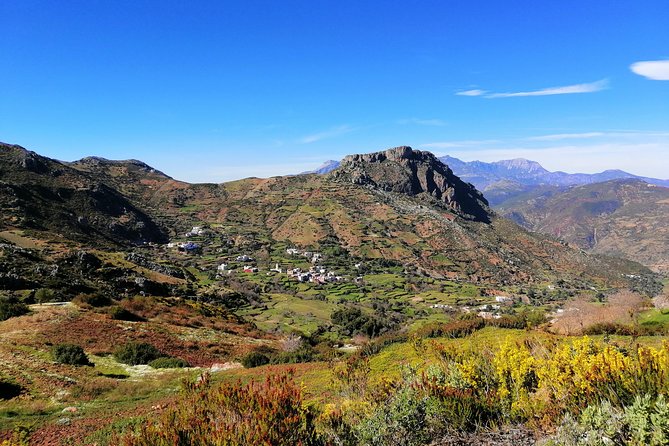
You’ll also hear how this area connects to nearby destinations like El Kelaâ and Akchour, and to God’s Bridge, described as a natural formation that looks like a stone arch. In practice, your experience can vary between more walking and more driving, based on how you want to balance it. That flexibility matters because the overall tour is built for people who want nature without turning it into a full-on expedition.
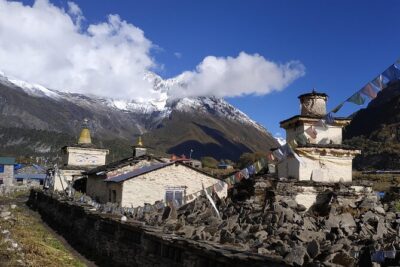
The itinerary keeps Day 1 focused on getting deep enough into the park area and then settling for the night. You’ll arrive to the small village of Azilane and then spend the night at Afeska rural house. Expect a shift from city navigation to mountain rhythm—narrow roads, changing vegetation, and small moments of wildlife.
Based on what I’ve learned from past hikers on this exact route, one reason guides do well here is plants and nature reading. On this trek, guides like Najib and Mohamed are praised for knowing the local area and pointing out wild plants. That turns “just hiking” into a useful outdoor lesson, even if you’re not a hardcore botanist.
Afeska rural house overnight: the real cultural payoff
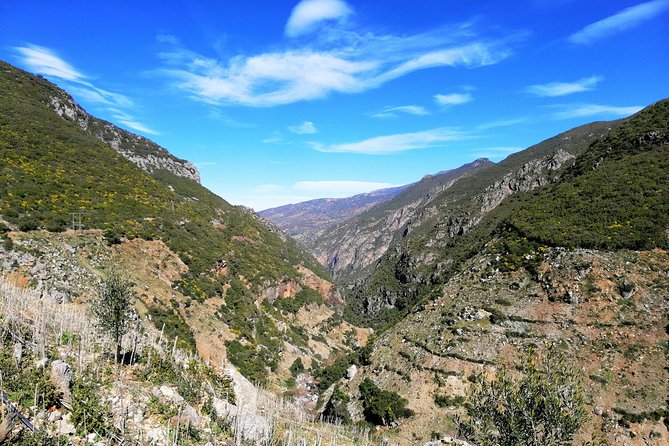
For many people, the overnight is what makes this trek feel different from a quick day hike. You sleep at a local guesthouse in Afeska, and the trip includes breakfast and dinner, so you don’t need to plan meals in the middle of nowhere.
The rural setting also changes the pacing. After the long mountain day, you get a calmer evening where you can actually talk with your guide. In reviews from hikers, guides encouraged Arabic practice and explained customs, not just facts. I like that style because it gives you a reason to ask questions instead of rushing toward the next view.
There are also small moments that make the night feel warm and real. People mention mint tea in the mountains, and even board-game time at the gite. Those details matter because they show how the overnight isn’t an afterthought—it’s part of the experience.
Wildlife sightings can happen too, and not in a staged way. One hiker described seeing monkeys in the wild at a distance. You won’t control when animals appear, but having a guide who pays attention is the difference between missing everything and catching a quick glimpse.
If you’re thinking about comfort, manage expectations: this is a rural house stay. It’s not a resort night, so pack for cool evenings and limited creature comforts.
Day 2 at Akchour: Cascades d’Akchour and sunset at God’s Bridge
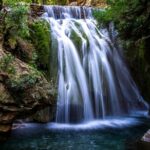
Day 2 concentrates on the Akchour side of the park. You start with a stop at Cascades d’Akchour, then head to the famous bridge area connected to God’s Bridge. The tour includes time at the canyon and geological formations along the way, with multiple short photo-friendly stops before you reach the main viewpoint.
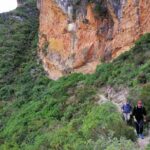
God’s Bridge is the star. The red rock formation is said to shine best during sunset, so the timing is built around staying for that light change. This is one of the most practical tips you can use: plan your camera settings before you arrive, because once the light starts fading, you’ll want to focus on the view rather than fiddling.
On arrival in Akchour, you get a chance to slow down. The plan includes time in the village where you can take lunch or just a mint tea next to the river. That’s a nice reset after time spent watching the rock textures and walking the viewpoints.
One more practical angle: the stops around the bridge are described as short. Don’t treat that as a sign the trek is easy—Day 2 is short-stop intensive. You’ll likely do a hike segment to get there, then spend concentrated time at the bridge and canyon viewpoints.
Price and value: what you’re paying $153.37 for
At $153.37 per person for a 2-day trek, you’re not just paying for walking. You’re paying for the parts that usually cost time and stress: a local guide, a full overnight with dinner included, plus the transfer back from Akchour to Chefchaouen by taxi.
Admissions are also listed as free for the key stops, including the national park area and the viewpoint locations connected to God’s Bridge. That matters because it keeps your budget predictable once you’re on the ground.
Where the value really lands is in the private format. This is a private tour/activity, meaning it’s only your group. Even if the itinerary includes standard stops, you won’t be stuck waiting on a big group rhythm. That lets your guide tailor pacing and make room for questions—especially useful if you care about plant spotting, local customs, or learning a bit of Arabic vocabulary as you go.
The only “you should know” cost is food that isn’t included. Picnic lunch isn’t included, so you’ll want to plan for lunch either on your own or during listed meal breaks (Chefchaouen early, Akchour later).
Pace, fitness, and what to pack for the Rif
This trek is recommended for moderate physical fitness. That’s a helpful label because it signals you don’t need to be an ultra-athlete, but you do need to be comfortable walking on uneven ground for long enough to earn the views.
One hiker’s notes from this route described day 1 with roughly 1,300 meters positive elevation and about 900 meters negative. Even if your exact numbers differ, that’s a useful reality check: the climb and descent can feel serious, even when the stops are brief.
Also, you should take weather seriously. The experience notes that it requires good weather, and it can be adjusted or canceled for poor conditions. In mountain areas, that’s not a bureaucratic hassle—it’s about safety and trail conditions.
What to pack (practical version):
- Comfortable hiking shoes with grip
- A daypack with a light layer for cooler mountain air
- Water and a snack stash (since picnic lunch is not included)
- A camera or phone gear you’re ready to use during sunset at God’s Bridge
And one more small thing: you can bring service animals, so plan normally for them if that applies to you.
Who should book this trek from Chefchaouen to Akchour?
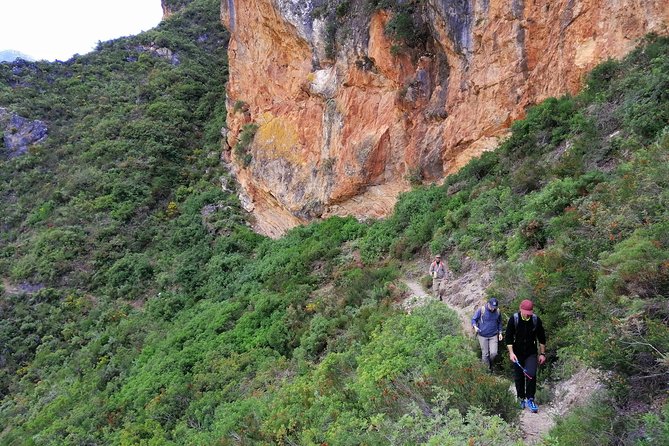
This trek is best if you want a true mountain circuit without doing a multi-week itinerary. If you love walking through Rif forests, passing through small villages, and getting one real overnight in a rural guesthouse, you’ll likely enjoy it.
It also suits couples, friends, and solo travelers who want one guide to focus on them. The guide-led approach shows up in the feedback: people praised guides for kindness, local knowledge, and encouraging practical cultural interaction, like Arabic practice.
If you hate any uphill walking, or if you prefer purely flat routes with lots of built-in breaks, you might find this more effort than you expect. Also, keep in mind that Day 2’s joy comes from concentrated viewpoint time, including waiting for sunset at God’s Bridge.
Should you book Chefchaouen Adventures for this 2-day trek?
Yes, if you want an organized, guide-supported trek that swaps medina streets for the Rif mountains and gives you an overnight at Afeska. The combination of a private guide, included dinner and breakfast, and a sunset-focused payoff at God’s Bridge is a strong deal for $153.37.
Book if you’re okay with moderate fitness and understand that lunch planning is on you. If you like nature walks with culture lessons and practical photo stops, this one fits.
FAQ
Where are you picked up in Chefchaouen?
You can be picked up from any hotel in Chefchaouen, including hotels inside the tricky Medina.
What meals are included on the trek?
Breakfast and dinner are included. Picnic lunch is not included, but you’ll have chances to eat during stops in Chefchaouen and in Akchour.
Is this a private tour?
Yes. It’s a private tour/activity, so only your group participates.
How much physical fitness do I need?
The trek is described as requiring moderate physical fitness.
Do I need tickets or pay admission for the park and viewpoints?
Admission tickets for the listed stops are shown as free, including Talassemtane National Park and stops connected to God’s Bridge.
Can non-Muslim visitors enter Chefchaouen’s Grande Mosque?
No. Non-Muslim visitors are not permitted to enter the mosque, though you can still admire it from outside.