Mardi Himal hits the sweet spot in the Annapurnas. This private 8-day trek is built for big mountain views without the brutal high-altitude grind, and you’re guided the whole way. I like the low-stress pacing here: you can move at your own rhythm with acclimatization time, not a race to the finish.
The best part is you’ll still reach a true high point around 4,500 meters, so the views feel earned. One consideration: you are trekking above the tree line for stretches, so you’ll want solid weather-proof layers and a steady walking plan even if the altitude is moderate.
In This Review
- Key takeaways before you plan your Mardi Himal trek
- Why Mardi Himal fits when you want altitude, not a death march
- Kathmandu to Thamel: get your bearings fast, then get out of town
- The Pokhara shift: early bus ride, relaxed Lakeside evening
- Kande to Australian Camp and Pothana: forest walking with real peak views
- The quieter rhododendron trail: less crowded feels better on tired legs
- Above the tree line toward Mardi Himal: when the air feels thinner
- High Camp breakfast and the early viewpoint push
- Final descent to Pokhara: forest, small settlements, and a reset
- Back to Kathmandu and Thamel: the trip ends, but the rhythm stays
- Teahouses and meals: basic, comfortable, and actually useful on a trek like this
- Private guide support: the difference between hiking and being managed well
- Price and value: where the $666.67 per person makes sense
- Gear and fitness: moderate effort, real altitude, lots of steps
- Who should book this trek, and who should think twice
- Should you book this Mardi Himal trek?
- FAQ
- What is the maximum altitude on this trek?
- How long is the Mardi Himal trek?
- Is this trek private or shared with other hikers?
- Where does the trek start, and how do you get there?
- What meals are included?
- What kind of accommodation will I have?
- What is the starting time?
- Do I need a high fitness level?
- Are there any accessibility or animal policies?
- Can I get a refund if I cancel?
Key takeaways before you plan your Mardi Himal trek
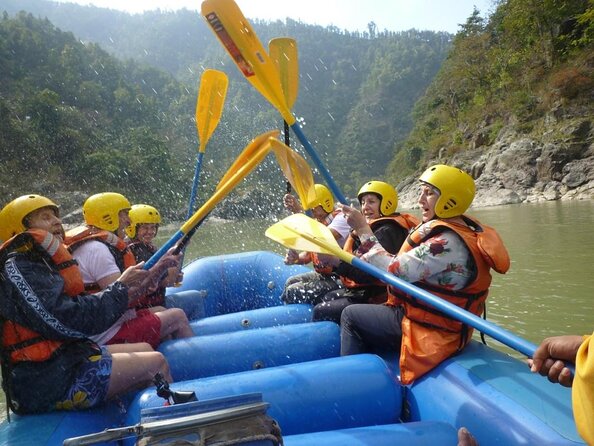
- Private pacing means no being rushed; your guide helps you match the day to your body
- Comfortable teahouses with included breakfasts keep mornings smooth and fuel you well
- Four days of trekking leads to a max altitude of about 14,760 ft / 4,500 m
- Rhododendron and forest trails cut through a quieter part of the Annapurna region
- Teahouse breakfast at High Camp sets you up for an early viewpoint push
- Thoughtful transfers link Kathmandu and Pokhara so you spend more time trekking than figuring routes
Why Mardi Himal fits when you want altitude, not a death march
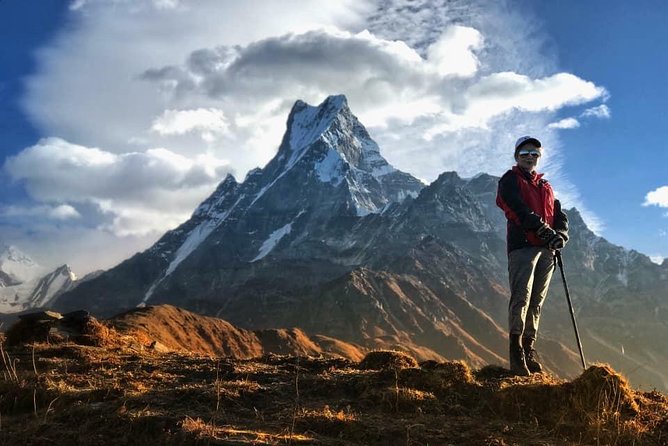
Mardi Himal is the kind of trek that makes sense if you want Himalayan scenery without signing up for a full-on expedition. Yes, you’ll go high enough to feel the altitude. No, you’re not living at extreme elevations for days.
Your “headline” climb tops out around 4,500 meters. That’s high enough for thinner air and cold nights, but it’s still reachable for people with moderate fitness who pace well. The private format matters because your day isn’t dictated only by other hikers’ speed. Your guide can adjust stops so you acclimatize and don’t pay for it later with exhaustion.
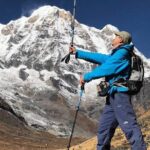
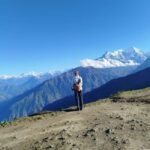
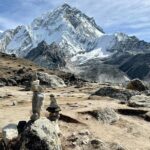
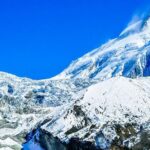
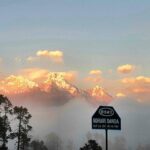
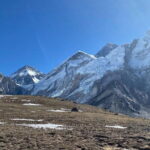
And the scenery payoff is real. You’re in the Annapurna region, so you’ll see classic peaks like Annapurna South and Machhapuchhre, plus a view of Mardi Himal itself as you climb higher.
You can also read our reviews of more tours and experiences in Kathmandu.
Kathmandu to Thamel: get your bearings fast, then get out of town
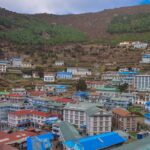
Day one is simple and practical: arrive in Kathmandu and head to your hotel, then spend a few hours in Thamel. This area is where you’ll find trekking shops, cafés, and the small stuff you might need for the trail—snacks, basic gear, and those last-minute layers you forgot because you packed like a superhero.
I like starting here because it reduces stress. You’re not jumping into the mountains with zero time to settle. If you need to confirm anything—your packing list, your boots, or how early the next morning feels—you can do it before the bus engines start roaring.
Tip for day one: keep it calm. Kathmandu can make you feel like you need to do everything at once. Don’t. A good night’s sleep matters more than one more street corner photo.
The Pokhara shift: early bus ride, relaxed Lakeside evening
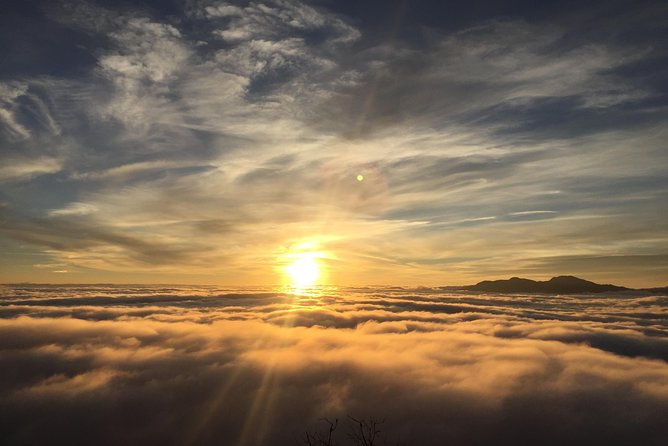
On day two, you’ll leave Kathmandu early by tourist bus (around 6:30 AM). The drive goes along the Trishuli and Marshyangdi river corridors, which means you get a steady change of scenery without needing to manage anything complicated.
Then you land in Pokhara, and the plan turns gentle: an evening walk along Lakeside. This is where the trek starts to feel real. You’ll see calm water, tea stalls, and a softer pace than Kathmandu. It’s also a smart time to check how you feel physically after the travel day. If you’re tired, you’re better off turning in early than pretending you’re fine.
One small drawback: early starts can stack up if you’re not used to them. The upside is that early days usually mean clearer skies later—so you’ll often trade early fatigue for better views.
Kande to Australian Camp and Pothana: forest walking with real peak views
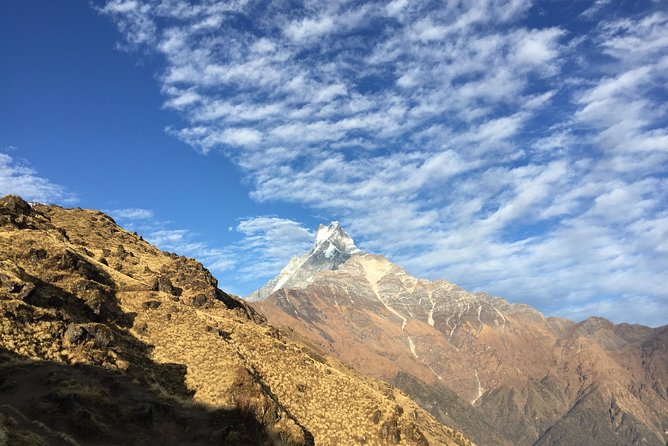
Day three begins with a drive of about 1.5 hours to Kande. From there, the trek starts through Australian Camp and Pothana. This part is known for a forested trail that still manages to show mountain views—so it’s not just green tunnels with nothing to look at.
You’ll get your first strong impressions of the Annapurna range and Machhapuchhre. That matters because it helps you understand what you’re working toward. Instead of hiking blind, you can “read” the landscape as you move—where the peaks sit, how the valley opens, and what direction the trail is trending.
Why this day is valuable: it’s a warm-up climb that doesn’t demand perfection. The goal is to settle into trekking rhythm—short breaks, steady breathing, and a pace you can repeat the next day.
The quieter rhododendron trail: less crowded feels better on tired legs
Day four slows things down in a good way. You’ll be on a quiet trail through rhododendron forests, and the route is designed to take you away from the busiest sections of the region.
This is one of those “small” differences that changes the whole experience. Less crowd pressure means you can stop when you need to, not when the line of hikers ends. It also makes the forest feel more alive—birds, plants, and the soft work of walking instead of managing traffic.
Drawback to consider: forest days can still get muddy depending on recent weather. You’ll want footwear with good grip and the patience to move carefully through uneven patches.
Above the tree line toward Mardi Himal: when the air feels thinner
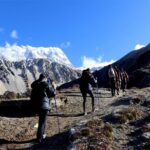
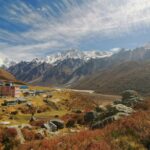
Day five is where things start to shift. Expect a gradual ascent with stunning views of Mardi Himal and Machhapuchhre, plus trail time that can be around six hours. You’ll move above the tree line and into more alpine terrain.
This is the practical part of the experience. Above the tree line, you lose some shelter and you gain exposure. That means wind, colder temperatures, and a sky that can change quickly. It also means the views open up faster, which is what makes this section so motivating.
Here’s how I’d think about it: day five is where you learn your body’s altitude strategy. You don’t need to go fast. You need to go consistent. Small steps. Short breath breaks. Keep your legs warm.
High Camp breakfast and the early viewpoint push
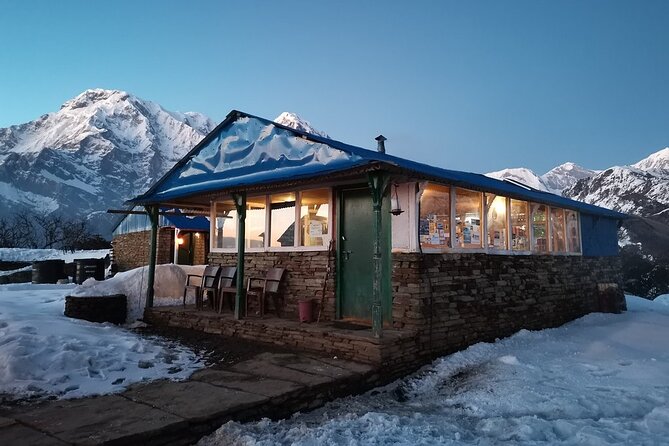
Day six is built around an early morning hike to a viewpoint for panoramic views—Annapurna South, Hiunchuli, and Machhapuchhre come into the frame. Then you return to High Camp for breakfast and rest.
This sequence is smart because it handles energy well. If you try to do the hardest viewing moments later in the day, you often feel robbed by fatigue. By doing it early, you get the best light chances and a calmer body.
One more practical benefit: breakfast at High Camp means you’re not scrambling to find food after a long push. You’re eating when your system is ready to accept calories, not when you’re just trying to survive the cold.
Altitude reality check: even at a “moderate” max height, you can feel it. Headaches, breathlessness, and appetite changes can happen. Pace accordingly and don’t treat it like a personal challenge contest.
Final descent to Pokhara: forest, small settlements, and a reset
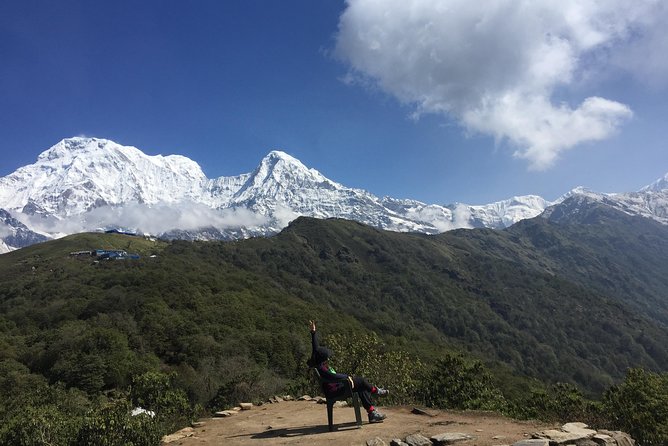
Day seven brings your final descent through forest and small settlements. Then you drive back to Pokhara. This is the day your legs start to loosen, but don’t confuse it with an easy victory lap. Descents can be harder on knees than you expect because you’re constantly controlling your speed.
Once back in Pokhara, you get a free evening at Lakeside. I like this because it gives you a mental landing. After days of walking, you need time to sit and let your mind catch up.
That evening is also a great chance to eat something you actually crave. You’ve been living on teahouse meals; now you can treat yourself within reason.
Back to Kathmandu and Thamel: the trip ends, but the rhythm stays
Day eight is return travel: a morning tourist bus to Kathmandu, then transfer to your hotel. The day is mostly transportation, but it’s still worth keeping your eyes open. You’ll pass through familiar river corridors and see how quickly the mountains recede once you’re back on lower ground.
If you have extra time in Kathmandu, use it wisely. Don’t try to cram in a dozen “must-sees” right after your trek. Your body will thank you for slow sightseeing and early rest.
Teahouses and meals: basic, comfortable, and actually useful on a trek like this
This trek uses basic but comfortable teahouses. You’ll get breakfasts included for 7 mornings, plus lunches and dinners included for the trekking days (5 each). Drinks are not included, so budget for bottled water, hot drinks, or any extra snacks you prefer.
Why this matters: teahouse trekking is as much about routine as it is about adventure. Knowing you’ll have breakfast each morning and food at predictable times makes acclimatization easier. You can plan your walking day because you know when you’ll eat.
What I’d pack mentally for teahouse reality:
- Expect simple rooms and hot showers only sometimes, depending on the lodge setup
- Expect warm meals, not gourmet dining
- Bring a sense of humor for small comforts that are limited by mountain logistics
Also, if you like ordering something familiar after a long day, build that habit in. It helps you recover. Your appetite may be weird at altitude; consistency helps.
Private guide support: the difference between hiking and being managed well
This is a private trek, which means only your group is participating. That changes everything from pacing to decisions. You’re not stuck with someone else’s schedule, and you’re not left figuring out what to do when weather turns or your body says slow down.
The operator’s guiding team shows up in past experiences as friendly and efficient. Names you may see connected with this service include Sobit Gurung and Shankar—both called out for being welcoming, supportive, and good at keeping things organized. Even if your guide is someone else, it signals the kind of staff you’re likely to meet: people who answer questions and help you feel safe.
In a trek like this, safety isn’t only about emergency plans. It’s also about small, everyday competence—knowing which trail section to take at what pace, where to rest, and when to push. A guide can also help you handle the mental side of altitude, which is often half the battle.
Price and value: where the $666.67 per person makes sense
At $666.67 per person for an 8-day private trek, the value comes from the combination of:
- Private guiding and support
- Teahouse lodging and meals built into the package
- Transfers between Kathmandu, Pokhara, and the trek start
- A flexible itinerary that includes acclimatization time
If you tried to assemble this yourself—guides, lodging in remote areas, and coordinated meals—it would likely cost more in time and money. You’d also spend brainpower handling logistics while you should be focusing on walking and recovering.
What I’d watch for: the trek includes food but not drinks. So your actual cost depends on how much bottled water and hot drinks you buy. Still, compared to many trekking options where meals are partially excluded, this package feels structured in a helpful way.
Bottom line: this price feels reasonable if you want a managed experience with enough flexibility to avoid being rushed.
Gear and fitness: moderate effort, real altitude, lots of steps
The trek is described as requiring moderate physical fitness. That doesn’t mean it’s a stroll. The days include sustained hiking, and day five in particular involves longer ascent and more exposure above the tree line.
Here’s what “moderate” should translate to for you:
- You can walk for several hours without needing to stop every few minutes
- You can handle uneven trail surfaces and some steep sections
- You’re comfortable with early mornings and cold mornings at altitude
Gear you should plan for based on the terrain:
- Layers for cold and wind once you’re above the tree line
- Good grip footwear for forest and descent days
- A pack you can manage comfortably for 4–6 hour trekking days
- Sun protection for open sky sections
If you’re the type who always wants the perfect pace, this trek will teach you humility. The smartest move is steady effort and frequent micro-breaks.
Who should book this trek, and who should think twice
You’ll likely love this trek if:
- You want a private Himalayan experience without committing to the highest altitudes in the region
- You enjoy mountain views but want a manageable schedule
- You like teahouse trekking with meals handled for you
- You want a flexible plan and room to acclimatize at a real pace
You might think twice if:
- You need a fully low-altitude walk (this reaches about 4,500 m)
- You hate cold mornings or wind exposure above the tree line
- You want zero early starts (the plan runs early in the mornings)
Should you book this Mardi Himal trek?
Book it if you want a well-run private trek that prioritizes pacing, acclimatization time, and views you can actually enjoy without sprinting. The best match is someone with moderate fitness who values structure—meals, teahouses, transfers, and a guide who can keep the day sensible.
Skip it only if you’re looking for a gentle, non-exposed hike or you’re expecting luxury comfort. This is outdoors travel with basic lodges, real walking days, and a mountain that still sets the terms.
If you’re ready for a rewarding Annapurna trek at a height that feels challenging but not extreme, Mardi Himal is a strong choice—and the private format makes it easier to enjoy instead of just endure.
FAQ
What is the maximum altitude on this trek?
The trek reaches a maximum altitude of about 14,760 feet (4,500 meters).
How long is the Mardi Himal trek?
It runs for about 8 days.
Is this trek private or shared with other hikers?
It’s a private tour/activity. Only your group participates.
Where does the trek start, and how do you get there?
You start from Kathmandu with a transfer to Pokhara first, then drive to the trek area (including a drive to Kande).
What meals are included?
Breakfast is included for 7 days, and lunch and dinner are included for 5 days each. Drinks are not included.
What kind of accommodation will I have?
You stay in basic but comfortable teahouses during the trek.
What is the starting time?
The meeting time is listed as 6:15 am.
Do I need a high fitness level?
The experience notes moderate physical fitness. You should be comfortable trekking several hours a day at altitude.
Are there any accessibility or animal policies?
Service animals are allowed, and the meeting point is near public transportation.
Can I get a refund if I cancel?
Free cancellation is available up to 24 hours in advance of the experience’s start time for a full refund.