REVIEW · KATHMANDU
Langtang Valley Trek
Book on Viator →Operated by Glorious Himalaya Trekking Pvt. Ltd. · Bookable on Viator
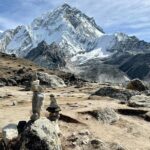
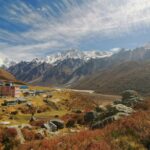
Langtang feels close to the snowline. This trek from Kathmandu into the Valley of Glaciers brings you face-to-face with Langtang peaks, dense forests, waterfalls, and the big, quiet reward of Himalayan ice. If you like real walking days with a clear payoff each afternoon, this is a strong choice.
I love the rhododendron-heavy forest hiking that makes the trail feel alive, even when the valley is winding and remote. I also love Kyanjin Gompa, the last human settlement area where you can visit a cheese factory and see long-standing Buddhist monasteries. It’s not just scenery. It’s culture at trekking pace.
One drawback to plan for: the altitude creep is real, with Kyanjin Gompa at about 3,870m and Tserko Ri near 5,000m. You’ll feel it on steeper days, so choose a slow pace and keep your expectations grounded.
In This Review
- Quick highlights you’ll feel on the trail
- Getting to Langtang: Kathmandu, the drive to Syabrubesi, and why timing matters
- Day-by-day trekking: what each stop really gives you
- Day 2: Syabrubesi hotel night and the trail begins tomorrow
- Day 3: Syabrubesi to Lama Hotel, the forest-and-river warm-up day
- Day 4: Lama Hotel to the Langtang Village viewpoint, forests and grazing animals
- Day 5: Langtang Village to Kyanjin Gompa, a short push with a big reward
- Day 6: Kyanjin Gompa sightseeing and the Tserko Ri viewpoint day
- Day 7: Kyanjin Gompa back down to Lama Hotel, forests and Tamang settlements
- Day 8: Lama Hotel down to Syabrubesi, back to the starting world
- Day 9: Syabrubesi to Kathmandu, then Thamel time
- Day 10: Kathmandu airport drop
- What you’re paying for: $850 and the real value math
- Guides, organization, and why it matters more than you think
- Lodges, meals, and daily comfort: what to expect
- Weather, altitude, and fitness: the honest planning checklist
- Price vs effort: who this trek fits best
- Should you book this Langtang Valley trek?
- FAQ
- How long is the Langtang Valley Trek?
- Where does the trek start, and how do you get there from Kathmandu?
- What is the highest viewpoint on the itinerary?
- Do you stay in lodges during the trek?
- Are meals included?
- Are trekking permits included?
- Do you get a guide, and is porter support included?
- Is WiFi or a hot shower included during the trek?
- Is the trek private?
- What happens if weather is bad?
Quick highlights you’ll feel on the trail
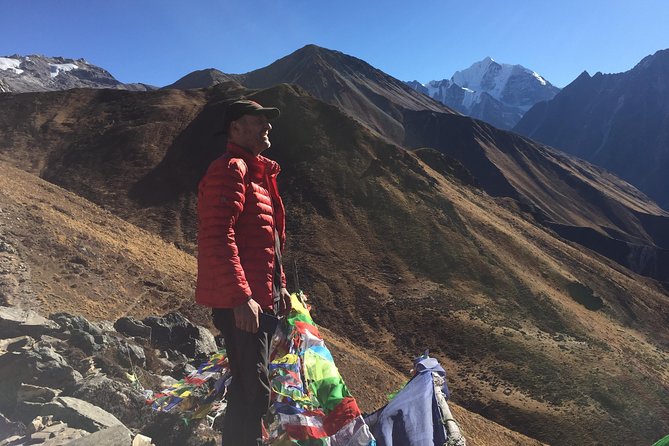
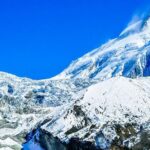
- Valley of Glaciers setting with multiple glacier sources and mountain peaks close-up in clear weather
- Kyanjin Gompa culture stop, including monastery visits and a cheese factory
- Forest walking with rhododendrons plus oak and pine on the way up
- Tserko Ri viewpoint near 5,000m for a panoramic glacier view day
- Lodge-based itinerary with daily meals included so you trek smarter, not constantly shopping
- Experienced Nepal government authorized guides, and plenty of evidence of flexible, on-the-ground coordination
Getting to Langtang: Kathmandu, the drive to Syabrubesi, and why timing matters
Most Langtang trips start with you arriving into Kathmandu (Tribhuvan International Airport). You’ll meet an airport representative and get transferred to a Kathmandu hotel by private vehicle, then have time to settle in.
The trek proper begins with a long but scenic drive from Kathmandu to Syabrubesi in a local jeep. Expect about 7 hours, with views that help set the mood early: Trisuli River along the route, terraced hills, and distant glimpses of Ganesh Himal and Tibet peaks. This day is a mix of comfort and anticipation. It’s also your first reminder to hydrate and keep warm, since road days in Nepal can still get chilly even if the city feels mild.
A practical plus for value: your Kathmandu stay includes two nights with breakfast, plus an included welcome dinner with a cultural dance show. It’s a nice buffer after travel, and it avoids the awkward question of how to handle meals and timing before you even start walking.
You can also read our reviews of more tours and experiences in Kathmandu.
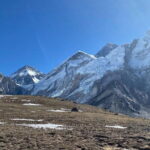
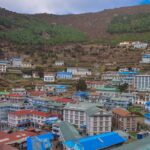
Day-by-day trekking: what each stop really gives you
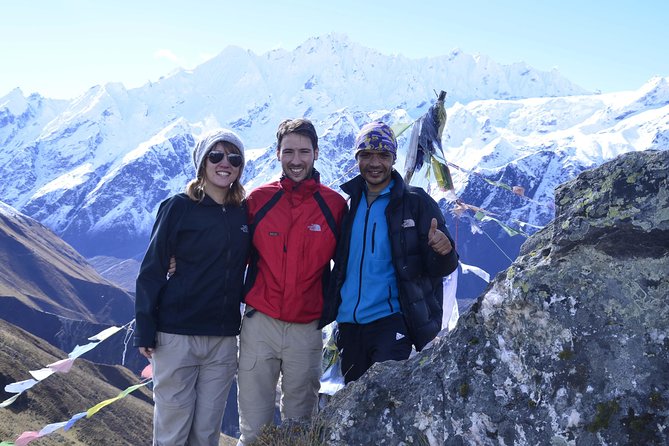
Day 2: Syabrubesi hotel night and the trail begins tomorrow
Syabrubesi sits around 1,500m, and that altitude matters because it gives your body a gentler entry point before you start climbing. You’re not rushing straight into big heights. You’re building rhythm.
Your first night is at a lodge/hotel setup in the Syabrubesi area (the itinerary references Hotel Garden Inn Shyfru Bensi). This is the kind of place that works well for trekkers who want an early start on the first trekking day and don’t want to spend energy hunting for basics.
Day 3: Syabrubesi to Lama Hotel, the forest-and-river warm-up day
Today is your first real trek day, roughly 7 hours. The route follows the Langtang River and weaves through dense forest. You’ll cross suspension bridges and walk stretches that go up and down rather than feeling like a steady grind.
This is a good day for two reasons. First, the walking styles in this part of the valley train you for what comes later: bridges, switchbacks, and trail rhythm. Second, it’s where the region’s plant life shows up early—this isn’t a barren “stone only” trek. It feels alive.
You’ll sleep at Lama Hotel, a lodge stop that sets you up for the next ascent. Lodge life here also gives you a feel for what your nights will be like: simple, warm enough, and focused on rest.
Day 4: Lama Hotel to the Langtang Village viewpoint, forests and grazing animals
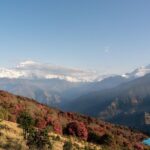
The itinerary calls this day about 6 hours and describes a climb through rhododendron, oak, and pine forests. This is the day where rhododendron season can make the trail especially memorable, since Nepal’s national flower fits naturally into the higher, cooler forest zones.
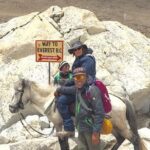
Another thing I like about this section is the “human scale” moments: the view opens toward grazing areas and you can see domestic animals such as yaks, cows, sheep, goats, and horses. The route also highlights Langtang Village as one of the oldest settlements along this trail. It’s a reminder that this is not just hiking territory—it’s home for people adapting to mountain life.
You’ll stay at a lodge in the Village View Hotel & Lodge area. Think of this stop as part scenic, part practical: you’ll recharge so you can handle the next day’s leap into the Gompa zone.
Day 5: Langtang Village to Kyanjin Gompa, a short push with a big reward
Today is shorter—about 3 hours of trekking to reach Kyanjing Gompa. That matters because you’ll arrive with more energy for the experience itself, not just the physical arrival.
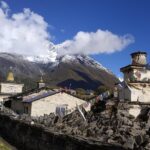
Kyanjin Gompa is described as the last human settlement area in the Langtang valley. That alone changes the feel of the day. You’re not just walking through. You’re reaching the end of the settlement zone where monasteries and daily life matter.
Two very specific, memorable inclusions here:
- a visit to a cheese factory and the chance to buy cheese made locally
- visits to monasteries, which reflect the religious and cultural values of the people here
If you want a trek that blends nature with real community stops, this day is the pivot.
Day 6: Kyanjin Gompa sightseeing and the Tserko Ri viewpoint day
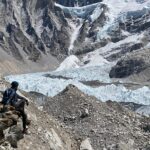
This is your “see it all” day. The itinerary schedules sightseeing in and around Kyanjin Gompa, including older Buddhist monasteries. You’ll also do a walk that aims for views of icy cones of Langtang peaks and glaciers that originate from the Himalayas.
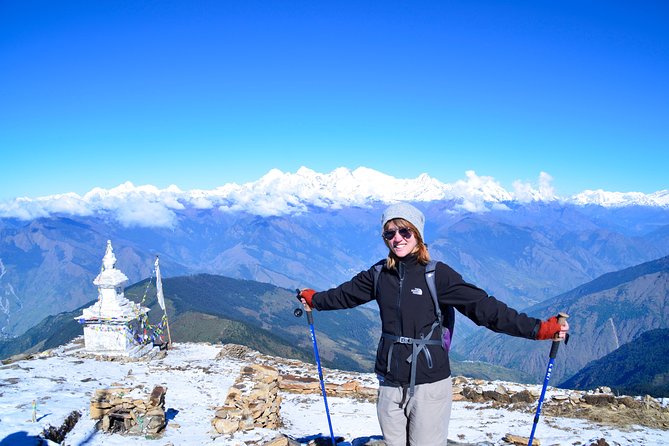
Then there’s the optional-feeling add-on that’s actually the centerpiece for many people: a hike to Tserko Ri (about 5,000m). The reward is a panoramic view of glaciers and also Langshisa Kharka, a yak pasture land. Even if you’re not chasing summits, this is the day when you’ll feel the altitude most clearly.
This is also where that one review-type lesson applies to you: the last climb of the trip can feel challenging, but it’s worthwhile. Plan to take it slow. Let the group set the pace. Your lungs will tell you what’s reasonable.
Day 7: Kyanjin Gompa back down to Lama Hotel, forests and Tamang settlements
After the high-view day, today’s roughly 6 hours downhill to Lama Hotel. The route goes through green forest again and mentions Tamang settlements.
This day is useful in a practical way. Descents reduce altitude stress, and you get time to move your body more smoothly after the sharper effort of Day 6. It’s also a good day for noticing how communities live along the trail, not only at the Gompa end.
Day 8: Lama Hotel down to Syabrubesi, back to the starting world
Another 6-hour easy walk downhill takes you to Syabrubesi. The itinerary frames it as lush green vegetation and an easier pace.
This is the day many trekkers use to shake out legs and get ready for the transition back to Kathmandu. It’s also when you’ll appreciate how much of the experience isn’t dramatic every hour—it’s steady progress, step by step.
Day 9: Syabrubesi to Kathmandu, then Thamel time
You’ll return by local jeep/bus to Kathmandu. The itinerary estimates about 7 hours, then you’ll get taken to your hotel so you can freshen up.
If you want a soft landing, Thamel is the obvious choice for shopping and eating. This is the point where you can turn your trek into a story: buy a few practical trekking souvenirs, enjoy a meal that doesn’t require careful packing, and decide what photos make the final cut.
Day 10: Kathmandu airport drop
Your last day is the airport transfer for your flight home or onwards. It’s simple and standard, but it’s part of the value: the trek doesn’t end and then leave you scrambling to figure out transport.
What you’re paying for: $850 and the real value math
At $850 per person (10 days approx.), the price makes sense mostly because the “big ticket” trekking costs are handled for you. Here’s what’s included that usually adds up fast:
- Airport and hotel shuttle by private car/jeep
- Trekking permits and entry permit fees (the essential paperwork is covered)
- Experienced, Nepal government authorized trekking guide
- Local lodge accommodation during the trek
- Everyday 3 meals during the trek (breakfast, lunch, dinner)
- Kathmandu hotel nights: 2 nights with breakfast
- Local jeep transports: Kathmandu to Syabrubesi and back
- First aid medical kit and a trip achievement certificate
You’re also offered extra practical items if needed: a company duffel bag and sleeping bag to use for the trek.
Things not included are also clear, and you should plan for them:
- Nepal entry visa fee
- international airfare
- WiFi, hot shower, and charging/comfort perks during the trek
- porter service (available for extra cost)
- tips for trekking crews
That list is why this trek can feel like a good deal for the kind of support you get. You’re paying for the structure. You’re paying for the guide and permits. You’re not paying for random add-ons every day.
Guides, organization, and why it matters more than you think
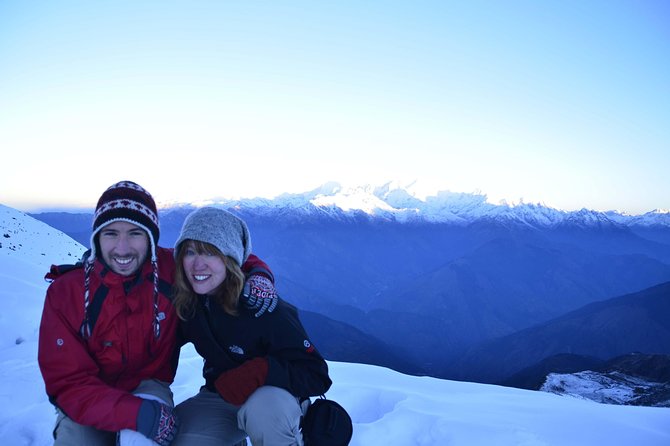
Langtang trekking is not technically extreme for experienced walkers, but it is logistically complex. That’s where your guide makes a difference.
The company behind the trip is Glorious Himalaya Trekking Pvt. Ltd., and the guides you might meet have repeatedly shown up as organized, thorough, and careful with safety. Names that come up include Prakash, Ram, Bishal, Buddhi, Keshab, and Zagat. Even the owner Ganesh is described as coordinating ahead, during, and after the trip, which is the kind of behind-the-scenes work that keeps the trip from feeling chaotic.
What you’ll want from your guide on this route:
- pace control on the ascent days
- help interpreting trail conditions and weather
- smooth handoffs between lodge stops
- willingness to adjust what you can do that day (like viewpoint priorities)
One practical lesson from guide flexibility: some groups have been able to add extra viewpoint effort like Kyanjin Ti alongside Tserko Ri. Don’t assume it’s guaranteed, but it’s a sign you won’t be treated like a robot schedule only.
Lodges, meals, and daily comfort: what to expect
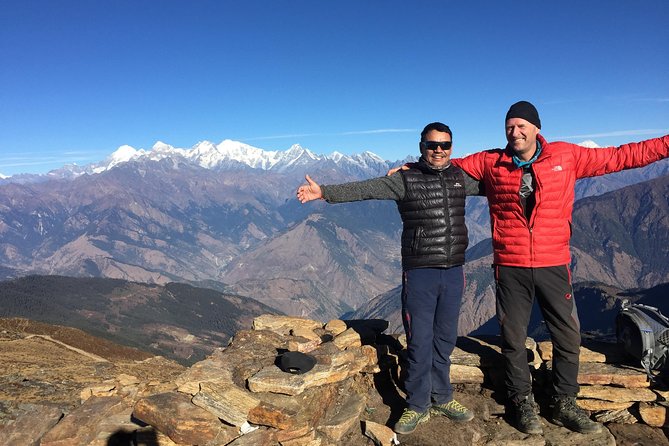
The trek uses local lodges, and you’ll get daily meals. That’s the big comfort win. You won’t be constantly negotiating food stops or worrying if lunch is available somewhere at the right time.
That said, you should still expect “trek reality.” The itinerary does not include WiFi, hot showers, or reliable charging during the trek. Plan for limited electricity and bring a simple charging strategy if your phone matters to you.
If you’re sensitive to cold, you’ll be relying on layers and the sleeping setup you’re provided access to (sleeping bag can be supplied if needed). I like this arrangement because it reduces gear stress before you go, especially if you’re traveling from abroad.
Weather, altitude, and fitness: the honest planning checklist
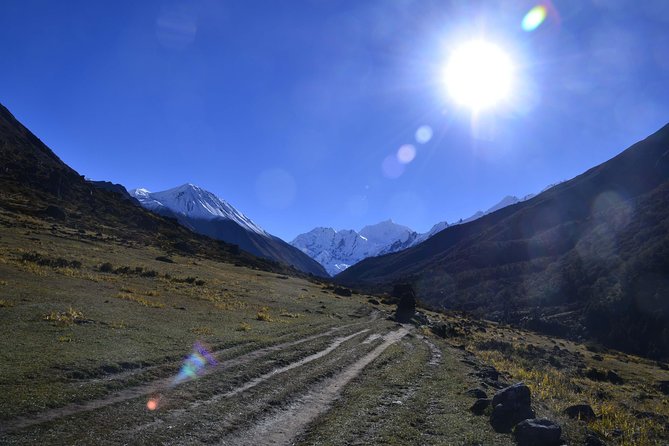
This trek requires moderate physical fitness. That’s a polite way of saying: you should be comfortable walking for hours on uneven trail and handling a few long uphill segments.
Altitude is the other reality. The itinerary highlights Tserko Ri at 5,000m. With Kyanjin Gompa at about 3,870m, your body will notice the thinning air even before you reach the highest viewpoint day.
The smart strategy is simple:
- walk slower than you think you need to
- drink water steadily
- rest when the guide suggests it
Also note the operational reality: the experience requires good weather. If weather shuts things down, you should expect a different date or a full refund.
Price vs effort: who this trek fits best
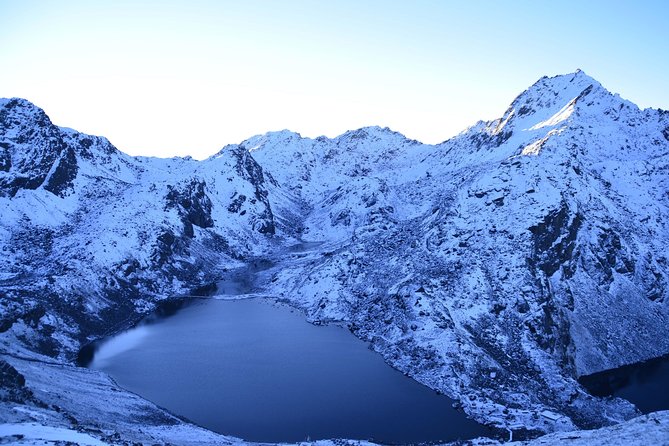
This is a great fit if you want:
- glacier-and-peak views without needing mountaineering gear
- culture touches that go beyond a quick photo stop (cheese factory, monasteries)
- a structured plan with guides and meals handled
- a trek that stays close to Kathmandu but still feels remote
It may be less ideal if you:
- hate altitude days entirely
- need guaranteed hot showers and lots of creature comforts
- don’t want to plan around weather windows
If you’re traveling with limited time, the trek’s pace makes it practical. It’s long enough to feel like a real Himalayan journey, but not so long that you lose momentum.
Should you book this Langtang Valley trek?
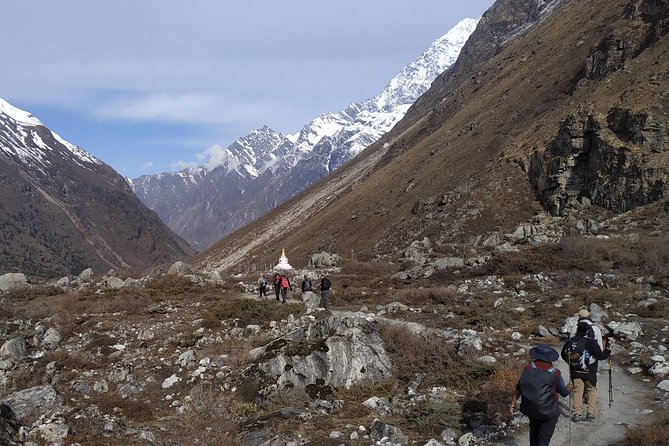
If you want a well-run Nepal trekking route with strong highlights—Kyanjin Gompa, glacier views, rhododendron forest days, and a shot at Tserko Ri—this is an easy recommendation. The value is strongest because the big support items are included: guide, permits, lodge stays, daily meals, and the Kathmandu logistics.
My advice: book if you can meet the moderate fitness requirement and you’re willing to treat altitude seriously. If you do, you’ll come away with a trek that feels both wild and grounded in mountain life—plus the kind of views that make the last steep section worth remembering.
FAQ
How long is the Langtang Valley Trek?
It runs for about 10 days.
Where does the trek start, and how do you get there from Kathmandu?
You travel from Kathmandu to Syabrubesi by local jeep, which takes about 7 hours.
What is the highest viewpoint on the itinerary?
The walk to Tserko Ri is listed at about 5,000m.
Do you stay in lodges during the trek?
Yes. You’ll have local lodge accommodation during the trekking days.
Are meals included?
Yes. The itinerary includes everyday 3 meals during the trek: breakfast, lunch, and dinner.
Are trekking permits included?
Yes. Essential trekking and entry permit fees are included.
Do you get a guide, and is porter support included?
You get an experienced Nepal government authorized trekking guide. Porter service is available but listed as extra cost.
Is WiFi or a hot shower included during the trek?
No. WiFi, hot shower, and charging related services are not included.
Is the trek private?
Yes. It’s described as a private tour/activity, with only your group participating.
What happens if weather is bad?
The experience requires good weather. If it’s canceled due to poor weather, you’ll be offered a different date or a full refund. Also, cancellations are free up to 24 hours in advance for a full refund.