REVIEW · SICILY
Etna Trekking Morning or Sunset Known as Ring on the Valley
Book on Viator →Operated by Etna Azimut Excursions · Bookable on Viator
Etna on foot feels like walking the Moon. This is a small-group Mount Etna hike that moves through lava flows and the distinctive buttonhole craters, then caps the day with a descent into a real lava-tube cave at Grotta Cassone. I like how the route is built around big volcanic moments, not just quick photo stops, and how the guide frames what you’re seeing as living geology.
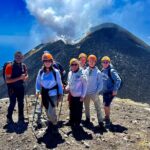
Two things I really like: you get a certified nature guide (Italian “pursuant to Law 4/2013”) who explains what’s happening on the volcano as you walk, and the cave visit includes speleologist helmet and torches so it feels hands-on, not scripted. You’ll also get trek support like poles, jackets, and a backpack, plus snacks and a small surprise sweet tasting to keep your energy steady.
One consideration: this is moderate hiking. The walking is not just scenic strolls, and the terrain includes fine soft lava sand, so you’ll want proper footwear (rental is available, but it costs extra) and you should be comfortable walking for several hours.
In This Review
- Key things to know before you go
- Entering Etna without the usual tourist rush
- Piazzale Rifugio Sapienza: the coffee briefing and the lunar start
- Craters Silvestri: buttonhole craters you can actually read
- The climb toward Mount Etna: flora, fauna, and altitude changes
- Valle del Bove: crossing lava deserts to a massive caldera view
- “Soft-challenge” on lava sand: feeling Etna underfoot
- Grotta Cassone lava tube: helmet, torches, and cave science
- Half-day vs full-day: how to choose the right pacing
- Pickup, meeting points, and how not to lose time
- Gear and comfort: what’s included and what you should still bring
- Price and value: is $108.14 a good deal here?
- Who this Etna trek fits best
- Should you book Etna Trekking Ring on the Valley?
- FAQ
- How long is the half-day and full-day option?
- Is pickup from Catania available?
- What’s included in the tour fee?
- Do I need to rent trekking shoes?
- How large is the group?
- What language is the tour in?
- What happens if weather is poor?
Key things to know before you go
- Small group size (max 8 travelers) means more attention and easier pacing on a changing route.
- Poles, jackets, and backpacks included so you travel lighter, especially in cooler or windy weather.
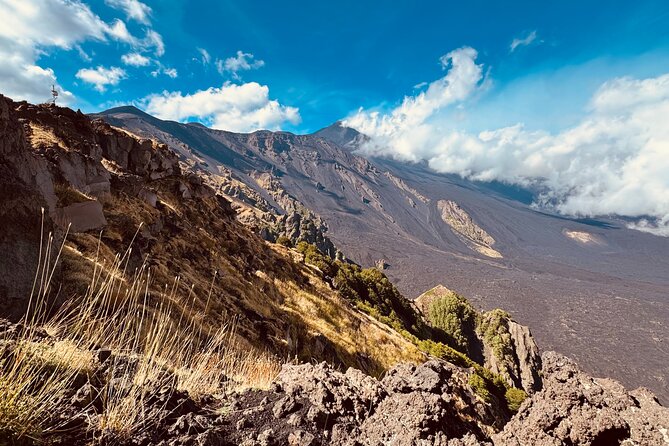
- Valle del Bove caldera viewpoint: long panoramic payoff over Ionian and Tyrrhenian coasts on clear days.
- Fine lava sand segment gives you a very Etna feeling underfoot, not just a view from a distance.
- Grotta Cassone lava tube visit with helmet and torches turns the volcano into something you can experience at close range.
- English-speaking guide plus a mobile ticket makes this straightforward to manage.
Entering Etna without the usual tourist rush
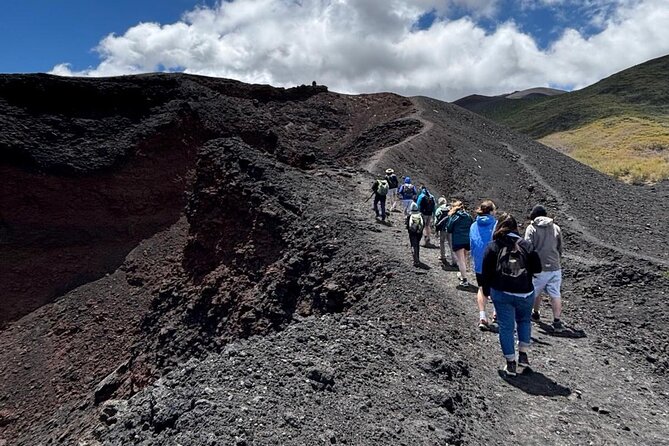
If you’ve done Sicilian tours before, you know the pattern: bus to viewpoint, 10 minutes, bus away. This outing trades that rhythm for walking time. The tour’s “Ring on the Valley” name fits the way you move across Etna’s volcanic features—up in altitude, across open lava terrain, then down into a lava tube cave—so you’re seeing the volcano like a system, not a single postcard.
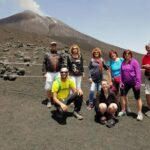
I also like that the day starts with a real warm-up: at Piazzale Rifugio Sapienza you get a coffee with the guide and a short briefing before the trek begins. It sets expectations, and it helps if you’re not used to how volcanic ground changes under your feet. And because group size tops out at 8, you’re not constantly waiting in line or getting shuffled around.
For the views, timing matters. Since this experience is offered as a morning or sunset option, plan to match your priorities: morning tends to give you clearer visibility for big-distance panoramas, while sunset can make the lava tones look extra dramatic over Valle del Bove.
You can also read our reviews of more tours and experiences in Sicily.
Piazzale Rifugio Sapienza: the coffee briefing and the lunar start
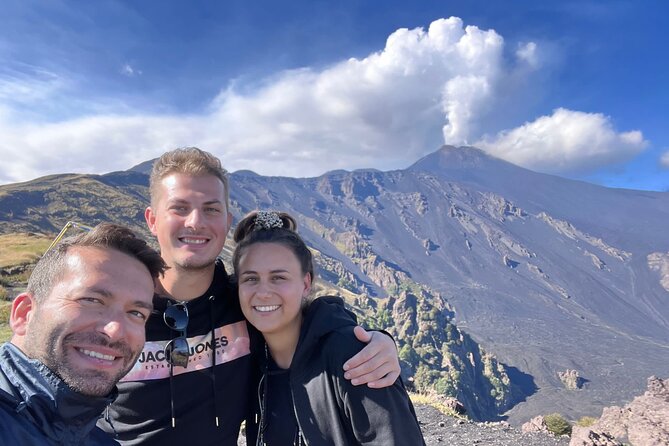
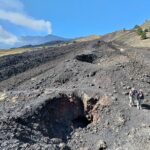
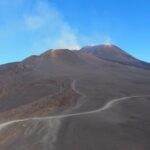
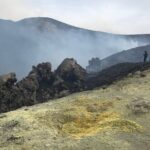
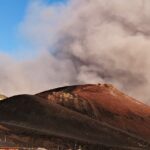
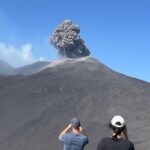
Your first stop is Piazzale Rifugio Sapienza, where the guide welcomes you with coffee and runs through a quick orientation. Then you head out into one of Etna’s trademark settings: lava flows and the characteristic buttonhole craters. These craters can look almost engineered from a distance, but up close you get a better sense of how complex the volcano’s past activity has been.
This segment is short—about 30 minutes—but it’s doing a job. You’re being introduced to the terrain before you climb more seriously, so when you reach later stops like Craters Silvestri and Valle del Bove, the names and shapes mean something.
A small practical note: the tour includes admission ticket coverage for key stops along the way. At this first stop, the ticket is listed as free, and the later stops include ticket access, which is helpful because it removes some friction from what can otherwise be a paperwork-heavy day.
Craters Silvestri: buttonhole craters you can actually read
Next comes the Craters Silvestri of Mount Etna stop. The experience here continues the same theme as the first introduction, but with more time to notice details. You’ll be guided through the volcanic features that include those buttonhole-style craters and you’ll hear how certain areas tie to more recent eruptions and destruction in modern times.
Why this stop matters: it’s your chance to connect what you’re seeing with the story your guide is telling. Etna is active, and the ground doesn’t look “static.” Even when the surface looks stable, the volcano’s history shapes how the terrain is layered and how it supports vegetation (or doesn’t).
One perk for photographers: this is the stage where the volcanic geometry is easiest to understand. When you see it the first time, it feels alien. After this, it starts to click.
The climb toward Mount Etna: flora, fauna, and altitude changes
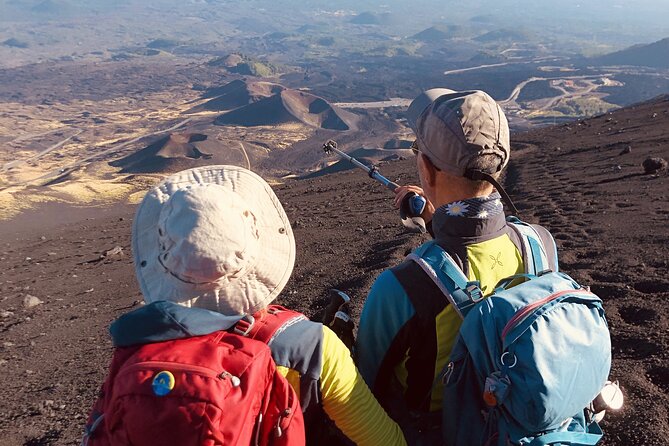
Then you start walking step by step, increasing altitude. This is where the tour gets more than visual. As you gain elevation, the path changes the way the ground feels and the way the air feels. The itinerary calls out endemic flora and native fauna, including what’s growing inside and outside the woods of the high-mountain belt.
If you like nature guides who can talk beyond facts—like why a certain plant grows where it does—you’ll appreciate this part. It’s also a relief from sand and sharp rock. Forest edges on Etna can look rugged but lived-in, and the shift helps your legs too.
There’s also a timing benefit for your day. Spending time at this altitude transition before hitting Valle del Bove means you’re not immediately thrown into the most exposed terrain. The walking builds gradually.
Valle del Bove: crossing lava deserts to a massive caldera view
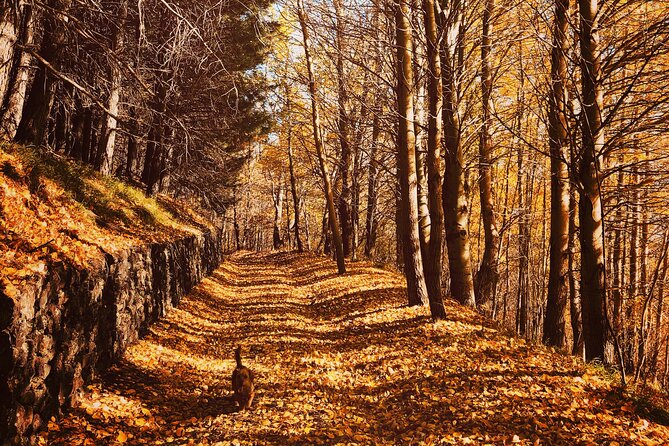
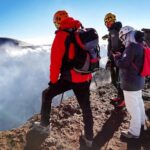
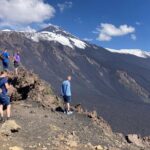
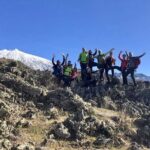
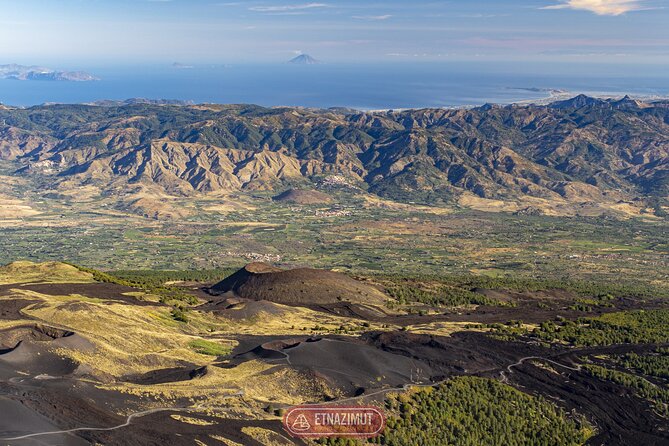
Valle del Bove is the emotional payoff stop. You’ll cross sandy deserts, small depressions, and areas where vegetation has learned to grow in lava-desert conditions. The route is paced so you reach the caldera depression feeling like you’ve earned it.
What you’re aiming for is a big panorama described as jaw-dropping: you can see elements ranging from the summit area of active craters to wide-open views toward the Ionian Sea and historical cities of Greek origin. On good visibility days, you can also spot Calabria and even parts of the Tyrrhenian Sea, with the Strait of Messina visible when conditions allow.
This is also the kind of stop where your guide’s explanations make the view “readable.” Valle del Bove isn’t just pretty. It’s a structural feature of Etna that helps you understand the volcano’s shape and how eruptions carve and reshape space over time.
Potential drawback here is weather dependence. If visibility drops into fog, you may not get the far-distance view the same way. The route still works as a walk, but the panoramic payoff can shrink.
“Soft-challenge” on lava sand: feeling Etna underfoot
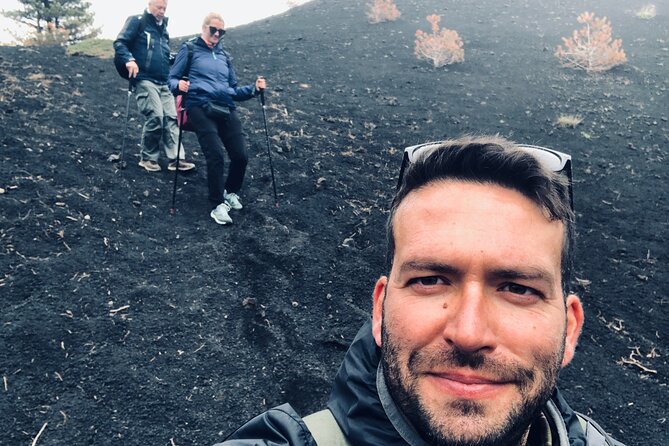
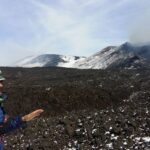
After Valle del Bove, the tour moves into a stretch on Mount Etna that’s described as “soft-challenge.” This is the part where you may feel a very specific Etna sensation: sinking your legs and feet into fine, soft lava sand.
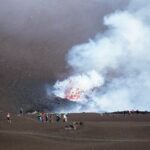
It sounds simple, but it’s important. Lava sand is light, loose, and not like normal dirt. It teaches you what the volcano produces during its more forceful moments—at least in physical terms. You’re essentially walking over material that the volcano can throw into the air, then leave behind on the ground.
Also, there’s a fun factor here when conditions allow. One guide-led outing I saw people describe included a slide-like return over dried lava. The exact playfulness depends on route and safety decisions, but the vibe is consistent: the guide helps you move through this terrain in a way that feels both safe and a little adventurous.
Grotta Cassone lava tube: helmet, torches, and cave science
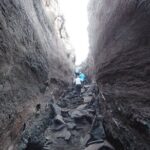
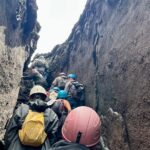
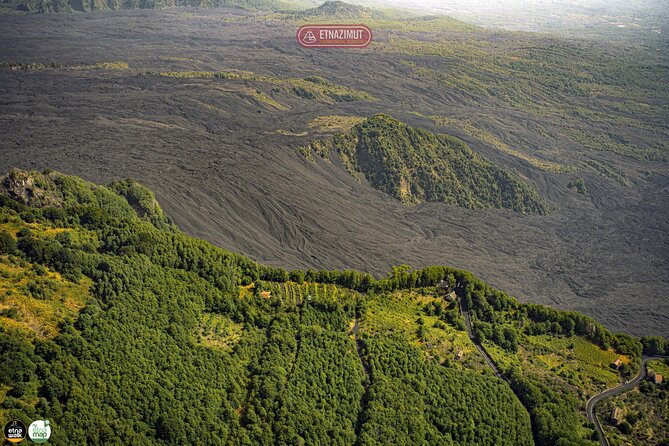
The last major stop is Grotta Cassone, where you descend into a lava flow cave (a lava tube) formed during a volcanic eruption. This is one of the most memorable parts of the day because it turns a hike into a full volcano experience, not just a walking tour.
You’ll be equipped with a speleologist helmet and torches, so you can see the cave interior without guessing. The guide connects what you’re experiencing to real phenomena related to how lava flows travel underground. You’ll also hear myths, legends, and historical traditions connected to caves, which helps explain why these places matter to local culture beyond science.
Why I think this works so well: caves are naturally immersive, and adding safe lighting plus a guide’s explanation makes it feel like discovery, not a random walk in the dark.
One practical note: even if it’s warm outside, caves can feel cooler and damp. Bring a layer you can tolerate, and rely on the included jacket support if you need it.
Half-day vs full-day: how to choose the right pacing
This experience is offered with two formats:
- Half-day: about 5 hours of trekking plus the lava tube cave visit
- Full-day: about 7 hours of trekking plus the lava tube cave visit
So even though the overall listing includes a duration label that can look confusing, your real planning should focus on those trekking time blocks. If you’re on a tight Sicily itinerary, the half-day option can give you most of the Etna character. If you want more time on the volcanic ground and a longer rhythm for views and stops, go full-day.
My rule of thumb: pick full-day if you’re a regular walker and want the day to feel unhurried. Pick half-day if you want Etna to be the anchor activity but still keep energy for other Catania-area plans later.
Pickup, meeting points, and how not to lose time
If you’re staying around Catania, the tour offers pickup. One meeting point is listed at SP92, 19, 95032 Nicolosi CT, Italy. Pickup details are also provided for a starting location in Corso Sicilia n°64, about a 5-minute walk from Piazza Stesicoro and via Etnea, in front of Lidl, next to the Catania bus shelter and the AMTS car park.
This matters because Etna days can swallow time if you’re scrambling to find the right car. The more you can use the pickup, the less your day turns into transportation math.
Transfer costs vary by where you start:
- Air-conditioned vehicle transfer from Catania and province is listed at +25€/person
- Transfer from Taormina and Giardini Naxos is listed at 45€/person
If you’re trying to keep costs down and you’re already near Catania, you might plan for the pickup option only if it saves you real time. If you’re far from Nicolosi, it can be worth it.
Gear and comfort: what’s included and what you should still bring
The tour includes trekking equipment like poles, jackets, and backpacks. That’s a big value add because it reduces what you need to pack and worry about. The cave visit also includes helmet and torches, which means you don’t need to bring your own headlamp.
What’s not included:
- Rental trekking shoes: €5.00 per person
- Rental baby trekking backpack: €20.00 per person
- Lunch (or anything not included in the program)
So if you don’t own hiking shoes, plan for either bringing your own or budgeting for the rental fee. Even if the included gear helps, footwear still affects how safe and confident you feel on fine lava sand.
Also consider that this tour is suitable for regular hikers in good health and for families with children, as long as they’re used to walking. The tour is described as having moderate physical fitness requirements, so if you’re coming from a mostly sedentary vacation, I’d set expectations and move at a steady pace.
Price and value: is $108.14 a good deal here?
At $108.14 per person, this isn’t a bargain-basement excursion. But in Etna terms, the pricing can feel fair because the fee covers several things that other tours often charge separately or leave to you:
- a qualified nature guide under Italian law
- access to the cave experience, including helmet and torches
- trekking support equipment (poles, jackets, backpacks)
- admission ticket coverage at major stops along the route
- snacks and a small surprise sweet tasting
- coffee at the start
Then there are costs you can expect on top if you need them: trekking shoe rental and possibly a paid air-conditioned transfer depending on your starting town. Lunch isn’t included, so you’ll want to plan what you do afterward.
My take: if you want a guided Etna day that includes both volcanic walking and a lava tube cave visit, this price makes sense. If you already own hiking shoes and you’re close enough to skip the transfer costs, the value improves.
Who this Etna trek fits best
This is a strong match if you:
- want a guided Etna experience that’s not just one stop
- enjoy geology explanations paired with actual walking
- like small groups (max 8) and a guide who can keep pace realistic
- want a cave visit, not just an outdoor viewpoints day
It’s also a reasonable family choice if your kids are used to walking and you’re okay with a several-hours trek on volcanic terrain. Service animals are allowed, and the meeting point is near public transportation, which can help if you’re building your own Sicilian logistics.
Where it may not fit as well: if you’re looking for an easy stroll with minimal uneven ground, or if you’re uncomfortable on loose, fine sand. This tour’s “soft-challenge” section makes that part of the identity.
Should you book Etna Trekking Ring on the Valley?
If you want Etna to feel real—lava underfoot, a wide caldera view at Valle del Bove, and a helmet-and-torches descent into Grotta Cassone—then yes, I’d book it. The combination of included equipment, a small group size, and the cave finale gives you more than a typical one-viewpoint excursion.
Before you click confirm, check your footwear plan and your stamina. If you’re the type who likes to walk at a steady pace and learn as you go, this is a fun, grounded way to experience Sicily’s most active mountain.
If you tell me your travel dates and whether you’re choosing morning or sunset, I can help you decide which format (half-day or full-day) best matches your itinerary and energy level.
FAQ
How long is the half-day and full-day option?
The half-day option includes about 5 hours of trekking plus the lava flow cave visit. The full-day option includes about 7 hours of trekking plus the lava flow cave visit.
Is pickup from Catania available?
Pickup is offered. There’s an air-conditioned vehicle transfer listed at +25€/person from Catania and the province, and +45€/person from Taormina and Giardini Naxos.
What’s included in the tour fee?
You get a qualified and certified nature guide (pursuant to Law 4/2013), trekking equipment such as poles, jackets, and backpacks, and snacks plus a small surprise sweet tasting. The cave visit is included, and admission ticket coverage is included for key stops on the route.
Do I need to rent trekking shoes?
Trekking shoes rental is not included, but it is available for €5.00 per person. If you don’t have suitable footwear, plan to rent them.
How large is the group?
The tour has a maximum of 8 travelers.
What language is the tour in?
The tour is offered in English.
What happens if weather is poor?
The experience requires good weather. If it’s canceled due to poor weather, you’ll be offered a different date or a full refund.