REVIEW · KATHMANDU
14 Days Private Manaslu Circuit Trek in Nepal
Book on Viator →Operated by Heaven Himalaya · Bookable on Viator
Manaslu feels wild and personal. This 14-day private Manaslu Circuit trek gives you the big mountain payoff plus real village life, with a clear route all the way to the Larkya La crossing. I like how Heaven Himalaya keeps logistics tight (pickup, transportation, lodges, meals), and I also like the human side: guides such as Prem Dahal are the kind of steady presence that makes long days feel manageable. The catch is simple: this trek is demanding and it depends on weather, so you should be ready for schedule changes if conditions turn.
Before you go, decide what you want most: bragging rights at a high pass, or a quieter pace with good organization. If you’re the first type, you’ll love the physical challenge and the views. If you’re the second type, you’ll still get the scenery, but you’ll also appreciate how the plan helps you stay rested and focused.
In This Review
- Key things that make this Manaslu Circuit trek worth your time
- Entering the Manaslu Circuit: why this route feels so different
- Price and value: what $1,800 per person really buys
- Kathmandu first day: the simple win of a proper landing
- From Kathmandu to Soti Khola: easing in with an 8–9 hour drive
- River valleys and Gurung villages: Soti Khola to Jagat to Deng
- Namrung and Samagaon: the monastery-and-mountain phase
- Samdo and Larkya Phedi: borderland air and getting closer
- Crossing Larkya La to Bhimthang: the hardest day, for a reason
- Dharapani and the ride back: leaving the mountains without losing the magic
- How Heaven Himalaya’s team affects your experience (and why names matter)
- Who this private Manaslu trek fits best
- Should you book this Manaslu Circuit trek with Heaven Himalaya?
- FAQ
- How long is the Manaslu Circuit trek with this private option?
- Where does the trip start, and do you provide pickup?
- What fitness level is this trek for?
- What is the toughest part of the trek?
- What happens if weather is bad?
- Is it really private?
Key things that make this Manaslu Circuit trek worth your time
- Private, just your group: you’re not sharing your pace with random people, which matters on a multi-day trek.
- A well-handled start in Kathmandu: airport pickup and a real buffer day help you absorb Nepal before walking uphill.
- Village-to-village culture you can actually see: Gurung settlements, monasteries, mani walls, and chortens show up naturally along the way.
- Big-altitude drama at Larkya La: that day is the point of the whole circuit, and you’ll feel it when you’re there.
- A rest day that’s not wasted: Samagaon gives you time to explore instead of rushing through.
- A team approach: Heaven Himalaya’s leadership and guides (names like Ramhari, Sanjeev, Dipak, Babu, and Bishal show up) are built around keeping your trip smooth.
Entering the Manaslu Circuit: why this route feels so different
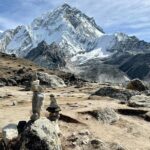
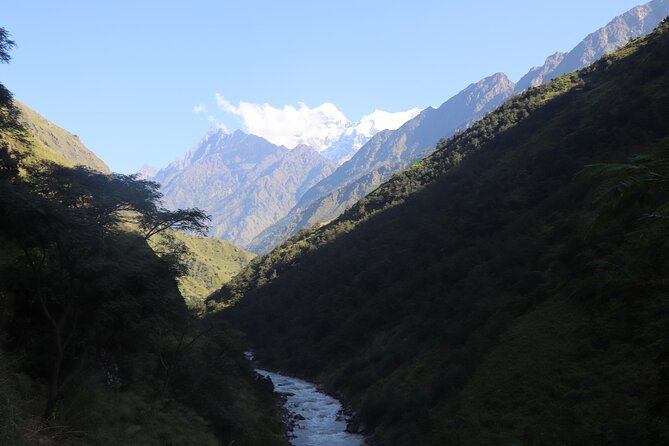
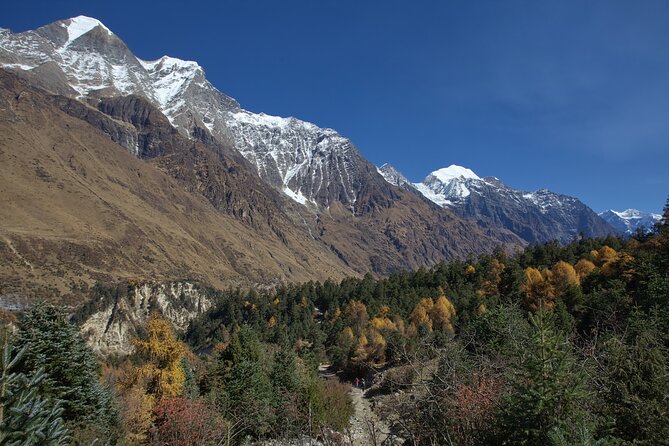
The Manaslu Circuit is a serious trek, but it doesn’t feel like a checklist. The trail moves through river valleys, forested stretches, and then climbs into that thinner-air world where the mountains look close enough to touch. What keeps it interesting is the mix: you get local life in the villages and then you get those big, open views that make you stop talking for a while.
This version, run by Heaven Himalaya, is built around making the whole thing practical. You’re picked up in Kathmandu, transported to the trailhead, and kept in lodges with meals handled along the route. That matters because trekking isn’t just about willpower—it’s about keeping your body fueled, sleeping well, and not losing half a day to small confusion.
The biggest “real talk” point: you’re crossing Larkya La at the top. That means cold, wind risk, and weather dependence. You’re not in control of all of it, so the best mindset is flexible and patient.
You can also read our reviews of more tours and experiences in Kathmandu.
Price and value: what $1,800 per person really buys
At $1,800 per person for about 14 days, you’re not paying for a “low-cost DIY adventure.” You’re paying for a private structure and support that removes the everyday headache of organizing a trek this long and this remote.
Here’s how I think about value on a trip like this:
- You’re buying time and stress reduction. Airport pickup, a full drive day to the trail start, and planned lodge nights reduce decision fatigue.
- You’re buying planning muscle. With a high point trek day, you want a team that can keep the route moving and adapt when conditions shift.
- You’re buying continuity. A private group means your guides can keep your pace consistent and your needs in mind across the whole circuit.
If you’ve done trekking in Nepal before and you already know how lodges work, you might find ways to do it cheaper. But if you want the trek to feel like a journey instead of a project, this price-to-structure ratio makes sense.
Kathmandu first day: the simple win of a proper landing
Day 1 is Kathmandu, with pickup from Tribhuvan International Airport and a transfer to your hotel. Then you get the rest of the day free to rest and explore at your own pace.
That “free but supported” day is more valuable than it looks. Trekking trips go sideways when people rush straight from jet lag into a long drive and a first day of hiking. Here, you can get your bearings fast—eat real food, hydrate, and don’t waste your energy on navigating the city.
Also, because this is a private experience, you’re not forced into a group plan that might not match your sleep schedule. That helps a lot when Day 2 is a long road push toward the trail.
From Kathmandu to Soti Khola: easing in with an 8–9 hour drive
The next day starts with breakfast, then you’re driven to Soti Khola, the trek’s starting point. The drive takes around 8–9 hours, and it’s long enough that it sets the tone for the whole trip.
Why this matters: your first walking day needs to feel like a start, not a punishment. A day-one road transfer means you likely begin the trek fresh instead of doing extra travel on the day you first start climbing.
Then you hit the first walking stretch toward Machhakhola, crossing bridges and seeing river views along the way. Expect forested sections and small village rhythms—nothing flashy yet, but it gets your legs into the groove.
River valleys and Gurung villages: Soti Khola to Jagat to Deng
This section is where the circuit starts to feel like Nepal, not just mountains on the horizon.
Machhakhola (Day 3 stretch): You’ll climb gently through lush forest and pass small settlements. You’ll cross suspension bridges and follow the Budi Gandaki River area. The village approach feels lived-in, and it helps you understand how the river corridor shaped daily life.
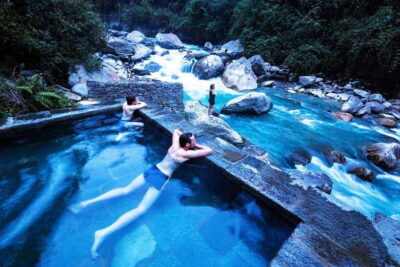
Jagat and Tatopani area (Day 4): This day is a bit more work. You’ll cross streams, climb and descend steeper hills, and move through forests and terraced fields. One highlight is passing through the Gurung village area of Tatopani, known for natural hot springs. Even if you don’t soak every ache away, the hot-spring reputation is a reminder that people here live with the mountains up close.
Deng (Day 5): Today includes a descent to the river and another suspension bridge crossing, then a rocky path through forests. Deng is a small village with views of the surrounding peaks—so you get that first taste of the dramatic part of the route while still moving steadily forward.
Practical note: days like these help you build confidence for later stages. You’ll be tired, sure, but you’ll also learn the rhythm: uphill effort, careful footing on uneven ground, and steady pacing.
Namrung and Samagaon: the monastery-and-mountain phase
By the time you reach Namrung, the trek starts to shift from river-and-village walking into that higher, more spiritual-feeling world.
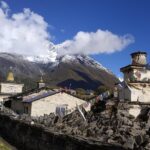
Namrung sits under pine and rhododendron forest, and you pass chortens and mani walls. Those stone symbols aren’t just decoration—they mark the path culturally. You also get one of the circuit’s recurring themes here: hillside villages with views that make you feel like you’re living in the shadow of the mountains.
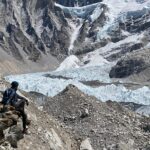
Then comes Samagaon (Samagaun), with a route through Lihi and Hinang. Here, the big story is the scenery: you’re in a position where Mount Manaslu and neighboring peaks can show up clearly, and the village itself has Buddhist monastery vibes and traditional houses.
Rest day in Samagaon (Day 8) is a smart move. Instead of marching every day, you get time to explore the monastery and take a hike toward nearby glaciers and lakes. This is the kind of break that actually helps for the harder days ahead, because you can sleep well and move a little instead of constantly being in “grind mode.”
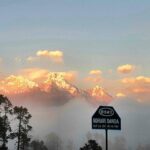
If you like quiet moments—watching light change on peaks, walking without a clock—that rest day is one of the best uses of time on the circuit.
Samdo and Larkya Phedi: borderland air and getting closer
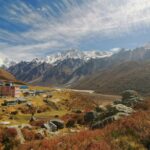
Next you’ll trek toward Samdo, a small village known for traditional Tibetan houses and culture, and it sits near the border with Tibet. The trail moves through juniper and birch forests, and the higher you go, the more the world feels open and spare.
Samdo is the point where the circuit starts to feel like a transition zone. You’re not fully in the “city comfort” world anymore, and you’re not yet at the pass. It’s a practical in-between stage: the air is thinner-feeling, and you’re mentally preparing.
Then you push toward Dharamsala (Larkya Phedi). This is the base camp area for the Larkya La crossing. Even if you don’t see the summit day’s full drama yet, this is where the trek starts to line up like a finale: you’re gaining a significant amount of altitude, and the day is described as short but challenging.
This is also a good time to remember what Heaven Himalaya is trying to do well: keep you safe and moving with an experienced plan. On a high pass trek, a team’s calm communication can be the difference between panic and focus.
Crossing Larkya La to Bhimthang: the hardest day, for a reason
Day 11 is the big one: crossing Larkya La, the highest point of the trek.
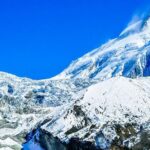
That pass day is described as the most challenging and exciting. You’ll have stunning views across surrounding peaks, with sights that can extend toward Annapurna II and Himlung Himal after the crossing. Then you descend to Bhimthang, where the scenery shifts again—lush forests and a landscape that feels greener and more sheltered after being high.
This is why people do the Manaslu Circuit. You don’t just walk for days; you build toward a specific physical and mental hurdle. The top day forces you to take it seriously—slow steps, steady breathing, and trusting the plan.
Then the descent matters too. It’s one thing to reach the pass; it’s another to come down safely and still feel like you can enjoy the trek. The descent to Bhimthang is where you start to breathe easier again.
Dharapani and the ride back: leaving the mountains without losing the magic
After Bhimthang, the circuit continues with a gradual descent through forests and terraced fields toward Dharapani.
You’ll pass through Tilije and Thonje on the way. Dharapani is a small village with views and traditional culture, and by then you’re moving like someone who has already crossed something big—your body remembers it, but your mind also feels lighter.
The final big step is going back to Kathmandu by vehicle, about 8–9 hours. Day 13 gives you that long ride, passing villages, rivers, and forested stretches. Then you get one more Kathmandu day to rest or explore before heading to the airport on departure day.
This end phase is worth noting: many trekking trips rush the finish. Having a full return day means you can reset without feeling like you’re constantly in transit.
How Heaven Himalaya’s team affects your experience (and why names matter)
On a long trekking circuit, the difference between a stressful trip and a smooth one often comes down to the people you’re traveling with. Heaven Himalaya presents itself as a company that plans the whole flow—transportation, accommodation, meals, and day-to-day support—with an emphasis on responsible tourism.
What I like about their approach is that it’s practical. You’re not left guessing how things work in a remote region. And in the trekking world, that’s huge.
The reviews you shared include praise for specific members of their team, which you can use as a clue when you’re booking. Names like Prem Dahal show up as a guide people feel comfortable recommending. You’ll also see leadership and support credited to Ramhari and others like Sanjeev, Dipak, Babu, and Bishal.
You can’t always choose your guide, but it’s fair to ask the booking team who will be assigned and what experience they have with Manaslu-style trekking. If they can clearly explain roles and keep answers prompt, that’s a good sign.
Also, the company claims a commitment to responsible and sustainable tourism. Since that’s the stated goal, it’s smart to ask what they do on the trail to reduce waste and support local communities. A good answer will be specific and consistent with how they run the trek day to day.
Who this private Manaslu trek fits best
This trek is aimed at people with moderate physical fitness. That doesn’t mean it’s gentle. It means the plan is for travelers who can handle multi-hour days, varied terrain, and a high pass crossing without needing it to be easy.
You’ll likely enjoy it most if:
- You want a private group where your pace isn’t dictated by strangers.
- You like cultural stops: monasteries, mani walls, chortens, and village life along the way.
- You’re motivated by a major challenge day at Larkya La and want the reward of a big, earned view.
If you’re someone who wants everything to be flat and casual, this isn’t your route. But if you want a serious trek with real local texture, this circuit makes a lot of sense.
Should you book this Manaslu Circuit trek with Heaven Himalaya?
Yes, if you want the Manaslu Circuit experience with the friction taken out. The route makes sense, the support structure is built in, and the private format helps your body and mind stay in sync for the hard day at Larkya La.
I’d think twice if:
- You’re not comfortable with weather uncertainty on a high-pass itinerary.
- You want a purely budget trip and would rather manage lodging and routing yourself.
- You’re looking for a short trek. This is a real 14-day commitment.
My decision checklist is simple: if you’re ready for challenge, flexible enough for weather, and you value a calm, well-organized team, this is a strong booking.
FAQ
How long is the Manaslu Circuit trek with this private option?
The trek is listed as about 14 days.
Where does the trip start, and do you provide pickup?
The start point is Tribhuvan Airport in Kathmandu, Nepal, and pickup is offered.
What fitness level is this trek for?
The experience notes that you should have a moderate physical fitness level.
What is the toughest part of the trek?
The crossing of Larkya La is described as the most challenging and exciting day, followed by a descent to Bhimthang.
What happens if weather is bad?
This experience requires good weather. If it’s canceled due to poor weather, you’ll be offered a different date or a full refund.
Is it really private?
Yes. It’s described as a private tour/activity, so only your group participates.