REVIEW · KATHMANDU
Annapurna Poonhill Trek
Book on Viator →Operated by Himalayan Circuit · Bookable on Viator
A Himalayan sunrise is the whole point here. This Annapurna Poon Hill trek is built around one of the world’s best early-morning mountain views, with a mix of forest paths, steep steps, and classic Gurung villages. I also like how it connects big trekking effort with an easy rhythm after the summit moment, so you get the wow factor without living out of a backpack for weeks.
Two big things to love: private trekking (so you move at your group’s pace) and the structure that keeps you fed and moving, thanks to meals on trek and organized transportation. The only real drawback to consider is that it’s weather-dependent, and you’ll be up early for sunrise, including a very early start from Ghorepani to Poon Hill.
In This Review
- Key highlights worth caring about
- First stop: Thamel to the mountain route
- Kathmandu to Pokhara: the ride that sets your mood
- Day 3 on the trail: Nayapul to Tikhedhunga (easy by comparison)
- Day 4: Tikhedhunga to Ghorepani and the Ulleri stair workout
- Day 5: Ghorepani to Poon Hill at 4 am (the sunrise math)
- Day 6: Tadapani to Ghandruk and the Gurung village feel
- Day 7: Back down toward Pokhara via Dhampus and Phedi
- Day 8: Sarangkot sunrise and an easy landing back in Kathmandu
- Day 9: Airport transfer and departure
- Price and value: what you’re really paying for
- Who this trek suits best
- Trekking pace, difficulty, and what to expect on your feet
- Packing and comfort: small things that matter
- Guide support and the human touch
- Should you book the Annapurna Poon Hill trek?
- FAQ
- What is the meeting point and start time for this trek?
- How long is the Annapurna Poon Hill trek?
- Is pickup offered?
- What’s included in the price?
- Are meals included during the trek?
- Do I need to bring my own sleeping bag and warm jacket?
- What’s the big highlight day for mountain views?
- Is this tour private?
- What happens if weather is bad?
Key highlights worth caring about
- Poon Hill sunrise timing: you head out around 4 am so you’re in place before 5 am for the best odds
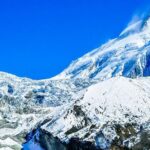
- The view list is the point: Dhaulagiri, Annapurna range, Machhapuchhre (Fish Tail), Nilgiri, Hiunchuli, and more from one viewpoint
- A realistic intro to trekking: Day 3 is a shorter climb to get your legs used to Nepal trail life
- Stone steps day: Ulleri to Ghorepani includes a long steep stair section, so bring strong knees
- Village culture without the long haul: Ghandruk is a major Gurung village, great for people-watching and mountain perspectives
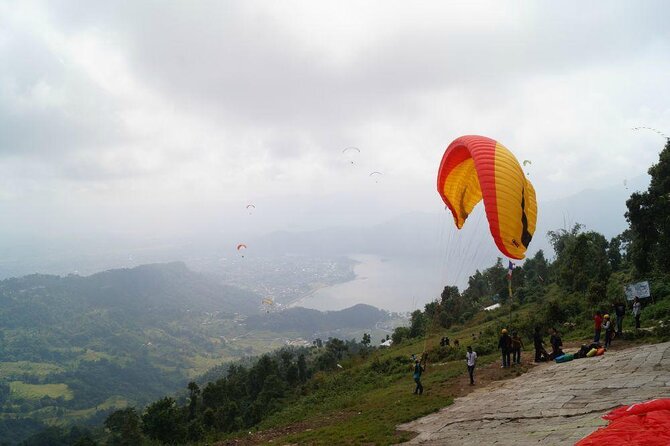
- Two sunrise viewpoints: Poon Hill, then Sarangkot on the way back
First stop: Thamel to the mountain route
Your journey starts in Thamel, central Kathmandu. You’ll meet a representative with a name card and get driven to your accommodation. After that, you shift gears fast. The second day is the long drive to Pokhara, about 7 hours, with mountain roads that can look dramatic around every bend.
This matters because most trekking stress is about transitions: getting from city to trail without losing a day. Here, the route is set, and the private car approach is a comfort upgrade, especially if you’re arriving the same day you start worrying about logistics.
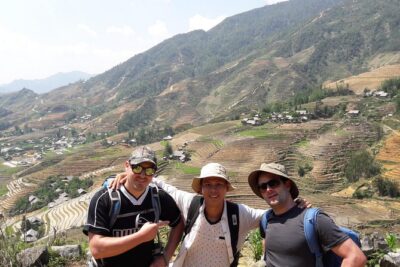
You also get that classic Nepal pattern: city bustle first, then slowly turning into river valleys and terraced hills. It helps you mentally prepare for a trek that has both stairs and viewpoint payoffs.
You can also read our reviews of more tours and experiences in Kathmandu.
Kathmandu to Pokhara: the ride that sets your mood
Pokhara is your launchpad. It’s described as a metropolitan city and a second major destination after Kathmandu, famous for Himalayan scenery and its lakes. Even if you don’t plan lake time, the city gives you a chance to reset before hiking.
Day 2 has no trekking, but it’s not wasted. You’re traveling along hills, river views, and changing terrain. That’s your body getting used to altitude-adjacent thinking, even if you aren’t climbing yet.
Practical note: the itinerary doesn’t mention hotel specifics in Pokhara, and it doesn’t include meals in Kathmandu/Pokhara. So plan for breakfast during trek days as listed, but expect lunch/dinner on your own in the cities.
Day 3 on the trail: Nayapul to Tikhedhunga (easy by comparison)
You’ll drive from Pokhara to Nayapul (about 1.5 hours), then start trekking along the Modi Khola river. You pass through Birethanti (1015 m), a bigger village area with shops and teahouses. It’s one of those helpful stops where you can top up on water or snacks if needed.
Then the trail turns more serious. It climbs along the Bhurungdi Khola north bank, starting with forest and then terraced paddy fields. Eventually you reach Hille (1495 m) before continuing to Tikhedhunga (1570 m).
Why this day works: it’s a short, relatively easy climbing day designed to get your legs used to trekking. After two big transport days, this is a smart way to prevent Day 1 trek suffering.
What you should watch: even an “easy” day in Nepal can feel steep if you start too fast. Keep a steady pace. Save some energy for the stair-heavy climbs later.
Day 4: Tikhedhunga to Ghorepani and the Ulleri stair workout
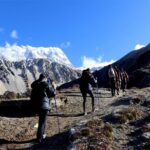
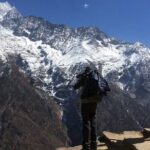
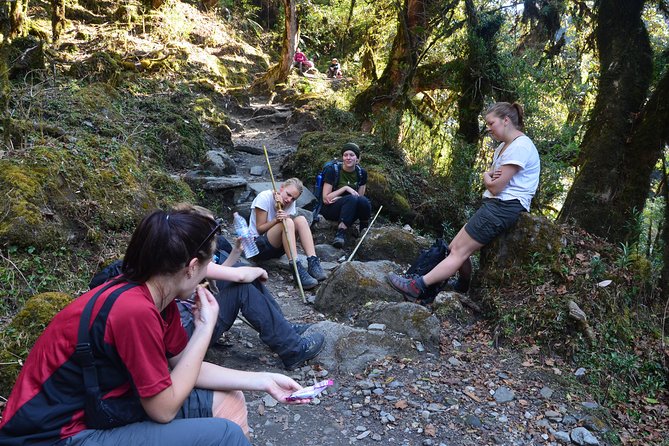
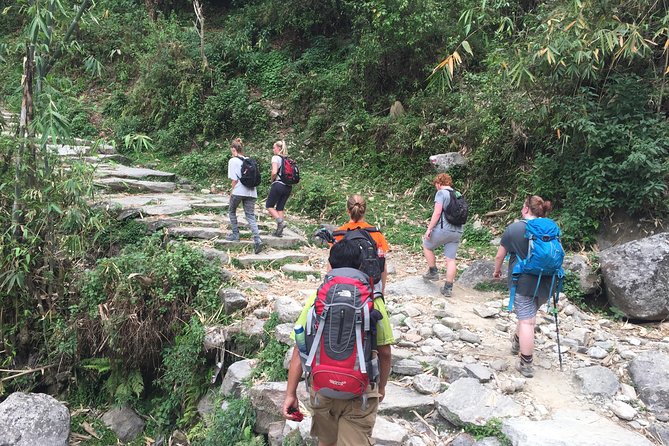
Day 4 is where the trek starts feeling like a trek. The walk runs about 6 hours with a long steep climb toward Ulleri (2070 m), famous for stone steps. Think of it as a stair circuit through a Magar village area. Even if you’ve hiked before, this part is a knee test.
After Ulleri, the trail ascends more gently through forests of oak and rhododendron. You’ll pass Banthanti (2250 m) and Nangethanti (2460 m) before reaching Ghorepani (2840 m).
Ghorepani is a key stop. It’s described as a relatively large village with excellent views of the Annapurna range, Nilgiri, and Dhaulagiri. It’s also where you can stock up on supplies, including drinking water.
Value in this pacing: by putting the toughest climbing before you reach the viewpoint zone, you’re setting up a sunrise day that feels like a reward, not a grind.
Downside to be honest about: this is the most physically demanding day before sunrise. If you’re prone to leg cramps or you hate stairs, take it slow here.
Day 5: Ghorepani to Poon Hill at 4 am (the sunrise math)
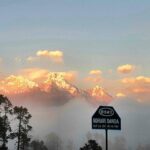
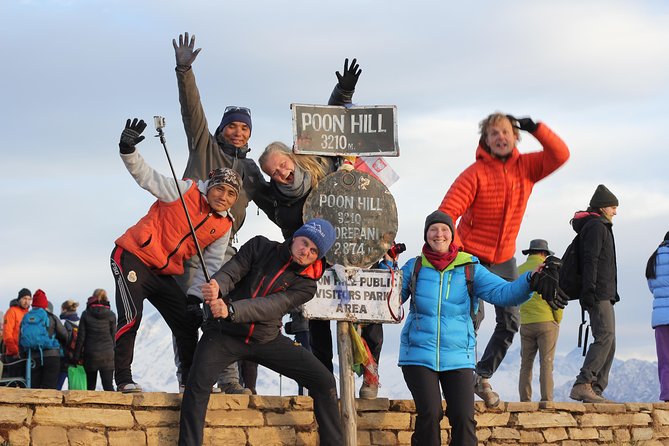
This is the headline day. You’re told the best time to view the mountain range is before 5 am, so the plan is to wake around 4 am and move to Poon Hill (3210 m).
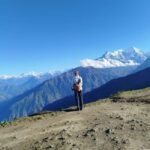
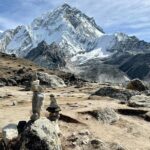
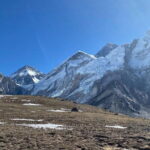
From the top, you get a big panoramic list. You should expect views of Machhapuchhre (Fish Tail, 6993 m), Tukuche Peak (6920 m), Nilgiri (6940 m), Hiunchuli (6441 m), Annapurna South (7219 m), Dhaulagiri (8167 m), plus additional peaks depending on visibility.
After the sunrise moment, you return to Ghorepani for breakfast. Then you trek on to Tadapani.
Why this day is structured the way it is: sunrise on Poon Hill is the payoff that justifies getting up early. And by building in breakfast and a second trekking stretch, the day doesn’t end in a tired, awkward blur.
What to do with the early-morning reality: dress in layers. Cold mountain air before dawn can be sharp, and you’ll want something warm enough for waiting at the viewpoint.
Day 6: Tadapani to Ghandruk and the Gurung village feel
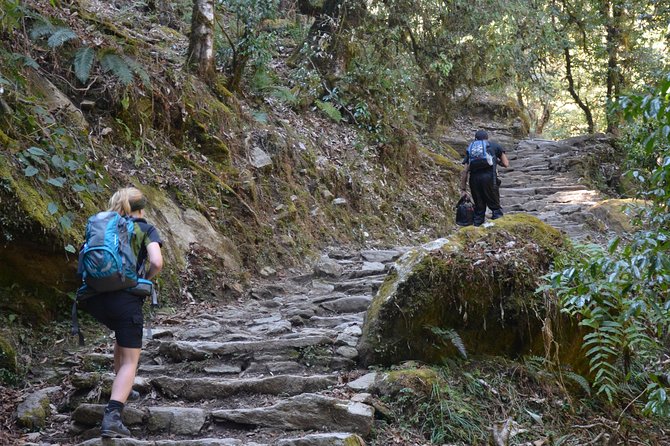
Your route between Tadapani and Ghandruk runs mostly through subtropical jungle. The trail steeply descends through rhododendron forests and pine, then drops toward streams before reaching Ghandruk (1940 m).
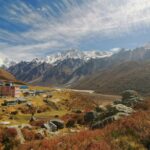
Ghandruk is described as the second biggest Gurung village in Nepal, with a large Gurung community above the Modi River. The scenery angle here is different from the sunrise days. You’re moving through a settled mountain village setting, with the chance to look at Annapurna South and Machhapuchhre from closer perspectives.
How it should feel: this day is often emotionally easier than a stair day. You’ve already earned the big viewpoint hit, so you can enjoy the walk through forests and settlement life.
The small caution: because it’s mostly descending, your quads do the work. A trekking pole can be a lifesaver for knee comfort.
Day 7: Back down toward Pokhara via Dhampus and Phedi
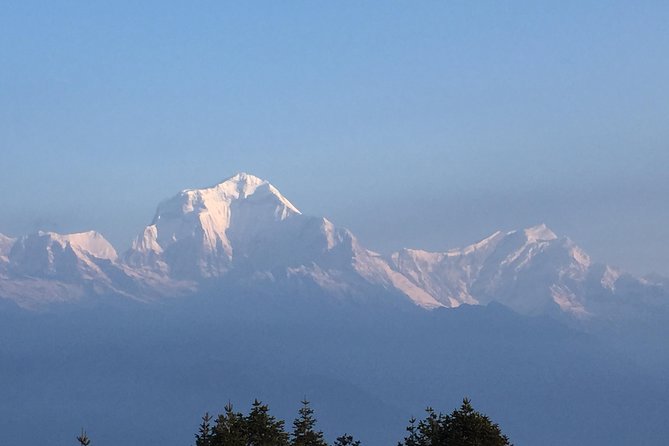
On Day 7, you descend steeply first through villages, then through terraced paddy fields and forest. You climb slightly up to Dhampus, then continue to Phedi.
Along the way, you get glimpses of peaks you might have missed on the ascent, including Machhapuchhare, Annapurna South, Lamjung Himal, and Annapurna III. After walking (about 5 hours), you end the trek and drive back to Pokhara city.
This is where the trek turns into recovery. You’ve done the hard parts; now you’re transitioning back to city time.
Practical point: the itinerary mentions this is how you end the trekking portion, but it doesn’t mention meals in Pokhara. Since lunch/dinner in Pokhara aren’t included, you’ll likely want to plan where you’ll eat tonight, not just how far you walk.
Day 8: Sarangkot sunrise and an easy landing back in Kathmandu
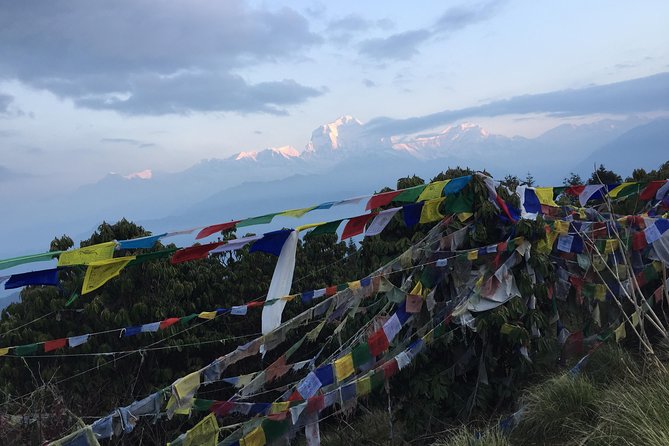
Day 8 brings another early viewpoint. You wake up at dawn and go to Sarangkot hill station for a sunrise view over the Annapurna and Dhaulagiri range. After sunrise, you return for breakfast, then head to Kathmandu to rest in Thamel.
This second sunrise makes the trek feel like a full experience, not a single hike that ends abruptly. It also gives you two shots at good morning light on different mountainscreens and different angles.
One thing to keep in mind: it’s still early, and your body will notice the repeat. If you’re the type who can’t sleep well after waking for sunrise, plan a calm evening in Kathmandu.
Day 9: Airport transfer and departure
The final day is straightforward: transfer to the airport and depart to your next destination. For a trek of this type, having a simple last day is a relief. You don’t have to guess how to get yourself across town and through the chaos of last-day logistics.
Price and value: what you’re really paying for
At $1,562.67 per person for a private, personalized 9-day trek, the value comes from the full set of moving pieces:
- Private transportation throughout: Kathmandu to Pokhara and back, plus the drive connections to the trek start and finish
- A private trek format: only your group participates
- Meal plan during the trek: full meal plan is listed, with breakfast (4) and dinner (5) called out
- Fees covered: Annapurna Conservation fee plus all fees and taxes
- Support and tracking: Trekkers Information Management System
When you’re comparing prices, the big question is not the sticker. It’s whether you’re paying for hassle reduction. Private guides, organized transport, and covered fees usually matter most if you’re not traveling with a local fixer.
Who this trek suits best
This trek fits well if you want classic Annapurna viewpoints without the long, multi-week pressure. It’s also a solid choice if you like structure: you know where you’re sleeping, what you’re walking, and when the key sunrise moments are happening.
Most importantly, it’s described as most travelers can participate. That doesn’t mean it’s flat or effortless. You still climb steep sections and you still do a stair-heavy segment at Ulleri. So the right fit is: you’re okay with early mornings and you want a planned, guided experience.
Trekking pace, difficulty, and what to expect on your feet
A quick reality check, based on the route profile:
- Day 3 is shorter and easier to acclimate into trekking mode.
- Day 4 includes a long steep stair climb (Ulleri stone steps), then forest walking.
- Day 5 begins with a very early sunrise push, then you continue hiking afterward.
- Day 6 is mostly descending into Ghandruk, so expect knee strain.
- Day 7 is steep descent with village and terraced-field walking.
If you’ve ever had sore knees, plan extra care for the descents. If you hate stairs, take Day 4 slower than you think you should. If you enjoy steady effort and big reward, this plan is made for you.
Packing and comfort: small things that matter
Sleeping bag and warm jackets are not included, so you’ll need to bring gear for cool mountain nights and early mornings. The trek includes meals during the walking days, but you’re still responsible for personal comfort items.
A practical packing list mindset:
- Layers for pre-dawn cold and morning warmth changes
- Something to protect your knees on stairs and descents
- Water strategy, since you’ll likely be topping up in village stops like Ghorepani
Also, personal insurance and travel/medical coverage are not included. That’s normal, but it’s worth handling before you go.
Guide support and the human touch
The experience is private, and you’ll work with a trek guide for the hiking days. Names aren’t guaranteed for every departure, but your trek plan is the kind that often runs through guide leadership like Sanu, with trip planning support associated with Anish in related experiences.
That matters because Poon Hill success is partly planning and partly timing. Sunrise days are unforgiving if schedules slip. A guide who keeps you moving at the right times makes a big difference to whether the viewpoint moment feels calm or chaotic.
Should you book the Annapurna Poon Hill trek?
Book it if you want:
- the best-known viewpoint experience on the Annapurna side
- private comfort with organized transport
- a manageable trek length that still feels like a real trek
Consider skipping or shopping alternative dates if you:
- can’t handle early mornings, even with an included sunrise plan
- get nervous about weather, since it depends on good conditions and can change dates if skies don’t cooperate
- have very limited mobility or you’re not comfortable with steep stairs and descents
For most people who want peak views, village walks, and a guided plan that doesn’t leave you guessing, this is a strong choice.
FAQ
What is the meeting point and start time for this trek?
You meet in Thamel, Kathmandu 44600, Nepal, with a start time of 8:15 am.
How long is the Annapurna Poon Hill trek?
It’s listed as about 9 days.
Is pickup offered?
Pickup is offered.
What’s included in the price?
Included items cover air-conditioned vehicle, private transportation, full meal plan during the trek, Kathmandu–Pokhara–Kathmandu by private car, Trekkers Information Management System, the Annapurna Conservation fee, and all fees and taxes.
Are meals included during the trek?
Yes. The plan includes breakfast and dinner during the trek, and it also lists a full meal plan during the trek. Lunch and dinner in Kathmandu and Pokhara are not included.
Do I need to bring my own sleeping bag and warm jacket?
Yes. A sleeping bag and warm jackets are listed as not included.
What’s the big highlight day for mountain views?
Day 5 includes the early sunrise trip to Poon Hill (3210 m), with views of multiple major peaks.
Is this tour private?
Yes. It’s described as a private tour/activity, so only your group participates.
What happens if weather is bad?
The experience requires good weather. If canceled due to poor weather, you’ll be offered a different date or a full refund.