REVIEW · KATHMANDU
Langtang, Gosaikunda and Helambu Trek
Book on Viator →Operated by Mount Mania Treks Expedition P. Ltd. · Bookable on Viator
Big lakes and high passes in one tight loop. This Langtang–Gosaikunda–Helambu trek mixes rhododendron and bamboo forests with wildlife chances, big waterfall moments, and standout mountain views—especially the snow-white bulk of Langtang Lirung. I also really like that you reach the holy Gosaikunda Lake area at serious altitude for classic photos and spiritual vibe. One consideration: the driving day into the mountains plus the long walking stretches mean you’ll want a realistic fitness baseline and good pacing, especially around the higher days.
What makes this feel like good value is the structure: Kathmandu hotel nights with breakfast, teahouse accommodation on the trail, and all meals during trekking are wrapped into one package. You’re not constantly doing math in your head for every lunch or dinner. Still, the trek sits above 4,000m and the weather can shift fast, so you should pack for cold and be ready to slow down when the altitude asks for it.
In This Review
- Key highlights worth marking on your map
- What Makes Langtang–Gosaikunda–Helambu Special
- Price and Logistics: What $850 Covers (and what it doesn’t)
- The Route’s Altitude Plan (and why it affects your whole day)
- Day 1–2: Kathmandu arrival and the long road to Dhunche
- Day 3–4: Shin Gompa to Gosaikunda—forests up to the 4,460m holy zone
- Day 5: Gosaikunda to Phedi (3,600m)—recover while staying close to the action
- Day 6–7: Phedi to Tharepati and then Kutungsung—big views, then a descent groove
- Day 8–9: Kutungsung to Chisopani, then Sundarijal—Helambu valley feel and the return to civilization
- Guides, Porter Support, and the Stuff That Makes or Breaks the Trek
- Teahouse nights: Comfort you can count on, plus real-world limits
- Packing and Weather: How to Stay Ready on This Route
- Who This Trek Fits Best (and who should choose something else)
- Should You Book This Trek with Mount Mania Treks & Expedition?
- FAQ
- How long is the Langtang, Gosaikunda and Helambu trek?
- Where does the trek start and where does it end?
- What kind of accommodation is included?
- Are meals included?
- Is there porter or assistant guide support?
- What’s included in the transportation?
- What is not included in the price?
Key highlights worth marking on your map
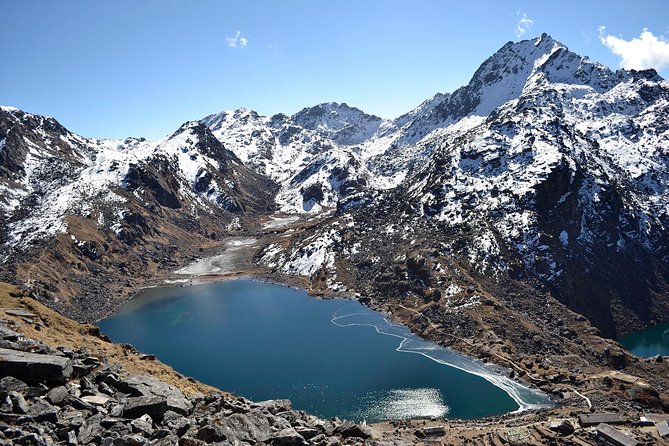
- Gosaikunda Lake at 4,460m for big, spiritual high-mountain atmosphere
- Three connected trekking zones: Langtang Valley, Helambu Valley, and the lake country in between
- Rhododendron and bamboo forests with strong “walk all day, see something new” energy
- Licensed guide team plus assistant support, with porter help built in for the group size
- Views toward Ganesh Himal, Manaslu, and the Annapurna range on high stretches
What Makes Langtang–Gosaikunda–Helambu Special
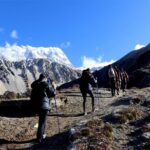
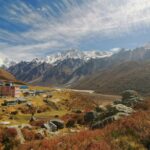
This trek is appealing because it doesn’t lock you into one single type of scenery. You start in the Kathmandu area, then work your way into the Langtang region, where the trail threads through rhododendron and bamboo patches. That mix matters: the forest gives you shade on some sections, and the higher clearings give you sudden open views.
Then comes the part most people talk about after they’re home: Gosaikunda. You’re heading to the lake area at about 4,460m, which means thin air, cold mornings, and that crisp, high-altitude stillness that feels different from lower hiking. It’s not just about the photo angle. The trek also includes visiting the holy lake sites that define this route’s identity.
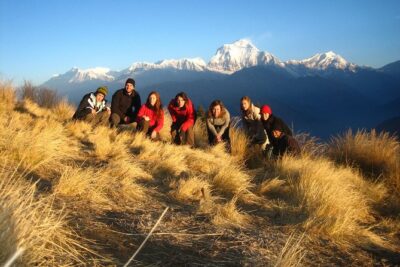
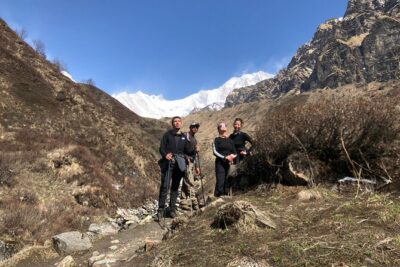
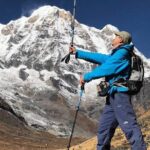
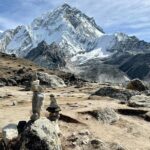
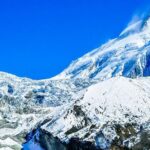
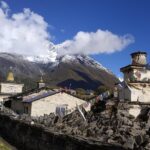
You’ll also get the kind of mountain scenery Nepal does best: stark peaks, long sightlines, and plenty of waterfall and ridge scenery along the way. The centerpiece view mentioned for this region is Langtang Lirung, and you’ll feel it as the trek rises—massive, snow-covered, and hard to ignore when it appears between ridgelines.
Wildlife is another reason people like this route. It’s not a safari guarantee, but the trek passes through vegetation zones that give you a fair shot at seeing animals when conditions are right.
You can also read our reviews of more tours and experiences in Kathmandu.
Price and Logistics: What $850 Covers (and what it doesn’t)
The price is $850 per group (up to 15 people), so your value can depend on group size and how smoothly the operator fills the team. In practice, this matters because a group that’s near the maximum can make the per-person effective cost lower than a small group booking.
Here’s what’s included that actually saves you money and stress:
- Private airport pickups and drops in Kathmandu
- 3-star hotel accommodation in Kathmandu with breakfast
- Teahouse accommodation during the trek
- All meals during the trek (breakfast, lunch, dinner)
- Farewell dinners
- Ground transportation as per the route plan
- Tourist bus for the Kathmandu–Syabrubesi–Kathmandu transfer
- Licensed English-speaking trek leader and assistant leader (with an assistant for a set group size)
- Porter service (organized by group size)
- Medical kit carried by the trek leader
- Local taxes
What you should budget separately:
- Nepal visa fee
- International airfare to and from Kathmandu
- Lunch and dinner in Kathmandu (during your non-trek days)
- Travel and rescue insurance
- Personal costs like phone use, laundry, charging, showers, and bottled/boiled water
- Any extra night in Kathmandu if your travel timing changes
The biggest value beat here is that meals and teahouse stays are handled for you. Trekking gets expensive fast when you’re buying food twice a day plus scrambling for accommodation. With this package, you mostly pay attention to walking and sleeping, not pricing.
The Route’s Altitude Plan (and why it affects your whole day)
This trek climbs step-by-step rather than doing one massive jump. You start in Kathmandu around 1,320m, then travel to Dhunche (2,050m). After that, you’re building altitude through the day-by-day segments that rise toward the lake zone.
Two altitude targets stand out in the numbers you’re given:
- Gosaikunda area: 4,460m
- Tharepati: 3,900m
You also pass notable midpoints like Phedi (3,600m) and later drop again through Kutungsung (2,450m), then Chisopani (2,250m), and finish trekking near Sundarijal (1,510m) before heading back to Kathmandu.
That pattern—rise to the high point, then come down—helps your body. The route also gives you chances to rest and settle in while still moving forward. Still, altitude doesn’t care about how pretty the scenery is. If you feel off—headache, unusual fatigue, nausea—you’ll want to tell your leader early and slow down. Good pacing is part of the experience, not a detour from it.
Day 1–2: Kathmandu arrival and the long road to Dhunche
Day 1 is straightforward: you arrive at Tribhuvan International Airport, and you’re picked up for transfer in Kathmandu by private vehicle. You stay in a 3-star hotel with breakfast, which is a practical advantage because you can eat a real meal and sleep in proper beds before trekking days.
Day 2 is where the trek begins in earnest. You drive from Kathmandu to Dhunche (2,050m) over 7–8 hours. This is a long chunk of time sitting, so I’d treat it like a rest day that still counts—hydrate, keep your legs moving when you can, and don’t go crazy planning extra activities in Kathmandu the night before.
Once you reach Dhunche, you’re in the mountains in a way that feels real. The air is cooler, the terrain looks different, and your body understands you’re not doing a “walk in a city park” kind of trek anymore.
Day 3–4: Shin Gompa to Gosaikunda—forests up to the 4,460m holy zone
Day 3 is a trek from Dhunche toward Shin Gompa, paced at 4–5 hours. This is typically where the trail mood changes. Forest gives you rhythm, and you start to see how the route threads through the Langtang region’s plant zones.
Day 4 is the big jump in elevation to the lake area: Shin Gompa to Gosaikunda (4,460m) over 5–6 hours. This is the day where the environment changes fast—colder air, thinner atmosphere, and more intense “I’m walking higher” sensations. The upside is the reward: you’re working toward Gosaikunda, with classic high-altitude lake country energy.
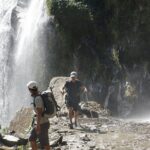
Along the way, you’re also moving through scenery elements this route is known for: waterfalls, rhododendron and bamboo forests, and chances to spot wildlife when the trail conditions line up. Don’t rush the climb. A steady pace keeps you alert, and you’ll enjoy the scenery more.
Day 5: Gosaikunda to Phedi (3,600m)—recover while staying close to the action
Day 5 trek goes from Gosaikunda to Phedi (3,600m) for 6–7 hours. This is still a solid trekking day, but it’s a “stay high, then regroup” kind of movement.
Why I like this day: you don’t just do the high point and vanish. You’re still in the lake and alpine atmosphere, but you start settling into a lower band where you can catch your breath. This makes the next viewpoint day feel more manageable.
If you care about photos, this is often where you’ll appreciate how light changes around the lake country—when you’re lower, the shadows and snow tones can look different, and you get more stable viewing conditions.
Day 6–7: Phedi to Tharepati and then Kutungsung—big views, then a descent groove
Day 6 moves from Phedi to Tharepati (3,900m), a 5–6 hour trek. Tharepati is a key viewpoint area on this route, and with the altitude you’re near, views tend to open up. This is also one of those days where you’ll feel the difference between “walking” and “trekking.” Your legs do the work, but your breathing is the real limiting factor.
Day 7 then goes from Tharepati to Kutungsung (2,450m) in 5–6 hours. That downhill leg is your body’s reward. It’s also where you’ll feel the contrast between the higher, thinner air and the more comfortable walking band.
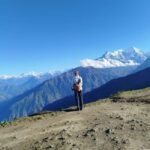
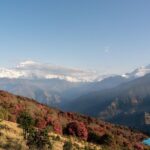
Along these stretches, the scenery is framed toward major mountain directions mentioned for this route: Ganesh Himal, the Manaslu region, and views associated with the Annapurna range. Even when you don’t see every peak clearly, the angle and scale tell the story.
Day 8–9: Kutungsung to Chisopani, then Sundarijal—Helambu valley feel and the return to civilization
Day 8 treks from Kutungsung to Chisopani (2,250m), 6–7 hours. This is where the Helambu side starts to feel like its own world. Chisopani sits at a lower altitude than the lake day, and the walking becomes less punishing than the high-country pressure days.
Day 9 is the finish: trek from Chisopani to Sundarijal (1,510m), then drive back to Kathmandu. You’re dropping steadily in altitude and the air gets easier. Sundarijal is the kind of place that signals the end of the trail phase and the start of “warm shower planning” (though shower costs can fall under personal expenses).
The driving back to Kathmandu is also part of the realism of the trip. You go from quiet trails to traffic and city sounds fast, so give yourself a low-key evening rather than trying to pack in a long night out.
Guides, Porter Support, and the Stuff That Makes or Breaks the Trek
This trek is run with an English-speaking, government-licensed trek leader plus an assistant leader. The support structure matters. When you’re dealing with altitude and weather, you don’t want a leader who’s just doing route logistics. You want one who can read the group and adjust pacing when someone is struggling.
Porter support is built in too, organized as 2 trekkers per porter. That’s a big deal on a multi-day trek because it reduces the load you carry uphill and in cold conditions. Less weight means fewer bad steps, and fewer bad steps means you keep enjoying the views.
The operator also carries a medical kit, which adds a layer of confidence in case of altitude headaches, minor injuries, or simple fatigue.
The names that come up with this company—Binod, Ngima Tamang, and Ganesh—are associated with good practical habits: being supportive, managing time well, and responding to what the group needs as conditions change. If you have a preference, it can be worth asking how your guide team is assigned, because the day-to-day feel often comes down to guide communication and pacing.
Teahouse nights: Comfort you can count on, plus real-world limits
Teahouse accommodation is included during the trekking days, and meals are included as well. That setup means you don’t need to hunt for food or negotiate lodging. You can focus on warming up, eating enough, and sleeping.
That said, teahouses in Nepal typically come with the realities of mountain living: limited warmth, shared facilities depending on the place, and variable comfort. Since personal expenses can include charging and shower access, plan for some costs if you want those conveniences.
A practical approach: treat each night as recovery first. Dry layers, warm socks when you can, and a steady breakfast the next morning make a bigger difference than people expect.
Packing and Weather: How to Stay Ready on This Route
The trip operates in all weather conditions, and you’re asked to dress appropriately. That tells you the trek won’t wait for perfect skies.
So I’d plan on:
- Layers for cold morning starts
- A rain-ready outer layer
- Warm hat and gloves for higher elevation days
- Good traction shoes for mixed trail conditions
Also, bring a mindset for changing visibility. On high days, clouds and fog can roll in. When that happens, trust the leader, go at a steady pace, and enjoy the walk even if views are temporarily limited.
Who This Trek Fits Best (and who should choose something else)
This trek is best for people with moderate physical fitness. The day walking times are long enough that you should already be comfortable hiking several hours at a time, not just doing a quick weekend stroll.
It also isn’t listed as suitable for children aged 10 and under, and it’s run as a private tour/activity, meaning only your group participates.
If you like:
- High mountain scenery
- Lake-country spirituality
- Forest-to-alpine variety
- A guided structure with meals and teahouse stays handled
…then you’ll probably enjoy this route a lot.
Should You Book This Trek with Mount Mania Treks & Expedition?
If you want a trek that’s structured, food-and-lodging handled, and guided by a licensed team, this is a solid choice. The biggest reason is the combination of included meals, teahouse stays, hotel support in Kathmandu, and real porter/assistant coverage.
Before you book, I’d ask yourself two questions:
- Do you feel good about high-altitude walking, especially around the 4,460m lake day?
- Are you comfortable with the tradeoff that comes with group-based trekking—set pacing and a plan that follows the mountain’s rhythm?
If yes, you’re in the right place. If you want to move ultra-flexibly with zero structure, you might prefer a more independent setup. For most people, though, this package hits a good balance between adventure and “someone has the logistics.”
FAQ
How long is the Langtang, Gosaikunda and Helambu trek?
The trek is listed as 10 days (approx.).
Where does the trek start and where does it end?
It starts in Kathmandu and begins the trekking route toward Dhunche. It ends with trekking to Sundarijal and then a drive back to Kathmandu.
What kind of accommodation is included?
You get 3-star hotel accommodation in Kathmandu (with breakfast) and teahouse accommodation during the trek.
Are meals included?
Yes. The package includes all meals during the trek: breakfast, lunch, and dinner.
Is there porter or assistant guide support?
Yes. There is an experienced, government-licensed trek leader and assistant trek leader, and porter service is included based on group size (2 trekkers per porter).
What’s included in the transportation?
You get airport pickups and drops by private vehicle, plus all ground transportation as per the route. A tourist bus (Kathmandu–Syabrubesi–Kathmandu) is also included.
What is not included in the price?
Not included are the Nepal visa fee, international airfare, lunch and dinner in Kathmandu, travel and rescue insurance, and personal expenses such as phone calls, laundry, charging, and shower access.