REVIEW · KATHMANDU
Pokhara: 5-Day Annapurna Base Camp (ABC) Trek
Book on GetYourGuide →Operated by MTA Trekking Pvt. Ltd. · Bookable on GetYourGuide
Five days, one wild view line.
I love how this trek links Pokhara lakeside comfort with the warm, human village stop at Jhinu, then turns you loose on a steady climb toward Annapurna Base Camp (4,130m). I also like the way the route keeps changing under your feet, from terrace fields to forest trails, so the walk never feels repetitive. The main consideration: altitude is real at 4,130m, and even if serious sickness is rare, you’ll still need to pace like a pro.
You’re not figuring it out alone either. This is a private group trek with an English-speaking live guide, and the guides highlighted in past departures (like Santosh, Prabit, and Ramit) tend to focus on clear instructions, smart timing, and keeping you from overdoing it.
In This Review
- Quick takeaways
- The ABC route that makes sense for a 5-day pace
- What you’re paying for with the $136 price tag
- Day 1: Pokhara to Lower Sinuwa via Jhinu hot-springs country
- Day 2: Deurali climb, thicker air early, thinner air later
- Day 3: Reaching Annapurna Base Camp, plus Machhapuchhre Base Camp detour
- Day 4: Base Camp morning, then a long descent to Bamboo
- Day 5: Bamboo to Pokhara, with optional Jhinu hot springs
- Tea houses and meals: comfortable enough, but expect simple
- Guides make or break ABC, and this one is built around that
- Altitude, fitness, and pacing: the honest reality check
- Who should choose this trek, and who should pass
- What to bring for Annapurna Base Camp comfort and safety
- Should you book this 5-Day Pokhara ABC trek?
- FAQ
- How high do you reach on this trek?
- Are permits included?
- What kind of accommodation is included?
- Are meals included?
- Do I get pickup from my hotel in Pokhara?
- Is portering included?
- Is Jhinu hot springs included?
Quick takeaways
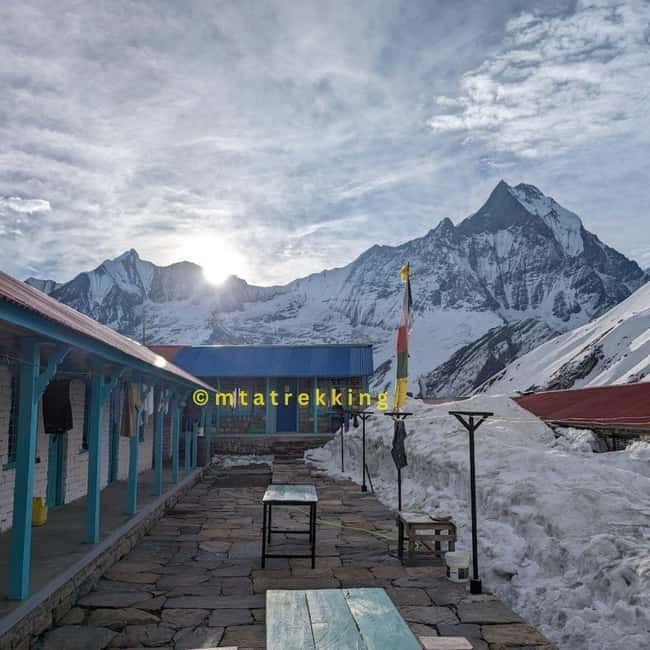
- Annapurna Base Camp at 4,130m with a detour option to Machhapuchhre Base Camp for Fishtail views
- Tea-house nights and full-board meals available, so you travel lighter
- English-speaking private guiding that manages pace, timing, and small practical details
- Hot springs at Jhinu as a relaxing reset, usually near the end of the trek (optional)
- Permits handled for you, including ACAP coverage and other required paperwork
- A realistic schedule that still asks for fitness, especially on the uphill days
The ABC route that makes sense for a 5-day pace
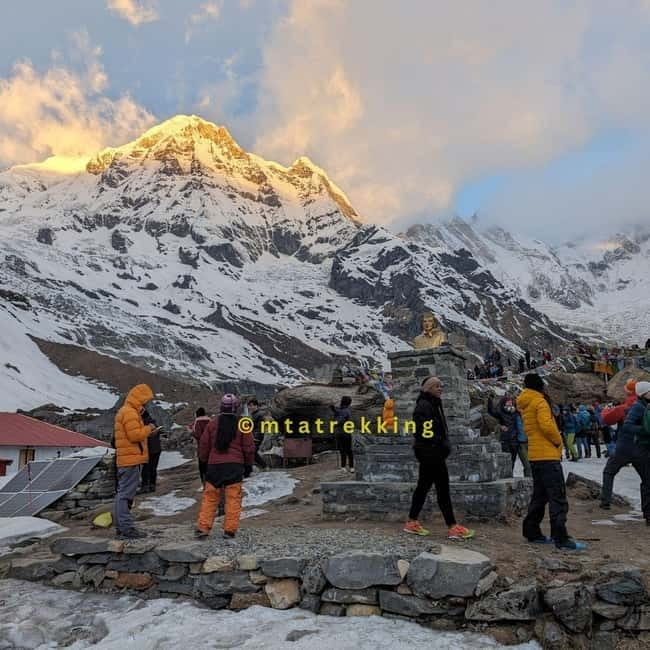
This is a classic Annapurna Base Camp run, but compressed into a realistic five-day window. That matters because ABC is a big target: you’re gaining elevation fast enough that your body has to cooperate, and hiking hours stack up quickly once you start moving. The payoff is that you don’t just “walk somewhere.” You reach the iconic base camp, then you get time to enjoy it before descending back down.
What makes this version feel practical is the rhythm. You start from Pokhara with transport to the last road point, then you ease into the trek with a first day that’s mostly about getting your legs moving and setting expectations. From there, the climbs are steady: a push to Deurali (a solid mid-trek altitude), then the final push to base camp. After that, you shift into a recovery mode with a descent to Bamboo and a downhill return toward Pokhara.
You can also read our reviews of more tours and experiences in Kathmandu.
What you’re paying for with the $136 price tag
The price is listed at $136 per person. That’s relatively straightforward for a supported, permit-covered ABC trek in Nepal—especially because the package includes more than just “a guide and vibes.”
From the included details, you get:
- Tea-house accommodation
- Meals (you select a full-board option for meals included)
- Hotel pickup and drop-off in Pokhara Lakeside (and from the airport)
- Private transport from Pokhara to Siwai (the last road) and back
- Permits (including Annapurna Conservation Area / ACAP coverage) plus TIMS and taxes
- A professionally registered trekking guide
- A first-aid kit on the trek
- Luggage storage in Pokhara while you’re hiking
So the value equation is less about the hike cost and more about what’s taken off your plate: permits, transport coordination, guide support, and predictable meal and sleeping arrangements.
The “watch-outs” are also clear. Things like hot showers, Wi‑Fi, drinks, and mineral water aren’t included. Rescue and insurance are not included either. Porter service costs $20 per day if you want that extra help.
Day 1: Pokhara to Lower Sinuwa via Jhinu hot-springs country
Day 1 starts in Pokhara Lakeside, with pickup from your hotel (or the airport). Then you do a jeep/SUV transfer for about three hours before stepping into the first trekking segment. This is the smart part of the plan for ABC newcomers: you avoid wasting the first day dragging yourself uphill without acclimation time.
You hike roughly five hours to Lower Sinuwa (2,300m). The route passes through Jhinu, a village known for natural hot springs. You don’t have to treat that as a “main event” on Day 1, but it sets the tone: you’re not walking through a frozen wilderness. You’re moving through working villages where life is built around the terrain.
Night one in Lower Sinuwa is a good moment to get your body used to the pace. Expect a day that’s long enough to feel like a real trek, but not so punishing that you’re crushed before the real altitude work begins.
Day 2: Deurali climb, thicker air early, thinner air later
Day 2 is your first real altitude day. You trek from Lower Sinuwa to Deurali, reaching about 3,200m after around six hours of hiking.
This is the day where you’ll feel the climb as more than just “uphill.” With every step, the effort to breathe and the effort to keep a steady rhythm increase. That’s why the guide’s job here is so important. In past trips described with guides such as Prabit and Ramit, the common thread is managing pace and stopping before fatigue becomes a problem. If you keep your breathing steady and don’t try to win the uphill, you’ll arrive with a lot more energy for exploring Deurali.
Deurali is also where the trails start feeling more “Himalaya.” You still get village life, but the air is cleaner and the views become more dramatic. After the day’s hike, you’ll spend the night in the village area around Deurali, which is handy because it keeps you close to the path you’ll use next.
Day 3: Reaching Annapurna Base Camp, plus Machhapuchhre Base Camp detour
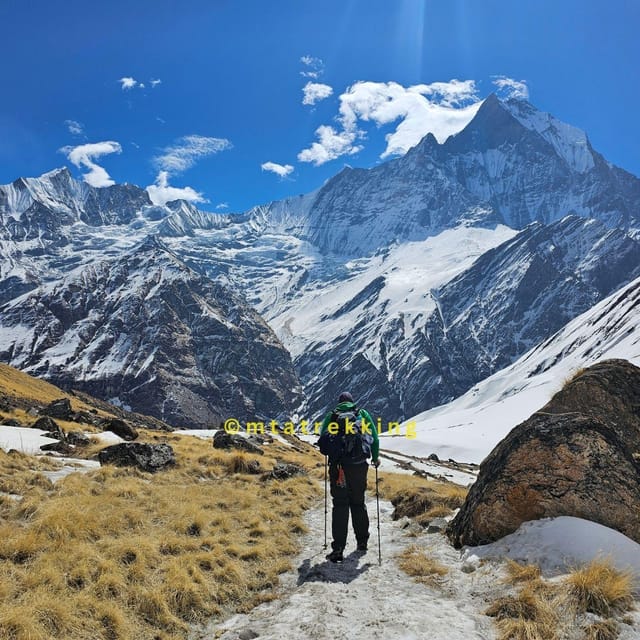
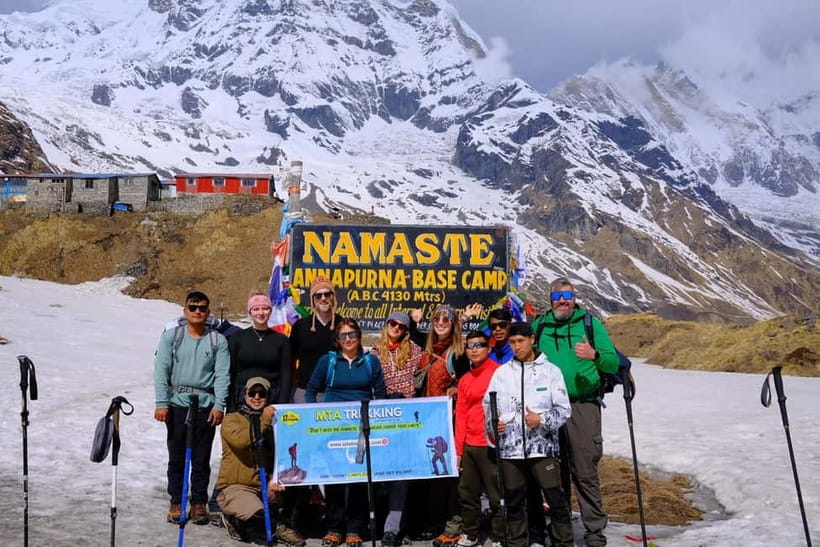
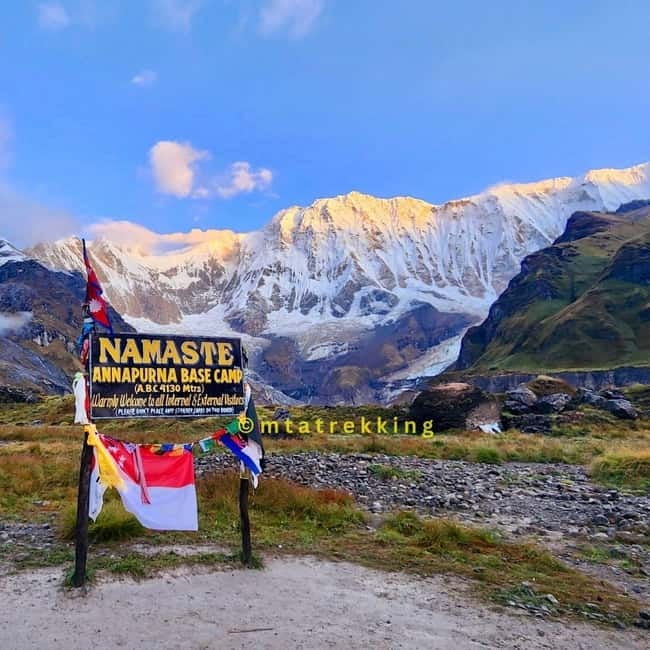
Day 3 is the big day: you’re trekking to Annapurna Base Camp (4,130m). The hiking time to base camp is about four hours, but the detour is the part that turns the day from impressive into unforgettable.
You go via Machhapuchhre Base Camp, which gives you a striking look at Fishtail Peak (Machhapuchhre). This isn’t just for photos. It helps you understand what you’re standing beneath. Once you can connect the peaks to the places you saw while hiking, the whole trek feels more meaningful.
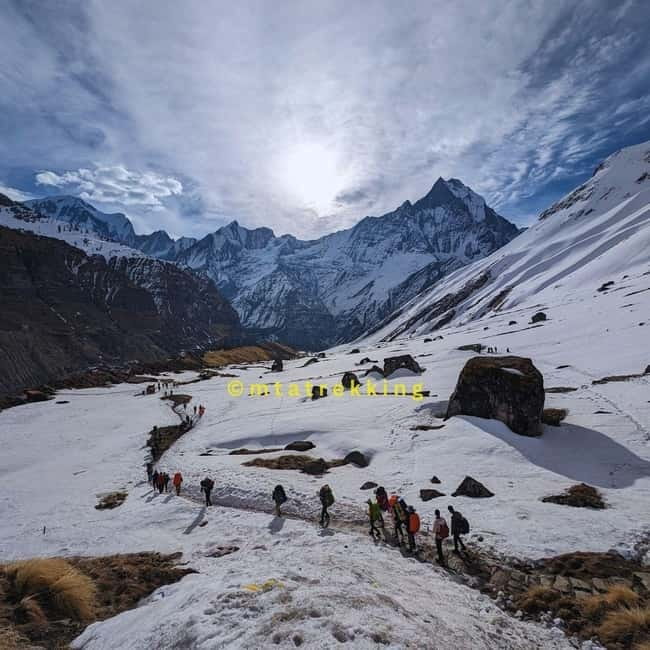
When you arrive at Annapurna Base Camp, you’re surrounded by the Annapurna massif. It’s the kind of place where you understand why people chase this route even after doing other treks. You’ll likely get time to look around, take pictures, and just absorb the scale.
One practical note: you might feel “done” once you reach base camp. That’s normal. But you still need to behave like someone at altitude. Keep water intake steady, keep snacks handy, and don’t rush your breathing just because you reached the goal.
Day 4: Base Camp morning, then a long descent to Bamboo
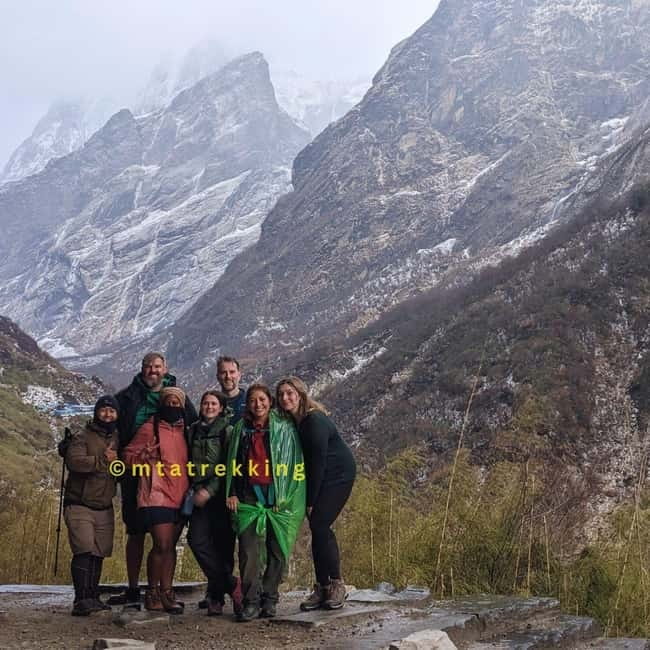
Day 4 starts with time to explore around Annapurna Base Camp. The schedule gives you room for photo stops and guided explanation, so you’re not just arriving and immediately leaving.
After that, you hike down to Bamboo (2,400m). This is a crucial shift: you’re dropping altitude, which often makes your body feel better, but the knees can complain if you go too fast. The trail down can feel longer than the trail up because your legs are working on different muscle groups.
This is also the day where tea-house life matters. You’ll be tired, so you want a meal that actually fuels you and a bed that lets you recover. Bamboo is often a comfortable reset point: you’re still in the trekking zone, but the air is easier than base camp.
Day 5: Bamboo to Pokhara, with optional Jhinu hot springs
Day 5 is a return day. You hike from Bamboo toward Pokhara, passing back through the Jhinu hot-springs area. The trekking time is listed around six hours, and then you’re driven by jeep/SUV for about three hours back to Pokhara.
This is where the optional hot springs stop is worth planning for. Natural hot springs are included as an option near Jhinu, and after days of climbing and descending, a warm soak can feel like a full-body reset. Even if you skip it, the return route gives you that last taste of village trails before you’re back in the city.
When you reach Pokhara, you’ll get the end-of-trip feeling: you go from thin-air trekking reality back to lakeside rhythm. It’s a simple win, but it helps your recovery.
Tea houses and meals: comfortable enough, but expect simple
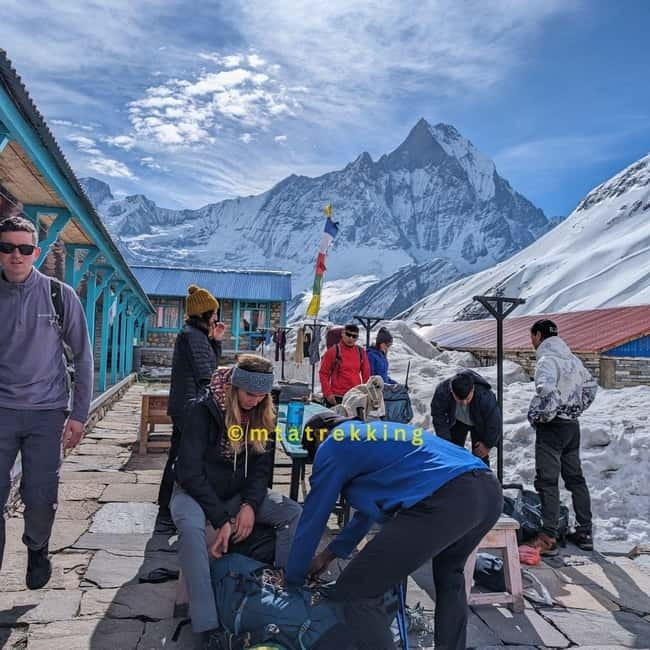
This trek uses tea houses for accommodation. That generally means warm, basic rooms and meals made for hikers. The included package gives you accommodation and meals depending on the option you choose (full-board for meals included).
Here’s what that means for you in real life:
- You don’t need to carry cooking gear, and you don’t need a strict lunch plan
- Meals will likely be predictable (and that’s a good thing when you’re tired)
- Comfort is practical, not fancy, so manage expectations
Also, things like hot showers, Wi‑Fi, drinks, and mineral water are not included. So if you’re someone who needs a certain level of comfort, you may spend extra money. If you can travel light and treat it like a mountain workday, the tea-house setup feels like a great trade.
Guides make or break ABC, and this one is built around that
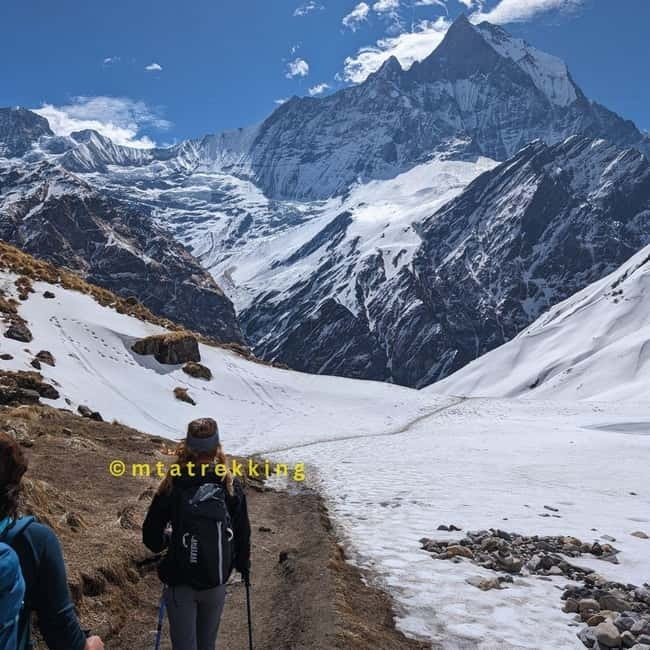
One of the strongest signals in the included approach is the professional guide setup. You get a trekking guide with government registration, English support, and help with the details that trip people up: timing, preparation, and pacing.
The guide names that show up with strong feedback—Santosh, Prabit, and Ramit—point to the same best practice. They don’t just talk about the mountains. They manage the human side of the hike:
- making sure you’re equipped and ready
- explaining mountains and culture in a way you can actually use
- adjusting effort so you don’t overexert
That last one matters. ABC rewards consistency, not hero moments. If you go too hard on early days, you pay for it later. A good guide keeps you moving but also keeps your body in the game.
Altitude, fitness, and pacing: the honest reality check
Annapurna Base Camp reaches 4,130m. The info you’re given says altitude sickness is rarely happening, but it’s still possible. That means you should take the preventive habits seriously, even if you’re confident in your fitness.
Practical advice that works on ABC:
- Walk slower than you think you need to on the climb days
- Take snack breaks even when you don’t feel hungry
- Drink water steadily (small amounts often)
- Tell your guide immediately if you feel unusually unwell
Fitness-wise, you don’t need to be an athlete, but you do need hiking stamina. The climb to Deurali and the effort to base camp will test your legs, especially if you’re coming from sea level or you haven’t had recent hikes.
Also, you should plan for trail annoyances. During monsoon season (June–August), weather can be erratic with heavy rainfall. Leeches can also be a nuisance on the lower trails. Long pants tucked into gaiters and insect repellent are practical ideas to keep things manageable.
Who should choose this trek, and who should pass
This trek is not for everyone. The information provided is blunt, and I agree with the caution.
Not suitable for:
- pregnant women
- people with mobility impairments
- wheelchair users
- visually impaired people
- people with altitude sickness
- people over 70 years
If you’re healthy, comfortable hiking several hours a day, and you like guided structure, this fits well. It’s also a strong choice if you prefer a private group over crowd trekking. The pickup from any Lakeside Pokhara hotel (and the airport) helps too, because it reduces the stress of logistics at the start and end.
What to bring for Annapurna Base Camp comfort and safety
Use your packing list like a checklist, not a wish list. Based on the provided info, bring:
- comfortable shoes
- change of clothes
- comfortable clothes
- cash
- passport or ID card (a copy is accepted)
Then add smart mountain basics that match the conditions you might face:
- rain gear for monsoon months (June–August)
- long pants and insect repellent if you’re trekking in wetter periods
- a plan for keeping water and snacks easy to access
Your guide can help you stay practical with what you carry, but the trek works best when you don’t bring extra weight just because you’re nervous.
Should you book this 5-Day Pokhara ABC trek?
If you want a straightforward ABC trek with permits handled, tea-house convenience, and a guide who takes pacing seriously, I think this is a solid pick. The biggest strengths are the route’s structure for a short five-day window and the fact that you’re not doing it solo—English guidance, professional support, and a plan that gives you time at base camp instead of treating it like a drive-by.
I would not book it if you’re in any of the listed non-suitable categories, or if you’re the kind of hiker who can’t handle altitude uncertainty and multi-hour uphill effort. And if you hate long travel days, note that you’re doing jeep/SUV transfers before the trek and again on the last day.
If you’re ready for hiking days, you’ll likely come away with that clear ABC feeling: a place you can’t miss, and a route you can do without turning your vacation into a survival test.
FAQ
How high do you reach on this trek?
You reach Annapurna Base Camp at 4,130 meters during the trek.
Are permits included?
Yes. The package includes the Annapurna Conservation Area (ACAP) Permit, along with TIMS and government taxes.
What kind of accommodation is included?
Accommodation is included in tea houses during the trek.
Are meals included?
Meals are included if you choose the full board option for the included meals.
Do I get pickup from my hotel in Pokhara?
Yes. You get hotel pickup and drop-off from any hotel in Lakeside Pokhara, and pickup is also available from the Pokhara international airport.
Is portering included?
No. Porter service is not included. It costs $20 per day if you want to add it.
Is Jhinu hot springs included?
Jhinu hot springs are available as an optional stop, including on the way back toward Pokhara on Day 5.