Two a.m. is the price of sunrise. This Mt. Batur sunrise trekking tour pairs a guided, flashlight hike with breakfast at the summit, so the whole early-morning push feels worth it. The main catch is the timing: the start is 2:00 am, and you’ll want moderate fitness for a dark, uphill trek.
What makes it extra interesting is the combo: after watching dawn from the volcano rim, you head down and then do Tukad Cepung Waterfall, a cave waterfall where the sunbeam effect is a big deal. Guides like Putu and Nawe (plus drivers such as Ada) are also known for pacing you well and helping with photos, which matters when you’re moving in low light and crowds are a real thing.
In This Review
- Key highlights worth getting excited about
- A 2:00 a.m. start that actually pays off
- Guides, flashlight trekking poles, and pacing that feels human
- Summit breakfast on Mt. Batur: what to expect in the dark-to-dawn shift
- Caldera walking and the best photo angles (without fighting crowds)
- Descending a different way: legs will notice the plan
- Tukad Cepung: the cave waterfall and the sun-ray window
- Price and value: $65 for sunrise + waterfall isn’t only about views
- Who this trek is perfect for (and who should think twice)
- Should you book the Mt. Batur sunrise + hidden waterfall?
- FAQ
- What time does the tour start?
- Where are pickups offered?
- How long is the experience?
- Is this a private tour?
- What’s included in the trek?
- What breakfast is provided at the summit?
- Does the waterfall entry ticket cost extra?
- What should I wear or bring?
- What is Tukad Cepung Waterfall known for?
- What happens if weather is poor?
- Cancellation: can I get a refund?
Key highlights worth getting excited about
- Flashlight and trekking poles included, so you’re not hunting gear at 1:30 am
- Summit breakfast (banana sandwich, hard-boiled egg, fruit, tea or coffee) while the sky changes
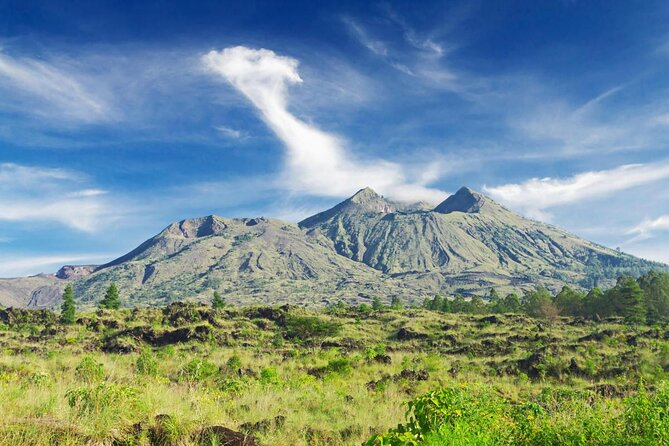
- Sunrise from the top of Mt. Batur with caldera exploring after
- A crater-rim photo plan with an emphasis on great angles (including a west spot)
- Tukad Cepung cave waterfall timed for sun rays, often best around late morning
- Private guiding and transport from Ubud and the south coast areas
A 2:00 a.m. start that actually pays off
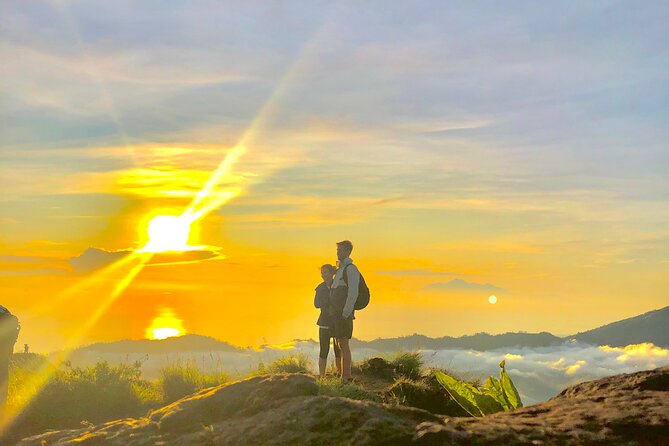
Mt. Batur sunrise hikes are not for people who need their sleep. The tour starts at 2:00 am, with pickup from Seminyak, Kuta, Nusa Dua, Jimbaran, Sanur, and Ubud. That early departure is the whole point: you’re aiming to reach the summit while the horizon is still dark and the light is changing fast.
If you’re planning your morning, treat this like a mini expedition. You’ll be leaving before most Bali life really kicks in, so build in time the night before. The good news is that private transportation means you’re not trying to figure out local timing or meeting points in the dark—this tour is set up to get you from your accommodation area to the trail start and back.
You can also read our reviews of more tours and experiences in Ubud.
Guides, flashlight trekking poles, and pacing that feels human
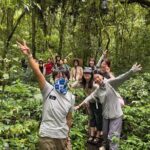
This is a private guided trek, so you’re not stuck following someone else’s pace. The big practical win here is that the tour supplies flashlight and trekking poles for the climb. That matters because a sunrise hike on uneven volcanic paths can turn into a slippery “guess-and-hope” situation if you show up with the wrong gear or nothing at all.
In the guides and driver stories, there’s a consistent theme: people get to go at a pace that matches their comfort level, and the guide helps with photography and route choices. You’ll often hear about being steered away from the busiest areas, and that’s exactly what you want on Mt. Batur—sunrise is about the light, not elbow-to-elbow waiting.
One more thing: this tour is described as requiring moderate physical fitness. That’s a polite way of saying the hike is uphill and you’ll work for the view. If you can handle a steady climb with breaks, you’re in the right category.
Summit breakfast on Mt. Batur: what to expect in the dark-to-dawn shift
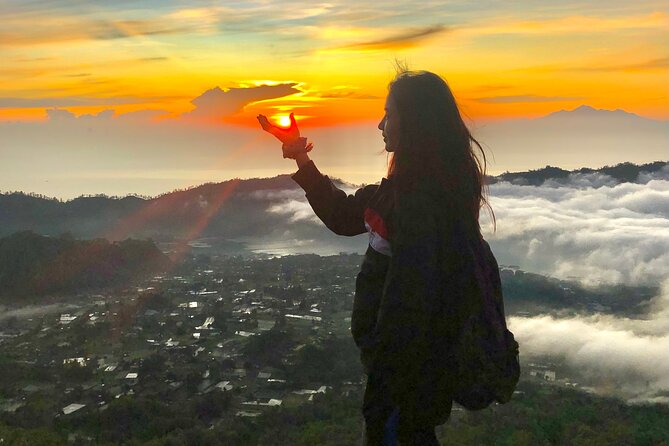
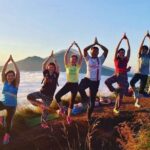
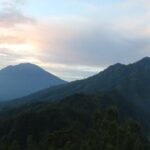
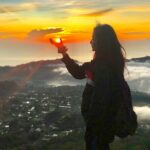
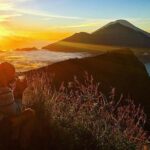
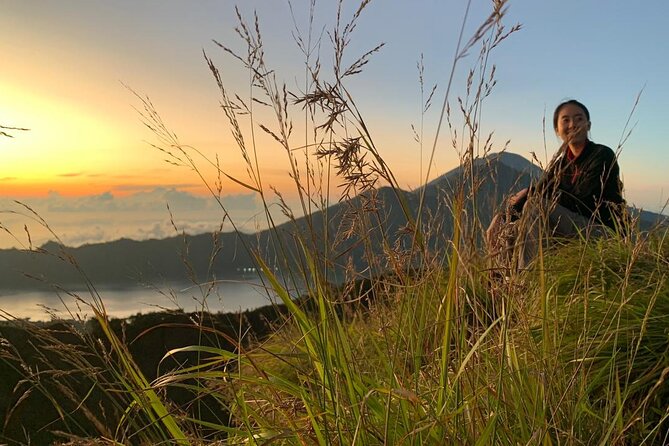
The core sunrise moment is simple: you’ll walk by flashlight to the summit area, then watch the sky shift from dark to orange and yellow and finally bright. It’s a visual time-lapse, but you’re doing it with real air in your lungs and real steps on the slope.
Once you’re up there, breakfast turns the experience from exercise into reward. You’ll be eating a banana sandwich, hard-boiled egg, seasonal fruit, plus tea or coffee while sunrise unfolds. This is one of the most underrated parts of the tour: it’s not just “see the view and go.” It’s slow down long enough to actually enjoy the moment.
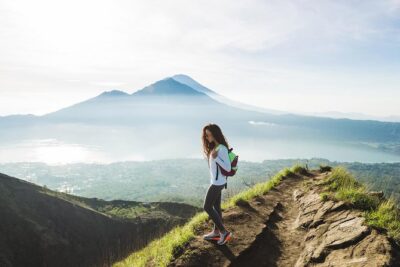
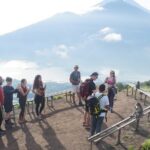
You also get time around the crater rim for photos. There’s a specific mention of using a west spot for Instagrammable shots. Even if you don’t care about Instagram, that kind of photo planning is a clue that the timing and viewpoints are considered, not random.
Caldera walking and the best photo angles (without fighting crowds)
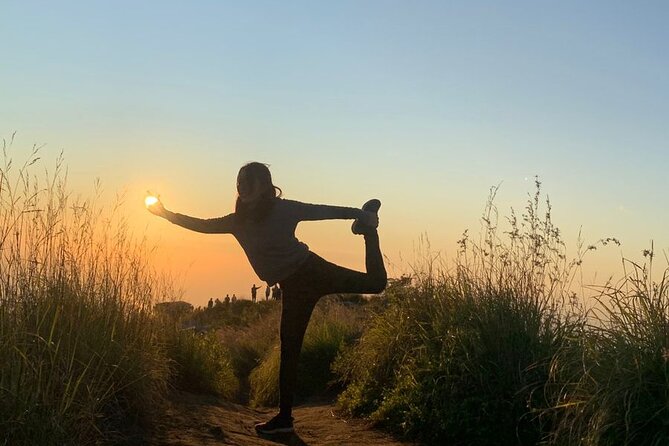
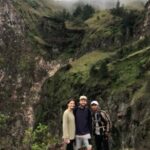
After breakfast, you’ll spend time exploring the caldera area around the rim. Think of this as your “hang time” portion. You’re not rushing downhill immediately; instead, you get to look around, reposition for photos, and take in how the volcano bowl shapes the view.
Photo success on Mt. Batur is partly light and partly timing. The tour structure helps because you’re there at dawn, when the lighting is best and before crowds fully thicken on the trail. In one story, a guide’s choice of a less busy crater loop trail was highlighted as a highlight—proof that route decisions really do matter.
If you’re sensitive to crowds, this kind of guided planning is worth paying for. A volcano summit can look manageable until you’re standing among a wall of people. Better to go with someone who knows where the quieter angles are and how to keep the pace moving.
Descending a different way: legs will notice the plan
After the summit and crater rim time, you’ll head down toward the parking area. The schedule indicates you descend via a different route than the way you came up. That sounds like a small detail, but on a volcano it can change how your knees feel and how much the trail fights your footing.
Even if the distance is roughly similar, downhill is always harder on the body. A smart route can mean fewer harsh steps, better footing, and a faster shift from “climbing mode” back to “daylight mode.”
This is also the part of the day where you’ll likely notice you’ve moved from cold-dark effort into clearer views and warmer conditions. If you bring layers, you’ll be glad. If you don’t, you’ll adapt, but it’s not as comfortable.

Tukad Cepung: the cave waterfall and the sun-ray window
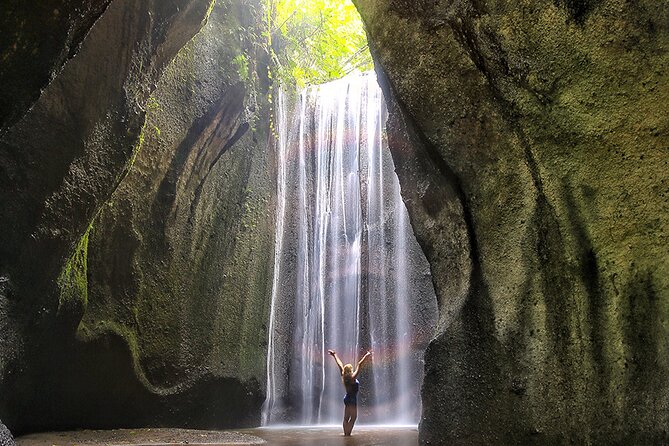
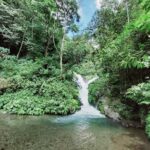
Then you switch environments completely: from volcano rim to a waterfall inside a cave system. Tukad Cepung is famous for that unusual look when sun rays hit the top and beam through the cave, lighting up the waterfall and the walls.
The practical tip here is timing. The best chance for those dramatic rays is often around 10:00 am, when the sun is high enough to reach into the cave opening. The tour runs long enough to make a late morning waterfall visit realistic, which is a big advantage of booking a full morning plan instead of trying to DIY it and hoping for the sun.
The waterfall stop is about 1 hour. That’s typically enough for photos and a calm look, but it can also feel short if you’re obsessed with getting the perfect beam shot. If you care about photos, move smart: get set quickly, then adjust for the light shift as the rays change.
Also, note the feel of the cave: it’s cooler than outdoors and can be slippery. Wear footwear you trust.
Price and value: $65 for sunrise + waterfall isn’t only about views
At $65 per person, this tour is priced as a budget-friendly “best-of” morning: Mt. Batur sunrise with guiding and summit breakfast, plus Tukad Cepung waterfall with entry fees included. That’s not just pretty scenery. It’s a logistics-heavy combo packed into one day.
Here’s what you’re paying for in real terms:
- Guide-led early climb with pacing help
- Equipment support (flashlight, trekking poles)
- Food included (breakfast with hot drink)
- Transport included from multiple pickup areas
- Admission tickets included at both stops
- All fees and taxes included
What’s not included is the stuff you’ll bring anyway: personal expenses, and things like change of shoes, jacket, and shoes. The tour gives you poles and flashlight, but it doesn’t magically supply your clothing. In practical terms, plan on bringing sensible hiking shoes and a warm layer for the early hours.
The time format also adds value. You’re typically looking at 8 to 10 hours total, which means you’re not spending an entire day traveling around Bali. You get a complete story: dawn on a volcano, then water in a cave.
Who this trek is perfect for (and who should think twice)
This is ideal if you:
- Want one organized morning that includes both a volcano sunrise and Tukad Cepung
- Like the idea of guided photo help and avoiding the worst crowd moments
- Can handle a moderate uphill trek in the dark
- Prefer private transport and private guiding over stitching together routes yourself
Think twice if you:
- Struggle with very early starts and low-light hiking
- Get motion-sick or uncomfortable in early-morning crowds of vehicles and gear (even with private transport, you’ll still be in a high-demand sunrise area)
- Are very weather-dependent on sunrise views. The experience requires good weather, and if conditions are poor, the plan can be affected with an offer of a different date or a refund.
Should you book the Mt. Batur sunrise + hidden waterfall?
I’d book it if you want an efficiently planned Bali morning that focuses on two memorable sights and doesn’t leave you scrambling for gear or timing. The setup is built for people who value convenience and good guidance: flashlight and trekking poles included, summit breakfast waiting for you, and a second stop with a clear “sun-ray” payoff at Tukad Cepung.
I’d skip it if you can’t handle the 2:00 am start or if you only care about scenery and don’t want any physical effort. In that case, you might be happier with a less demanding outing and save the sunrise for a day when you feel fresh.
If you do book, come ready for cold and uneven ground, and treat the summit time as the main event—not a quick stop.
FAQ
What time does the tour start?
The start time is 2:00 am.
Where are pickups offered?
Pickup is offered from Seminyak, Kuta, Nusa Dua, Jimbaran, Sanur, and Ubud.
How long is the experience?
It runs about 8 to 10 hours in total.
Is this a private tour?
Yes. It’s a private tour/activity, and only your group participates.
What’s included in the trek?
You get a private guide, plus flashlight and trekking poles for the hike.
What breakfast is provided at the summit?
Breakfast includes banana sandwich, hard-boiled egg, seasonal fruits, and tea or coffee.
Does the waterfall entry ticket cost extra?
No. Admission tickets are included for the Tukad Cepung Waterfall stop.
What should I wear or bring?
The tour doesn’t include items like jackets and shoes, so you’ll want to bring appropriate clothing and footwear for a sunrise hike and a cave waterfall.
What is Tukad Cepung Waterfall known for?
It’s inside a cave system and becomes especially striking when a beam of sun rays hits the top and lights up the cave area. The best timing is often around 10:00 am.
What happens if weather is poor?
The experience requires good weather. If it’s canceled due to poor weather, you’ll be offered a different date or a full refund.
Cancellation: can I get a refund?
Yes. You can cancel for a full refund up to 24 hours before the experience start time. If you cancel less than 24 hours before, the amount paid is not refunded.