REVIEW · UBUD
Sidemen Trekking: A Walk from a Different Perspective
Book on Viator →Operated by Sidemen Trekking · Bookable on Viator
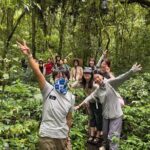
Sidemen is Bali without the hurry. This easygoing trek from the market into rice terraces lets you walk the same kinds of paths farmers use, with Mount Agung views as your payoff. Along the way, local guides like Adidas, Adi, Darya, and Wayan share how rice farming, daily village life, and Hindu traditions connect.
I love that it’s not just about the photos. You get a real sense of how irrigation works, how people move through the fields, and why the terraced layout matters when you’re walking on the narrow, sometimes elevated paths.
One possible drawback: you’ll need good balance and careful footing. Some stretches along the paddies and waterways can be narrow and slippery, especially after wet patches.
In This Review
- Key Highlights You’ll Notice Right Away
- Why This Sidemen Walk Feels More Local Than a Typical Tour
- Starting at Pasar Sidemen: Market Energy Before the Rice Fields
- The 2-Hour Route: Up, Down, and Mostly Unhurried
- Rice Terraces Up Close: Viewpoints From the Farmer’s Side
- Irrigation Paths and the Hanging Wooden Bridge
- Temple Pass-By and Daily Prayer Life
- What to Bring: Boots, Sun Protection, and No Fear of Dirt
- Logistics That Actually Matter: Getting There and Getting Home
- Price and Value: $13.75 for a Working-Countryside Experience
- Who Should Book This, and Who Might Skip It
- Should You Book It? My Practical Take
- FAQ
- How long is the Sidemen trekking experience?
- Where do I meet, and where does it end?
- What’s included in the price?
- Do I need to arrange my own transportation?
- What should I bring?
- What if the weather is bad?
Key Highlights You’ll Notice Right Away
- Start at Pasar Sidemen at the Upa Boga shop, so the walk begins with local rhythm, not a bus drop-off.
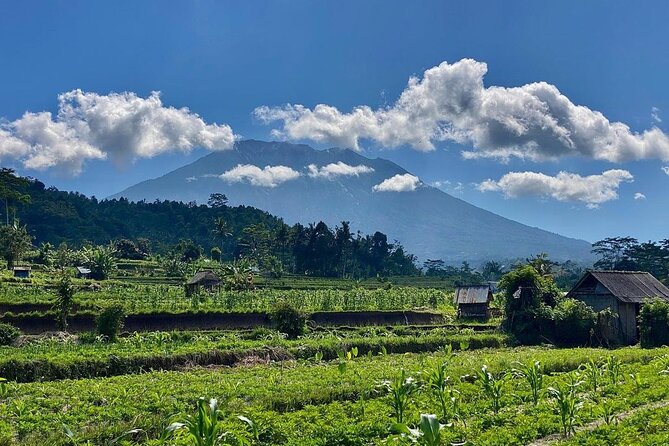
- Follow irrigation paths toward Mount Agung instead of generic viewpoints.
- Cross a hanging wooden bridge that’s used by both humans and motorbikes.
- Pass village temples and prayer life as part of the route, not as a side stop.
- Small groups (max 10) keep it personal enough to ask questions and adjust the pace.
- End at Warung Ume Anyar so you can cool down with a drink or meal right after.
Why This Sidemen Walk Feels More Local Than a Typical Tour
If you’ve done Bali beaches and temples, you’ve seen the “easy” side of the island. This is different. Sidemen’s value is that it still feels like a working place, not a theme park.
The trek is built around how farmers live and work. You’ll move from a traditional market into rice paddies, then along irrigation lines that guide you through the fields. The route also takes you through quiet streets, around temple areas, and past the everyday parts of village life that most visitors miss because they stay in one spot too long.
And yes, the scenery is strong. But the best part is the perspective shift. When you walk where locals walk, the terraces stop being a backdrop and become a system. You start noticing the practical details—water flow, footpaths, and how rice cultivation shapes everything around it.
You can also read our reviews of more tours and experiences in Ubud.
Starting at Pasar Sidemen: Market Energy Before the Rice Fields
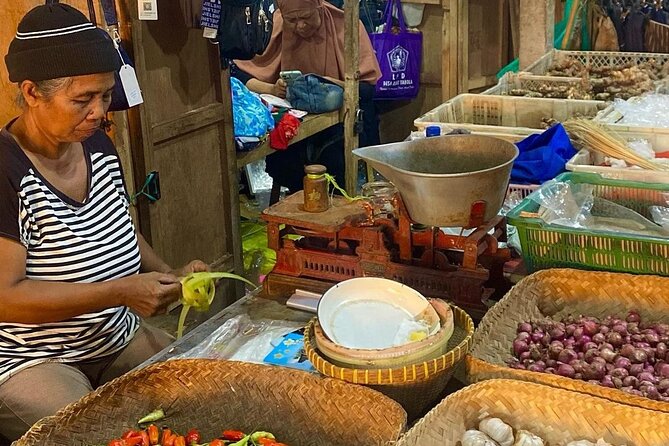
You meet at Pasar Sidemen (Sidemen Traditional Market), right at the shop marked Upa Boga. That detail matters. You’re not hunting for a random office or standing by a roadside while everyone else looks confident. You’ve got a clear reference point.
One smart way to plan: the market runs from 5:00 AM to 10:00 AM. If you want to see what’s happening before the trek, pick a morning session so you can get your bearings fast and still have energy for walking.
What you’ll feel right at the start is the village rhythm. The market is a living place, so even if you don’t buy anything, you’ll notice daily routines—movement, small transactions, and the general sense that life is continuing as usual. That sets the tone for the rest of the walk.
The 2-Hour Route: Up, Down, and Mostly Unhurried
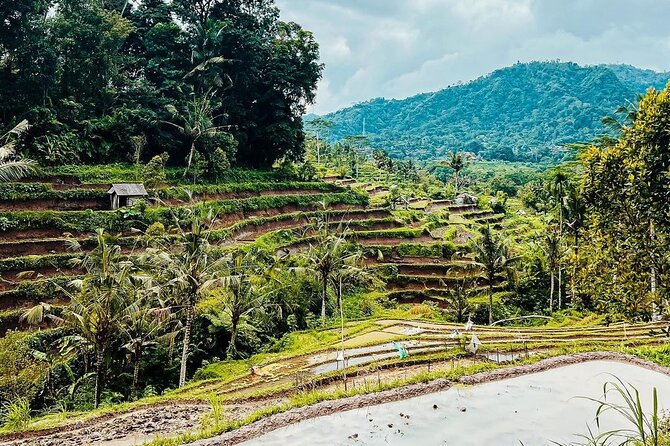
Expect about 2 hours of walking time, with a typical total of 2 to 2.5 hours after it starts. It doesn’t feel like a workout. Reviews and the route profile point to an easy walk overall, but not a stroll. You’ll be stepping on uneven surfaces, narrow farmer paths, and paths that don’t always look like they were designed for tourists.
The tour is marked for travelers with moderate physical fitness. The big requirement isn’t speed or endurance. It’s balance—especially on rice terraces and along water channels where the footing can be tight.
A helpful expectation to set: the trek is designed to be scenic and educational at the same time. Stops are frequent enough that it never turns into a single long trudge where you just wait for the views. You’ll pause, look outward at the terraces, then keep moving on routes that give you angles most people don’t notice from the road.
Rice Terraces Up Close: Viewpoints From the Farmer’s Side

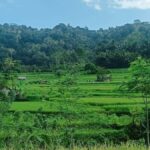
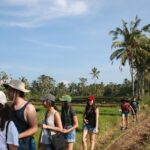
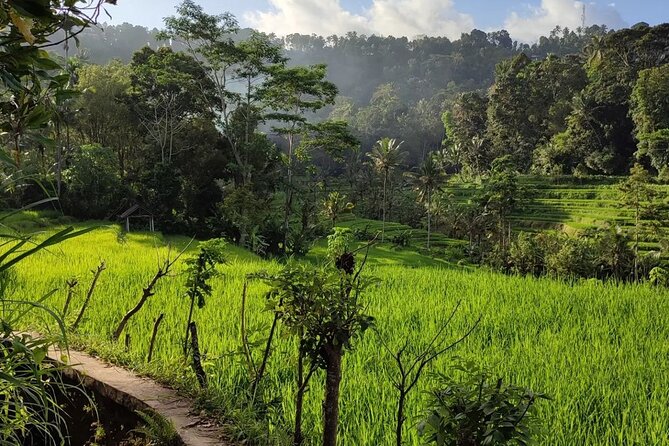
Once you leave the market, the trek climbs toward rice paddy fields. The paths aren’t “theme park stairs,” and that’s part of the charm. You follow routes that can be hard to spot without a local guide—exactly the reason this kind of walk is worth doing with someone who knows Sidemen.
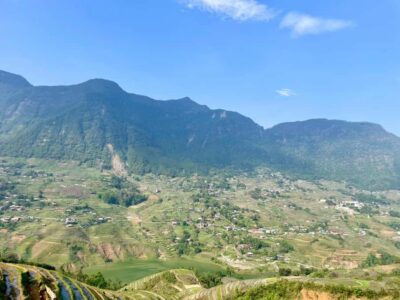
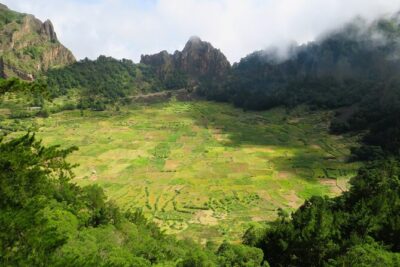
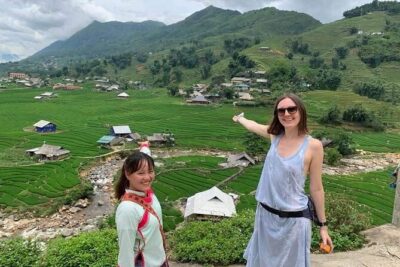
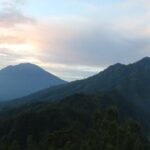
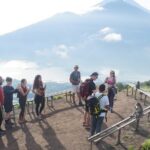
You’ll see viewpoints where the terraces stretch out in layers, and the bigger picture includes Mount Agung hovering over the area. But the real value is that you’re seeing the terraces both from afar and from practical angles—like how the irrigation network shapes the layout.
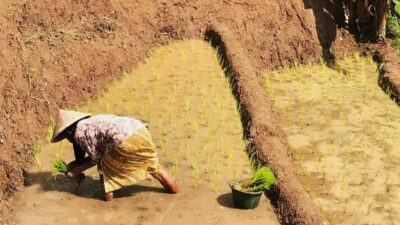
One detail I like about this style of trek: it turns the terraces into a story. Guides often explain how rice grows, how water is managed, and what crops look like across seasons. In December, for example, some rice crops may already be harvested, which gives you an opportunity to talk about what’s next and how crops are used in local cuisine.
You also get that “real Bali” feeling because the route goes through places that don’t exist just for sightseeing. The terraces are behind homes, beside working fields, and threaded through village life.
Irrigation Paths and the Hanging Wooden Bridge
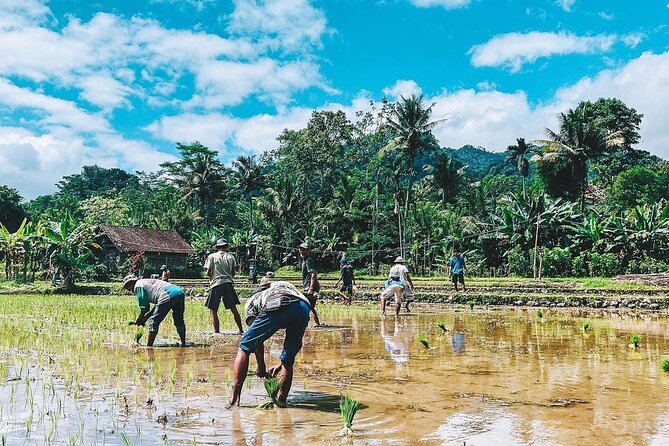
The trek follows irrigation ways—water channels and routes connected to how farmers maintain the fields. This matters because it explains the landscape’s logic. When you walk beside an irrigation line, you understand why paths are where they are and why the terraces are shaped the way they are.
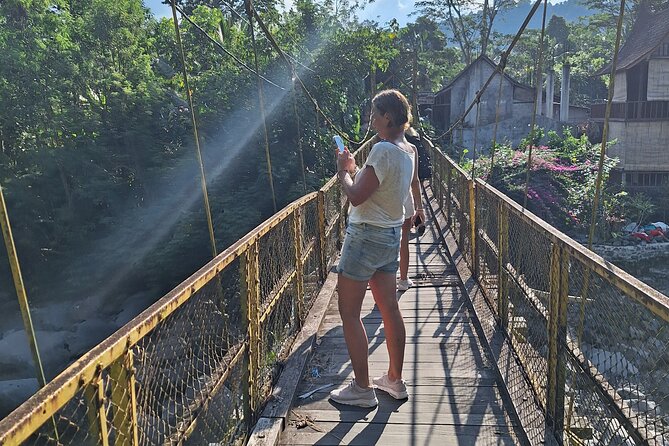
At some point, you’ll cross a hanging wooden bridge. It’s sturdy enough for motorbikes and humans, which tells you it’s not some fragile footbridge meant only for tourists. Still, it’s narrow in the real-world sense: you should walk carefully and go at a steady pace.
This bridge crossing is also one of those “photo moments” that feels earned. You’re not just standing at a viewpoint. You’re moving across a working connection between sides of the fields—so when you look back, you see both direction and purpose.



Temple Pass-By and Daily Prayer Life
A strong point of this trek is that you don’t spend all your time staring at greenery. You also pass a village temple used for prayer by local villagers.
The timing and closeness vary by day, but the route includes these cultural touchpoints as part of the walking experience. That’s what makes it more than an outdoor activity. You’re seeing how religious practice exists alongside farming and family routines.
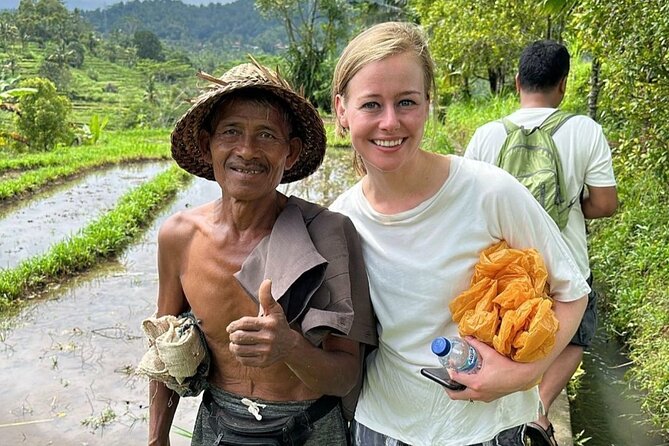
Guides often tie what you see to everyday life in Sidemen. That can include how villagers organize offerings, how community life works, and how farming traditions fit into a Hindu worldview. If you’re the type of traveler who likes context—not just visuals—this is where the trek tends to feel most meaningful.
And yes, the humor shows up too. Several guide stories mention guides cracking jokes while explaining farm life, which makes the educational part less stiff and more human.
What to Bring: Boots, Sun Protection, and No Fear of Dirt
This is a walking tour in real working countryside. You should dress like it.
Plan on bringing:
- Sun hat
- Hiking boots/shoes
- Suncream (sunscreen)
- Sunglasses
Shoes are the big one. Even if the walk is described as not taxing, you’ll still deal with narrow paths, wet spots, and soil that can get on you. One helpful piece of advice: don’t be afraid to get a little muddy, but do wear footwear that can handle it.
Also, since you’re outside much of the time, sun protection isn’t optional. You’re in open fields, and you’ll be exposed between shaded village stretches.
Logistics That Actually Matter: Getting There and Getting Home
This tour does not include hotel pick up and drop off. You’ll start at Pasar Sidemen and end at Warung Ume Anyar Restaurant in Ogang Village.
So plan your transport like a local planner:
- If you have a driver, ask them to pick you up around 2 to 2.5 hours after the trek starts.
- If you’re relying on Grab, keep in mind there may be limited driver availability in the Sidemen area.
- Some rides may involve offline payment or extra requests, so arranging ahead avoids waiting around after you finish.
If you get stuck with timing, there’s also an option to walk back. The return along the main road is about 3 km and 30–40 minutes.
Price and Value: $13.75 for a Working-Countryside Experience
At $13.75 per person, this isn’t a “big splurge” excursion. The value comes from what’s included and what you’re actually paying for.
You get:
- A local guide experience
- Bottled water
- A structured route that takes you off generic paths
- A small group cap (max 10 travelers), which usually improves the experience because you’re not lost in a crowd
This is the kind of tour where $13.75 buys you access to routes you’d never find on your own. The irrigation lines, narrow terraces, and farmer paths don’t advertise themselves. A guide helps you safely move through them and also gives you the cultural and farming context behind what you’re seeing.
Add in the fact that group discounts are available, and it’s even easier to justify if you’re traveling with friends.
Who Should Book This, and Who Might Skip It
This trek is a great match if you:
- want rural Sidemen instead of more resort-area scenery
- like learning how daily life works (farming, community routines, and religion)
- enjoy short walks with frequent stops and a guide who chats naturally
- want a view of Mount Agung without needing a full-day hike
It may be less ideal if you:
- struggle with balance on narrow paths
- don’t do well with uneven surfaces or occasional slippery footing
- expect a big, strenuous hike (this is easier than most people imagine when they hear trekking)
If you’re traveling with older family members, pay attention to balance and footing, not just stamina. The route’s narrow terrace paths and waterways matter more than the total elevation concept.
Should You Book It? My Practical Take
I think you should book this if your Bali trip includes a “real-life” goal. You’ll get a walk that’s short enough to fit easily, but specific enough to feel different from the usual sightseeing loop.
The strongest reasons to go are:
- You’ll walk farmer-style paths and understand the terraced system.
- Guides such as Adidas, Adi, Darya, and Wayan bring stories that connect rice farming and local Hindu daily life.
- You end at Warung Ume Anyar, so you’re not left scrambling for food right after you finish.
If you want a calm, guided rural experience with genuine context—and you pack proper shoes and sun protection—this one is worth your morning or afternoon time. If you hate uneven footing or need fully flat trails, consider a different type of Sidemen outing.
FAQ
How long is the Sidemen trekking experience?
It’s about 2 hours walking time, with total time often around 2 to 2.5 hours including the full flow of the trek.
Where do I meet, and where does it end?
You start at Pasar Sidemen at the shop with the sign Upa Boga. You finish at Warung Ume Anyar Restaurant in Ogang Village.
What’s included in the price?
The tour includes bottled water. Tips and hotel pick up and drop off are not included.
Do I need to arrange my own transportation?
Yes. Hotel pick up and drop off are not included. The meeting point is in the market area, and you’ll need transport after the trek from the finish point.
What should I bring?
Bring a sun hat, hiking boots/shoes, sunscreen, and sunglasses.
What if the weather is bad?
The experience requires good weather. If it’s canceled due to poor weather, you’ll be offered a different date or a full refund.