REVIEW · UBUD
Mount Agung Sunrise Trekking Private Tours
Book on Viator →Operated by Mount Agung Sunrise Trekking · Bookable on Viator
Mt Agung sunrise begins in the dark. This is a private night hike up Bali’s highest and most sacred volcano, timed for sunrise views over Bali and Lombok. You start with flashlights and climb through cool, steep terrain while your guide handles the route and safety.
Two things I really like: you get private, guided attention from start to summit, and the whole experience includes practical trekking gear plus breakfast fuel. Another strong point is the cultural rhythm of the route—passing by the Besakih area (the mother temple) on the way to the mountain.
One thing to weigh: this trek can be cold and physically brutal, and the tour includes rain protection but not warm layers or proper footwear.
In This Review
- Key Points Worth Knowing Before You Go
- Why This Mt. Agung Sunrise Trek Feels Like a Real Adventure
- The Night Climb: Flashlights, Cold Air, and a Steep Reality Check
- Passing Besakih Temple: The Cultural Portion Before the Crater Rim
- Breakfast and the Fire Stop: When the Trek Becomes More Than Endurance
- Sunrise From Mt. Agung: The Views You’re Really Paying For
- The Descent: Slippery, Narrow, and Not a Victory Lap
- What You Actually Get: Gear, Food, and a Guide You Can Rely On
- Value for $55: Why the Price Can Be a Bargain or a Frustration
- Picking Your Guide: Names You’ll Hear and What They Signify
- Timing, Duration, and Transfers: What Your Schedule Should Expect
- Who This Trek Is Best For (and Who Might Want a Different Peak)
- Should You Book Mt. Agung Sunrise Trekking Private Tours?
- FAQ
- Where does the trek start?
- How long is the Mt. Agung sunrise trek?
- Is pickup included?
- Is this a group tour or private?
- What time does the hike begin?
- What’s included with the breakfast?
- What trekking gear is provided?
- What should I bring that isn’t included?
- What fitness level is recommended?
- Is it refundable if plans change?
Key Points Worth Knowing Before You Go
- Private guide on a real ascent: you’re not just buying a viewpoint, you’re buying coaching, pace, and route confidence.
- Starts in darkness: flashlights guide the path, so you’ll want steady steps and good footing.
- Warm-break included: there’s time at a fire stop for hot food and tea/coffee before sunrise.
- Gear is partial: trekking poles, flashlight, and raincoat come with you, but you still must pack layers and shoes.
- Besakih Temple area is part of the day: you’ll pass the mother of temple on the route toward Mt. Agung.
- Guides can vary: most experiences feel safety-first and attentive, but communication style isn’t guaranteed for everyone.
Why This Mt. Agung Sunrise Trek Feels Like a Real Adventure
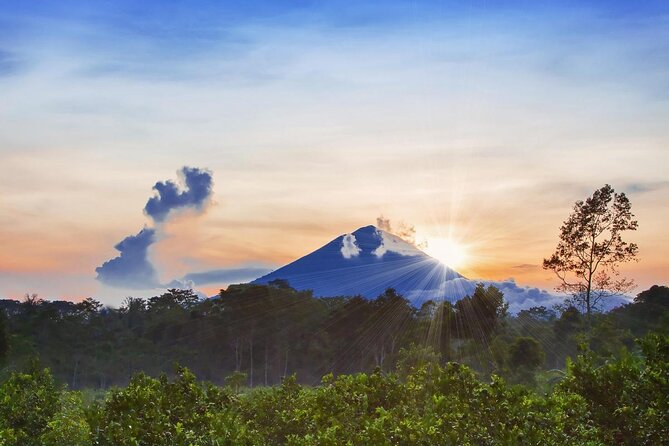
There’s a reason Mt. Agung is treated like a big deal in Bali. It’s the island’s highest peak (about 3,031 meters / 9,944 feet) and also considered sacred. A sunrise trek here isn’t just a “see a view” activity. It’s a night ascent with a goal: reach the rim area in time for the sky to brighten.
What makes this tour appealing is the mix of structure and wilderness. You get a private guide and the essentials to move safely in darkness—flashlight, trekking poles, and a raincoat. Then the mountain takes over. You’re climbing through forest and rocky sections, with the temperature dropping as you gain height.
You’ll also get a built-in rhythm. You don’t just start hiking and hope for the best. You carry breakfast basics, and there’s typically a warm-break moment before the final push. If you like challenged travel—actual work that ends in a big payoff—this is the kind of day that sticks with you.
You can also read our reviews of more tours and experiences in Ubud.
The Night Climb: Flashlights, Cold Air, and a Steep Reality Check
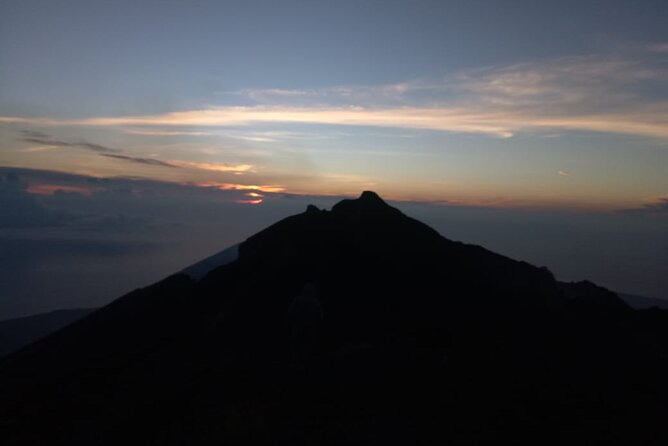
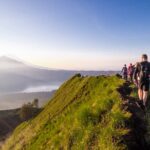
The trek begins in darkness, around midnight for many starts (some schedules line up closer to 11:00 pm to 2:00 am depending on pickup and timing). You’ll be guided up the path with flashlights provided. Early on, the climb can feel easier, but it’s not “easy walking.” Even when it starts manageable, the overall profile becomes steadily steeper.
Expect a mix of surfaces. Some hikers describe it as steep, rocky, and in places like an angled rocky stream-bed. That matters because it changes how you step. You can’t just rely on speed. You need balance, short steps, and grip.
Then comes the cold part. The provided raincoat helps if weather turns wet, but it doesn’t replace warm gear. Reviews repeatedly flag how warm in the lower forest and then very cold near the top and during sunrise waiting. Wind can make it sharper. Plan on bringing your own layers, gloves if you run cold, and something that holds heat during windy pauses.
Practical takeaway: if you go in thinking this is like a nice hike in daylight, you’ll feel surprised. If you go in ready for an athletic climb and a cold rim moment, you’ll likely love it.
Passing Besakih Temple: The Cultural Portion Before the Crater Rim
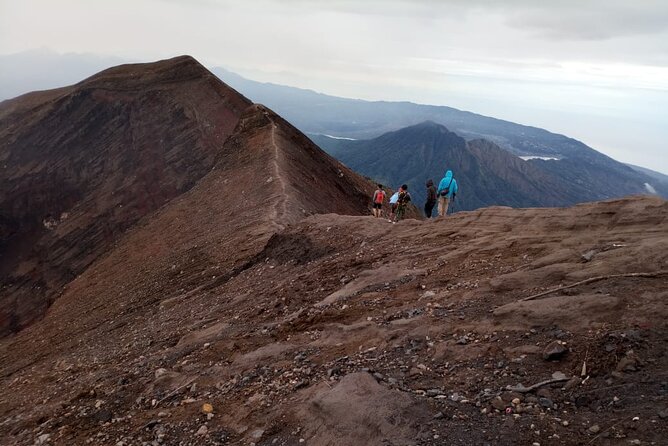
Before you fully lock into “mountain mode,” you’ll pass the mother of temple in Bali if you take the trek path via Besakih Temple. This is the biggest Hindu temple in Bali, known locally as Pura Besakih.
This portion matters because it gives you context. You’re not dropping straight into an isolated climbing experience. You’re moving from sacred grounds toward the volcano that sits at the center of local reverence. You’ll also have a chance to see wider views from the temple area, including the nature panorama reaching toward the ocean.
One more reason I like this stop: it breaks up the mental load of a night climb. Before you’re grinding uphill for hours, you’re briefly anchored in place—observing, seeing light again around temple grounds, and understanding you’re in a much bigger story than just “sunrise sightseeing.”
Breakfast and the Fire Stop: When the Trek Becomes More Than Endurance
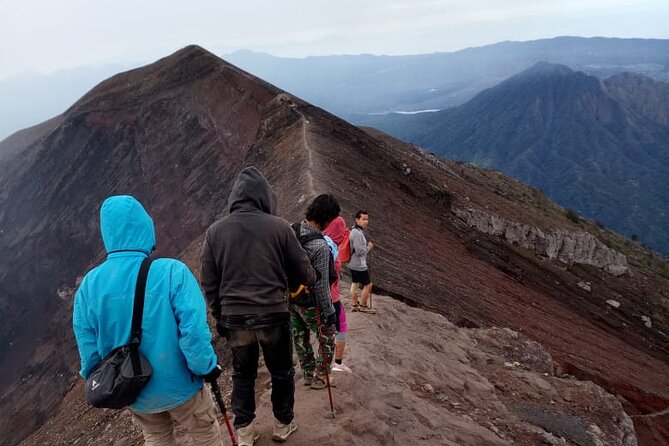
One of the most memorable parts is the warm-break window before you go for the summit in time for the sunrise. Even though the mountain is the star, you’re not left to suffer on empty.
The tour includes a simple but solid breakfast spread: hardboiled egg, bread, seasonal fruits, some biscuits, and tea or coffee. Water is included during the hike as well. For many hikers, that meal hits right when you need it—when your body wants fuel and your hands want warmth.
You may also run into a campfire moment. Several experiences describe guides lighting fires with sticks collected nearby so hikers could thaw out, snack, and reset before the final push. It’s a morale boost in a way that’s hard to describe until you’ve been cold for a while.
My advice: treat the food and the warmth as part of the climb strategy. Don’t just eat quickly. Take a few minutes, slow your breathing, then get moving again with a calmer rhythm.
Sunrise From Mt. Agung: The Views You’re Really Paying For
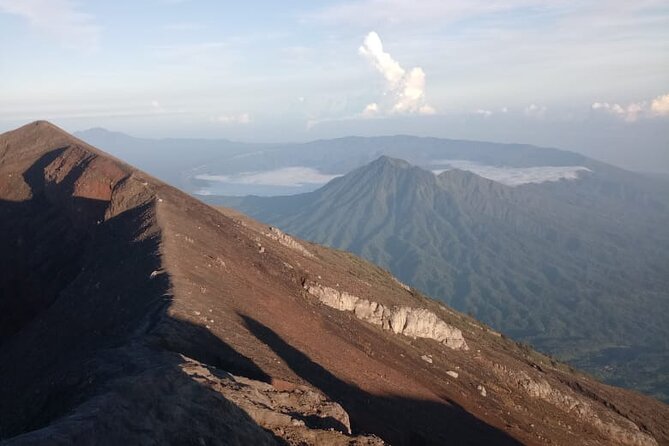
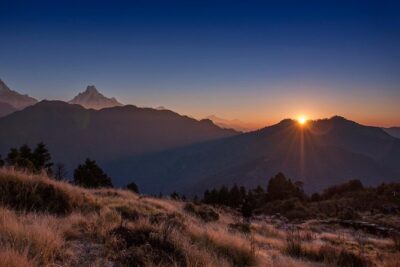
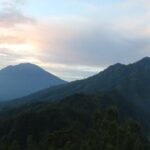
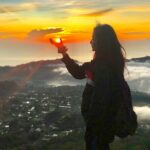
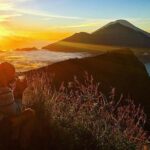
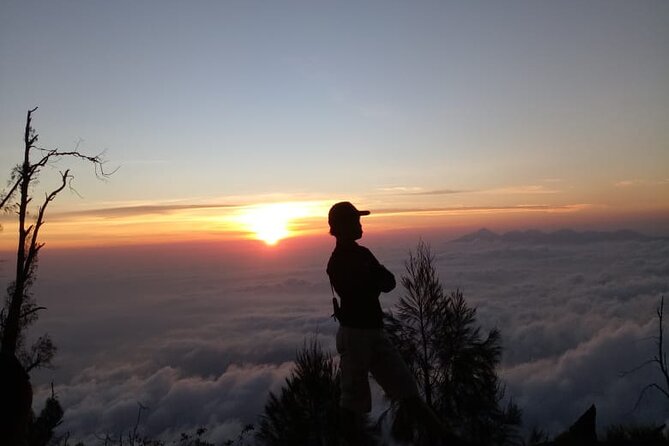
The whole point is the crater rim sunrise. From there, you watch the sky change and you can see across Bali and toward Lombok. Some hikers specifically mention views that reach toward Lombok’s Mt. Rinjani area, plus the three-peak views that can appear from the rim depending on weather and cloud cover.
Visibility can vary. Fog, clouds, and wind are part of the deal on volcano summits. One reason the tour is popular is that the sunrise “show” still happens even if the horizon isn’t perfect—cloud breaks can create dramatic layers. If you’ve ever waited through a gray morning and then had it open up, you’ll understand why the rim timing matters.
The best part is how high the effort feels before you see the reward. When people say it feels like you’re above everything, it’s because you climbed through night darkness to get there. Your body remembers the climb while your eyes take over at the rim.
And then there’s the moment after sunrise. You’ll start the descent back down the trail, where your muscles shift from uphill stamina to downhill control.

The Descent: Slippery, Narrow, and Not a Victory Lap
Going down can be harder than people expect. Several hikers warn that descent becomes slippery, with loose rocks and mud-like conditions in forest sections. Even when trails are manageable in daylight, night-to-day transitions can make footing confusing.
This is why good shoes matter more than people want to admit. You’ll see lots of advice to avoid runners and sandals. Choose hiking shoes with grip and tread. If you do one thing well, make it this: don’t show up in footwear that slides.
Also slow down. A few people describe the descent taking several hours and feeling like a constant careful walk over uneven terrain. It’s not just tiring—it can feel risky if you rush or if your shoes don’t bite into the ground.
What You Actually Get: Gear, Food, and a Guide You Can Rely On
This tour includes trekking poles, a flashlight, and a raincoat. It also includes tea or coffee plus water during the hike. For many people, these inclusions cut down on what you must pack at midnight.
Still, it’s partial gear. What’s not included is warm clothing, warm jacket, shoes, and other personal needs. That gap is important because Mt. Agung sunrise is cold. You’ll want your own layers and warm accessories, even if the lower forest feels humid and warm.
The other big included value is the private guide plus private driver. You won’t be sharing decision-making with strangers trying to find a pace. You can match your rhythm more naturally, and the guide can manage the climb to help you keep moving safely.
If you’ve done hikes before, you’ll appreciate this. The guide also helps with navigation in darkness, so you’re not second-guessing the trail under a headlamp beam.
Value for $55: Why the Price Can Be a Bargain or a Frustration
At $55 per person, you’re paying for a full night operation: private guide time, trekking gear basics, included food and drinks, and pickup/transfer coverage across multiple areas of Bali. For a sunrise hike that can run 12 to 16 hours, that cost can feel very reasonable compared to how expensive private full-day guided activities often get in popular destinations.
Here’s the balanced take: the value is tied to execution. When the guide is attentive and patient, the experience feels worth every dollar. When communication is poor or the pacing is off, you can end up cold longer than you planned, or waiting below the summit while sunrise happens.
The good news? The overall rating is high, with most experiences recommending it. But the low-score reports show what can go wrong: guides who don’t share information, don’t engage much, or push too quickly so hikers wait in the cold instead of enjoying a calm summit moment.
My advice on value: go with the expectation that this is an intense physical climb and a timing-sensitive sunrise. Then reduce your risk by dressing right and bringing the right shoes, so guide pacing problems don’t turn into avoidable discomfort.
Picking Your Guide: Names You’ll Hear and What They Signify
Some guides show up repeatedly in successful experiences. Names like Gede Darta, Ketut Bude, and Rodih are linked with safety-conscious guiding, calm pacing, and good driver service. One standout story describes Gede Darta as calm and careful during a scary section, even carrying a bag part of the way for lighter footing.
On the flip side, there are also reports of a guide who didn’t motivate, didn’t communicate much, or pushed hikers too fast, leading to a long wait below the summit. That doesn’t mean the mountain tour is unreliable—it means you should treat guide behavior as a real variable on a climb this demanding.
If you care about communication and support style, you can bring it up before starting: ask how they plan the timing for sunrise, how they handle breaks, and what you should watch for on the descent. A good guide will answer clearly.
Timing, Duration, and Transfers: What Your Schedule Should Expect
This tour runs about 12 to 16 hours. The day starts late at night, before sunrise, and ends back at the meeting point area. Pickup is offered from south Bali, Ubud, Amed, Lovina, and Candidasa, with two-way transfers included in those coverage zones.
So you’re not just hiking—you’re also commuting in the dark to reach the base. Some routes can involve a couple of hours of driving depending on where you start.
Plan the rest of your day smartly. You’ll likely want a recovery block afterward, not a sightseeing sprint. If you’re staying far from the pickup zone, factor in extra travel time.
Who This Trek Is Best For (and Who Might Want a Different Peak)
You should be physically ready. The tour is aimed at people with at least moderate physical fitness, but “moderate” here still means hours of steep uphill at night and a risky descent if you’re not careful.
This is a great match if you:
- enjoy hiking and want a stronger challenge than the common Bali day hikes
- can handle cold mornings and windy waiting at the rim
- want private guiding and don’t want to fight for pace in a big group
You should think twice if:
- you’re not comfortable with steep rocky trails
- you’re easily chilled or don’t plan to dress properly (especially your hands and feet)
- you’re expecting an easy sunrise stroll
The tour also notes it is not recommended for menstruation period travelers, and it’s not set up for everyone.
Should You Book Mt. Agung Sunrise Trekking Private Tours?
Book it if you want a true night-to-sunrise mountain experience with private support, included trekking basics, and the payoff of sunrise from the highest sacred peak in Bali. This is value-rich at $55 when your body and gear are ready for the climb.
Skip (or swap for an easier option) if you’re looking for comfort, predictable temperatures, or a gentle hike. This trek can be brutally physical, and the cold at the top is real. Also, because guide communication and pacing can vary, it helps to go in with a flexible mindset and arrive prepared so you still have a great day even if the rhythm isn’t perfect.
If you do book: wear real hiking shoes with grip, pack warm layers, and bring extra water beyond what you’ll rely on from the tour. Those choices are what keep the sunrise fun, not miserable.
FAQ
Where does the trek start?
The meeting point is Pura Pengubengan Besakih, Rendang, Karangasem Regency, Bali 80863, Indonesia.
How long is the Mt. Agung sunrise trek?
The duration is listed as about 12 to 16 hours.
Is pickup included?
Pickup is offered from south Bali, Ubud, Amed, Lovina, and Candidasa.
Is this a group tour or private?
It’s a private tour/activity, with only your group participating.
What time does the hike begin?
It begins in darkness, with many starts around midnight (based on provided schedule descriptions).
What’s included with the breakfast?
Breakfast includes bread, a hardboiled egg, seasonal fruits, some biscuits, and tea or coffee. Water is included during the hike.
What trekking gear is provided?
You’ll get trekking poles, a flashlight, and a raincoat.
What should I bring that isn’t included?
Warm jacket/layers and shoes are not included, along with other personal needs.
What fitness level is recommended?
Travelers should have a moderate physical fitness level.
Is it refundable if plans change?
Yes. Free cancellation is available, with a full refund if you cancel at least 24 hours in advance of the experience start time.