REVIEW · SA PA
Sa Pa: 6-Hours Muong Hoa Valley Trek with Local Ethnic guide
Book on GetYourGuide →Operated by Vietnam Nomadtrails · Bookable on GetYourGuide
Rice terraces meet real village life.
This Sa Pa trek into Muong Hoa Valley is special because you walk through some of northern Vietnam’s most photogenic terraced fields and then spend real time with ethnic communities along the route. I also like how the day mixes views with hands-on culture, not just scenery: you’ll meet people in villages like Y Linh Ho and Lao Chai, then see craft traditions tied to daily life. One thing to watch: the walk is around 10 km and can feel slippery and steep in wet weather, so good shoes and a steady pace matter.
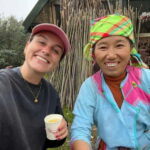
I found the best part to be the human scale of it all, especially with an English-speaking local guide (I’ve seen guide names like Sàng, Sai, Su, Bao, and Dong show up in different groups). You’ll get help navigating uneven paths from local women in the villages and along the descent, which makes the day feel more doable even when conditions get messy. If you’re hoping for an easy stroll, consider that the route has downhill sections and rough ground, and it’s not built for reduced mobility, kids under 6, or anyone who needs a stroller-like pace.
In This Review
- Key points to know before you go
- From Sa Pa to Muong Hoa Valley: The 20-Minute Road Walk That Sets the Tone
- Y Linh Ho Village and the Black Hmong Welcome
- Lao Chai Rice Terraces: The Big Views Plus Craft Traditions
- Ta Van Village Homes: Weaving and Rice Cultivation in Real Life Terms
- Meeting the Dzay Tribe: Reading Costume and Custom Contrasts
- Trek Reality Check: The 10 km Walk, Wet Trails, and Steep Sections
- Price and Value: Why This $18 Trek Can Feel Like a Steal
- What’s Included vs. What You’ll Pay For
- Timing, Group Size, and the Return to Sa Pa
- What to Pack and How to Stay Comfortable on Mountain Footpaths
- Who Should Book This Trek—and Who Should Skip It
- Should You Book the 6-Hours Muong Hoa Valley Trek?
- FAQ
- How long is the Sa Pa 6-Hours Muong Hoa Valley trek?
- What villages does the trek visit?
- Is lunch included in the price?
- What’s included in the $18 price?
- Do I need to pay extra for holidays?
- Is this trek a loop?
- How big is the group?
- Do you offer pickup from my hotel?
- What should I bring for the trek?
- Who should avoid this trek?
Key points to know before you go
- Small group size (up to 11 participants) keeps the day friendly and easier for questions.
- Y Linh Ho village visit (Black Hmong) gives you a close look at daily village life.
- Lao Chai terraced views are the payoff: big panoramic rice-field scenery.
- Craft stops include indigo dyeing, batik, and hemp weaving so culture is practical, not just explained.
- Expect muddy, slippery sections and rely on guide + local support on steeper bits.
- Bus transfer back to central Sa Pa keeps the timing tight for a 6-hour experience.
From Sa Pa to Muong Hoa Valley: The 20-Minute Road Walk That Sets the Tone
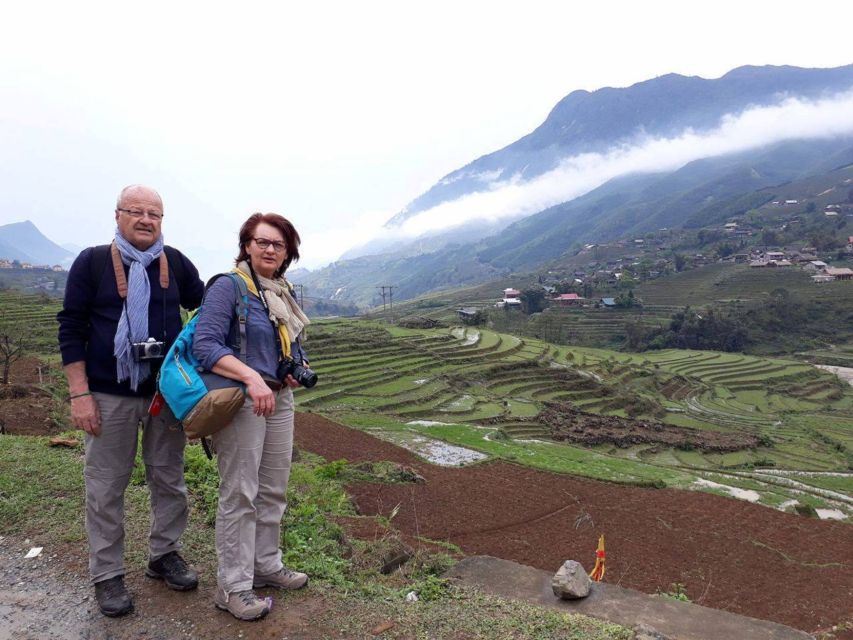
Most Sapa trekking days start with altitude views. This one starts with something even more useful: a short 20-minute walk along a scenic road to Y Linh Ho village. It’s not a huge effort, but it helps you switch from city mode to mountain mode before the proper footpaths begin.
I like that the route immediately connects you to the valley communities. You’re not “dropping in” only for photos. You’re already in the rhythm of villages, fields, and foot traffic before the real hiking starts.
Your first consideration is pacing. This is a 6-hour total day, so the schedule is active, not lazy. If you tend to stop often for photos, plan to keep moving so you don’t feel rushed later on the steep or muddy parts.
You can also read our reviews of more tours and experiences in Sa Pa.

Y Linh Ho Village and the Black Hmong Welcome
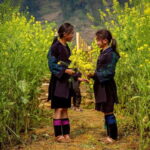
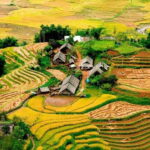
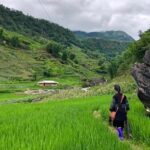
Y Linh Ho is where the experience turns from trekking to people. This is Black Hmong country, and you’ll walk into the village area with time to interact locally—especially around the village center, where day-to-day life is easy to observe.
What I love here is the way questions lead to answers that matter. Instead of only “festival talk,” you’ll learn how people live and work in the mountains, and what daily routines look like up close. This matters because it makes the terraced fields feel less like a backdrop and more like a living system.
A small caution: village photography can be sensitive. You should avoid taking pictures of children unless you have permission from their parents, and you should follow local norms like not touching children’s heads. It’s the kind of respectful detail that helps the day feel smooth and human.
Lao Chai Rice Terraces: The Big Views Plus Craft Traditions
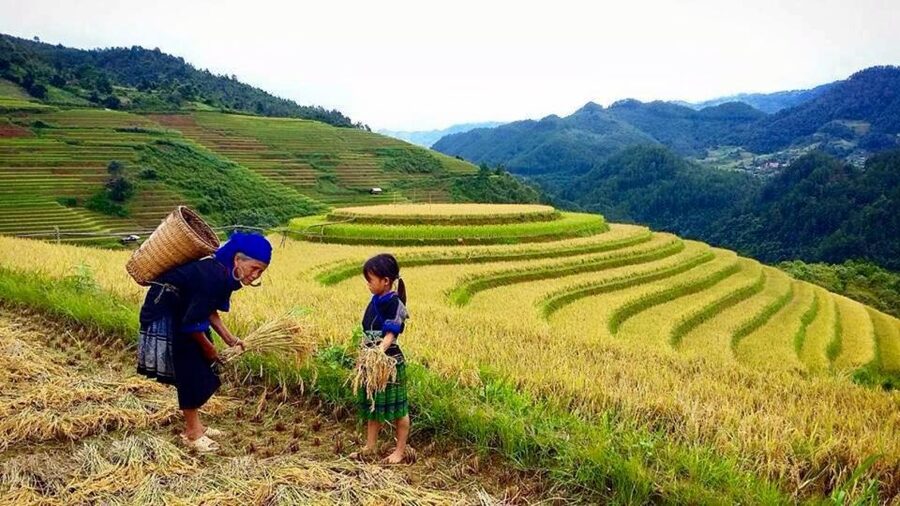
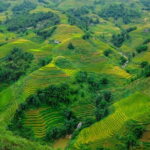
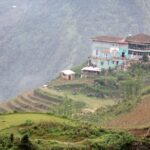
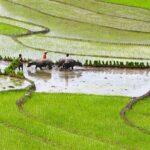
Then comes the portion most people come for: Lao Chai, with panoramic views across terraced rice fields. In clear conditions, you’ll get long sightlines over layered paddies, with the mountain slopes shaping everything. Even when weather turns, the fields still hold their texture—wet greens, misty edges, and narrow footpaths cutting through the slopes.
The smartest part of Lao Chai is that you don’t just look. You also get craft time tied to local materials and skills, including indigo dyeing, batik making, and hemp weaving. These stops are valuable because they connect what you see on people (clothing, patterns, color) with how those materials actually get processed.
One practical drawback: the lunch stop afterward can involve a lot of selling. Some people find it normal; others find it distracting. If you’re not in a mood to buy, keep your wallet zipped and remember that purchasing is optional. You can still enjoy the craft knowledge without feeling obligated.
Ta Van Village Homes: Weaving and Rice Cultivation in Real Life Terms
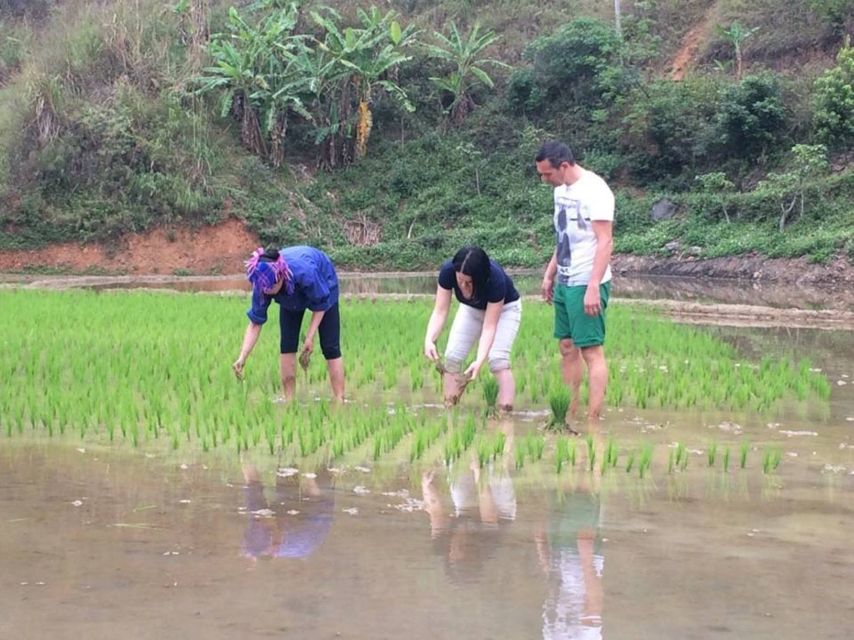
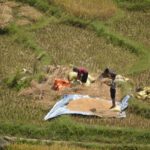
After Lao Chai, the day continues to Ta Van village, where the focus shifts again from scenery to household life. You’ll visit traditional homes and learn about practices that support village survival, including weaving and rice cultivation.
Ta Van is the part that helps you understand the valley as a system. Rice doesn’t happen by magic, and cloth doesn’t happen without labor and patience. When someone explains weaving in the context of how rice fields are managed, it gives the day a sense of meaning. You stop seeing “culture” as a performance and start seeing it as work that keeps families going.
If you’re traveling as a family, this is one of the best segments because it’s tangible. A kid can understand hands-on crafting, and adults usually appreciate that it’s not staged. Still, keep in mind the walking can be challenging on uneven and slippery sections, especially when it’s warm and trails get slick.
Meeting the Dzay Tribe: Reading Costume and Custom Contrasts
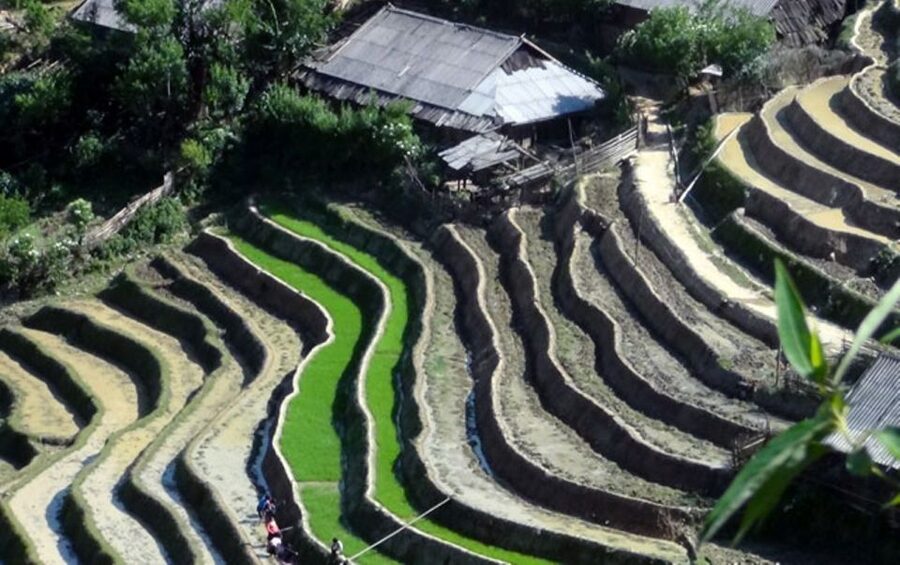
One of the most interesting parts of this trek is the contrast. As the route continues, you’ll meet members of the Dzay tribe, and you’ll notice differences in customs and costume.
I like this because it answers a question people often have in northern Vietnam: why the outfits look so different from one village to the next. When you’re already seeing rice terraces and local work, the costume differences make more sense. They’re part of identity that ties to a wider community.
Because this is a short, 6-hour experience, don’t expect a deep lecture on ethnography. Instead, think of it as a well-timed introduction—enough to make you curious for more, and enough to help you spot meaningful differences on your own later.


Trek Reality Check: The 10 km Walk, Wet Trails, and Steep Sections
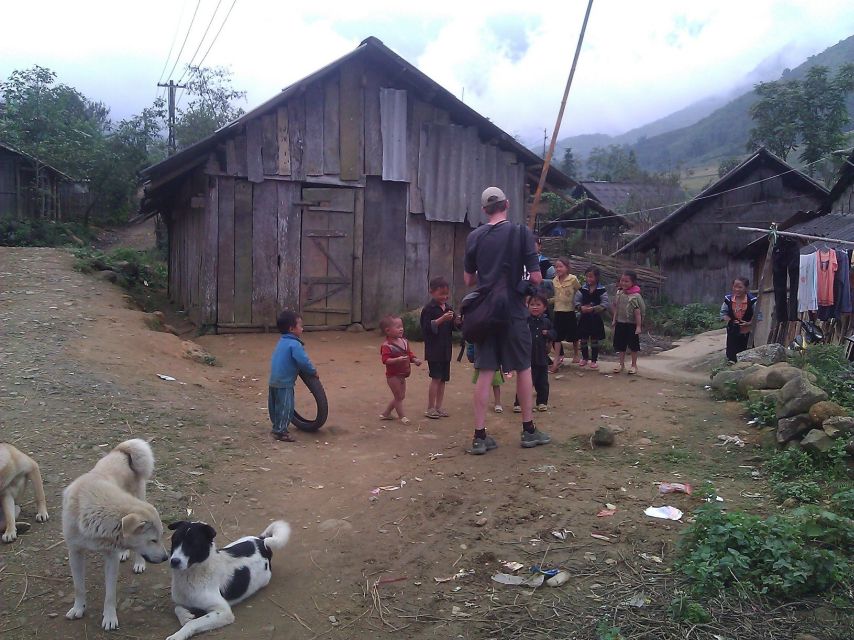
Let’s talk about the part that decides whether you’ll feel great or stressed: the terrain. The trek is around 10 km, and it can be challenging, particularly in wet weather. Multiple people mention slippery paths, muddy rice fields, and steep bits, with locals helping guide you along the trickier descents.
Even if you’re fit, you’ll want the right mindset. Reviews describe needing support on muddy sections, and that’s not a failure—it’s just how mountain trekking works here. On steeper paths and in heat, you’ll likely slow down. That’s normal, and it keeps you safe.
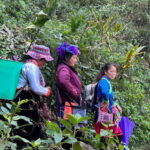
A good sign: the tour typically includes local helpers along the way, including women who assist with footing. That’s one reason the trek works well as a half-day active outing rather than an all-day endurance event.
If you fall into any of these categories, skip this particular trek:
- pregnant women
- children under 6 years old
- wheelchair users or anyone with mobility impairments
- seniors are advised not to do this 10-kilometer trek (it can be dangerous in wet weather)
Price and Value: Why This $18 Trek Can Feel Like a Steal
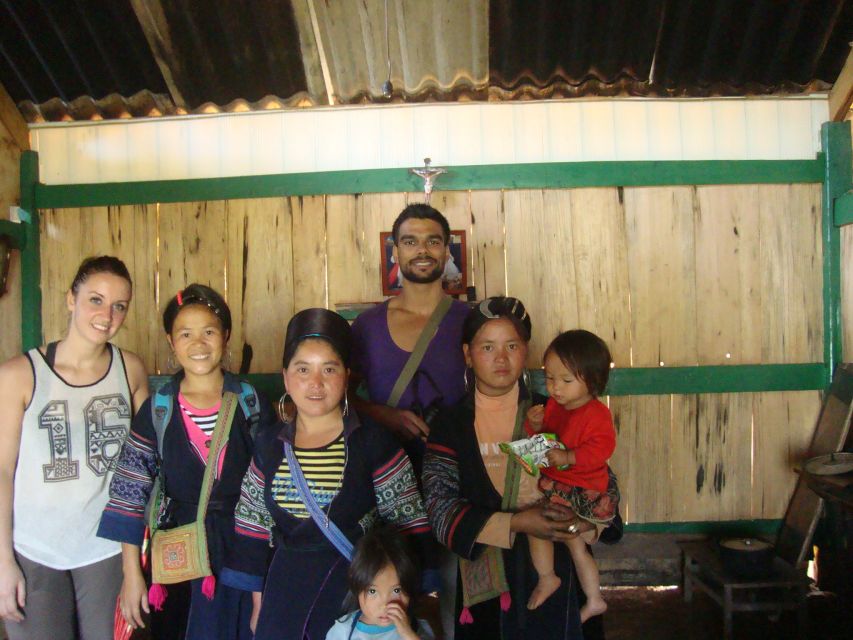
At $18 per person for 6 hours, this is one of the more budget-friendly ways to combine transport, guiding, and cultural village visits in Sa Pa. And it isn’t just “walk and go.” The day includes bus transportation, an English-speaking guide, entrance tickets to indicated sites, plus one 500 ml bottle of water.
Here’s the value math: you’re paying for (1) a guided route that gets you to multiple villages, (2) craft and cultural stops, and (3) the hassle-free return by bus to central Sa Pa. Your biggest extra cost is lunch, which is at your own expense at a local restaurant.
Two extra-charge items are worth planning for. There can be a Lunar New Year surcharge (the data lists 20 USD per person for dates in mid-February 2025), and there may be an additional fee if a French-speaking guide is requested or assigned (20 USD per person, paid directly on the trip). If you’re traveling around those dates, check details before you go so the day doesn’t feel more expensive than expected.
Overall, if you want a cultural trek without a high price tag, this one fits. Just be honest with yourself about the walking conditions.
What’s Included vs. What You’ll Pay For
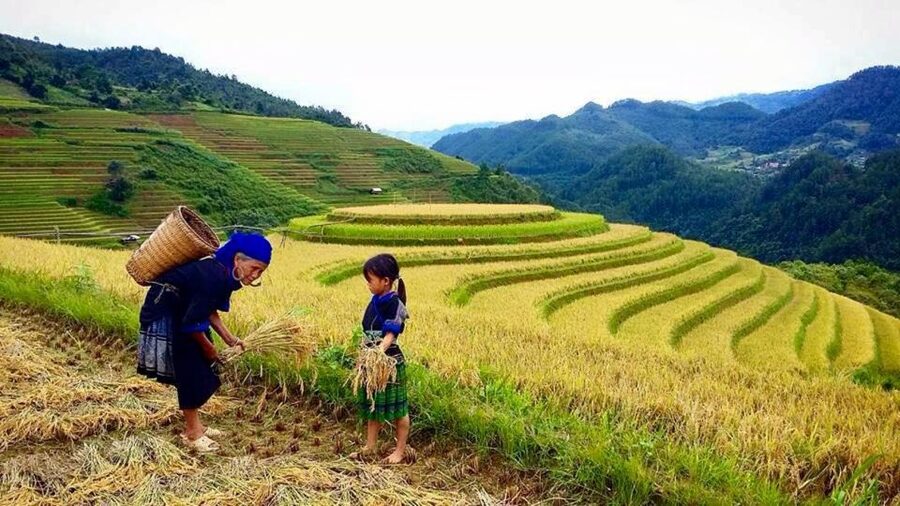
To keep expectations clear, here’s what you can count on:
- bus transportation
- English-speaking guide
- entrance tickets to indicated sites
- water: 500 ml bottle per person
Not included:
- food and soft drinks
- travel insurance
- VAT
- personal expenses
This matters because food decisions affect your comfort. Since lunch is an extra cost, I suggest you either bring a little buffer for lunch or plan to eat there without surprises. Also bring water thoughts in mind: you only get one bottle included, and the day includes walking on slopes.
Timing, Group Size, and the Return to Sa Pa
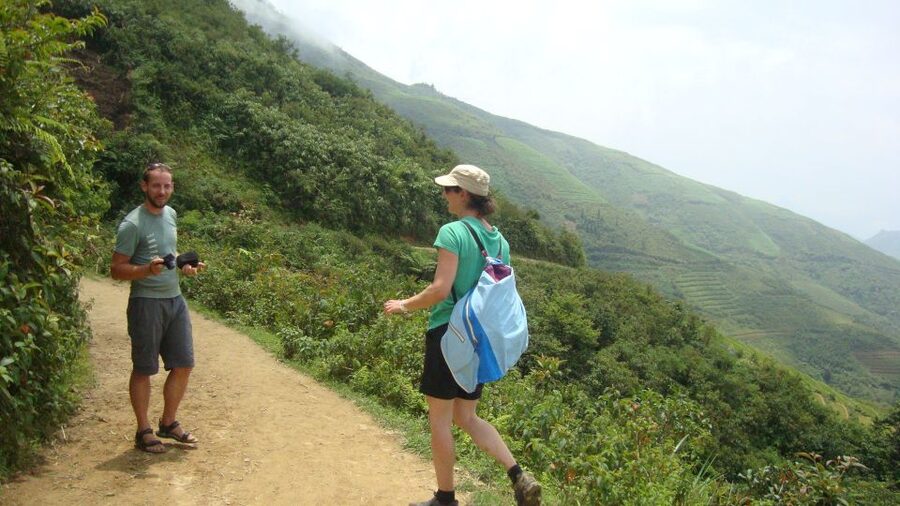
This is a 6-hour experience and a small group with a limit of 11 participants. That small size is a big deal. It makes it easier for the guide to keep track of footing, questions, and the group’s pace—especially when the terrain gets tricky.
Pickup is also straightforward but limited: you can get pickup from hotels in Sa Pa town only. If your hotel is outside that area, you’ll likely need to go to a meeting point. It’s worth confirming your hotel’s name and address so the organizer can match you to the right pickup spot.
The trek route is not a loop. You hike and then return by bus, dropped off back in central Sa Pa.
What to Pack and How to Stay Comfortable on Mountain Footpaths
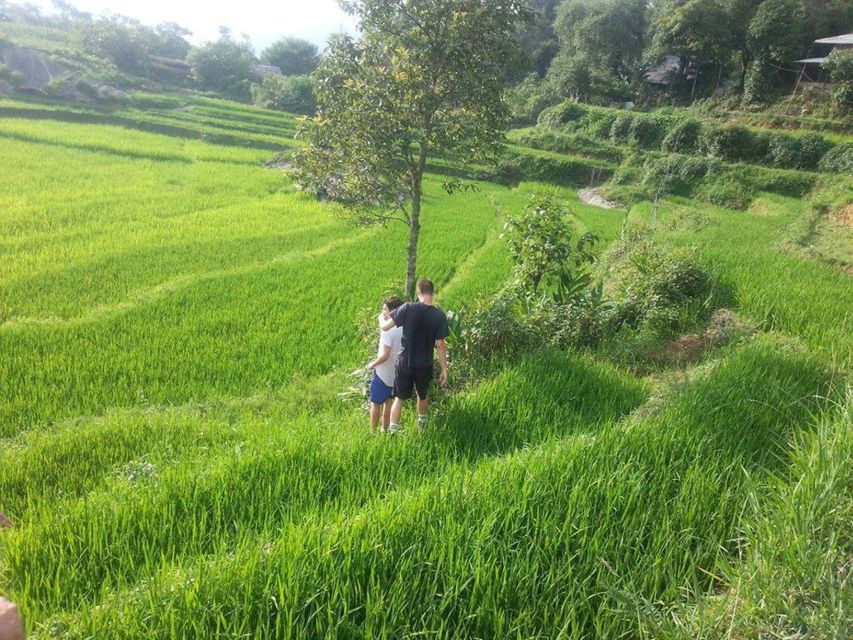
A great day here starts with the basics:
- trekking shoes with real grip
- sunglasses and sun cream
- insect repellent
- warm clothes between October and March
In wet weather, thick mud can happen. One practical tip that comes up in real experiences: have a backup plan for muddy footwear, because you can end up with seriously coated shoes. If you hate the idea of staying damp later, you might want to bring spare socks or a change of clothes in your day bag.
Also, protect your time. The trek has steep and uneven sections. If you plan to stop constantly, you’ll feel the pace squeeze. Use short photo breaks, then move on.
Finally, be smart about culture. Don’t touch children’s heads. Ask before photographing kids. And if someone offers products, you can browse without buying—polite refusal is part of respect.
Who Should Book This Trek—and Who Should Skip It
This tour is a strong match for:
- people who like a blend of rice terraces + village culture
- travelers who enjoy craft-related culture (indigo, batik, hemp weaving, and weaving traditions)
- anyone comfortable with uneven dirt paths, slopes, and muddy conditions
Skip it if:
- you have mobility limitations or use a wheelchair
- you’re pregnant
- you’re traveling with kids under 6
- you want a low-effort, flat walk
- you’re a senior who isn’t confident on a slippery 10 km trek
If you’re in your 30s to 60s and in decent shape, this can be a great “short time in Sa Pa” option. It’s active enough to feel like a real mountain day, but not so long that you lose the rest of the day.
Should You Book the 6-Hours Muong Hoa Valley Trek?
I’d book this if your goal is to see Sa Pa’s surroundings in a way that feels connected to real village life. The best part isn’t just the terraces—it’s the route that ties the terraces to Black Hmong and Dzay communities, plus the craft stops that explain how local materials turn into clothing and everyday tools.
Don’t book it if you hate mud, fear steep steps, or need fully accessible terrain. The terrain can be slippery, and the day can be physically demanding when weather turns. Also, go in knowing lunch is on your own dime.
If you arrive with good shoes, a respectful attitude, and realistic expectations about footing, this $18 trek can deliver a lot of authentic northern Vietnam in just half a day.
FAQ
How long is the Sa Pa 6-Hours Muong Hoa Valley trek?
The experience lasts about 6 hours.
What villages does the trek visit?
The route includes Y Linh Ho village (Black Hmong), Lao Chai village, and Ta Van village. You’ll also meet members of the Dzay tribe during the day.
Is lunch included in the price?
Lunch is not included. You’ll have the opportunity to eat at a local restaurant, but it’s at your own expense.
What’s included in the $18 price?
The tour includes bus transportation, an English-speaking guide, entrance tickets to indicated sites, and one 500 ml bottle of water per person.
Do I need to pay extra for holidays?
Yes. There is a Lunar New Year surcharge. For the provided dates in 2025, it lists 20 USD per person paid directly on the trip. There is also a listed surcharge for a French-speaking guide of 20 USD per person paid directly on the trip.
Is this trek a loop?
No. It is not a loop, and you’ll be transferred back to Sa Pa by bus afterward.
How big is the group?
The group is small, limited to 11 participants.
Do you offer pickup from my hotel?
Pickup is included, but only from hotels in Sa Pa town. If your hotel is outside Sa Pa town, you may need to use a meeting point.
What should I bring for the trek?
Bring trekking shoes, sunglasses, sun cream, and insect repellent. Warm clothes are recommended between October and March.
Who should avoid this trek?
It is not suitable for pregnant women, people with mobility impairments, and wheelchair users. It also is not suitable for children under 6 years old, and senior citizens are advised not to do this 10-kilometer trek, especially in wet weather. Pets are not allowed.