REVIEW · SA PA
Sa Pa: 2-Day Trekking Trip with Ethnic Minority Homestay
Book on GetYourGuide →Operated by Vietnam Nomadtrails · Bookable on GetYourGuide
Mountains, villages, and a homestay dinner.
I love how this trek strings together the big views of the Muong Hoa Valley with real time in ethnic minority communities, not just photo stops. The Dzay homestay night is especially good: warm, local food and a chance to learn daily customs from inside a family home. One drawback to plan for: if rain hits, trails can get slippery and muddy, so you need proper grip on your shoes.
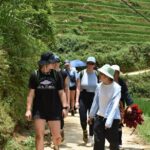
A small group helps. You’ll move at a human pace, with an English-speaking guide like Lan and Khu who explain what you’re seeing while keeping everyone together. The total hike distances stay reasonable (11 km on day 1, 8 km on day 2), but it still feels like a trek—boots matter.
Here’s the good news: you get the scenery, the village visits, and the cultural learning in just 2 days. Just be honest with yourself about physical comfort. This isn’t set up for people with mobility limits, and kids under 6 shouldn’t join.
In This Review
- Key points
- Why the Muong Hoa Valley Trek Works So Well for 2 Days
- Day 1: Sa Pa to Y Linh Ho, Lao Chai, and Ta Van
- Night in a Dzay Homestay: What You’ll Remember
- Day 2: Bamboo Forest, Giang Ta Chai, Waterfall Break, and Swim
- Price and Logistics: What This $55 Includes (and Why It’s Fair)
- Pace, Trail Conditions, and What to Pack
- Who This Trek Suits Best (and Who Should Skip It)
- Respectful Village Visits: How to Get More Out of It
- Should You Book This Sa Pa 2-Day Ethnic Trek?
- FAQ
- How long is the trekking trip?
- Where does pickup happen?
- What’s the group size?
- What’s included in the price?
- What are the hiking distances for each day?
- Which ethnic groups will you visit?
- Is the homestay provided in a Dzay village?
- Are there extra charges during Lunar New Year?
- Can I cancel for a refund?
Key points
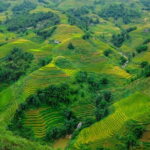
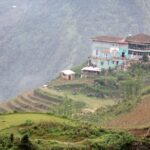
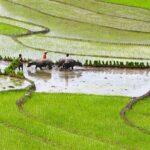
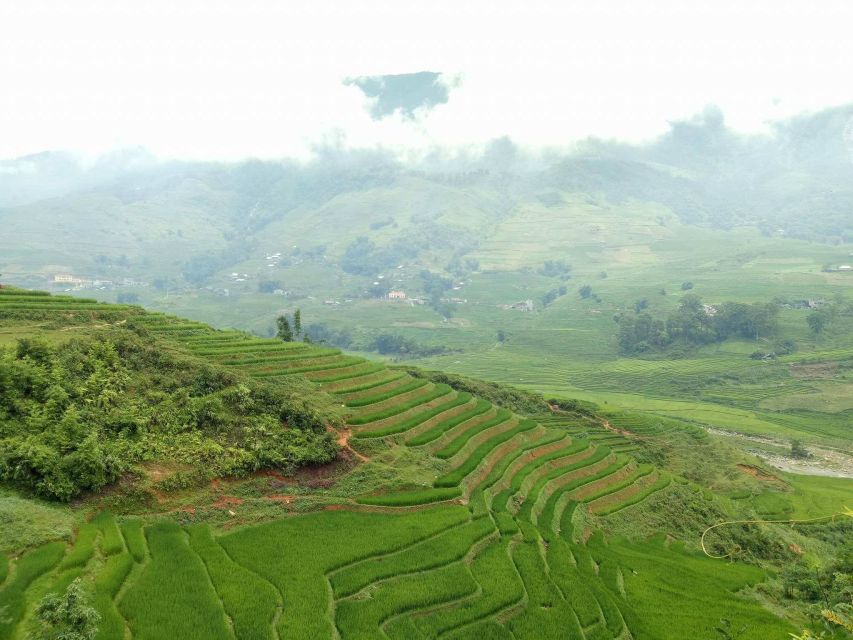
- Muong Hoa Valley rice terraces and mountain views along a classic route from Sa Pa into the villages
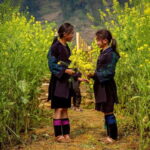
- Black H’mong and H’mong village visits including Y Linh Ho, plus a look inside a traditional wooden house
- Dzay homestay night with a hosted village dinner and a chance to experience daily rhythms firsthand
- Day 2 bamboo forest walk plus a planned break at a waterfall and a swim in the Muong Hoa River
- Small group (max 14) so the guide can actually manage questions and pace
- Good value bundle: guide, homestay, meals, entrance tickets, and return bus transfer are included
Why the Muong Hoa Valley Trek Works So Well for 2 Days
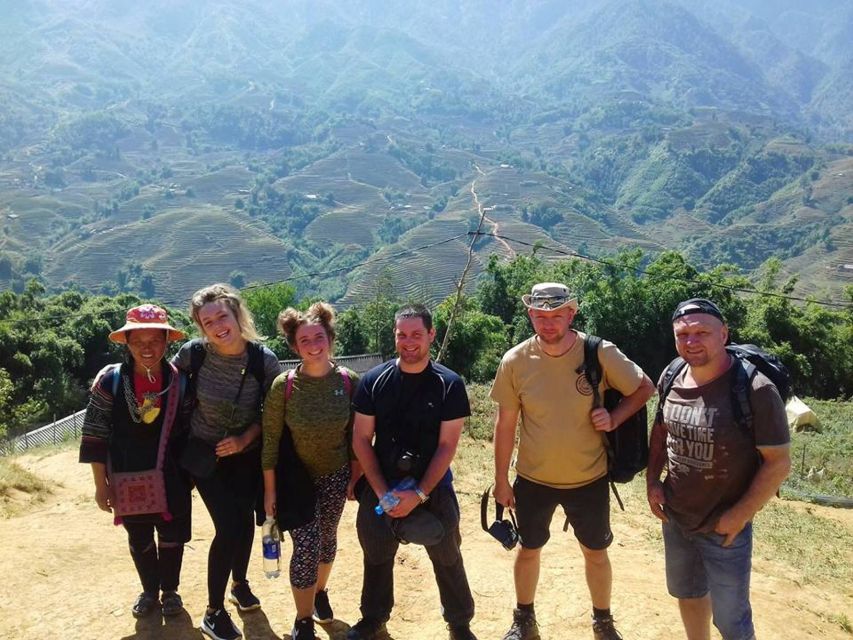
This is the kind of Sa Pa experience that makes sense on a short schedule. You’re not trying to cover everything in Vietnam—you’re focused on one area: the Muong Hoa Valley. The result is a route that feels full without feeling chaotic.
What makes it work is the mix of things you actually want as a traveler: scenery, village encounters, and an overnight that isn’t a generic hotel stop. One day centers on the ridges and terraces toward villages like Y Linh Ho and Lao Chai; the second day shifts into softer, greener trail moments like the bamboo forest. You can keep your expectations realistic: it’s a hike through working communities, not a theme park.
Also, the small group size matters. With a limit of 14, your guide can check in on foot placement, answer questions in English, and help people keep moving when the trail gets wet. You’ll still share the trail with locals, though—and that’s part of the point.
You can also read our reviews of more tours and experiences in Sa Pa.


Day 1: Sa Pa to Y Linh Ho, Lao Chai, and Ta Van
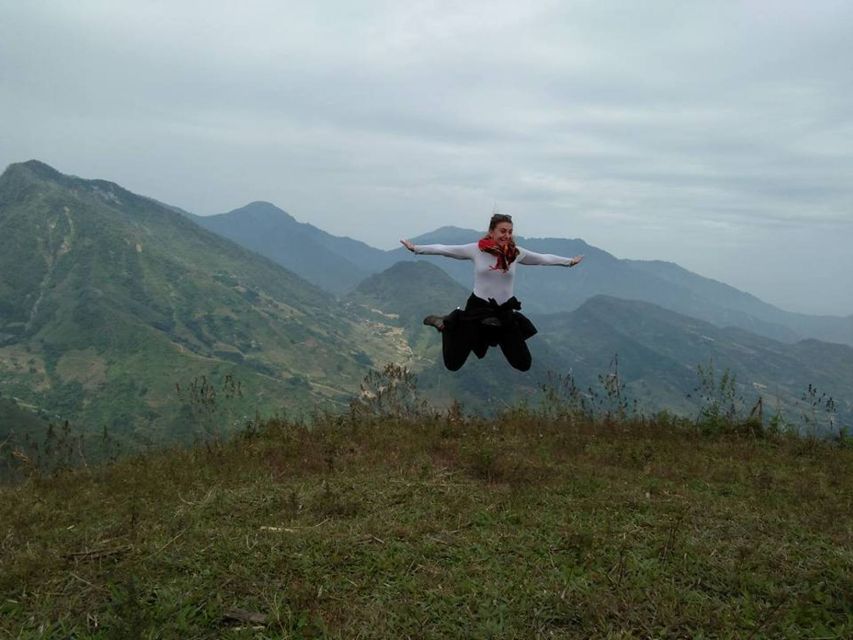
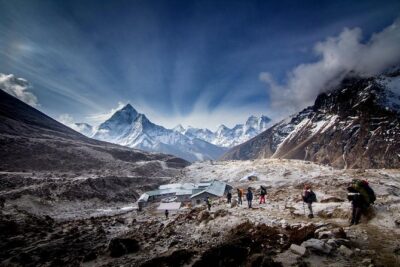
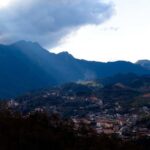
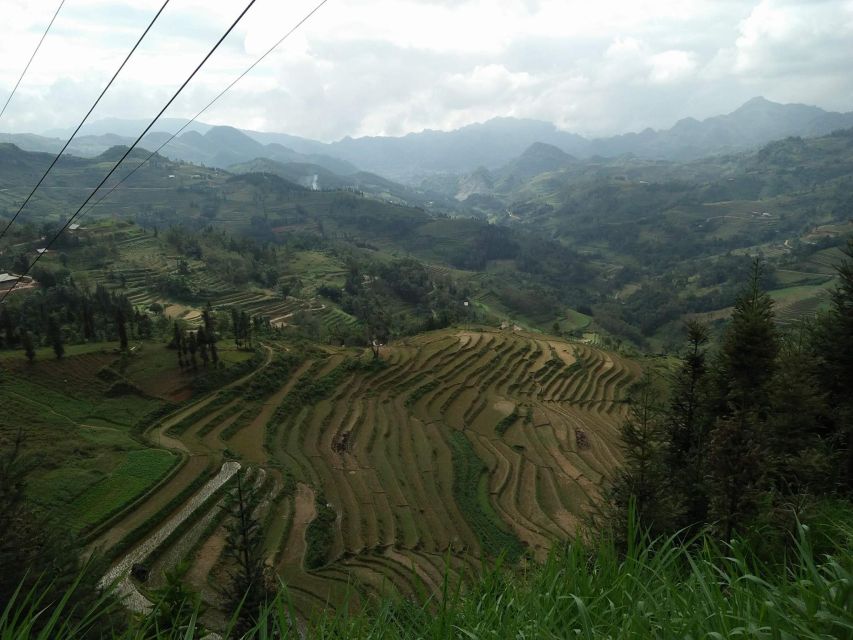
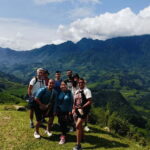
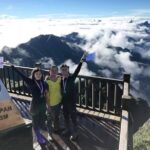
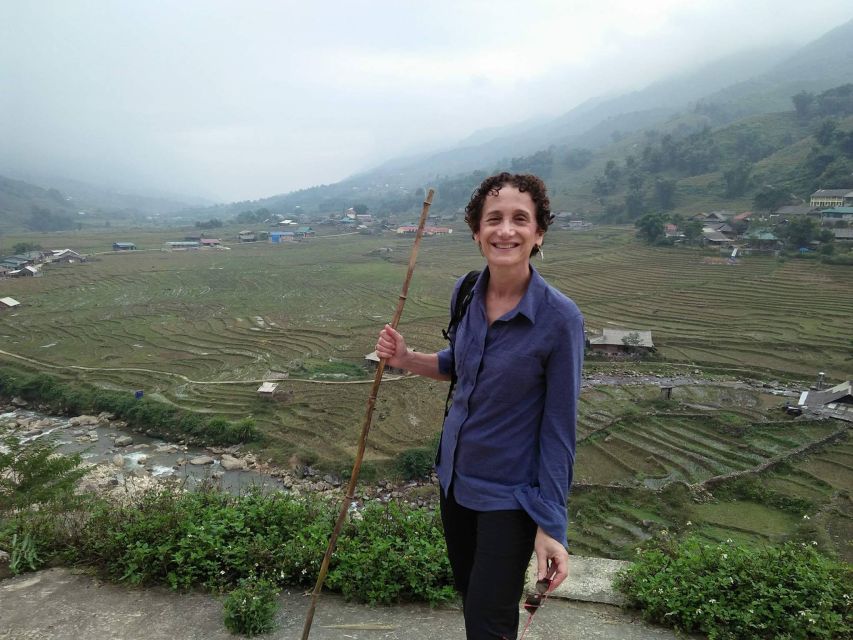
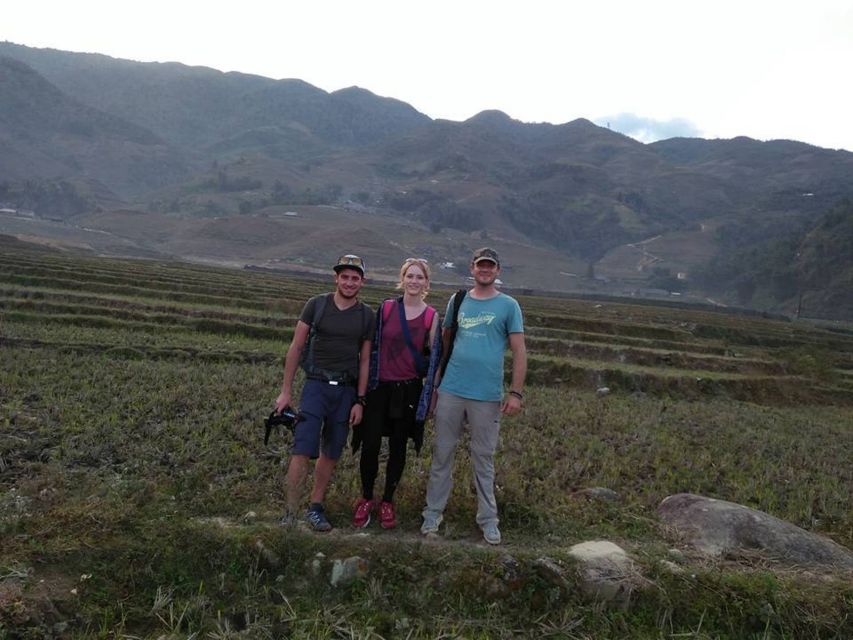
Day 1 starts with pickup from hotels in Sa Pa town center, then you transition into the trek route through the valley. The first big “wow” moment is the view line: you get mountain scenery that frames the rice paddies, and on clear stretches you can look toward Fansipan in the distance.
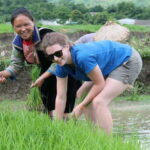
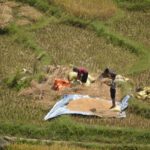
The walk itself is about 11 km and includes multiple village segments. You’ll meet the Black H’mong in the village of Y Linh Ho, and you’ll also pass settlements like Lao Chai as you head toward Ta Van. One of the most practical culture moments is a chance to step inside a typical wooden house. It’s not a lecture hall visit. It’s real domestic space, so you get a better sense of how homes are built and lived in.
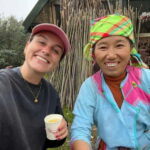
As you move through different settlements, your guide helps connect the dots: who lives where, what you’re seeing in clothing and daily routines, and why these villages look the way they do on the slope. That context is what turns a “walk through the countryside” into something more meaningful.
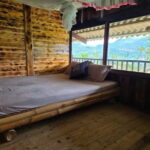
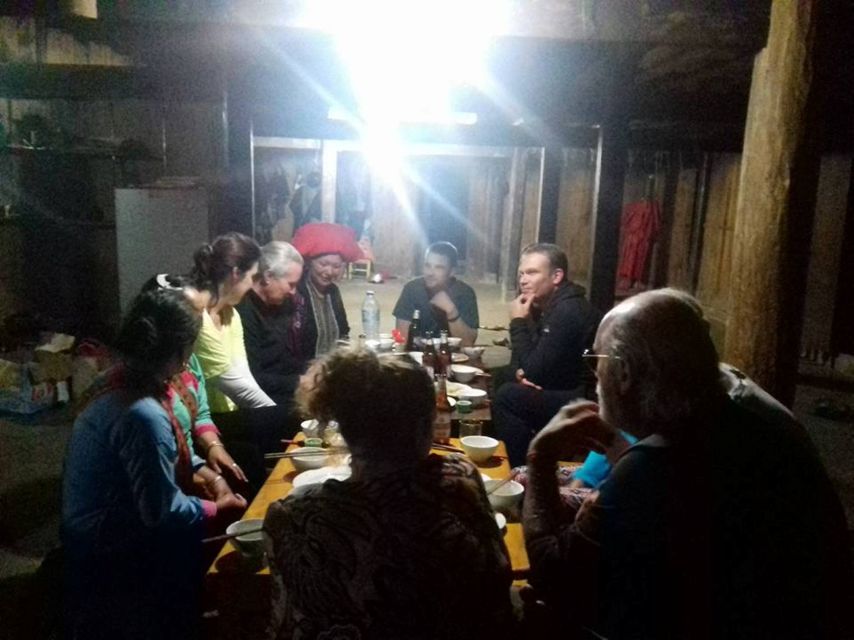
By afternoon, you reach Ta Van and check into a homestay with the Dzay ethnic minority community for the night. Think simple comfort, not luxury: you’re there to sleep close to local life and share the hosted dinner as part of the experience.
Night in a Dzay Homestay: What You’ll Remember
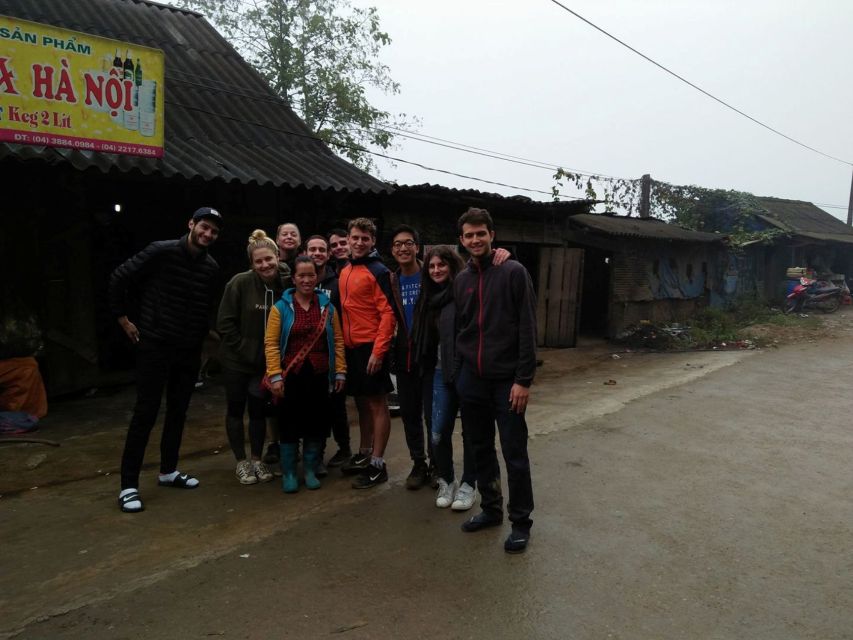
The overnight is the heart of this tour. A homestay isn’t just a bed—it’s meals, conversation, and learning that happens because you’re in the room when the day winds down.
Dinner is hosted in the village, and it’s one of those moments that sticks with you because it’s not staged. You’ll also get breakfast at the homestay the next morning. In practice, that means your food schedule is handled for you: you’re not scrambling for meals during a hike day.
A few small details can make or break the night. In good homestays, you’ll get warm blankets and a cozy setup for evening. Some houses may also have conveniences like internet or outlets—but don’t count on it every time. The real value is the chance to ask questions about customs and daily routines.
If you’re sensitive about bedding hygiene, take it seriously. One past guest reported bedbugs in some beds. That doesn’t mean every homestay has the same issue, but it does mean you should check the bedding when you arrive and consider bringing a light sleep layer or sleeping sheet.
Day 2: Bamboo Forest, Giang Ta Chai, Waterfall Break, and Swim
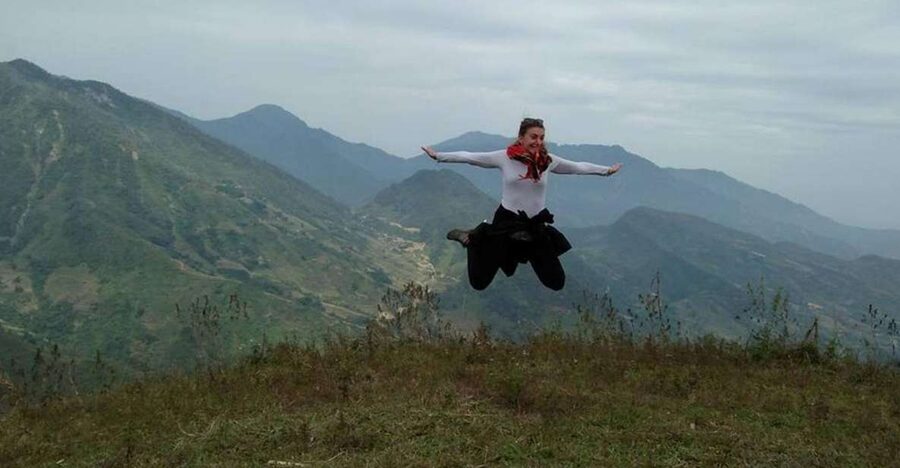
Day 2 begins after breakfast at the homestay. Then you set out on an 8 km trek along a dirt trail—lighter in distance than day 1, but it still has some real mountain character.
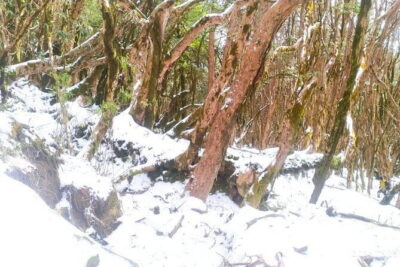
Early on, you pass a small village of the H’mong people. Then the day turns into one of those “slow down and notice” segments: you reach a bamboo forest. It’s a different kind of scenery than the rice terrace views—more shade, more quiet, and a cooler feeling underfoot.
Soon after, there’s time for a break at a waterfall. This is where the tour turns practical and fun. You get a chance to cool off, and the plan includes a swim in the Muong Hoa River. If you’re the type who always wants a “one unforgettable moment,” this is usually it.
Lunch comes after the hike segment at a local restaurant. Then you finish with a drive back to Sa Pa.
Price and Logistics: What This $55 Includes (and Why It’s Fair)
At $55 per person, this trek prices out as a solid value because a lot of the costs are already wrapped into the package. You’re not just paying for hiking. You’re paying for an English-speaking guide, entrance tickets where required, two lunches, and a hosted dinner plus homestay accommodation.
You also get mineral water during the experience and a return transfer by bus. On top of that, the pickup is included from hotels in Sa Pa town center.
Here’s how to think about value: this price covers the “hard parts” you’d otherwise have to coordinate yourself—transport timing, getting from village to village, guide interpretation, and the overnight lodging arrangement. The only extra items you’ll likely spend on are drinks and any seasonal surcharge.
One important note: during Lunar New Year (Jan 26 to Feb 2, 2025), there’s a $30 per person surcharge, paid at the meeting point. If your dates fall in that window, factor it into your budget before you book.


Pace, Trail Conditions, and What to Pack
This trek is described as not too long, and the route is usually manageable for a healthy person. But it’s still a mountain hike through real terrain. The tour isn’t for people with back problems or mobility impairments, and it’s not designed for young children under 6 or for pregnant travelers.
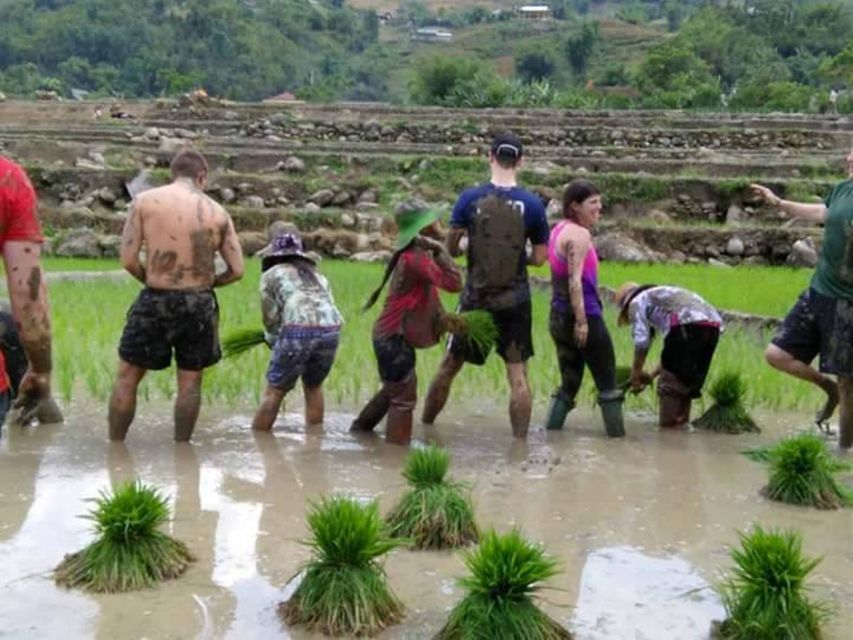
The big weather reality is mud. If it rains, you can expect slippery sections. The good part: the guide and local helpers are used to this. In past trips, locals have supported hikers on the trickiest segments, helping people get down safely without turning the trek into a panic event.
What you should pack is simple and specific:
- Trekking shoes with grip (not flimsy sneakers)
- Warm clothing, especially from October to March
- Sunglasses plus sunscreen
- Insect repellent
- Comfortable shoes you can stand in for hours
Also bring a mindset for uneven ground. Even when the distances look short on paper, you’re climbing and descending along village paths.
Who This Trek Suits Best (and Who Should Skip It)
You’ll enjoy this most if you want a close-up experience of life around Sa Pa. It’s a good fit for hikers who like cultural context as much as views—especially if you enjoy village walking routes and talking with your guide as you go.
Small group hiking also helps if you prefer not to get lost in a crowd. With a max of 14, the guide can pace the group and help people adjust when conditions change.
This is not the right match if:
- You need wheelchair access or have mobility limitations
- You have significant back problems
- You’re pregnant
- You’re traveling with children under 6
If you’re unsure, be honest. “Not too difficult” still means stairs, slopes, and uneven steps. Your comfort on day 1 matters because day 2 continues the same valley rhythm.
Respectful Village Visits: How to Get More Out of It
Because this is built around ethnic minority communities, your behavior affects your experience. The tour encourages respect for local culture, and you’ll feel it in how your guide handles introductions and conversations.
A practical way to think about it: you’re a visitor in someone’s home and work area. Be polite, ask before taking close photos, and follow your guide’s cues. When you’re invited into family space or offered local items, keep it friendly even if you don’t buy.
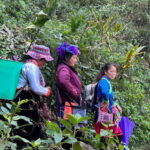
There’s also a reality about social sales. On some treks, local women may encourage purchases of handmade items. If you find that awkward, you can keep your response calm and clear. Just don’t make it confrontational—this is a major income stream for many households.
Should You Book This Sa Pa 2-Day Ethnic Trek?
I’d book it if you want the best version of a short Sa Pa trip: a guided Muong Hoa Valley hike, real village time, and a homestay night that isn’t just a bed-and-breakfast. The combination of guide explanations in English, the day 2 bamboo forest plus waterfall swim, and the full-meal setup makes it a strong value for the money.
I’d skip it—or choose a more accessible alternative—if you know muddy trails wreck your mood or if you fall into the groups that the trek isn’t designed for (mobility issues, back problems, pregnancy, or kids under 6). And if you’re very particular about bedding, do a quick bedding check on arrival.
If you’re a flexible traveler who packs the right shoes and shows respect, this trek is one of the most direct ways to feel the valley beyond the viewpoint circuit.
FAQ
How long is the trekking trip?
It’s a 2-day trip with guided walking through the Muong Hoa Valley.
Where does pickup happen?
Pickup is available at hotels in Sa Pa’s town center.
What’s the group size?
This is a small group limited to 14 participants.
What’s included in the price?
The price includes an English-speaking guide, entrance tickets to indicated sites, two lunches at local restaurants, a hosted dinner in the village, breakfast at the homestay, homestay accommodation in a Dzay ethnic minority village, mineral water, and return transfer by bus.
What are the hiking distances for each day?
Day 1 is about 11 km, and Day 2 is about 8 km.
Which ethnic groups will you visit?
You’ll visit villages associated with Black H’mong, H’mong, and a Dzay homestay.
Is the homestay provided in a Dzay village?
Yes, you’ll stay overnight in a Dzay ethnic minority homestay.
Are there extra charges during Lunar New Year?
Yes. There is a $30 per person surcharge during Lunar New Year dates from January 26 to February 2, 2025, paid at the meeting point.
Can I cancel for a refund?
You can cancel up to 24 hours in advance for a full refund.