REVIEW · KABALE
1 Day Gorilla Trekking Mgahinga Gorilla NP & Lake Bunyonyi
Book on Viator →Operated by Safari 2 Gorilla Tours · Bookable on Viator
Gorillas in the mist start at sunrise. A 1-day gorilla trek in either Bwindi Impenetrable National Park or Mgahinga Gorilla National Park is all about getting close to a family of mountain gorillas in the real wild setting, guided by a senior ranger from Uganda’s wildlife agency. I also love the structure: a clear ranger briefing before you hike, then one focused hour watching gorillas as they move, feed, and settle.
The main thing to consider is that it’s an early start and lunch plus a porter are not included, so you’ll want to plan your day like a trek, not a casual stroll.
This tour is built for people with moderate physical fitness (you’ll be walking in jungle terrain), and it runs in a small capped group (up to 20). You start at 5:00 am, you’ll return after the gorilla hour, and you’re back on the road again—quick, intense, and worth it if you want a bucket-list day.
In This Review
- Key things I think you’ll care about most
- Why Kabale’s 1-day gorilla trek is such a smart idea
- The 5:00 am start: breakfast rhythm and the drive toward the rangers
- The senior ranger briefing: the part that keeps the day smooth
- Bwindi or Mgahinga: what you’re really choosing
- Hiking in the jungle: moderate fitness, real walking, and the “go slow” rule
- The one-hour gorilla encounter: your best photo, your best lesson
- After the gorillas: returning to the station and heading back to base
- Price and logistics: what you’re paying for, and what you still need to cover
- What to pack when no porter is included
- Who this trip suits best (and who should rethink it)
- Team feel: clear coordination and professional handling
- Final call: should you book this 1-day gorilla trek?
Key things I think you’ll care about most
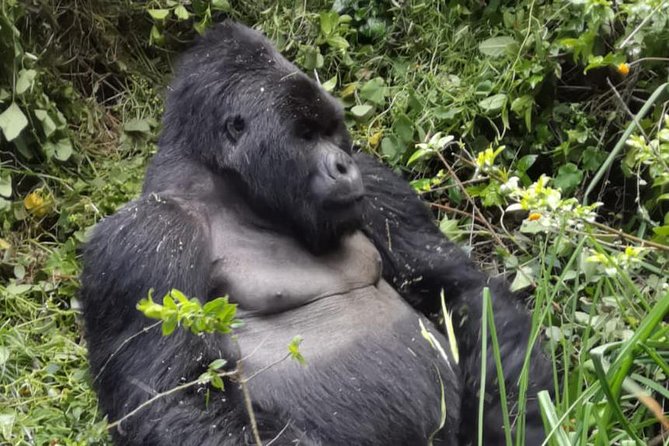
- Ranger-led safety briefing before you enter the gorilla habitat
- One hour with gorillas once your trek finds them
- Bwindi or Mgahinga depending on where the trek is run that day
- Early start at 5:00 am with an active walk as the centerpiece
- Private transportation for a direct, time-efficient day
- Permit included, but no lunch or porter, so pack and pace accordingly
Why Kabale’s 1-day gorilla trek is such a smart idea
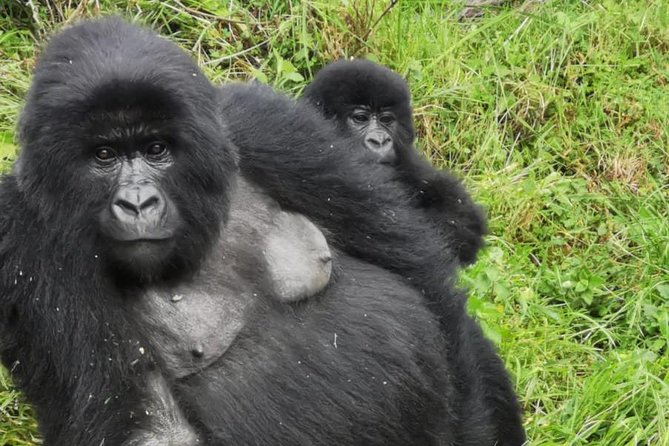
If you’re based around Kabale and you don’t want to turn your trip into a week-long production, this 1-day gorilla trekking format is practical. Gorilla permits are hard to win and the logistics around them matter, so having a focused plan—pickup, a ranger briefing, a trek, then a return drive—keeps the day from feeling chaotic.
This is also one of those “do it while you’re here” experiences. Uganda’s gorilla country isn’t just about seeing animals from far away; you’re walking into their world, following rules set for their safety as much as yours. That’s why I like the emphasis on a senior ranger guide—it signals that the experience is run through the official process, not just a casual hike with a local helper.
One more reason it works: you’re not spending the whole day traveling in circles. The schedule is designed around the time you need at the ranger station and then the walk into the forest.
The 5:00 am start: breakfast rhythm and the drive toward the rangers
The day kicks off early—5:00 am—and the plan starts with an early breakfast at your hotel near Lake Bunyonyi. That matters. Gorilla trekking days are not slow mornings. You’ll be moving soon after you eat, and a proper breakfast is one of the simplest ways to stay steady through the trek.
From there, a driver guide meets you and you head toward the ranger station area connected to your gorilla tracking park run. The drive time in the schedule is around two hours before arriving at the rangers’ station, which gives you enough time to wake up fully and get organized before the briefing.
A quick note on expectations: you’re up early, you’re walking during daylight, and your whole day is arranged around the timing of your gorilla search. If you’re the type who likes a long breakfast and relaxed timing, adjust your mindset. This is a mission day.
The senior ranger briefing: the part that keeps the day smooth
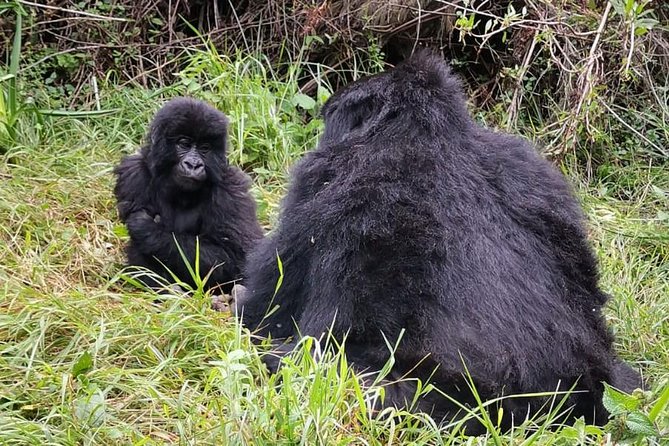
Before anyone goes chasing gorilla sightings, you get a gorilla trekking briefing from a senior ranger guide. This is not just ceremony. It sets the pace and the boundaries that make this experience both safe and ethical.
From what’s described in the program, the ranger briefing is the gatekeeper step: you meet at the ranger station, the senior ranger explains what to do and how to behave once you find gorillas, and then the hiking begins. In gorilla country, the forest is dense and the animals are unpredictable. A briefing helps you understand what your role is in the moment—move carefully, follow instructions, and keep the focus on respecting the gorillas’ space.
I also like that the program explicitly separates responsibilities: your driver takes you to the station area, and then the senior ranger from the Ugandan wildlife agency takes over. That “hand-off” is important because it reduces confusion. You know who’s leading the trek decisions when you’re actually in the forest.
Bwindi or Mgahinga: what you’re really choosing
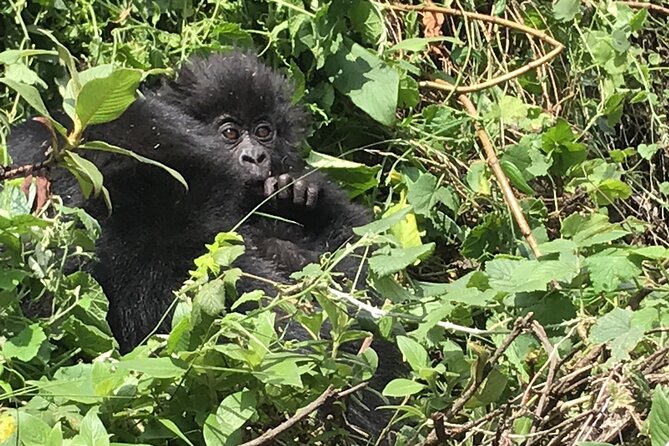
This tour is set up for gorilla trekking in either Bwindi Impenetrable National Park or Mgahinga Gorilla National Park. Which one you go to depends on how the day is run, but the core experience stays consistent: you hike from the ranger station area into the jungle in search of gorillas, then you spend time with the gorilla family once you find them.
So what’s the practical difference for you?
- Your route and terrain feel different, because each park has its own jungle character and trail conditions.
- Your day still follows the same rhythm: briefing, search hike, gorilla hour, then return to the ranger station and the drive back.
Since your schedule is limited to one day, the best strategy is to focus on the shared outcome: you’re there for the gorilla encounter, and the ranger process is designed to keep that outcome realistic.
Hiking in the jungle: moderate fitness, real walking, and the “go slow” rule
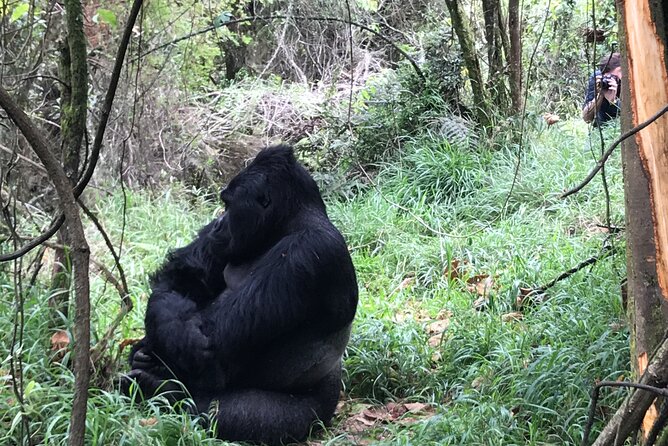
The trek is described as moderate physical fitness. That’s a helpful phrase because it doesn’t pretend the walk is effortless. You’ll be hiking into the jungles, and the forest isn’t flat and friendly. Expect uneven ground, dense vegetation, and the need to walk carefully for safety and for staying quiet enough for gorilla tracking.
What makes this part special is that it’s not just exercise. You’re also learning the rhythm of the habitat: where the trails funnel you, how the guides listen and react as the hunt progresses, and how the forest changes as you get closer to the gorillas.
Also, this isn’t a “spend all day walking” plan. The day is time-managed around the briefing and the gorilla encounter. In other words, your walking time has a purpose and a finish line.
The one-hour gorilla encounter: your best photo, your best lesson
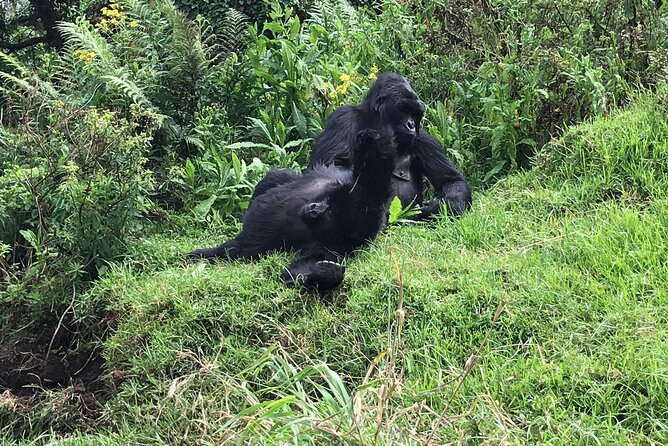
Once the trek finds the gorillas, you stay with them for one hour. That hour is the heart of the entire day.
Here’s what I like about the way this is structured: it gives you enough time to settle into the moment. Mountain gorillas don’t behave like zoo animals, and they don’t follow your schedule. During that hour, you’re watching real behavior—movement, feeding, rest, and social interactions within the family group. When you’re lucky, you’ll notice how the group acts like a unit, not a single animal posing for you.
You also get the chance for photography, and the program notes that these are typically photo opportunities usually reserved for nature photographers. That’s a fair expectation: you’ll be close enough to capture the feeling of scale and presence, not just distant silhouettes. The key is still to follow ranger instructions; keeping your distance and your movement controlled is what lets the hour stay calm.
A detail worth remembering: your trek time ends at the ranger station after that hour. So when you’re in the forest, use the hour intentionally—look first, take photos second, and keep your attention on the group.
After the gorillas: returning to the station and heading back to base
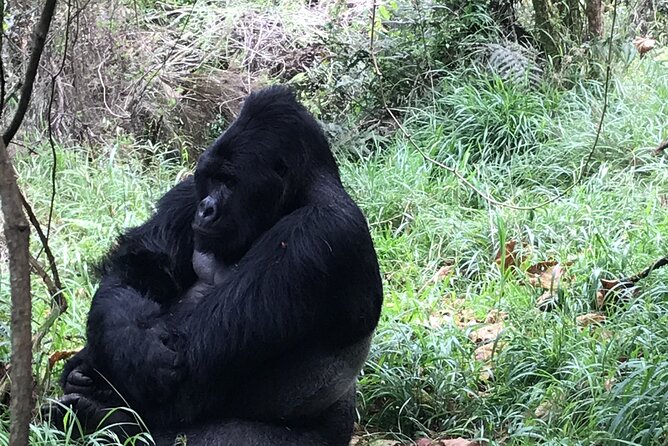
Once the one-hour encounter is over, you return to the rangers’ station, marking the end of your gorilla trekking adventure. Then you drive back to your starting point.
This return phase is often when people feel both excited and tired. Excited because you just had a once-in-a-lifetime wildlife experience, and tired because the day started at 5:00 am and your legs have done the work.
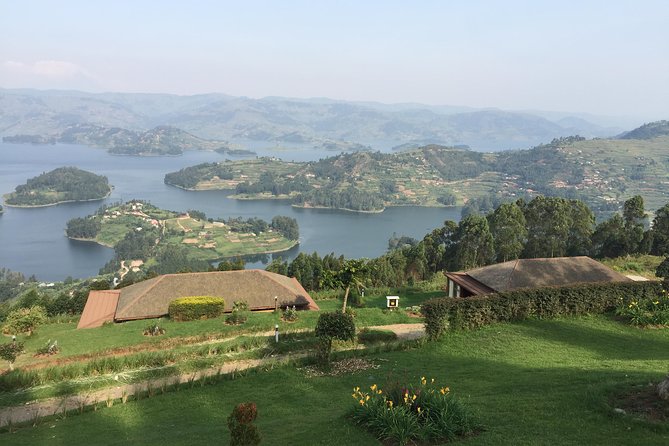
If you’re staying near Lake Bunyonyi, it’s worth knowing that some people ask for a stop at the lake as part of the day. One account mentions adding a small extra payment (listed as 5万 shillings) to include that kind of stop. So if Lake Bunyonyi sunsets are your thing, ask early and confirm it with your driver.
Price and logistics: what you’re paying for, and what you still need to cover
The price is $1,400 per person, and the program includes private transportation and a gorilla trekking permit. That combination is where much of the value comes from. The permit is the big cost driver for gorilla trekking, and the private transport saves you time and hassle for a one-day schedule.
What’s not included is also important. Lunch is not included, and you shouldn’t plan on having a porter during the trekking.
So the value equation looks like this:
- Included: the gorilla permit + getting you to the right place with private transport
- Not included: your midday food + any extra help carrying gear
For a one-day gorilla trek, the practical impact is you’ll want to pack a trek-friendly day setup—especially since there’s no porter included. Even if you carry lightly, you don’t want to find yourself short on snacks or water once the day starts moving fast.
One more logistics note: this experience is non-refundable and cannot be changed for any reason. That’s the kind of detail you should treat seriously. Make sure your travel plans are firm before you commit. If the minimum number of travelers isn’t met, the operator will offer a different date or a full refund.
What to pack when no porter is included
Because there’s no porter during the trekking, your packing matters more than on many safari days. You’ll carry what you need for the search hike and the one-hour gorilla encounter.
Here’s a sensible packing approach based on what the day demands:
- A small daypack (light but sturdy)
- Water and quick snacks for the walk-to-briefing rhythm and the post-encounter return
- Rain protection (forest days can get damp)
- Layers (early mornings can feel cooler than you expect)
- Comfortable trekking shoes with good grip
- Camera gear you can access fast (but still keep quiet and controlled)
If you’re tempted to bring too much, don’t. In the jungle, extra weight turns into slower pace. Your goal is to move comfortably and safely so the gorilla hour stays enjoyable rather than stressful.
Who this trip suits best (and who should rethink it)
This experience is best for people who want gorilla trekking in one day and understand that it’s active. It’s suitable if you have moderate physical fitness, because you’ll be hiking into the jungles before your encounter.
It also has an age guideline: you should be 15 years old and above.
You may want to reconsider if:
- you’re not comfortable with early starts and sustained walking on rough ground
- you rely on having a porter to carry essentials
- you want a long, relaxed pace with lots of downtime built in
But if you’re motivated by the chance to see a silverback face-to-face in the wild—guided by rangers and focused on the official process—this format fits the bill well.
Team feel: clear coordination and professional handling
One of the things that comes through in descriptions of how this company runs the day is communication and professionalism. If your main point of contact happens to be Aron, people have highlighted fast responses and a kind, attentive approach.
And once you’re in motion, your driver and ranger matter. Some accounts mention drivers like Martin and senior ranger support like Francois—names that pop up alongside comments about the experience being organized end-to-end. The bigger takeaway for you isn’t the names themselves; it’s the idea that you should expect the hand-off from transport to ranger briefing to be handled smoothly.
For a one-day gorilla trek, smooth coordination isn’t a luxury. It protects your time, reduces stress, and helps you stay focused on the forest.
Final call: should you book this 1-day gorilla trek?
I’d book it if you:
- want a single-day gorilla trekking plan from the Kabale/Lake Bunyonyi area
- are willing to start early and do a moderate trek
- care most about the one-hour gorilla encounter led by a senior ranger
- can handle lunch being on you and the fact that there’s no porter
I would pause before booking if you need flexible rescheduling, or if carrying your essentials without a porter would be a deal-breaker. Also, because the rules are non-refundable and changes aren’t allowed, double-check your dates.
If your goal is simple—meet mountain gorillas in their habitat, follow ranger guidance, and make it happen in one day—this is a strong, well-structured choice.