REVIEW · POKHARA
3-Day Poon Hill Trek from Pokhara.
Book on Viator →Operated by Eco Holidays Nepal · Bookable on Viator
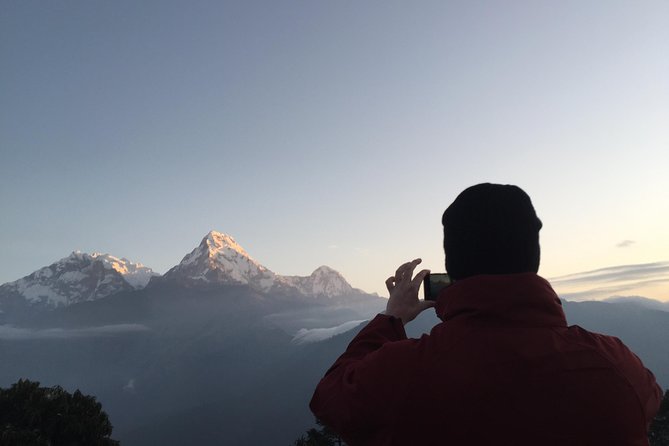
Sunrise at Poon Hill is the payoff. I love the Poon Hill sunrise and the easy rhythm of teahouse meals wrapped into just three days starting from Pokhara; guides like BK and Shiva can keep the whole thing organized and calm. One thing to consider: this is weather-dependent, so clouds can soften the views, and power and WiFi are not part of the package.
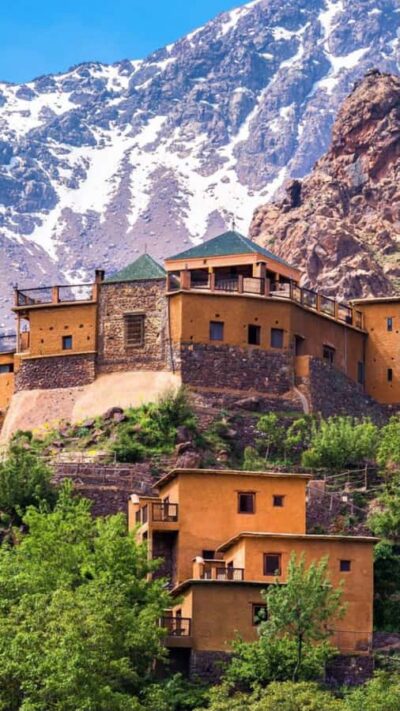
The setting is classic Annapurna foothills—rhododendron forests, mountain villages, and rice fields—without the kind of altitude grind that makes shorter treks feel like a stunt. If you want a proper Himalayan experience but don’t have a week, this private format lets you match the pace to your group and hiking comfort.
You also get practical trail support. The trip includes a sleeping bag plus a duffel bag, along with a first aid kit and meals, so you’re not stuck assembling gear. The only real gap is that a porter isn’t included, so plan how you’ll carry your own daypack.
In This Review
- Key things that make this trek work fast
- Why Poon Hill is a smart, short Himalayan goal
- Getting to the trail: private transport and Pokhara’s role
- Three days of rhododendron trails and teahouse nights
- The Poon Hill sunrise: how to make the most of it
- Teahouse life, meals, and what’s actually included
- Guides and porters: the people who make it feel smooth
- Price and value: what you’re paying for at $410
- Weather, altitude, and fitness reality check
- Should you book this 3-day Poon Hill trek from Pokhara?
- FAQ
- What’s the duration of the Poon Hill trek?
- Is pickup and transportation included?
- What’s included in the trek package?
- Do I need to bring a sleeping bag?
- Is a porter included?
- What happens if the trek is affected by poor weather?
Key things that make this trek work fast
- Private, customizable trek: you’re not squeezed into someone else’s tempo
- Teahouse comfort included: twin-share lodging and meals take decision fatigue off your plate
- Guides you can trust in the details: people highlight guides like Bikram, Sudip Shrestha, Sagar, BK, and Shiva
- Short but real hiking: rhododendron forests, villages, and rice fields in a tight timeline
- Gear included for sleeping: sleeping bag and duffel bag reduce what you must pack
- Good-weather setup: the experience expects clear conditions around sunrise
Why Poon Hill is a smart, short Himalayan goal
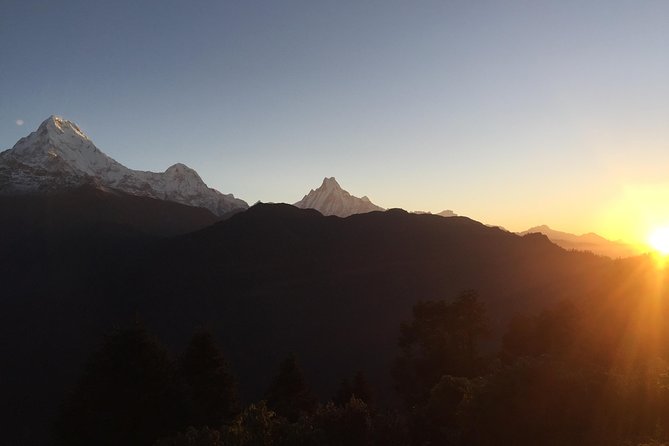
Poon Hill is famous for one reason: you climb for that pre-dawn window, then you’re rewarded when the light hits the Annapurna region. This trek is interesting because it keeps that payoff close to Pokhara. In three days, you get walking time, cultural moments in mountain villages, and the iconic sunrise viewpoint—without needing a full-on long trek commitment.
I also like that the difficulty is described as moderate and aimed at hikers who have some experience. That matters. You’re not being sold as a walk-in-the-park; you’re being invited into a real trek with teahouse life, but without the extreme altitude push. The result is a trip that feels doable for many people who can hike consistently for a few days.
One more plus: the operator can tailor the trek to your needs. With a private format, you can keep stops practical—more breaks if you’re stiff, fewer if you’re cruising. For a short trek, tempo decisions make a big difference.
You can also read our reviews of more tours and experiences in Pokhara.
Getting to the trail: private transport and Pokhara’s role
This trek starts from Pokhara, and you’re offered pickup along with private transportation. That’s not a small detail in Nepal, where travel can be as tiring as the walking. When your first day begins smoothly, you’re more likely to enjoy the hike rather than start it already worn out.
You’ll also have a mobile ticket, which is handy if you’re traveling with phones and not paper. Service animals are allowed, and the listing notes it’s near public transportation—useful if you’re not going to have a private driver for every single leg beyond what’s included.
Pokhara is the right base for this plan. You’re close enough to get to the trail without turning the first day into a travel marathon. That makes the trek feel like a focused experience instead of a series of transfers.
Three days of rhododendron trails and teahouse nights
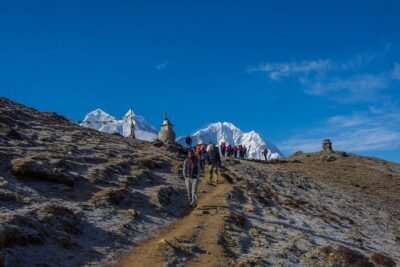
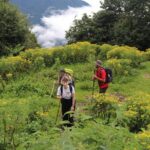
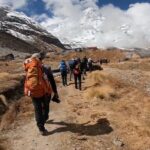
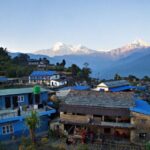
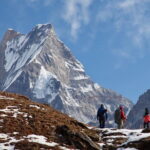
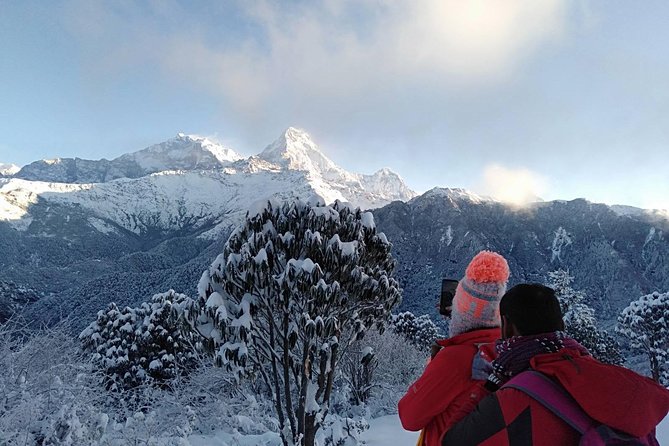
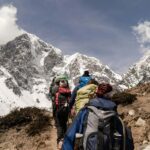
You’re walking through a mix of environments: rhododendron forests, mountain villages, and rice fields. That blend is what makes a short trek feel full. You’re not stuck in one kind of scenery the whole time. Even when you’re tired, the path keeps changing.
Here’s the practical flow you should expect over the three days:
- Day 1: You’ll start the hike from the Pokhara side, working your way along trails through forested and village sections. You’ll end at a tea house for the night, with breakfast/lunch/dinner provided through the package.
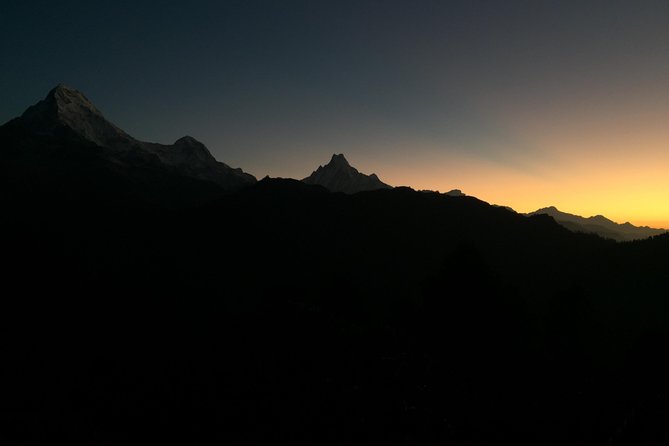
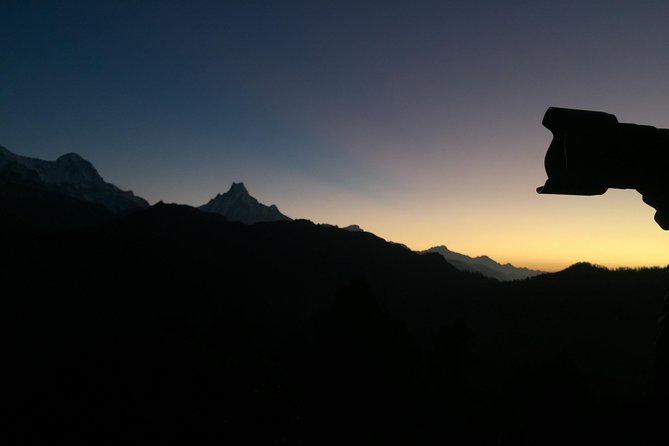
- A morning built around Poon Hill: On the day you’re heading to the sunrise viewpoint, you’ll set out early enough to catch the light. The goal is simple: get up, get to the viewpoint, and take in the Himalaya views when they turn from dark silhouettes to bright peaks.
- Later trail time and a final tea house night: After sunrise, the rest of the day gives you more walking time through village and hillside terrain, then another tea house night.
- Day 3: You finish up and make your way back toward the Pokhara side, bringing the whole trek to a satisfying close without adding extra wilderness days.
Because the altitude gain is described as not too high, this plan generally works better if you want a classic Himalayan trek vibe without high-altitude intensity. Still, early starts are early starts. Your legs will feel it, even on moderate routes.
The Poon Hill sunrise: how to make the most of it
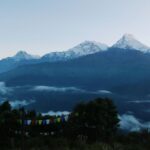
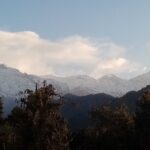
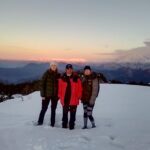
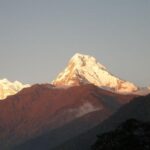
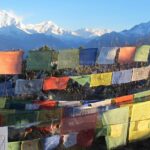
Poon Hill sunrise is the centerpiece, and the experience is built around getting you to that sunrise lookout point. When the weather cooperates, you get up-close Himalayan panoramic views—exactly the kind of moment you remember long after the trail dust settles.
But here’s the key consideration: this is weather-dependent. If skies are cloudy during sunrise, the view can be muted. The good news is that cloudy conditions don’t erase the whole trek. You can still enjoy the forests, village life, and the hike itself. One thing you can do is set your mindset correctly: treat sunrise as the goal, but don’t let cloud cover ruin your day.
If you’re traveling during a season where conditions might vary, it helps to be flexible with your schedule. The operator notes the trek requires good weather, and if it’s canceled due to poor conditions you’ll be offered a different date or a full refund. That built-in flexibility is worth something.
Teahouse life, meals, and what’s actually included
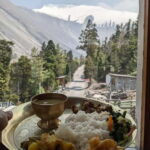
This trek includes breakfast, lunch, and dinner, plus tea house accommodation on a twin sharing basis. So once you’re on trail, you’re not constantly deciding where you’ll eat or what you’ll pay on the spot. For a three-day trek, that matters. You want your brain power for the next walk, not the logistics hunt.
You also get sleeping support: a sleeping bag and duffel bag are provided. That’s a practical win if you’re traveling light or flying in from elsewhere. It also reduces the chance you’ll arrive missing one critical item.
A few things are not included, and it helps to know them up front:
- Alcoholic beverages
- Snacks
- Bottled water
- Personal expenses
- WiFi and battery charging
- Tips
- Porter
The WiFi and battery-charging note can catch people off guard. On the trail, you should plan on going low-tech. If you rely on your phone for navigation or photos, bring a power plan that works offline.
Also, no porter is included. That doesn’t mean you can’t do it. It means you should think about your own bag weight. Pack a small daypack and keep the rest as light as you can, since you’ll carry it yourself.
Guides and porters: the people who make it feel smooth
What really shows up in the feedback is how much the trek experience depends on human details—help with pacing, guidance on what to expect, and how easy the logistics feel from day to day. You’ll have a private trek, so the guide isn’t juggling multiple groups.
Several guide names stand out as particularly well liked:
- BK is praised for being helpful and experienced with Himalayan trekking
- Shiva gets credit for being kind and making the experience feel handled
- Bikram is noted as knowledgeable, friendly, and good at timing stops for food and drinks
- Sudip Shrestha is highlighted as professional, humble, and a strong pick for first-timers
- Sagar is singled out for support and clear, incredible views when conditions were right
And porters matter too. You’ll see emphasis on porters being strong, humble, and attentive. Since the package doesn’t include a porter, this is more about your team composition. If you choose to hire one separately, you’ll want someone who can handle the work without making you feel like you’re slowing them down.
Price and value: what you’re paying for at $410
At $410 per person, the value here comes from what’s bundled rather than what’s left for you to assemble. You’re paying for:
- Private transportation and pickup
- Tea house accommodation on twin sharing
- Meals: breakfast, lunch, dinner
- Sleeping bag and duffel bag
- First aid kit
- All fees and taxes
When you compare that to piecing together a trek yourself, you’re buying back time and stress. A three-day trek is short enough that chaos becomes a real drag—one missed connection or one unclear food plan can spoil the vibe fast.
What’s not included is also clear, and you should budget for it. Bottled water, snacks, tips, and personal expenses add up. If you expect to do lots of extra buying on the trail, your final cost will rise. If you keep it simple—water planning, a snack strategy, modest spending—you’ll stay close to the price you see.
Booked on average 55 days in advance. That suggests demand and good weather windows both matter, so waiting until the last minute can be riskier than you might expect.
Weather, altitude, and fitness reality check
This trek is designed for moderately fit travelers with hiking experience, and it doesn’t rise too high in altitude. That combination makes it a good choice if you want mountains without the heavy altitude pressure that scares some people off longer treks.
Still, don’t confuse lower altitude with easy. The trail involves real uphill effort, and early morning walking toward sunrise requires strong legs and a steady pace. The private format helps because you can customize the pace to your comfort level, but it won’t remove the need for consistent hiking effort.
Because good weather is required, treat your schedule like it’s flexible. The operator’s weather policy gives you an important safety net: if it’s canceled for poor conditions, you’ll be offered another date or a full refund.
Should you book this 3-day Poon Hill trek from Pokhara?
Book it if you want a classic Himalayan teahouse trek without spending a week in transit or on the trail. This is a smart fit for people who can hike moderately, enjoy villages and forests, and care about sunrise views enough to wake up early.
I’d skip it or rethink if you’re looking for a no-hike experience, or if you absolutely need WiFi and charging every day. This trip also doesn’t include a porter, so if carrying your own pack would be stressful, plan for that choice before you go.
Also, if you’re sensitive to cloud cover disappointment, know the trek is built around sunrise, but you’ll still get hiking scenery and village moments even when views are less dramatic.
If you want a short trek that feels organized, human, and genuinely Himalayan, this one is a strong bet.
FAQ
What’s the duration of the Poon Hill trek?
It’s a 3-day trek (approx.) starting from Pokhara, with teahouse accommodation during the nights on the trail and meals included.
Is pickup and transportation included?
Yes. Pickup is offered, and private transportation is included as part of the experience.
What’s included in the trek package?
You get breakfast, lunch, and dinner, tea house accommodation on a twin-share basis, a sleeping bag and duffel bag, first aid kit, and all fees and taxes.
Do I need to bring a sleeping bag?
No. Sleeping bags are provided for your convenience, along with a duffel bag.
Is a porter included?
No. A porter is listed as not included.
What happens if the trek is affected by poor weather?
The experience requires good weather. If it’s canceled due to poor weather, you’ll be offered a different date or a full refund.