REVIEW · POKHARA
5 Day Mardi Himal Base Camp Trek in Pokhara
Book on Viator →Operated by CAN Travels · Bookable on Viator
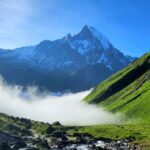
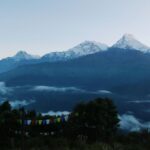
Five days to Mardi Himal views and village life. This trek in Nepal’s Annapurna region blends Rhododendron forests with classic high-mountain panoramas—think Machhapuchhre (Fishtail), Annapurna South, and Hiunchuli—while you pass through Gurung and Magar villages. I love the way guides like Amrit help keep the whole experience organized and paced, and the big takeaway is that you get the feel of the mountains without needing a huge time commitment; the main drawback is that food and drinks are not included, so you’ll want to budget extra.
The logistics are the other big win. You get hotel pickup and drop-off within the lakeside area, an English-speaking trekking guide, guest house accommodation during the trek, plus Pokhara-to-Kande and Lumre-to-Pokhara transfers by shared bus or jeep. If you’re aiming for a private trek that still runs smoothly, this format is a strong fit, but you should be ready for steady 5–7 hour hiking days.
In This Review
- Key highlights I’d bet you’ll care about
- Why the Mardi Himal trek works in just five days
- Price and logistics: what $230 covers (and what to budget)
- Day 1: Pokhara to Kande, then the Australian Camp route
- Day 2: Pitam Deurali to Low Camp via rhododendron and wildflowers
- Day 3: Low Camp to High Camp, with Middle Camp along the way
- Day 4: Early departure to Mardi Himal Base Camp for big Annapurna views
- Day 5: From Siding village down to Lumre, then back to Pokhara
- The guide factor: English support and smooth trail management
- Guest house stays: what “included accommodation” really means
- Fitness and pacing: who this trek fits best
- What you should ask before you go
- Should you book this 5-Day Mardi Himal trek?
- FAQ
- What’s included in hotel pickup and drop-off in Pokhara?
- Is there an English-speaking guide on the trek?
- Are trekking permits included?
- Is accommodation included during the trek?
- Are meals included in the price?
- How do you get from Pokhara to the trail start point?
- How do you get back to Pokhara at the end?
- What kind of support is available for emergencies?
- What fitness level do you need?
- Can you cancel for a full refund?
Key highlights I’d bet you’ll care about
- Rhododendron-and-wildflower trails that make mornings feel like a walking postcard.
- Classic viewpoints and camps: Pitam Deurali, Low Camp, High Camp, then Mardi Himal Base Camp.
- Guides with real on-the-ground support, with recent praise for Amrit and also Biru in CAN Travels treks.
- Guest house stays included during the trek, so you’re not constantly planning stops.
- Private tour for your group, with group discounts mentioned if you can trek with others.
Why the Mardi Himal trek works in just five days
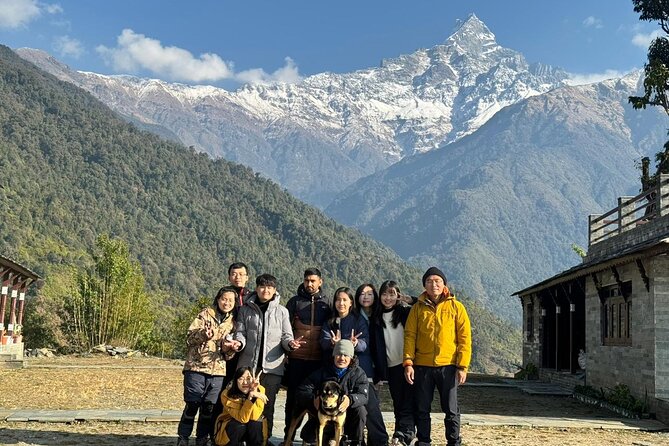
Mardi Himal Base Camp is one of those routes where you still get a real sense of altitude and remoteness, even on a short schedule. You start from the Pokhara side, walk through forested trails, and then build toward higher camps until Mardi Himal Base Camp day.
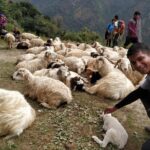
What makes it especially interesting is the mix. You’re not only chasing views of Machhapuchhre and the Annapurna range. You’re also moving through everyday village life in Gurung and Magar communities, where the trek is part of local rhythms—not just a tourist route.
You can also read our reviews of more tours and experiences in Pokhara.
Price and logistics: what $230 covers (and what to budget)
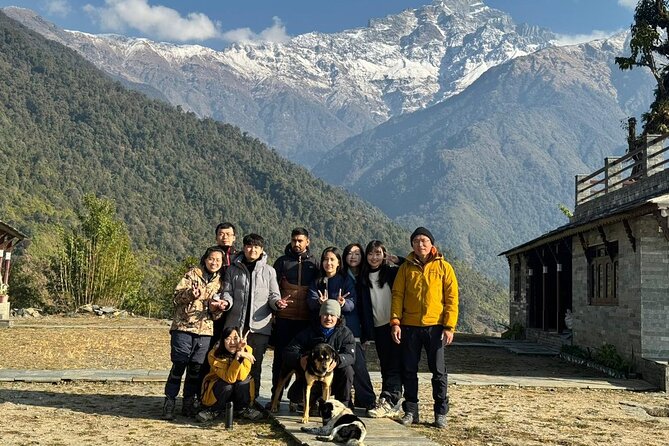
At $230 per person, this trek can feel like good value if you want the planning handled for you. What’s included is substantial: hotel pickup and drop-off in Pokhara lakeside, an English-speaking trekking guide, trekking permits and official documents, guest house accommodation during the trek, emergency normal first aid kit with the guide, and key transfers (Pokhara to Kande, and Lumre back to Pokhara).
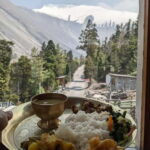
The part that can surprise people: meals and drinks are not included. The listed estimate is about US$25 per person for food and drinks available for purchase. So in practical terms, I’d plan for the base price plus that on-top food budget, and then optional gratuities for the team.
Also note the format: it’s a private tour/activity, meaning it’s only your group participating. That can be worth it if you prefer not to merge into a random mixed group on busy dates, and if you want smoother pacing decisions with your guide.
Day 1: Pokhara to Kande, then the Australian Camp route
Day 1 begins with a drive from Pokhara to Kande, with countryside views along the way. From Kande, the trek starts and you head through hillsides and forested trails that lead you toward Australian Camp.
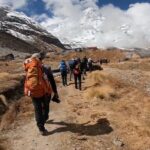
This first day is a great warm-up, mainly because it sets your rhythm. Expect about 6 hours of trekking, not a sprint, but enough walking that you feel your legs by the evening. It’s also the day when the trek’s character becomes clear: you’re moving through greenery early, before the route starts to feel more alpine later.
Day 2: Pitam Deurali to Low Camp via rhododendron and wildflowers
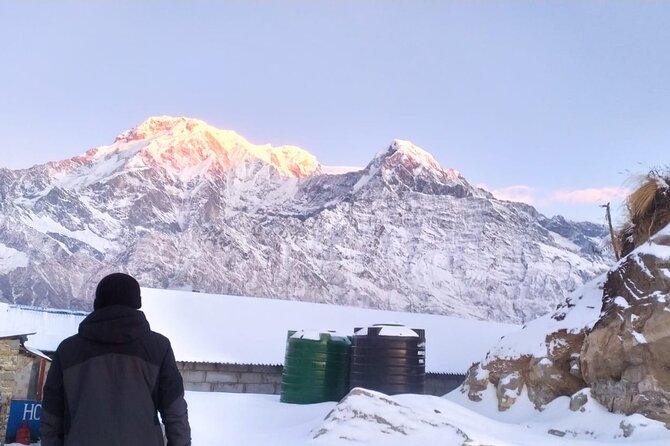
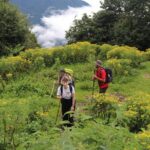
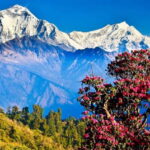
On Day 2, you begin after breakfast and start trekking from Pitam Deurali toward Low Camp. The route heads north and enters dense forest areas full of rhododendrons and other wildflowers.
This is the day many people remember most for the “wow” moments that happen without feeling like a gimmick. As you climb, the forest changes texture and color, and the trail feels alive. It’s also a full walking day at about 6 hours, so even though the scenery is a gift, your legs still do the work.
A practical note: when a day like this includes both forest walking and elevation gain, pace matters more than speed. Your guide’s job is to keep you moving steadily so you’re not wiped out before you reach the camp.
Day 3: Low Camp to High Camp, with Middle Camp along the way
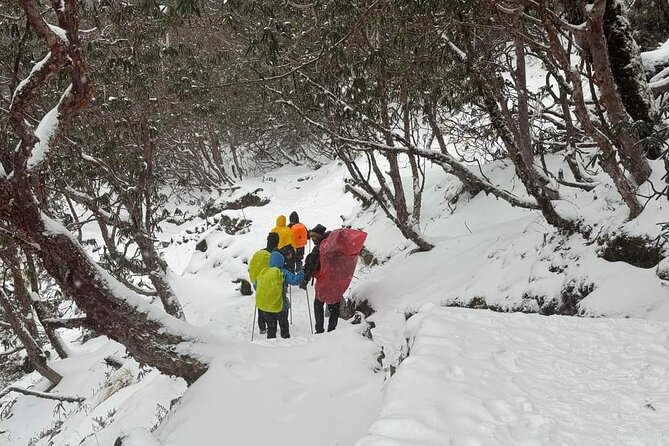
Day 3 builds on Day 2. You leave Low Camp and ascend toward High Camp, and the route passes Middle Camp along the way.
This segment is described as moving through oak and rhododendron forest, which matters because it signals a steady shift in the environment. From the middle to higher camps, you’re not just changing altitude—you’re also changing the feel of the trail.
The total is about 5 hours of trekking, and the route notes Middle Camp in the early part of the climb (around 1 to 2 hours from the Middle Camp reach). That structure can help you manage expectations: you get a check-in point before the day’s final push to High Camp.
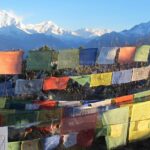
Day 4: Early departure to Mardi Himal Base Camp for big Annapurna views
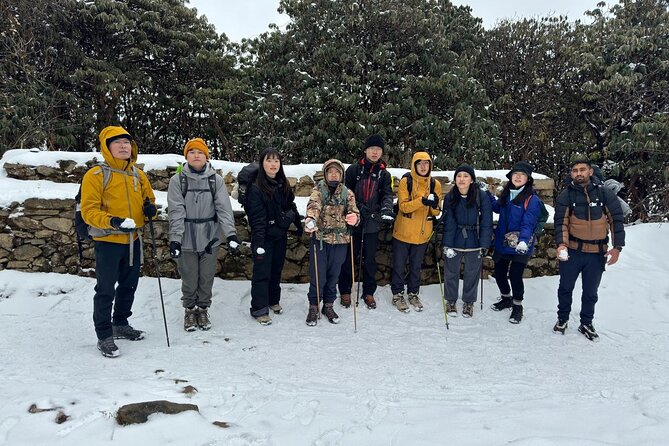
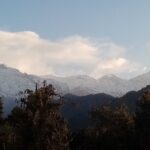
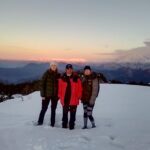
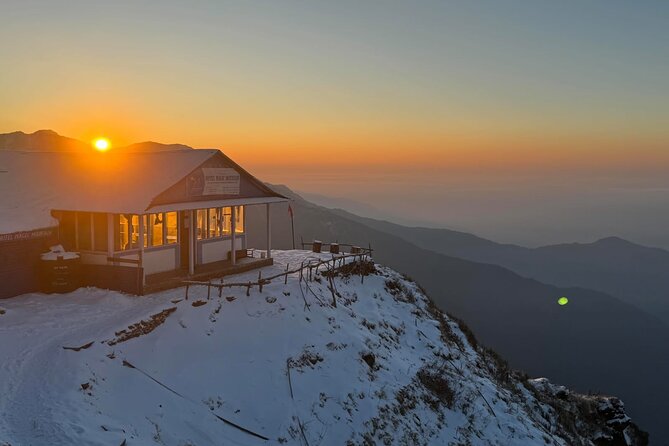
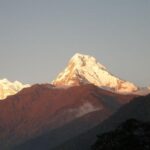
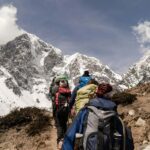
Day 4 is the headline day. You leave High Camp early and take a narrow, steep trail up to Mardi Himal Base Camp. Once you arrive, the reward is the classic view set: Mardi Himal Base Camp with wide angles toward the Annapurna range and peaks like Machhapuchhre (Fishtail) and the surrounding giants.
This is also the day where the trek stops feeling like a forest hike and becomes something more serious. The description focuses on the steepness and narrow trail, and that’s your cue to plan for slower steps and a steady rhythm rather than aggressive strides.
Day 4 takes about 7 hours, which makes it longer than the previous day. If you’re the type who pushes early and burns out, this is where you’ll feel it. You’ll be happiest if you treat the ascent like a controlled effort, then let your eyes do the celebration at the top.
Day 5: From Siding village down to Lumre, then back to Pokhara

Your last trekking day moves from Siding village down toward Lumre, with the trek ending at Lumre. The trail goes through forests and small settlements, which gives you a nice contrast after the sharper climb of Base Camp day.
You’ll have about 7 hours on your feet, then the transportation part kicks in: from Lumre, you use a local jeep to drive back toward Pokhara. This final transfer is included, and the goal is to get you back for a real rest without making you squeeze in extra hassle.
Day 5 is also a mental reset day. Instead of climbing toward the next camp, you’re closing the loop—walking downhill, seeing more daily life along the path, and letting your body unwind.
The guide factor: English support and smooth trail management

A huge part of why this trek feels manageable is the human layer. You’re assigned an English-speaking trekking guide, and you also get trekking permits and official documents handled as part of the service. That sounds administrative, but on a trek like this, it removes friction so you can focus on hiking and the mountain experience.
Based on recent trek write-ups associated with CAN Travels, guides such as Amrit and Biru have been praised for keeping logistics organized and for staying friendly throughout the trip. In practice, that usually means things like: you know where you’re going each day, pacing decisions are made based on trail conditions, and you’re not left guessing at tea house stops or timing.
One more practical detail: the trek includes an emergency normal first aid kit with the guide. You might never need it, but it’s a comfort to know it’s part of the standard setup.
Guest house stays: what “included accommodation” really means
During the trek, your accommodation is in guest houses. That’s a common setup on the Annapurna routes, and it’s part of what makes a shorter trek feasible without heavy gear planning.
From a value perspective, this matters because it’s one less cost to juggle and one less logistical puzzle you have to solve mid-trek. The tour handles it as part of the package, so you’re paying for the route support rather than DIY scheduling.
Fitness and pacing: who this trek fits best
The stated requirement is moderate physical fitness. That aligns with the walking pattern: multiple days in the 5–7 hour range, with the bigger effort on the Base Camp day due to the narrow, steep trail.
If you can handle regular uphill walking and you’re comfortable hiking for most of a day, you’re in the right zone. If you’re used to only short walks or you hate the idea of steep segments, you’ll likely feel challenged—especially on Day 4.
What you should ask before you go
To get the best possible experience, I’d message the operator and confirm a few specifics:
- Who your guide will be (names like Amrit or Biru show up in past experiences).
- Whether your pickup and drop-off are confirmed within the lakeside area.
- How your group size is set for the private format.
- How they’re handling food purchase planning on the days meals aren’t included.
These are small questions, but they help avoid the kind of uncertainty that can take the edge off a trek day.
Should you book this 5-Day Mardi Himal trek?
I’d book it if you want a focused trek in the Annapurna region that gives you both forest walking and high-view payoff without needing a longer expedition. The combination of permits handled, an English-speaking guide, guest house accommodation, and transfers in both directions is exactly the kind of value that makes a short trip feel smooth.
I’d think twice if you’re trying to keep costs tightly pinned to the headline price. With food and drinks extra (about US$25 per person estimate), plus optional gratuities, you’ll want to budget ahead so there’s no surprise mid-trek.
If your goal is a classic Himalayan route experience from Pokhara with strong mountain views and village flavor in just five days, this one makes a lot of sense.
FAQ
What’s included in hotel pickup and drop-off in Pokhara?
Hotel pick up and drop off are included within the lakeside area of Pokhara.
Is there an English-speaking guide on the trek?
Yes. The trek includes an English speaking trekking guide.
Are trekking permits included?
Yes. Trekking permit and all official documents are included.
Is accommodation included during the trek?
Yes. You’ll stay in a guest house during the trek.
Are meals included in the price?
No. Food and drinks are not included, but they are available for purchase at about US$25 per person.
How do you get from Pokhara to the trail start point?
Pokhara to Kande is included by sharing bus or jeep.
How do you get back to Pokhara at the end?
From Lumre, you’ll use a local jeep and then transfer to Pokhara by sharing bus or jeep.
What kind of support is available for emergencies?
An emergency normal first aid kit is included with your guide.
What fitness level do you need?
The trek is for people with a moderate physical fitness level.
Can you cancel for a full refund?
Yes. Cancellation is free, and you can cancel up to 24 hours in advance for a full refund. If you cancel less than 24 hours before the start time, you won’t get a refund.