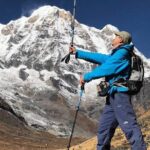
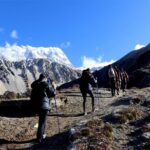
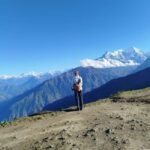
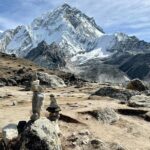
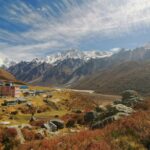
Annapurna Base Camp lands like a knockout. This trek is built around a rare combo: real time in Himalayan villages and then the big payoff of Annapurna Base Camp with an amphitheater-style view of snow-capped giants. You’re also not stuck figuring logistics out alone—transport, permits, and guides are handled for you.
I especially like the human touch. The guide team led by Kapil adjusts the hike to your capacity, and that pace-awareness shows up when you’re dealing with tired legs or rough weather. I also like that meals and lodging are taken care of, so you spend less energy on planning and more on walking and taking in the mountains.
One thing to weigh carefully is the physical demand: the trek includes long walking days and a steep-feeling rhythm up and down, plus altitude and weather can shift fast, including rain.
In This Review
- Key things that matter before you hike ABC
- From Thamel to Pokhara: the start that saves energy
- Jhinu Danda to Chhomrong: forests, villages, and your first real climb
- Ghorepani to Deurali: rhododendron climbs and viewpoint moments
- Chasing the amphitheater: reaching Annapurna Base Camp and sunset views
- Sunrise, then the long descent: bamboo trails and recovery time
- Back to Jhinu and Pokhara: food, rest, and Fewa Lake time
- Kathmandu reset: a tourist-bus ride and a proper hotel night
- Price and logistics: does $700 buy you real value?
- Guides like Kapil: pace, problem-solving, and why it feels smooth
- What you’re really doing each day (so you can plan smart)
- Packing and pacing tips (based on how this trek behaves)
- Who this trek fits best (and who should think twice)
- Should you book this Annapurna Base Camp private short trek?
- FAQ
- Where does the trek start and end?
- Is pickup offered?
- How do you travel between Kathmandu and Pokhara?
- Are trekking permits included?
- What meals are included during the trek?
- What about the Nepal entry visa?
- What fitness level do I need?
- Is emergency evacuation included?
- What is the cancellation policy?
Key things that matter before you hike ABC
- A private setup: Only your group participates, so you’re not hiking to someone else’s tempo.
- Guide-led pace: Kapil’s team focuses on matching the trek to your body condition, not just a fixed schedule.
- Comfort where it counts: You get bed and breakfast in Kathmandu and Pokhara, plus included meals during the trek.
- Mountain payoff built into the itinerary: You’re scheduled for sunrise views and a sunset session at ABC with major peaks on the horizon.
- Transport is handled: Kathmandu to Pokhara and back is via tourist bus, plus transfers between Pokhara and Jhinu Danda.
From Thamel to Pokhara: the start that saves energy
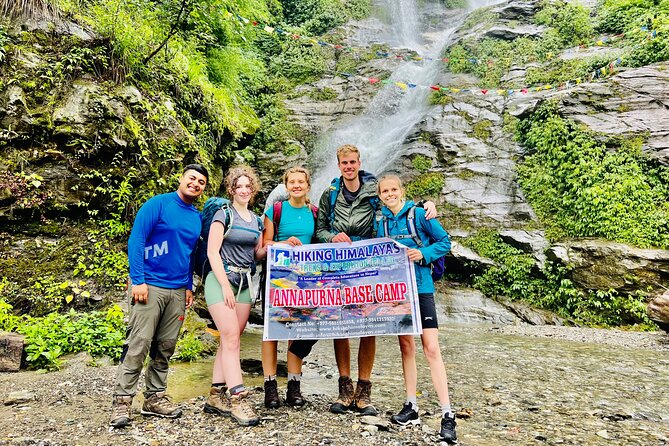
Your trek begins in Kathmandu, near Thamel. If you arrive by air, your representative gives you a meeting point near the airport arrival area, and you’ll look for someone holding a sign with your name or the hiking company name.
Then it’s out to Pokhara by tourist bus. The drive is about 200 km and takes roughly 9 hours, so treat this as travel time to reset rather than sightseeing time. You’re paying for the structure here: two-way bus transport is included, plus you’ll have your Kathmandu and Pokhara accommodations lined up on a bed-and-breakfast plan.
This kind of first-day setup is practical. On trek days, every bit of energy matters, and long travel is easier when someone handles the coordination.
You can also read our reviews of more tours and experiences in Kathmandu.
Jhinu Danda to Chhomrong: forests, villages, and your first real climb
On day 3, you’ll drive from Pokhara toward Jhinu Danda, passing places such as Hemjha, Naudanda, Lumle, Kade, Nayapul, and along the Modi Khola route. It’s about a 2-hour drive to Jhinu Danda, then the hiking starts.
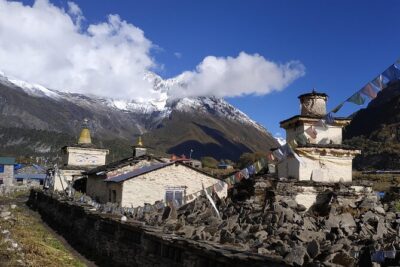
From Jhinu Danda, you hike about 1 hour to Chhomrong for lunch. Chhomrong is a strong early preview: you’ll get a close view of Annapurna South and Himchuli, which is exactly what you want after the road day. After lunch, the trail drops to the river, crosses the bridge, then climbs again up to Sinwa (your overnight stop).
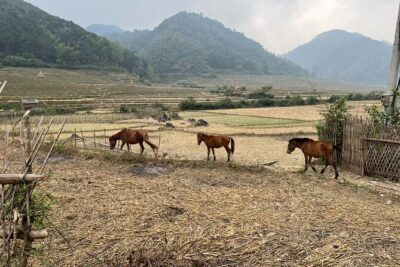
This day has a “get your legs working” feel. The big win is that you start inside the lived-in rhythm of Nepal—terraced areas, forests, and village life—before the trek turns more alpine.
Practical note: this is where you learn whether your boots are truly broken in. If they aren’t, treat the first steep feeling as a warning shot and slow your pace.
Ghorepani to Deurali: rhododendron climbs and viewpoint moments
Day 4 shifts into a steeper ascent day. You start around 6:00 with breakfast, then begin a climb that moves through bamboo, Dovan, and reaches a stop near Himalaya Hotel for lunch.
After lunch, you walk about 2 hours to Deurali for the night. The trail is described as going through rhododendron and bamboo forests, and you’re likely to catch strong views—especially of fishtail (Machhapuchhre) and the surrounding hills.
This is one of those days where your pace matters more than your speed. When you’re climbing, you’ll do better by keeping your effort steady and breathing controlled than by trying to “win the uphill.” Deurali also sets you up for what’s next: reaching the base camp area is less about one magic day and more about stacking several solid hiking days.
Chasing the amphitheater: reaching Annapurna Base Camp and sunset views
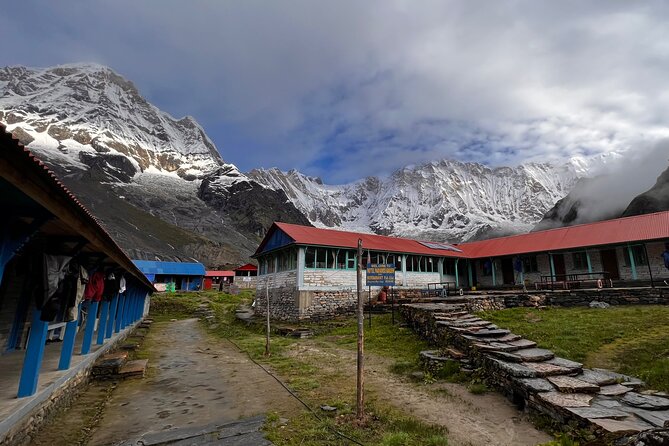
Day 5 is the headline. You begin with breakfast and start walking toward Annapurna Base Camp. You reach Machhapuchhre Base Camp area (noted as MBC) in about 3 hours, stop for lunch there, then continue to Annapurna Base Camp, which takes about 2 more hours.
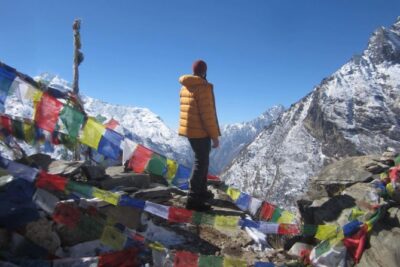
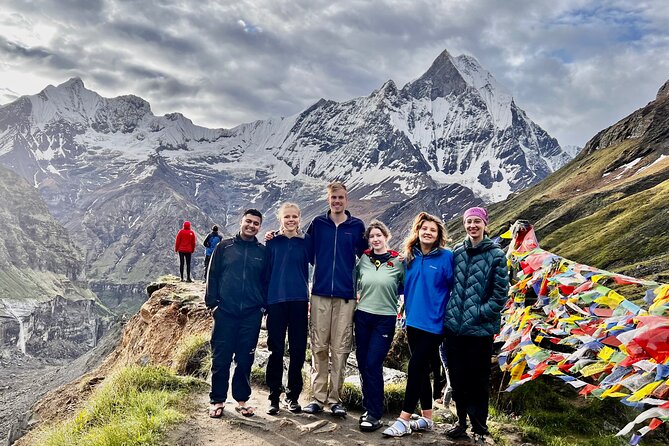
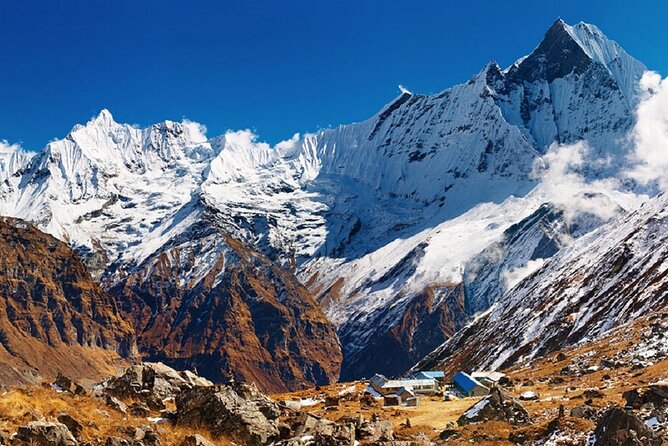
When you arrive, the evening is built for the big visual payoff. You’re scheduled to enjoy sunset views of Annapurna I, Gangapurna, Annapurna South, Himchuli, Annapurna III, Gandarvachuli, and Machhapuchhre (Fishtail). That list matters because it tells you you’re not just looking at one peak—you’re getting a multi-peak amphitheater feel.
Even better: you’re sleeping at ABC the same day. That’s a real advantage for weather changes. One of the most memorable parts of this trek is the way conditions can shift—rain can roll in on the way up, but when the weather clears, the panorama can feel almost unfair in its beauty.
If you’re sensitive to cold, pack for it now. Evening at ABC can mean fast temperature drops, and you’ll want layers ready without digging through your bag.
Sunrise, then the long descent: bamboo trails and recovery time
Day 6 starts early for sunrise over the Himalayas range. After breakfast, you descend. The schedule notes a 5 to 6 hour descent down toward the bamboo area.
This day is a reminder that trekking is not only about the climb. Your knees and quads are the real story on descent days, so plan to go slow and controlled. Short steps often save more energy than trying to “cover ground” downhill.
What I like about this portion is that it gives you a payoff both ways. Sunrise gives you the reward of early effort, then the descent turns the page from peak viewing to recovery—moving you back toward the lower trail network.
Back to Jhinu and Pokhara: food, rest, and Fewa Lake time
Day 7 brings you back to Pokhara. You wake early, have breakfast, and return toward Jhinu Danda where you stop for lunch. After lunch, your vehicle comes to pick you up from Pokhara to Pokhara, with about a 2-hour drive.
Once you’re in Pokhara, you check in to a hotel, relax, and spend time near Fewa Lake. You also get a setting for good meals in the evening, which is a big deal after multiple days of trek food and limited options.
This is where the trek becomes a trip again, not just a hike. You’ll likely feel tired but also wired—you want rest, but you also want to soak up the fact that you made it to base camp and back.
Kathmandu reset: a tourist-bus ride and a proper hotel night
Day 8 takes you back to Kathmandu by tourist bus, roughly 6 to 8 hours. You’ll have lunch on the way, then reach your hotel in Kathmandu for a relaxing evening.
Day 9 is a final departure day back to your meeting point near Thamel. This structure is helpful because it keeps the end from turning into a scramble. You get one last built-in night to shower (if you choose), organize your gear, and get your body back toward normal rhythm.
If you’ve never done a Himalayan trek before, this “reset” time is underrated. Your sleep and digestion often need a cushion after big trekking days.
Price and logistics: does $700 buy you real value?
At $700 per person for about 9 days, you’re paying for more than the hiking itself. Included value here includes:
- Trek permits
- A professional guide (and his expenses)
- Two-way tourist bus transport between Kathmandu and Pokhara
- Transfers between Pokhara and Jhinu Danda
- Bed and breakfast hotel nights in Kathmandu (2 nights) and Pokhara (2 nights)
- Meals during the trek: breakfast (9), lunch (7), dinner (6)
- A trekking map and a trip achievement certificate
- Seasonal fruits during the trek
- A farewell dinner after trekking
So the cost is partly logistics and partly mountain time. If you tried to DIY this without guide and permits handled, you’d spend time coordinating transport, lodging, and documentation—and you’d likely pay similar sums once you add it up.
What’s not included matters, though. Expect to cover your Nepal entry visa (USD 40 for 30 days, obtained at the airport), and you’ll pay for personal extras like WiFi, hot/cold beverages, bar bills, and hot showers. Emergency evacuation is also not included, so make sure your travel insurance covers mountain trekking if you want that safety net.
Guides like Kapil: pace, problem-solving, and why it feels smooth
The best part of this trek setup isn’t only the views—it’s how the hike runs day to day. Reviews for this company repeatedly point to the same theme: the trek feels smooth and hassle-free because the guide team is on top of details, keeps food and accommodation handled, and adjusts the plan to your ability.
Kapil is specifically mentioned in connection with accommodating pace and solving problems quickly. In a place where weather and trail conditions can change, that kind of responsiveness helps you keep confidence. You don’t want to be negotiating every small issue while also managing altitude, tired muscles, and cold evenings.
This is where a private tour can be worth the money. When you’re not sharing the hike with strangers, you can usually move at the tempo that keeps you safe and comfortable.
What you’re really doing each day (so you can plan smart)
Here’s the practical meaning behind the schedule:
- You start easy-ish with road time to Pokhara, which is a good buffer before trekking.
- Then you stack moderate-to-demanding trail segments. Day 3 and Day 4 each run long (with schedules that fit roughly 12 hours), and Day 5 adds a final push to reach ABC in the same day.
- Day 6 is heavy on descent (5 to 6 hours), which is often harder on the body than you expect.
- Days 7 and 8 are travel and recovery days, with hotel time and meals returning to more normal routines.
The trek is “short” compared with longer Himalayan routes, but it still demands consistency. You’ll want to be prepared for fatigue at the end of the day and for the fact that mornings can feel cold and stiff until you’re warmed up.
Packing and pacing tips (based on how this trek behaves)
You don’t have to overpack, but you do need a system. This trek includes forests, river crossings, and long days, plus a cold summit-ish feeling at ABC evenings and sunrise time.
Bring layers that you can add/remove quickly. The itinerary schedules sunrise and sunset viewing, so temperatures can swing between warm midday and cold morning/night.
On pacing, use this simple rule: uphill slow enough that you can control your breathing, and downhill short steps so your knees don’t revolt. The guide team will help with pacing, but your body still follows its own logic.
Also, keep some flexibility for rain. One past experience with this route included significant rain on the climb, followed by clearer weather when reaching the top. When that happens, having rain gear and warm layers makes the difference between tough and miserable.
Who this trek fits best (and who should think twice)
This fits best if you want:
- A guided Annapurna Base Camp experience without the hassle of arranging permits and logistics
- A private group setup
- Included meals and comfort-focused planning in Kathmandu and Pokhara
- A trek that still feels “real” but not stretched into a multi-week grind
It’s less ideal if you:
- Struggle with long hiking days or downhill knee pain
- Get nervous about altitude and quick weather changes (even with a guide adjusting pace)
- Expect lots of free time for self-directed exploring during the trek days
The stated fitness level is moderate. That’s good news, but remember: moderate still means you need stamina for full days of walking.
Should you book this Annapurna Base Camp private short trek?
I’d book it if you want a well-run ABC route that protects your time and energy. The inclusion of permits, a professional guide, transport, and most meals means you can focus on hiking and the mountain moment—especially the day at ABC with sunset views and overnight sleep.
You should consider a different option if you’re not comfortable with long hiking days and descent strain, or if you’re chasing a super-relaxed trip. The views are the point, but the schedule is still a schedule.
If you do book, ask your guide about your pace at the start—especially if you’re carrying any injury history or you know you slow down downhill. With a team led by Kapil and a pace-adjusting style, you’ll get the best version of this trek: the one where you arrive tired, yes, but proud—and looking at the peaks with the energy to actually enjoy them.
FAQ
Where does the trek start and end?
The activity starts in Thamel, Kathmandu, and it ends back at the meeting point.
Is pickup offered?
Yes, pickup is offered. Your representative will specify a meeting point, usually near the airport arrival area, and you’ll look for a sign with your name or the company name.
How do you travel between Kathmandu and Pokhara?
You travel by tourist bus from Kathmandu to Pokhara and then back from Pokhara to Kathmandu.
Are trekking permits included?
Yes. All required permits for the trek are included.
What meals are included during the trek?
Breakfast, lunch, and dinner are included during the trek (breakfast 9 times, lunch 7 times, dinner 6 times), plus seasonal fruits.
What about the Nepal entry visa?
The Nepal entry visa is not included. It can be obtained at the airport upon arrival for USD 40 for 30 days.
What fitness level do I need?
The tour is designed for travelers with a moderate physical fitness level.
Is emergency evacuation included?
No. Emergency evacuation is not included.
What is the cancellation policy?
You can cancel up to 6 days in advance for a full refund. If you cancel 2–6 days before, it’s a 50% refund, and if you cancel less than 2 days before, the amount paid is not refunded.