REVIEW · KATHMANDU
12 Days Everest Base Camp Trekking
Book on Viator →Operated by Blissful Himalayas · Bookable on Viator
Everest starts with one small runway. This 12-day Everest Base Camp trek feels unusually well-organized and you’ll travel with an English-speaking guide from start to finish, including the early Kathmandu-to-Lukla flight and a clear acclimatization rhythm. The main thing to watch: altitude hits fast, and the “get up early” days are real.
Blissful Himalayas has operated in Nepal since 2011, and this trip is built around practical support: airport pickup and transfers, domestic airfare, teahouses with meals, and the necessary permits (Sagarmatha National Park permit and TIMS). It’s private in the sense that it’s arranged for your group only, which can mean a more personal pace than you’d expect on a mega-group trek.
In This Review
- Quick Hits
- A Well-Run EBC Plan: What Makes This Trek Feel Manageable
- Kathmandu to Lukla: The Start That Shapes the Whole Adventure
- Phakding to Namche Bazaar: Bridges, Trading Energy, and Slow Climb
- Acclimatization Day at Namche: Optional Views Without Overdoing It
- Into Sagarmatha National Park: Panoramas Plus a Rhododendron Descent
- Dingboche: When the Air Gets Thin and You Need a Plan
- Another Dingboche Acclimatization Day: Optional Hikes, Real Breathing Space
- To Lobuche and the Khumbu Glacier: The Moment the Trek Feels Serious
- Gorak Shep to Everest Base Camp: The Last Steps Are the Point
- Kala Patthar Sunrise: Best Views, Highest Effort
- The Trek Out Through Sagarmatha: Easy Days That Still Need Care
- Kathmandu Recovery and a Farewell Dinner Worth Planning For
- Price and Value: What $1,399 Buys You on EBC
- Who Should Book This EBC Trek (and Who Might Reconsider)
- Should You Book Blissful Himalayas for Everest Base Camp?
- FAQ
- What is the duration of the 12 Days Everest Base Camp Trekking?
- Where does the trek start and end?
- How much does the trek cost?
- What is included in the trek package?
- Are meals included during the trek?
- What permits are included?
- Is a porter service included?
- Does the trip include accommodation during the trek?
- What is the cancellation policy?
Quick Hits
- Lukla flights plus domestic airfare included so you’re not wrestling with flight timing on your own
- Altitude monitoring gear in the basic first-aid kit, including a pulse oximeter
- Acclimatization built into the schedule with flexible optional hikes at Namche and Dingboche
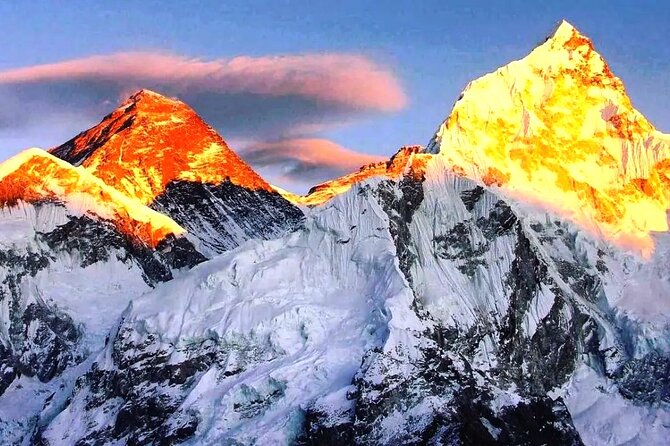
- Kala Patthar sunrise hike for one of the best “Everest view” payoffs on the route
- Licensed guide support (and in past trips, trekkers have highlighted a guide named Ramchandra)
- Meals and teahouse stays covered so you can focus on walking, not logistics
A Well-Run EBC Plan: What Makes This Trek Feel Manageable
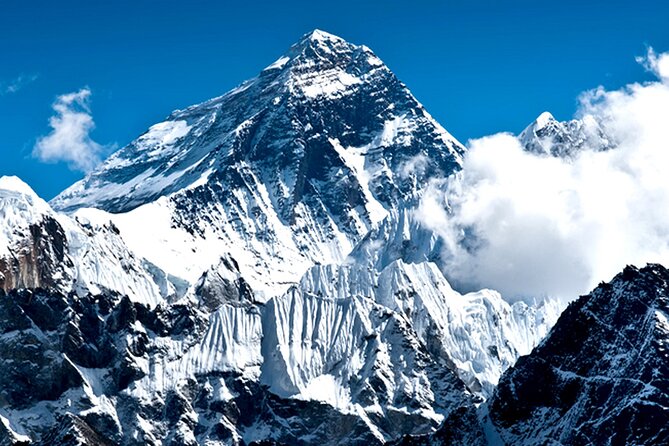
Everest Base Camp is the headline, but the real story is how you get there safely and still enjoy it. What I like about this style of trek is that it treats the journey like a process, not a checklist. You start with the critical logistics (pickup, transfers, domestic flights), then you move into a trail schedule that gives your body time to adjust before you ask it to work harder.
One big plus: the trip includes a licensed, experienced, English-speaking trekking guide, and the guide’s salary, meals, accommodation, equipment, and insurance are handled. That matters because good guiding isn’t just “leading the way.” It’s route pacing, explaining what’s ahead, and keeping you calm when the altitude makes everything feel sharper.
The other standout: they also include trekking permits (Sagarmatha National Park Permit and TIMS card) and cover basic first aid gear, including a pulse oximeter. On a trek like this, that’s reassuring even if you feel fine at first. The mountains don’t care about your confidence.
The only caution I’d give up front is simple: this is still a high-altitude trek. You’re traveling to elevation and walking long days, with early starts on key viewing days. If you know you hate early mornings, plan to budget mental energy for it.
You can also read our reviews of more tours and experiences in Kathmandu.
Kathmandu to Lukla: The Start That Shapes the Whole Adventure
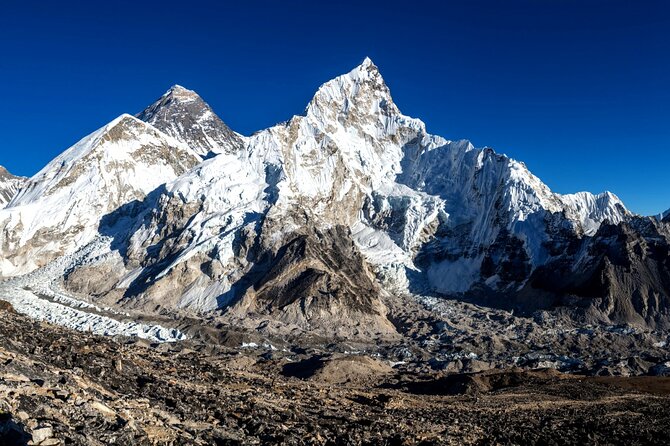
Day 1 starts with a Kathmandu pickup and an early drive to the airport. Then comes the domestic flight to Lukla, at about 2,800m (9,184ft), using what is often described as a scenic mountain airstrip. This leg is more than a transfer. It’s what launches you into the Khumbu region fast, saving you from days of additional road travel.
After landing, you begin trekking from Lukla toward Fakding. The early portion of the hike is your chance to settle into the rhythm: steady steps, light breathing, and learning how your body reacts at altitude. Even though you may feel okay at first, it’s smart to keep your effort moderate early on. That’s when small mistakes—going too fast, skipping water, or over-bundling—become big problems later.
If you want a clear, well-timed plan on Day 1, this itinerary approach generally works well. It also helps that round-trip domestic airfare is included (Kathmandu to Lukla, with the note that during peak season it may be Ramechhap instead). That detail is worth paying attention to, because it can affect your morning routine and how early you’ll need to be ready.
Phakding to Namche Bazaar: Bridges, Trading Energy, and Slow Climb
On the next day, you trek from Phakding to Namche Bazaar, the main trading hub of the Khumbu region. The route includes several suspension bridges and a gradual climb along the trail. For me, Namche is one of those places where the trek “clicks” emotionally: you’re surrounded by mountain views, but you also get the first real sense of mountain-town life—shops, guesthouses, and the steady buzz of people prepping for higher elevations.
The bridge sections add a practical lesson: you learn quickly how footing feels with altitude and fatigue. It’s not about fear; it’s about staying focused. And because this day is paced as a trek with time to arrive and settle, it’s often a good target for first-time trekking stamina.
A specific plus here is that you don’t just climb and leave. The schedule builds in time afterward for acclimatization. That’s not a luxury on EBC; it’s part of the survival math.
Acclimatization Day at Namche: Optional Views Without Overdoing It
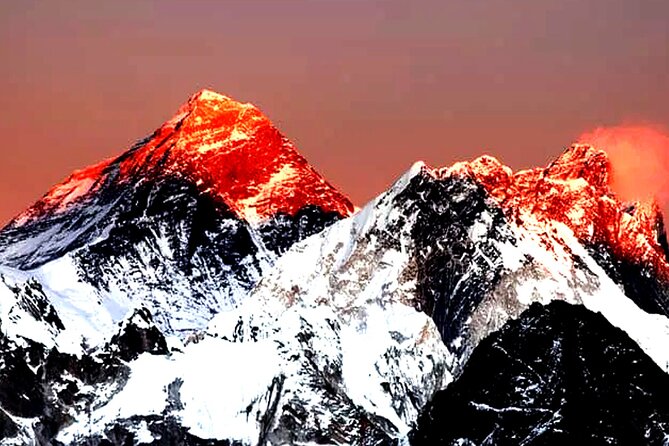
Instead of pushing higher immediately, you get a day in the Namche area to acclimatize. The trip includes the option to hike up to Everest View Hotel for a panoramic look at Everest and surrounding peaks. I like this kind of optional climb because it gives you a rewarding view with control: you can go for the photo payoff and still keep your effort conservative.
This is also the day where you practice your altitude habits:
- Walk slowly and steadily
- Drink regularly (not only when you remember)
- Eat warm meals when you can
- Pay attention to sleep quality and how your head feels
This day matters because it reduces the risk of arriving at higher elevations feeling wrecked. And even if you feel strong, don’t treat acclimatization days like vacation breaks. They’re part of your training.
Into Sagarmatha National Park: Panoramas Plus a Rhododendron Descent
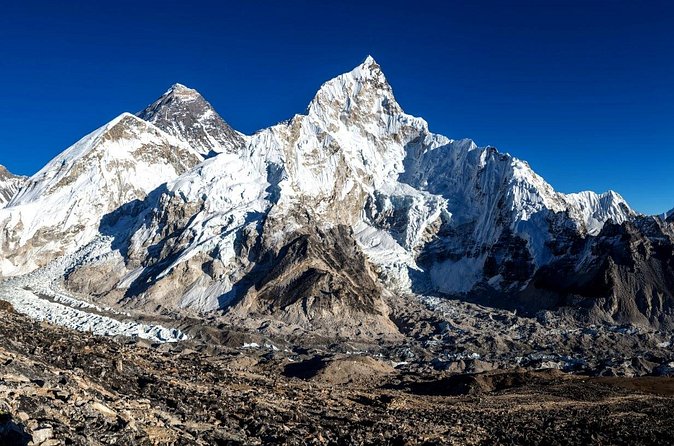
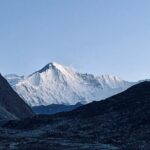
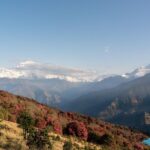
Your next trekking day brings you through Sagarmatha National Park, with panoramic views en route of Everest, Nuptse, and Ama Dablam. Then the day turns into a descent through rhododendron forest for about two hours before climbing again toward the next stop.
This mix is what keeps the trek from becoming monotonous. The views give you the big-mountain feeling, while the forest descent adds a different texture underfoot. That matters because the human brain can get tired of the same kind of visual input day after day. Even more importantly, moving through forest can feel gentler than bare rocky sections.
The schedule also includes free time in the sense that the day is about moving through the park and reaching the next altitude step without overpacking your day with extra optional goals. It’s a good balance for people who want to stay motivated without burning out.
Dingboche: When the Air Gets Thin and You Need a Plan
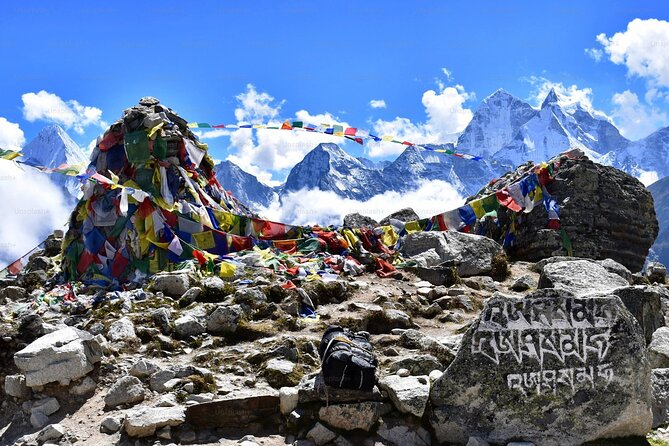
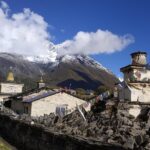
From the Sagarmatha area, you trek toward Dingboche, a beautiful village in the Khumbu Valley. This is where you start to feel that the environment is changing: less greenery, more alpine terrain, and a stronger emphasis on controlling your pace.
You’ll climb on a route that’s described as an alpine forest and barren land mix, with a crossing of a stream section before continuing. Again, this isn’t a technical trek, but it does require steady balance. Your feet and knees get worked by repeated uphill segments and constant uneven surfaces.
Dingboche is also a strong view point for peaks in the region, including Island Peak and other Himalayas. And that’s where acclimatization becomes practical rather than theoretical. You’re not just “learning about altitude.” You’re managing it.
Another Dingboche Acclimatization Day: Optional Hikes, Real Breathing Space
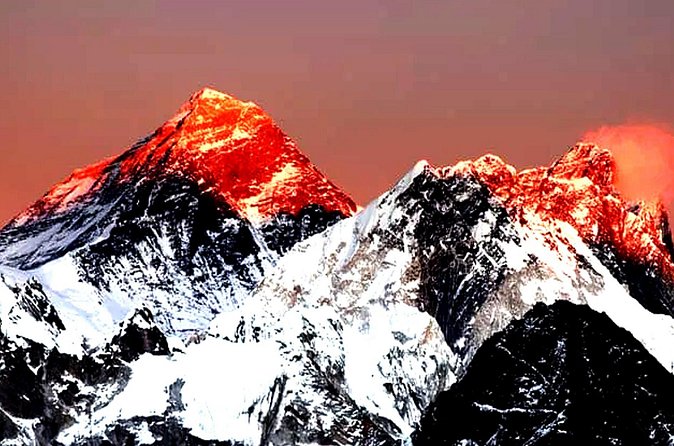
The next day stays in Dingboche for acclimatization. Optionally, you can hike toward places like Nagarjun Hill or Chukhung Ri (the schedule includes these options), which are the kind of hikes you can use to test how you feel at higher altitude without forcing a hard push.
From a comfort perspective, this is an important day because fatigue accumulates. By now, your legs have done several long hiking days, and you’re still moving toward higher elevations. A rest-and-acclimatize day helps you avoid arriving at Gorak Shep and Base Camp feeling drained and short of breath.
If you’ve never done high-altitude trekking before, I think this is the kind of pacing you’ll appreciate. It’s also the day where you can adjust your behavior: slow down if you feel a headache, eat more warm food if your appetite fades, and get in whatever sleep you can manage.
To Lobuche and the Khumbu Glacier: The Moment the Trek Feels Serious
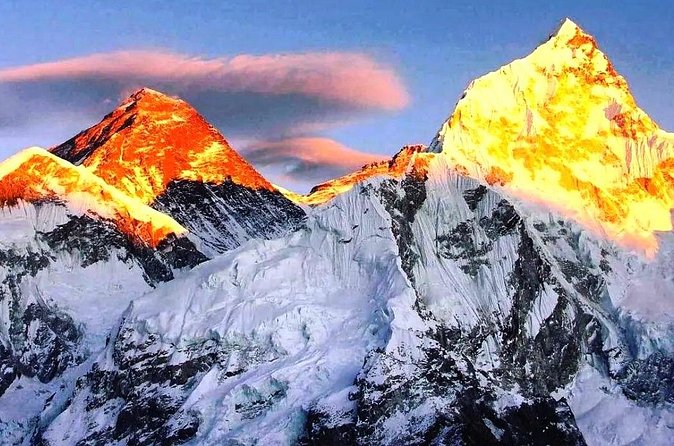
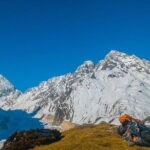
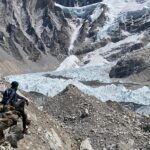
After Dingboche, the trek shifts further toward the glacier zone. You start early by crossing the Khumbu River, then ascend gradually through rocky terrain and glacial moraines. You’ll get beautiful views of the Khumbu Glacier and surrounding peaks.
This is often where the emotional tone changes. The terrain becomes more rugged-looking, and the scenery feels more monumental. It’s also where trekking days can start to feel longer, even if the schedule says around the same hours as previous days, because your body is working harder.
Also, this is a good day to focus on supply timing. Since meals are included on the trek, you can plan around them: steady breakfast, drink during breaks, and don’t skip lunch just because you’re eager to move.
Gorak Shep to Everest Base Camp: The Last Steps Are the Point
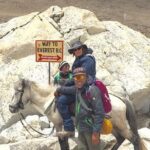
Next you move from Lobuche to Gorak Shep, which is described as the final settlement before Everest Base Camp. You reach there for lunch, then continue trekking to Everest Base Camp, explore around Everest Base Camp, and then return to Gorak Shep.
Two things make this segment special:
- It’s the payoff day—the moment you reach the place most people dream about.
- It’s a practical decision point—after reaching Base Camp, you still have to handle the return to Gorak Shep.
The teahouse rhythm continues, with twin-sharing accommodation in local teahouses and meals covered. That helps your energy, because you can treat Base Camp as a destination you enjoy rather than a trap you must hurry through.
One personal tip I’d give you: enjoy Base Camp at a walking pace. It’s easy to rush for photos, but the altitude makes even standing and talking feel like work. Take moments to just look, breathe, and absorb the scale.
Kala Patthar Sunrise: Best Views, Highest Effort
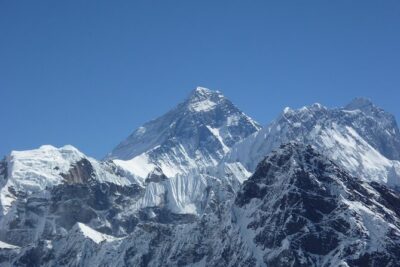
The next morning is for Kala Patthar. The schedule describes Kala Patthar as the best place to capture an excellent view of Mt. Everest, so you hike early for sunrise over Everest, Lhotse, and other peaks. After returning to Gorak Shep, you have breakfast and then continue onward.
This is the hike you need to respect. Early starts are no joke at high altitude. Your body is already tired from several days of climbing and trekking, and the night cold can make you feel stiff.
But if you’re there, Kala Patthar is also the moment you remember why people keep coming back. Sunrise in the high Himalayas can turn the whole sky into a slow show—quiet, sharp, and unforgettable. Even if you’re not chasing perfection, you’ll likely appreciate the big view and the feeling of achievement.
The Trek Out Through Sagarmatha: Easy Days That Still Need Care
After the Base Camp and Kala Patthar effort, the route shifts toward descent. Your days back through Sagarmatha National Park include trekking hours that are shorter than the hardest moments, and the plan acknowledges something practical: descending is easier than ascending, but you still need care, especially with your knees and balance.
This is where good trekking form matters. Take shorter steps. Keep your weight controlled. Use breaks before you feel pain instead of after.
The final trekking day is described as the last day for the route, with a short trek. There’s also time to celebrate your success with your trekking companion, guide, porters, and fellow trekkers. That’s a nice touch because EBC can feel solitary when you’re climbing, and sharing that last moment matters.
Kathmandu Recovery and a Farewell Dinner Worth Planning For
On Day 12, you fly back to Kathmandu early. Then you transfer to your hotel and get leisure time—relaxing, exploring, or getting foot and body messages (the schedule mentions relaxing foot and body messages). A farewell dinner is also organized.
This is the part of the trip that many people underestimate. You’ll be tired in a very specific way—leg fatigue, sleep catch-up, and the kind of soreness that makes you appreciate a warm bed. Having a built-in return day with a planned dinner helps you transition without scrambling for restaurants or transport.
It’s also a good chance to do the unglamorous recovery tasks: wash what you can, hydrate, and let your body reset.
Price and Value: What $1,399 Buys You on EBC
The price is listed at $1,399 per person, and the key to judging value is what’s included. This trek covers:
- Round-trip domestic airfare between Kathmandu (or Ramechhap during peak season) and Lukla
- 1 night deluxe hotel accommodation in Kathmandu with breakfast
- Twin-sharing teahouse accommodation during the trek
- All meals during the trek (breakfast, lunch, dinner, plus tea/coffee with breakfast)
- Licensed, English-speaking guide (with his salary, meals, accommodation, equipment, and insurance covered)
- Sagarmatha National Park permit and TIMS card
- A basic first aid kit, including a pulse oximeter
- All government taxes and official service charges
- Airport pickup and drop-off plus ground transportation
That’s a lot of big-ticket items bundled in. If you’ve ever tried to plan EBC independently, you know it’s not only the trekking part that costs money and time—it’s flights, permits, guiding, and day-to-day meal decisions. Even without comparing to a DIY budget line-by-line, it’s fair to say this price focuses on covering the essentials so you can actually enjoy the trek.
One more thing: it’s described as a private tour/activity, meaning it’s only your group. Reviews also suggest that trekkers have gone in small groups—sometimes just two people with the guide—which can make the experience feel more tailored. For couples and friends, that can be a real value boost.
Who Should Book This EBC Trek (and Who Might Reconsider)
This trek is built for people with moderate physical fitness. That doesn’t mean “easy.” It means you should be comfortable walking for several hours a day and handling altitude.
You’ll likely enjoy it most if:
- You want a structured acclimatization plan rather than improvising
- You want meals and teahouse stays handled
- You value having a licensed English-speaking guide
- You’d rather focus on hiking than sorting permits and flights
You might reconsider if:
- You have serious knee problems and don’t want a plan that depends on careful descending
- You’re very sensitive to early mornings (Kala Patthar starts early)
- You’re not comfortable with the idea that good weather matters for the trek experience
Should You Book Blissful Himalayas for Everest Base Camp?
If you want a trek that feels organized from the airport to the final day in Kathmandu, this one makes sense. The biggest strength is the pacing: acclimatization days in Namche and Dingboche, then the push toward Gorak Shep and Base Camp, and finally the sunrise effort at Kala Patthar. That structure is what helps you enjoy the mountains instead of just surviving them.
I’d book it if you like having your permits, domestic flights, and meals covered, and you want a guide who can keep your day-to-day decisions simple. Past trekkers have specifically praised their experience with a guide named Ramchandra, calling out thoughtful organization and support—exactly what you want on a high-altitude route.
If you’re trying to decide, do this: check your fitness, pack for cold early starts, and bring the kind of patience altitude requires. Then go. The views at Base Camp and Kala Patthar are the type you remember for years.
FAQ
What is the duration of the 12 Days Everest Base Camp Trekking?
It’s scheduled for about 12 days.
Where does the trek start and end?
The experience starts with pickup in Kathmandu and includes a flight to Lukla for the trek. It ends with a flight back to Kathmandu on the final day.
How much does the trek cost?
The price is $1,399.00 per person.
What is included in the trek package?
It includes ground transportation (airport pickup and drop-off), 1-night deluxe hotel in Kathmandu with breakfast, round-trip domestic airfare between Kathmandu (or Ramechhap during peak season) and Lukla, twin-sharing teahouse accommodation during the trek, all meals during the trek, a licensed English-speaking guide, trekking permits, and a basic first aid kit with a pulse oximeter.
Are meals included during the trek?
Yes. Breakfast, lunch, and dinner are included, along with tea/coffee with breakfast.
What permits are included?
Sagarmatha National Park permit and TIMS card are included.
Is a porter service included?
Porter service is not included, but it’s available upon request.
Does the trip include accommodation during the trek?
Yes. You stay in twin-sharing local teahouses during the trekking days.
What is the cancellation policy?
You can cancel up to 24 hours in advance for a full refund. If it’s canceled due to poor weather, you’ll be offered a different date or a full refund.