REVIEW · KATHMANDU
Everest Base Camp Trek
Book on Viator →Operated by Adventure Bound · Bookable on Viator
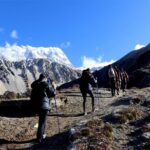
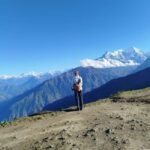
Everest is close enough to touch. This 12-day trek through Nepal’s Khumbu region takes you from Kathmandu to Lukla and then on foot to Everest Base Camp, following the same ambition that drove Tenzing Norgay Sherpa and Edmund Hillary. I love that the big headaches are handled for you, so you can focus on steady steps, good food, and the ever-growing view.
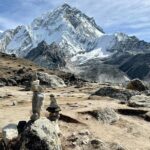
The second thing I like a lot is the pace. You don’t just hammer uphill; you get planned altitude breaks in Namche Bazaar and Dingboche, then a classic high point at Kala Pattar for those wide looks at Everest and nearby 8000-meter peaks.
One possible drawback to plan for: Lukla flights can be delayed or even cancelled for weather reasons, so you need mental flexibility and a little time buffer at the front or back of the trip. The good news is the operator builds contingency days into the idea of the experience.
In This Review
- Key Things I Think Matter Most on This Everest Base Camp Trek
- A Trek That Feels Guided, Not Managed
- Price and Value: What You’re Actually Paying For
- Kathmandu Ground Game: Transfers, Timing, and Getting Ready
- Lukla to Phakding: Starting Easy, Staying Alert
- Phakding to Namche Bazaar and the First Acclimatization Reset
- Tengboche and Dingboche: Monasteries, Sherpa Villages, and Higher Nights
- Lobuche and Gorak Shep: Where the Trail Gets Serious
- Everest Base Camp and Kala Pattar: The Payoff, Up Close
- The Descent Back Through Namche and Lukla
- Your Best Backup Plan for Lukla Flight Delays
- Guides Who Help You Finish (Not Just Start)
- Who This Trek Suits Best
- Should You Book Adventure Bound for Everest Base Camp?
- FAQ
- What cities does the trek start and finish?
- How long is the Everest Base Camp trek?
- Are meals included?
- What kind of accommodation is included?
- Are flights to and from Lukla included?
- What permits and fees are covered?
- Is travel and rescue insurance included?
- What about delays or cancellations for Lukla flights?
- Is helicopter rescue available?
- Is the trip refundable if I cancel?
Key Things I Think Matter Most on This Everest Base Camp Trek
- Lukla flights are part of the deal: round-trip Kathmandu–Lukla–Kathmandu with departure taxes handled.
- Full board meals on trek days: breakfast, lunch, and dinner included during the trek.
- Twin-sharing lodge stays: simple, warm-ish base camps each night while you acclimatize.
- Permits handled for you: Sagarmatha National Park and TIMS fees included.
- Your guide can adapt the plan: multiple trekkers highlighted safety-first adjustments when weather or bodies required it.
- Altitude focus is built into the schedule: acclimatization stops help you go higher with fewer surprises.
A Trek That Feels Guided, Not Managed
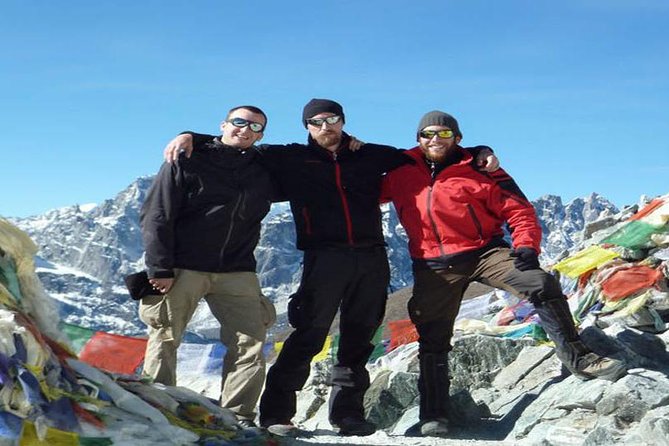
If you’re picturing Everest Base Camp as a wild free-for-all, this setup is the opposite of that. You’re still doing the walking and earning every view, but your day-to-day logistics are locked in: meals, lodge beds, permits, and a guide who’s there to keep your pace realistic.
The most useful part of a good guide on this route is not “someone to talk to.” It’s decision-making. When the body starts saying stop—usually because altitude is doing its thing—you want someone who understands how to adjust. In past journeys with Adventure Bound, guides such as Raji, Raj, Chakra, Santosh, Raman, and others were repeatedly praised for being attentive and resourceful, and for finding solutions when conditions got tricky.
And since this is a private tour/activity, it’s only your group. That means you’re not stuck matching a random pace that may not fit your fitness or comfort level.
You can also read our reviews of more tours and experiences in Kathmandu.
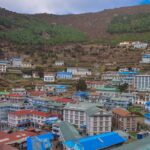
Price and Value: What You’re Actually Paying For
At $1,380 per person for about 12 days, the headline price looks straightforward. The smarter question is what that price covers—and what it doesn’t.
What’s included that usually costs real money on Everest logistics:
- Round-trip flights Kathmandu ↔ Lukla (with departure taxes)
- Airport transfers in a private vehicle in Kathmandu
- Full board meals during the trek (breakfast, lunch, dinner)
- Twin-sharing lodge accommodation during the trek
- A guide (experienced, helpful, friendly)
- First aid kit
- Sagarmatha National Park permit and TIMS fee
- Government taxes and office service charge
What you should budget separately:
- Travel and rescue insurance (not included)
- Personal expenses (phone calls, laundry, bar bills, battery recharge, showers, bottle/boiled water)
- Extra Kathmandu nights if flights shift beyond the scheduled plan
- Porter services (optional)
- Tips for guides and porters
Here’s how I’d think about value: you’re paying for the stuff that can derail your trip—especially permits, planning, and the flight connection to Lukla. If you’ve ever tried to assemble an Everest trek piecemeal, you’ll know how quickly “simple” becomes “spreadsheet and stress.”
Kathmandu Ground Game: Transfers, Timing, and Getting Ready
Your trek is built to start smoothly in Kathmandu. You get private-vehicle airport pickup/drop-off, and then the focus shifts to the domestic flight connection.
This is where you should do one important thing: plan your expectations. Even in high seasons like October and November, Lukla flights may get delayed for hours or cancelled for days due to weather on the mountain airstrip. That doesn’t mean your trek is doomed—it means the first phase of your trip can run on mountain time.
The operator’s guidance is practical: mentally prepare for waits either in Kathmandu or Lukla, and treat some time at the start or end as flexible. If things go sideways and you need urgent movement, a helicopter option can be arranged at additional cost (tentatively $3,000 per lift, up to 5 persons), though weather can still matter.
Lukla to Phakding: Starting Easy, Staying Alert
On your first trek day, you fly to Lukla and then walk to Phakding at 2,652m.
This early stage matters more than it looks. It’s your first chance to:
- test your footwear
- settle your layering system
- learn what “just walking” feels like once you’re at altitude
Phakding is also a gentle entry into the Khumbu rhythm: Sherpa villages, local life, and the kind of trail that makes you notice how the air changes as you climb.
Phakding to Namche Bazaar and the First Acclimatization Reset
Next, you trek up to Namche Bazaar at 3,446m.
The climb here is usually one of the first real “okay, this is higher” moments. It’s not just physical work; it’s also pacing. You’ll feel better when you keep your effort smaller than your ego wants.
Then comes a full acclimatization day at Namche Bazaar (3,446m). This break is not wasted time. It’s what helps your body adjust before the next push higher. On Everest routes, acclimatization stops are your best insurance against feeling wrecked later.
A practical mindset shift: treat the acclimatization day as training for the rest of the trip. You’re learning how to eat well, drink steadily, and move without racing uphill just because you can.
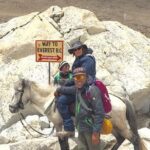
Tengboche and Dingboche: Monasteries, Sherpa Villages, and Higher Nights
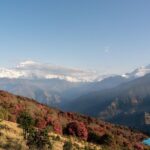
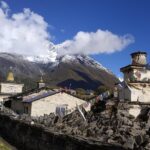
From Namche, you head to Tengboche at about 3,820m. This is where hilltop monasteries and the cultural side of the Khumbu region start to show up more clearly. It also tends to be a day when views get sharper and colder air becomes more noticeable.
Then you trek to Dingboche at 4,410m, followed by another acclimatization day at Dingboche. This second acclimatization stop is a big deal because it sets you up for the higher elevations that follow. By the time you’re at Dingboche, you’re no longer just “walking in mountains.” You’re managing altitude.
If you’re someone who wants proof that a planned schedule is worth it, this is where you feel the difference. A flexible approach helps your guide respond to real conditions, and that can be the difference between cruising and suffering.
Lobuche and Gorak Shep: Where the Trail Gets Serious
From Dingboche, you trek to Lobuche at 4,930m, then continue on toward Gorak Shep at about 5,140m.
This is the zone where the air feels thinner and your day becomes more about rhythm than speed. You’ll likely notice fewer comforts and more emphasis on staying warm.
Gorak Shep is the launching point for your big day: Everest Base Camp.
Everest Base Camp and Kala Pattar: The Payoff, Up Close
One of the core reasons people come here is simple: you walk to a place that feels unreal, then you stand in it.
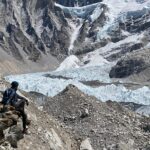
On the day that you go from Gorak Shep up to Everest Base Camp (around 5,364m), you’re in Sagarmatha National Park territory, surrounded by the kind of high-altitude scale that’s hard to describe until you’re there.
Then the next day brings the classic viewpoint at Kala Pattar (5,554m) before you trek back down to Pheriche (4,243m). This combination is smart:
- Base Camp gives you the Everest story you came for
- Kala Pattar gives you those wide, sweeping looks at Everest and nearby 8000-meter peaks
Yes, the climbs feel steep and your legs get cranky. That’s normal. What’s not normal is pushing too hard earlier in the trek. That’s why those Namche and Dingboche acclimatization days matter.
The Descent Back Through Namche and Lukla
After Pheriche, you continue down to Namche (about 2,840m), then on to Lukla (also listed around 2,840m), and finally fly back to Kathmandu (about 1,300m), with a transfer to your hotel.
Descent is its own challenge. Your knees can complain even when altitude is improving. Keep your steps short and controlled. The trick is to stay steady without turning the last days into a speed contest.
If flights shift because of weather, these last days are often when people feel the squeeze. Again: flexibility helps.
Your Best Backup Plan for Lukla Flight Delays
Let’s talk honestly about the biggest operational risk on Everest Base Camp treks: weather at Lukla.
The operator is clear that flights often get delayed by hours or cancelled for a day or few days due to unfavorable conditions, even in popular months like October and November. So what should you do?
- Build some slack into your schedule, especially around the start and end.
- Keep essentials easy to reach if you end up waiting.
- Make sure your travel insurance includes rescue coverage, since rescue isn’t included in the package.
- If you need a rapid escape option, ask about helicopter rescue arrangements. The tentative pricing shared is $3,000 per lift, up to 5 persons, with helicopters available from both Kathmandu and Lukla (though bad weather can still affect access).
This isn’t meant to scare you. It’s meant to keep you from feeling betrayed if the mountain decides to run the timeline.
Guides Who Help You Finish (Not Just Start)
A big pattern in positive experiences is how the guide influences the whole trip. People singled out guide support for:
- organizing accommodations and meals smoothly
- finding solutions when problems popped up
- adjusting the trek plan for safety against altitude sickness
- being patient and attentive during hard stretches
In some cases, trekkers also noted receiving warm down jackets and sleeping bag support during their adaptation process. That’s not listed as a standard inclusion in the package details, so treat it as a “possible” benefit rather than a guarantee—but it’s a good reminder to ask what thermal support you’ll have.
Bottom line: you’re buying more than logistics. You’re buying someone who can keep the trek safe and sane.
Who This Trek Suits Best
This is a moderate-fitness trek. If you can handle daily hiking with altitude gains and don’t expect comfort to be the main event, you’ll likely be a good fit.
It’s also a strong choice if:
- you want a private, fully guided experience
- you prefer having permits, meals, and lodge stays organized
- you’d rather spend energy on walking and acclimatization than planning trains, permits, and lodging
It may not be the best fit if:
- your schedule cannot flex at all due to potential flight delays
- you’re not comfortable with the altitude reality of this kind of trek
- you’re relying on the operator to provide travel and rescue insurance (that’s not included)
Should You Book Adventure Bound for Everest Base Camp?
If you want Everest Base Camp with fewer moving parts, I’d say this is a solid option. The value is strongest when you count what’s handled for you: Lukla flights, permits, full meals during the trek, lodge stays, and a real guide who can adapt. Plus, the strong recommendation rate and consistent praise for guide support are exactly what you want in a trip where weather and altitude can change plans fast.
Before you book, do two things:
- Confirm your insurance covers travel and rescue, since that’s not part of the package.
- Plan for Lukla flight delays by protecting some flexibility at the beginning or end of your Nepal days.
If you can meet it halfway, this trek gives you what you came for: the Khumbu route, the Everest moments, and a guided setup that helps you get there without losing your mind.
FAQ
What cities does the trek start and finish?
You start in Kathmandu and fly to Lukla for the trek. You finish by flying back to Kathmandu, with a transfer to your hotel.
How long is the Everest Base Camp trek?
It’s listed as about 12 days.
Are meals included?
Yes. Full board meals (breakfast, lunch, and dinner) are included during the trek.
What kind of accommodation is included?
You get twin-sharing lodge accommodation during the trek.
Are flights to and from Lukla included?
Yes. Round trip flights Kathmandu–Lukla and Lukla–Kathmandu are included, including departure taxes.
What permits and fees are covered?
Sagarmatha National Park permit fees and the TIMS fee are included.
Is travel and rescue insurance included?
No. Travel and rescue insurance is not included.
What about delays or cancellations for Lukla flights?
Lukla flights can be delayed or cancelled due to weather. You should mentally prepare for waiting in Kathmandu or Lukla. The operator will try to arrange the earliest next flight, but it may not always be possible.
Is helicopter rescue available?
Helicopter rescue can be arranged upon request with an additional cost (tentatively US$ 3,000 per lift for up to 5 persons), depending on conditions.
Is the trip refundable if I cancel?
No. The experience is non-refundable and cannot be changed for any reason.