REVIEW · POKHARA
Annapurna Base Camp Trek (8 days)
Book on Viator →Operated by Nepal_first · Bookable on Viator
Annapurna Base Camp has one of those pull-you-forward vibes. What I like most is how this trek combines real tea-house travel with the big, iconic payoff: sunrise over the Himalayas at ABC. I also like that you’re not left to guess logistics, with permits and logistics handled and a local professional guide from Pokhara, Madu.
The one drawback to plan around is that the trek pace can vary. Even if you book for 8 days, weather and walking speed can mean you finish earlier, and there may not be compensation if that happens.
Key points at a glance
- Local guide, real support: Trek with Madu, a Pokhara-based professional with 10+ years of experience.
- Permits handled: TIMS and Annapurna Conservation Area Project permits are included.
- Tea-house lodging and meals: You get lodging in tea houses during the trek and all meals covered.
- Iconic mountain focus: Expect classic views of Annapurna ranges, including Machapuchare (Fishtail).
- Fully customizable concept: You can shorten, lengthen, or add options like Poon Hill, the Annapurna Circuit, or Mardi Himal.
In This Review
- Pokhara start and Madu’s guiding style (the stress you avoid)
- Walking through the Annapurna Sanctuary: the experience you’re really buying
- ABC sunrise and the tea-house rhythm you’ll feel in your bones
- Machapuchare (Fishtail): a photo stop with real meaning
- Price and logistics: is $650 worth it for this trek?
- How the day-by-day flow usually feels on this ABC trek
- Who should book Annapurna Base Camp with Madu (and who should rethink it)
- Should you book this Annapurna Base Camp trek?
- FAQ
- How many days is the Annapurna Base Camp trek?
- What’s included in the $650 price?
- Do I need trekking gear, or is it provided?
- Are porter services included?
- Is this tour private?
- What is the cancellation policy?
Pokhara start and Madu’s guiding style (the stress you avoid)
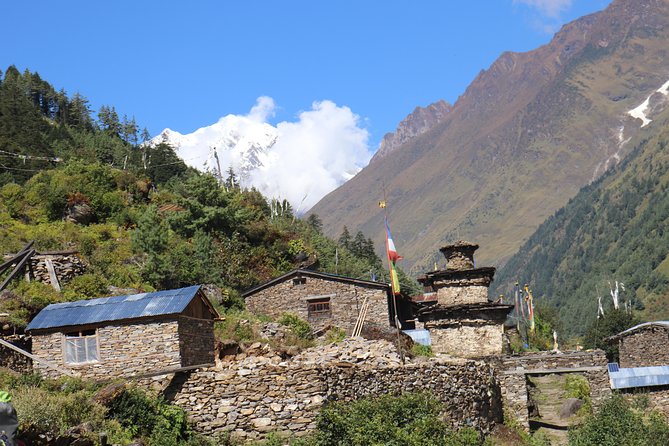
This trek is built around an easy start in Pokhara, with pickup offered and private transportation included. That matters more than it sounds, because trekking trips can fall apart when you’re trying to stitch together transport, permits, and lodging on your own.
Madu is the big reason to feel confident before day one. He’s local to Pokhara and brings 10+ years of trekking and guiding experience, which usually means two things: he knows how to read people (pace, comfort, confidence) and he understands how to keep a trip running smoothly when plans meet weather.
You also get a useful layer of peace of mind: permits and logistics are handled for you. That includes TIMS and the Annapurna Conservation Area Project paperwork. For many first-time trekkers, that alone is worth paying attention to.
What to expect in practice: you’ll be trekking through tea-house country with meals and lodging arranged, and you’ll have a guide who can explain what you’re seeing, plus the surrounding nature and local lifestyle (including Gurung culture).
Walking through the Annapurna Sanctuary: the experience you’re really buying
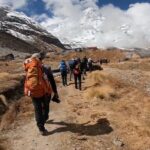
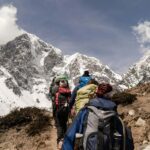
The core of this trip is the Annapurna Base Camp (ABC) trek through the Annapurna Sanctuary. This isn’t just a checklist hike. It’s a multi-day grind that gradually turns into pure mountain focus, with forests, mountain trails, and the rhythm of stopping in tea houses.
The biggest value here is how the trek balances “scenery moments” with “daily-life moments.” You’ll walk through forests and trails, stop into tea houses, and eat local foods along the way. You’ll also meet other trekkers, which adds social energy when the trail is quiet and the views are the same-old-but-also-new each day.
One thing I like about the way this trek is described: it’s not only about reaching ABC. The guide also helps you understand the lifestyle and culture of the Gurung people and the natural world around you. That turns the trip from only photo-based to actually memorable in a deeper way.
Fitness reality check: the trek is described as needing moderate physical fitness. That means you don’t need to be a mountain athlete, but you should expect sustained uphill walking, changing temperatures, and days where you’ll be tired at the end—even if your legs feel okay.
Also keep flexibility in mind. The trek is described as fully customizable. If you want a shorter or longer version, or you want to attach other areas like Poon Hill, the Annapurna Circuit, and/or Mardi Himal, you can ask for changes.
You can also read our reviews of more tours and experiences in Pokhara.
ABC sunrise and the tea-house rhythm you’ll feel in your bones
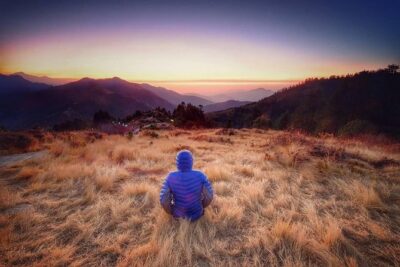
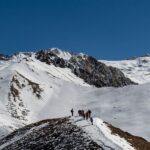
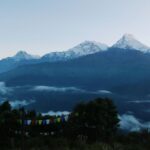
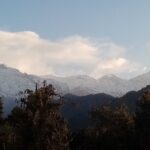
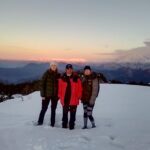
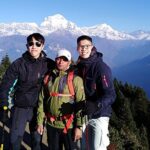
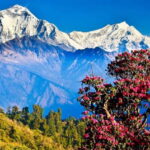
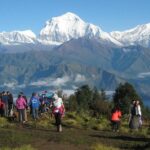
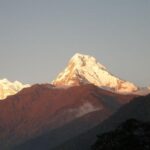
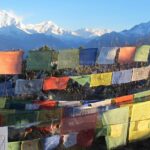
At the end of the journey, ABC delivers the kind of payoff trekkers chase: sunrise cresting over the Himalayan mountains right near base camp. This trek is specifically framed around that moment and the classic sightlines from ABC toward Annapurna South, plus Machapuchare (Fishtail) and other peaks in the Annapurna range.
Here’s what that means for you day to day. You’ll be walking into increasingly dramatic terrain, and the “reward” becomes the slow shift of light—especially when you’re already worn out from hiking all day. Sunrise is often when the whole area feels most alive: the cold air, the early start, the first clear view, and the feeling of finally being there.
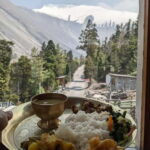
The practical advantage you should care about: tea-house lodging and all meals during the trek are included. That reduces decision fatigue. You don’t have to hunt for food when you’re tired, and you don’t have to worry about finding a place to sleep each night. You can focus on walking, resting, and enjoying the mountain time.
What to watch for: this is a mountain trek in Nepal, and you should expect cold at higher elevations. A review from December notes it can be cold, but also that weather can be clear and sunny. Translation: pack for cold, and be ready for conditions to change. Also remember that the experience requires good weather, so if conditions are rough, your trip might get adjusted.
Machapuchare (Fishtail): a photo stop with real meaning
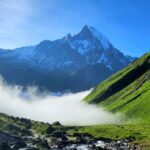
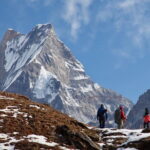
One named stop on this trip is Machapuchare. Most people know Machapuchare as the Fishtail peak because of its distinctive shape. Even when you don’t get a perfect, crisp view, Machapuchare is one of those mountains that anchors your sense of place in the Annapurna region.
Why it’s worth paying attention to: Machapuchare is often where trekkers stop thinking purely in terms of “distance” and start thinking in terms of “this is why we came.” It’s a landmark peak, and the view helps you connect earlier forest and trail sections to the big open high-mountain world ahead.
How to make the most of this stop: take your time. Even if the group is moving, don’t rush through the viewpoints. Enjoy a slow look. If visibility is okay, you’ll want photos. If it’s not, you’ll still get value from the moment of realizing how close you are to the high-altitude zone.
Potential consideration: like many mountain areas, views can be limited by fog or clouds. So if you’re hoping for crystal clarity every day, you’ll want a backup mindset. Sunrise helps, but it can’t control the weather.
Price and logistics: is $650 worth it for this trek?
The price is $650 per person, and it includes several high-value items: private transportation, permits (TIMS and ACAP), tea-house lodging during the trek, and all meals during the trek.
That package matters because trekking can get expensive in messy ways. If you have to pay for permits, scramble for lodging, and keep buying meals, costs climb fast—and stress climbs even faster. Here, the core trekking expenses are bundled into the trip price, so you can plan without guessing too much.
What’s not included is also important for budgeting:
- Trekking gear (you’ll need to bring your own)
- Porter services (so if you want one, you’d need to arrange it separately)
- All fees and taxes
- Personal expenses
Two practical ways to judge value:
- If you’re likely to forget something (like gear or meal planning), included meals and lodging reduce risk.
- If you’d rather not deal with paperwork and route logistics, permit handling and guidance are part of what you’re paying for.
One more note: this is a private tour/activity, meaning only your group participates. That’s often a quieter, less chaotic trekking experience than big mixed groups, especially when you’re coordinating pace and rest breaks.
How the day-by-day flow usually feels on this ABC trek
You asked for a comprehensive view of what’s in it, so here’s the feel of the trek without getting lost in hypothetical details you can’t verify.
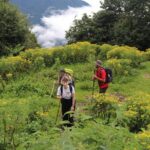
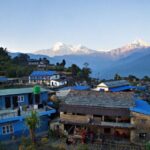
You’ll spend several days walking toward the Annapurna Sanctuary, mixing trail time with tea-house stops. The trek is described as passing through jungles/forests of Annapurna, and it’s built around gradually approaching the higher basecamp zone. Each walking day is paired with a place to rest, eat, and reset for the next morning.
You’ll also get a cultural layer from your guide. The trip mentions learning about Gurung lifestyle and culture, plus the surrounding nature. In practical terms, that means when you pause, you’re not only waiting to “reach the next viewpoint.” You’ll likely be hearing explanations that make the forest edges, settlement areas, and daily routines feel connected to the broader region.
Finally, the ending focus becomes the mountain moment: sunrise and big views from ABC, plus the landmark look at Machapuchare.
The best advice I can give for the ABC experience: keep your pace flexible and listen to your body. The trek can be finished faster than you expect if the group moves quickly, which a past booking experience suggests can happen.
Who should book Annapurna Base Camp with Madu (and who should rethink it)
This tour makes the most sense if you want:
- A guided, logistics-light trek where permits and day-to-day organization are handled
- Tea-house travel instead of camping or complicated systems
- A focus on the ABC sunrise and Annapurna views, with cultural explanations built in
- The comfort of a private format (just your group)
It’s also a good fit if you’re traveling solo or with friends and you want to avoid the pressure of joining a large, inflexible group.
Rethink it if:
- You’re the type who needs exact day counts for timing-sensitive plans. The trip is “approx. 8 days,” and one account notes finishing earlier when the group’s pace allowed it.
- You don’t want cold-weather realities. Cold is common in higher mountain trekking seasons, and weather clarity can vary.
- You expect porter services to be automatically included. Porter services aren’t included, though the provider says they can help you find porter services if needed.
Should you book this Annapurna Base Camp trek?
I’d book it if you want a strong mix of big-mountain payoff and low-logistics stress. The included permits, tea-house lodging, and all meals reduce the “paperwork and planning grind,” and trekking with Madu is clearly a big part of the experience’s positive feel. Past feedback highlights guides being helpful and not pushing people, which is exactly what you want in an exhausting environment.
I’d think twice if you have a hard schedule that depends on exactly 8 days on the trail. Keep your plans flexible, pack for cold, and accept that weather can shape the timing of views.
If you want the best odds of a great ABC experience, do this: confirm what gear you need before you go, plan for chilly mornings, and communicate your pace preferences early so your guide can match the trek to how you actually hike.
FAQ
How many days is the Annapurna Base Camp trek?
The trek is listed as 8 days (approx.).
What’s included in the $650 price?
It includes private transportation, permits (TIMS and Annapurna Conservation Area Project), tea-house lodging during the trek, and all meals during the trek.
Do I need trekking gear, or is it provided?
Trekking gear is not included. You should bring your own gear.
Are porter services included?
Porter services are not included, but the provider says they can help you find porter services if you need them.
Is this tour private?
Yes. It’s a private tour/activity, and only your group participates.
What is the cancellation policy?
Free cancellation is offered. You can cancel up to 24 hours in advance for a full refund, but if you cancel less than 24 hours before the start time, you won’t receive a refund. If it’s canceled due to poor weather, you’ll be offered a different date or a full refund.
If you tell me your travel month and fitness level, I can help you choose what to pack for cold mornings and how to plan the pace so the ABC sunrise moment doesn’t feel rushed.