REVIEW · KATHMANDU
Everest Base Camp Trekking
Book on Viator →Operated by Above the Himalaya Trekking · Bookable on Viator
A 12-day EBC trek starts before dawn. This one is built to keep the hard parts focused on the hiking, not paperwork and guesswork. Sagarmatha National Park scenery, Sherpa culture stops, and a private feel make it more than just a checklist climb.
Two things I especially like: the package includes permits/fees and teahouse lodging, and you trek with a guide plus porters who are set up for high-altitude support. One thing to consider is the mountain itself: cold, simple teahouse living, and altitude risk mean you still need to pace smart and pack well.
You start in Kathmandu with smooth transfers, then move fast to Lukla and your first trail day. I also like that the trip is framed around practical safety—Wilderness First Aid training for the guide and group medical supplies during the trek. Still, it’s not a casual walk; the route is best for hikers with solid trekking experience and a willingness to keep moving day after day.
In This Review
- Key highlights worth planning for
- Everest Base Camp, minus the messy logistics
- Price and value: what you’re really paying for at $1,998
- Kathmandu to Lukla: get ready for the very early start
- Phakding to Namche Bazaar: trail legs and first big views
- Tengboche Gompa: culture, views, and a slower rhythm
- Dingboche, Duglha, and Lobuche: the altitude test starts to feel real
- Gorakshep, Everest Base Camp, and Kalapatthar: your two signature days
- The descent plan: Pheriche to Tengboche to Monjo to Lukla
- Teahouses and meals: comfort math in the Himalaya
- Altitude safety: pacing, acclimatization, and trained support
- Packing the right way: the 15 kg rule and gear reality
- Who this Everest Base Camp trek suits best
- Should you book this Everest Base Camp trek?
- FAQ
- What is the duration of this Everest Base Camp trek?
- Where does the trek start and end?
- Is pickup and transportation included?
- Are permits and park fees included in the price?
- Is accommodation included during the trek?
- What meals are included?
- Is there a guide and porters?
- What is not included in the price?
- What should I bring for the trek?
- Do I need travel insurance?
Key highlights worth planning for
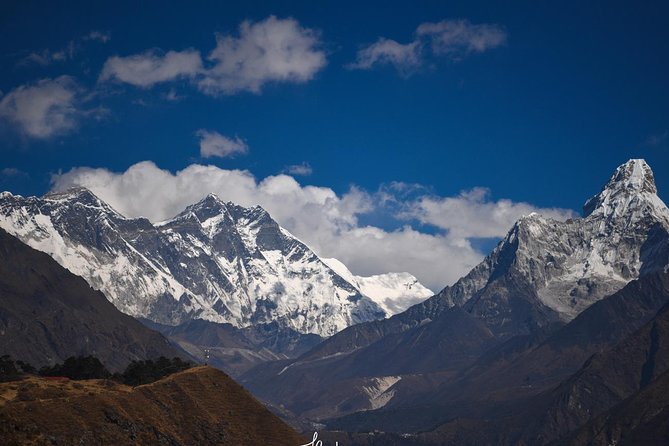
- Permits and Sagarmatha National Park fees included so you don’t need to chase documents mid-trip
- Teahouses and most meals included, chosen from the menu each day
- Guide with Wilderness First Aid and altitude sickness training, plus porters for extra support
- Acclimatization built in at Namche Bazaar, not just a long grind upward
- Kalapatthar and Everest Base Camp as the two big picture days
- Owner-run responsiveness, with the team led by Puru
Everest Base Camp, minus the messy logistics
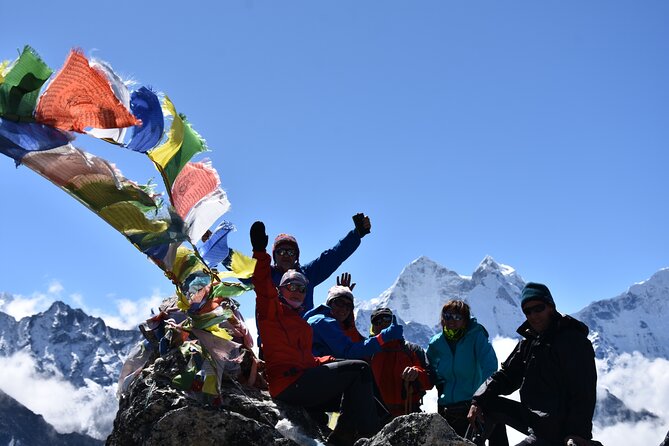
Everest Base Camp is iconic, but the real value of a guided trek is usually boring stuff: permits, timing, route flow, and who handles what when the weather or trail conditions change. This trip is designed so you can spend your energy on footwork and staying steady—rather than trying to coordinate every detail yourself.
It’s also explicitly private, meaning you’re not being squeezed into someone else’s group rhythm. That matters on EBC, where pacing and breaks can make the difference between feeling fine and feeling wrecked. You’ll also get teahouse stays along the way, so you’re not thinking about camping gear every night.
A final practical plus: transfers are included by private vehicle, and you’re given a mobile ticket. That helps reduce the “where do I stand?” moments that can happen when you’re moving fast through Kathmandu and the airport area.
You can also read our reviews of more tours and experiences in Kathmandu.
Price and value: what you’re really paying for at $1,998
At $1,998 per person for about 12 days, the headline cost can feel high until you see what’s bundled. This isn’t just a guide and a dream—it includes:
- Airport/hotel/airport transfers by private vehicle
- Comprehensive pre-departure info and trip dossiers
- Teahouse/lodge accommodation during the trek
- Daily meals chosen from the menu (breakfast, lunch, dinner)
- Sagarmatha National Park fees and TIMS card fee
- Guide, porters, and their food/accommodation/salary/equipment/accidental insurance
- Government paperwork service charge and taxes
What’s not included is equally important for value: international flights, Nepal entry visa fee, travel insurance (which is essential, especially for emergency evacuation), and personal extras like drinks, hot showers, and laundry. Tips for staff and drivers are also not included.
So I’d frame the cost like this: you’re paying to make the trek logistically smooth, keep your daily needs handled, and reduce risk from missing paperwork or unclear staffing. If you like freedom but don’t want logistical chaos, the value is real.
Kathmandu to Lukla: get ready for the very early start
Your meeting point is in Thamel, Kathmandu, with a start time of 1:15 am. That early wake-up is not a gimmick; it’s how you match flights to the day’s schedule and avoid wasting daylight on transfer delays.
From Kathmandu, you fly to Lukla in about 25 minutes, then trek onward to Phakding for around 3 to 4 hours on Day 1. In other words, you’re compressing travel time and stretching the trekking time into the mountains where it belongs.
Transfers are handled by private vehicle, so you’re not hunting taxis at 2 am with a duffel bag and vague directions. And since the trip includes the necessary paper work, you’re less likely to get stuck at checkpoints when you’re already carrying enough physical stress.
Practical tip: plan to keep your pack light. The trek bag should weigh no more than 15 kg, and you’ll want your shoe wear and rain-ready setup to be solid right away.
Phakding to Namche Bazaar: trail legs and first big views
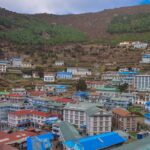
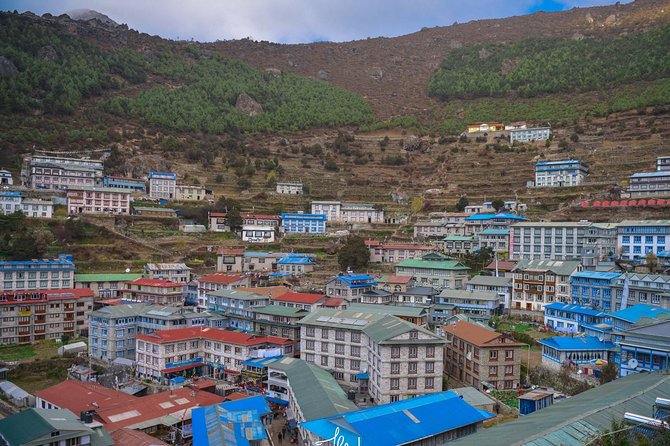
Day 2 takes you from Phakding to Namche Bazaar, about 3 to 4 hours of trekking, with the day still feeling full once you arrive and settle into teahouse life. Namche is one of those places where the altitude hits and the culture shows up fast: you’ll feel the “Everest zone” energy without being at Base Camp yet.
Day 3 is built for acclimatization at Namche Bazaar, with a short 2-hour component. That might sound brief, but it’s the kind of pause that helps your body adjust before the higher country. EBC climbs can wreck you when you treat every day like Day 1. This is one of the smarter moves in the whole plan.
One reason I like this structure: it gives you permission to be human. You’re not just marching upward because the itinerary says so. You can adjust your breathing, slow down, and start learning how your body responds at altitude.
Tengboche Gompa: culture, views, and a slower rhythm
From Namche, the next key stop is Tengboche Gompa (listed as trekking from Namche to Deboche on Day 4). You’ll trek from Namche Bazaar to Deboche in about 4 to 5 hours, then sleep in a teahouse.
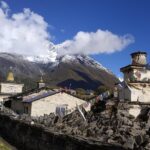
For many trekkers, Tengboche area is where the trip turns from “climb mode” into something more spiritual and scenic. You’re not just gaining elevation; you’re also seeing how Sherpa communities live with the mountains so close they feel like neighbors.
Day 5 continues deeper toward higher villages: Deboche to Dingboche takes about 5 to 6 hours. Dingboche is typically where trekking becomes more exposed—more wind, more cold, more need to manage layers.
If you like having a place to slow down and absorb details, this mid-trek section is where that happens. The tradeoff is that it also sets up the tougher days ahead, so don’t treat it like a vacation walk.
Dingboche, Duglha, and Lobuche: the altitude test starts to feel real
After Dingboche, your route includes Duglha (Day 6 trekking from Dingboche to Duglha, about 3 to 4 hours). Duglha is listed near 4,940 m / 16,207 ft, and that number matters. At this point, your breathing becomes part of the work, not a background detail.
The itinerary then routes you toward Lobuche, with a segment noted as Duglha to Lobuche. Lobuche is one of the staging points before the big push to Gorakshep and Everest Base Camp.
What I find useful about this section is the pacing. Some days are longer, some are shorter. That creates a rhythm where you can keep moving without pushing every single hour.
Also, this is where the guide and staffing structure starts to pay off. When altitude discomfort creeps in, having trained support and a plan for basic first aid and altitude sickness awareness is not theoretical—it’s practical.
Gorakshep, Everest Base Camp, and Kalapatthar: your two signature days
This is the part you came for.
From Lobuche to Gorakshep, you’ll tackle a day built around Everest Base Camp and return to Gorakshep. The total time is listed at about 6 hours, with teahouse lodging again. You’ll get the moment: walking up to Base Camp and taking in the scale of the mountain from its footzone.
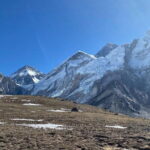
Then comes Day 8: Gorakshep to Kalapatthar for Everest views, and then further trek back to Pheriche. This segment is about 6 to 7 hours. Kalapatthar is famous for a reason: it gives you that “I’m finally high enough” feeling, even if you’re not going to the summit.
Two practical things to keep expectations in check:
- Views depend on weather. Cloud cover can happen.
- The altitude makes every decision feel more intense. Move carefully, hydrate, and don’t race to be first at any viewpoint.
The included meals and teahouse stays matter here because after a long, high day, you need recovery that’s already handled.
The descent plan: Pheriche to Tengboche to Monjo to Lukla
After the big high points, the trip shifts into return mode, but it’s not a free fall. Day 9 is Pheriche to Tengboche, about 5 to 6 hours. Day 10 continues Tengboche to Monjo for about 5 to 6 hours.
Monjo is where the air starts to feel more forgiving. Still, your legs will be working hard—downhills can beat up knees and ankles even when your heart rate cools down. This is also when smart pacing matters most. You want to finish strong, not just finish.
Day 11 brings Monjo to Lukla at about 4 to 5 hours, followed by the final Day 12 flight back to Kathmandu.
One reason I like the way this trek is structured is psychological: you go up with acclimatization built in, hit the signature days, then work your way back with clear steps. That kind of closure helps you stay calm about what comes next.
Teahouses and meals: comfort math in the Himalaya
This trip includes teahouse accommodation and most meals—breakfast, lunch, and dinner during the trek are chosen from the menu. That takes pressure off decision-making when you’re tired and cold.
But I want you to know what’s not included: hot and cold drinks, hot water, and hot showers are not included. That means you’ll likely be dealing with basic bathing and cold water realities depending on the lodge and day. Laundry and other personal costs are also on you.
So here’s the comfort math I recommend:
- Pack a thermally smart layer setup so you’re warm even when the lodge is basic.
- Plan to treat showers as a bonus, not a promise.
- Budget money for snacks and drinks if you want them beyond included meals.
Also, teahouses aren’t the same everywhere. Expect simple rooms, shared rhythms, and meals that keep you fueled rather than wowed.
Altitude safety: pacing, acclimatization, and trained support
Altitude isn’t something you can out-courage. This itinerary builds in at least one explicit acclimatization day at Namche Bazaar, and it keeps the overall climb in stages instead of yanking you higher nonstop.
You’ll also be hiking with a government license holder experienced trekking guide trained in Wilderness First Aid and altitude sickness. Plus, there are group medical supplies carried for you during the trek.
The staffing model is also worth noting: porters are included with a ratio of 1 porter for between 2 trekkers. That doesn’t mean you can pack like you’re moving houses, but it can save your back during the toughest days.
If you’re the type who likes control, private trekking can feel reassuring: you can go at your pace without a forced pace line. Just remember your pace needs to be altitude-friendly, not just ego-friendly.
Packing the right way: the 15 kg rule and gear reality
This trip comes with a packing framework, and it’s one of the most practical parts of the whole experience. Your packed trek bag should be no more than 15 kg (about 33 pounds). Bring gear that keeps weight down and warmth up.
From the provided checklist, these items are genuinely high-use on this kind of trek:
- Waterproof high-ankle trekking shoes with good grip
- A reliable down jacket or Gore-Tex heavy jacket
- Fleece layers for temperature swings
- Thermal inners and enough socks
- Walking stick (they recommend at least one)
- Sun protection: hat/cap and sun protection cream
For winter conditions (or just cold nights), glove and hat choices matter. Cold hands can ruin your motivation faster than you’d think. Camp shoes are useful indoors in lodges if you want your main boots to dry.
Also, keep your pack system simple. You’ll likely be moving between teahouses daily, so you want your “grab and go” layers accessible.
Who this Everest Base Camp trek suits best
This trek is labeled best suited for people with hiking experience. It also calls for moderate physical fitness.
I think it’s a good fit if:
- you want the adventure but don’t want to manage permits, logistics, and lodge bookings yourself
- you’re comfortable with teahouse basics and cold-water reality
- you want staff support and trained guidance for altitude awareness
It may be less ideal if you’re expecting a low-effort trek or luxury travel. This is a trekking trip. The comfort here comes from smart planning and included essentials, not from five-star rooms.
Should you book this Everest Base Camp trek?
If you want Everest Base Camp with fewer moving parts, I’d say yes—with a couple of caveats.
Do book if you value included permits/fees, teahouse lodging, and most meals, and if you appreciate a structure that supports altitude pacing (especially the Namche acclimatization stop). This is also a strong choice if you’d rather trek in a private group with clear guidance and porter support.
Hold off if you know you’re not ready for daily trekking, or if you’re missing the basics for cold weather and foot care. And please treat travel insurance with emergency evacuation coverage as non-negotiable for trekking up to 5,500+ meters.
FAQ
What is the duration of this Everest Base Camp trek?
The trek is listed as 12 days (approx.), ending back in Kathmandu after the Lukla flight.
Where does the trek start and end?
It starts at Thamel, Kathmandu, Nepal and ends back at the same meeting point in Kathmandu.
Is pickup and transportation included?
Yes. Airport / Hotel / Airport transfers by private vehicle are included.
Are permits and park fees included in the price?
Yes. Sagarmatha National Park fees and the TIMS card fee, along with necessary paper work and government taxes, are included.
Is accommodation included during the trek?
Yes. The trek includes teahouse/lodges accommodation during the trekking days.
What meals are included?
Daily meals are included from the menu during the trek: breakfast, lunch, and dinner (with breakfast also explicitly listed as included).
Is there a guide and porters?
Yes. The tour includes a trekking guide trained in Wilderness First Aid and altitude sickness, plus porters (with a ratio of 1 porter for between 2 trekkers).
What is not included in the price?
Not included: alcoholic and non-alcoholic drinks, hot water, hot showers, personal expenses, tips for staff, personal gear, Nepal entry visa fee, and international airfare.
What should I bring for the trek?
The provided checklist includes a pack size guideline (60–70L), waterproof trekking shoes with spare laces, camp shoes, layers such as fleece and a down or Gore-Tex heavy jacket, thermal inners, gloves, a sun hat or cap, and a walking stick.
Do I need travel insurance?
Travel insurance is listed as essential. The details provided state it should include emergency evacuation coverage while trekking up to 5,500+ meters.