REVIEW · SA PA
EXPLORE SAPA: 2D1N TREKKING & HMONG CULTURE WITH DINH
Book on GetYourGuide →Operated by Dinh Sapa Trekking Adventures · Bookable on GetYourGuide
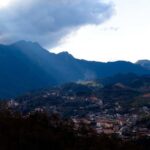
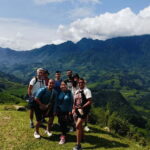
One strong hike, two village days, and a night in a real home. This 2D1N Sapa trek with Dinh (a Hmong woman in Ta Van village) pairs big views—rice terraces, bamboo paths, and the Giang Ta Chai waterfall—with hands-on village life and culture you can actually talk about.
Two things I really love: you get a 1-night homestay with Dinh’s family (including time to rest, a hot shower, and a relaxed evening), and the food is proper home cooking—big, fresh meals plus a simple cooking session with her family. For culture, Dinh shares her own path and daily life, not just facts you can read on a sign.
One drawback to plan for: the route is mostly walking time with moderate distances, and if you’re on a tight bus schedule, the tour can sometimes run later than the target end time—especially with larger groups.
In This Review
- Key Things That Make This Trek Worth Your Time
- Meeting Dinh: Why This Trek Feels Like a Real Connection
- Your Route Through Sapa’s Villages: The 2D1N Pace Explained
- Day 1: Sapa to Ta Van via Y Linh Ho and Lao Chai
- What Day 1 Gives You
- Cooking Class Evening and Family-Style Dinner
- Why This Evening Is a Highlight
- Day 2: Bamboo Forests, Terraced Fields, and Giang Ta Chai
- When Day 2 Might Feel Longer
- Rice Terraces, Waterfalls, and the “Why” Behind the Walking
- Food on the Trek: More Than “Included”
- A Comfort Bonus After Hiking
- Price and Value: Is $46 a Good Deal for 2 Days?
- Bag Logistics: How Not to Carry Everything Up the Mountain
- Group Size Reality: Friendly, But Manage Your Timing
- Who Should Book This Trek (and Who Should Skip It)
- Should You Book Dinh’s 2D1N Trek and Hmong Homestay?
- FAQ
- FAQ
- What time does the tour start, and where will Dinh meet me?
- How long and how far is the hike on Day 1?
- How long and how far is the hike on Day 2?
- Is there a homestay included for one night?
- What meals are included in the price?
- What about village entry fees?
- Can you help with transporting large bags during the trek?
- Is swimming allowed at the Giang Ta Chai waterfall?
- Are alcohol or drugs allowed during the tour?
Key Things That Make This Trek Worth Your Time
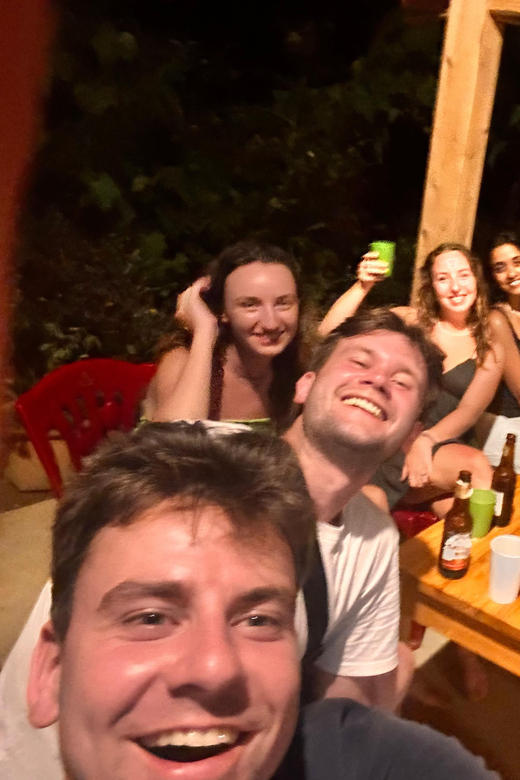
- Dinh as your guide and host: energy, stories, and a personal connection to the Hmong community
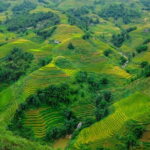
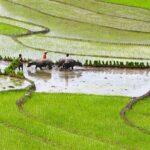
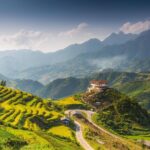
- Rice terraces on Day 1: Y Linh Ho and Lao Chai bring you close to the stepped fields
- Bamboo forest + Giang Ta Chai waterfall: cooler air, real trail walking, and an optional swim
- A homestay night that feels like family life: meals, conversation, and a chance to join in
- Village entry fees and meals included: you’re not nickel-and-diming every stop
- Bag help for big packs: you can often keep the heavy stuff off the trail
Meeting Dinh: Why This Trek Feels Like a Real Connection
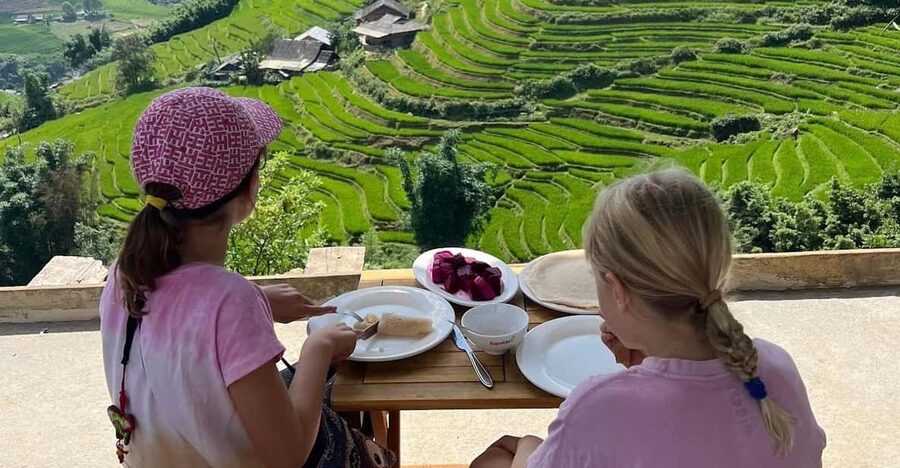
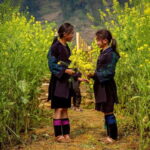
You don’t come to Sapa just for scenery. You come because the hills are full of people living everyday life with routines that don’t pause for tourists.
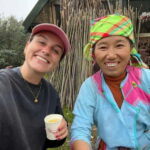
With Dinh, the trip works because she’s both guide and host. She’s from Ta Van village and lives the culture she explains. That matters on a two-day trek, because you have plenty of time for conversation—when you’re walking, eating, and relaxing after dark.
Also, Dinh’s personality is part of the value. In reviews, people repeatedly mention her strong energy and how she keeps things fun while still staying organized. You’ll likely feel less like a passive spectator and more like someone being shown around by a person who genuinely cares.
You can also read our reviews of more tours and experiences in Sa Pa.

Your Route Through Sapa’s Villages: The 2D1N Pace Explained
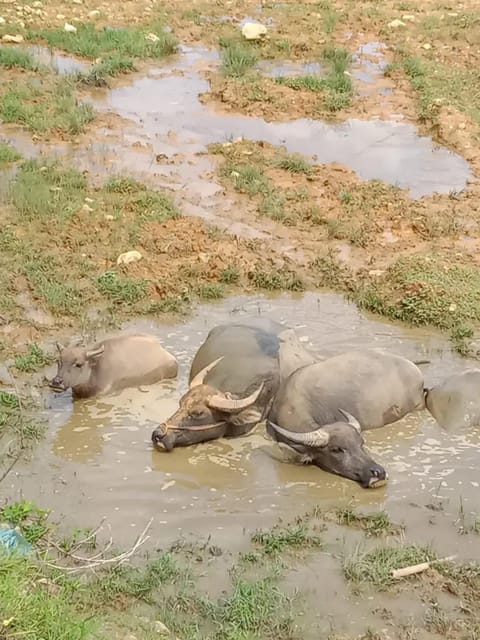
This is a 2 days / 1 night trek. You’ll walk two main stretches and spend the night with Dinh’s family in Ta Van. Expect a moderate pace—enough hiking to feel it in your legs, but not so extreme that it turns into a survival exercise.
Day 1 is longer: about 9–11 km over roughly 5.5 hours. It starts at 9:00 AM, with pickup at your hotel in Sapa Town or in front of the local main church.
Day 2 is a bit shorter at about 7–8 km for roughly 5 hours, with a mid-morning start from the homestay area. The trip wraps up between 2:00 and 3:30 PM, though it can stretch later with bigger groups.
A practical note: even when the schedule is set, valley trails and village logistics move at human speed. If you have a strict deadline, build in a buffer.
Day 1: Sapa to Ta Van via Y Linh Ho and Lao Chai
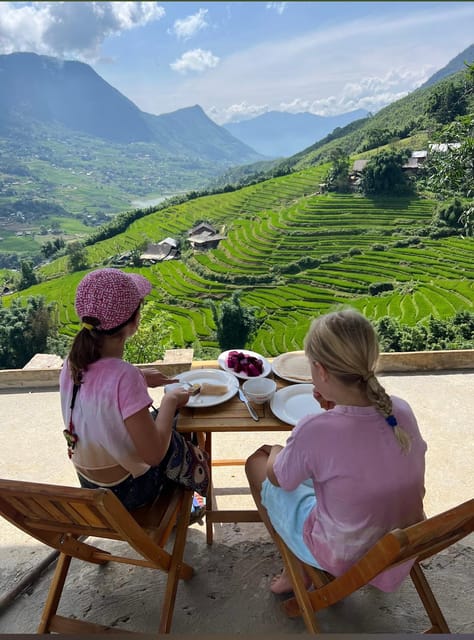
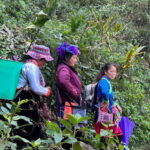
Day 1 starts with walking downhill through Y Linh Ho village. This is where you start to feel how Sapa works on foot—paths that cut between rice and homes, and views that open up in short bursts instead of one big, dramatic pull-out.
You’ll also stop for lunch at a small traditional restaurant run by a Hmong family. This isn’t a fancy tourist buffet. It’s a normal meal in a normal place, which is exactly why it tastes better than you expect.
After lunch, the route continues to Lao Chai, described as one of the oldest and largest Hmong villages in the area. Here, the talking has a purpose: Dinh shares cultural differences among ethnic groups, and you can ask questions while walking between homes and fields.
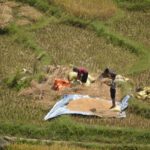
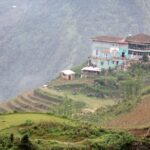
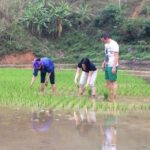
Next, you head toward Ta Van Village, home to Giay and Hmong ethnic minorities. Depending on the season, you might see locals working—planting or harvesting rice. Even if the fields aren’t in full action mode, you’ll still see how agriculture shapes the daily rhythm.
By the time you reach the homestay, you’re done with trail time and ready for a reset. The plan includes rest, a hot shower, and time to relax before the evening activities.
What Day 1 Gives You
Day 1 is where the trek becomes more than exercise. You connect the dots between rice terraces, villages, and the people who live with the terrain every day.
And it’s also when you get the first real dose of Dinh’s storytelling, which makes Day 2 easier to understand. Once you hear how her community lives, the next set of paths makes more sense.
Cooking Class Evening and Family-Style Dinner
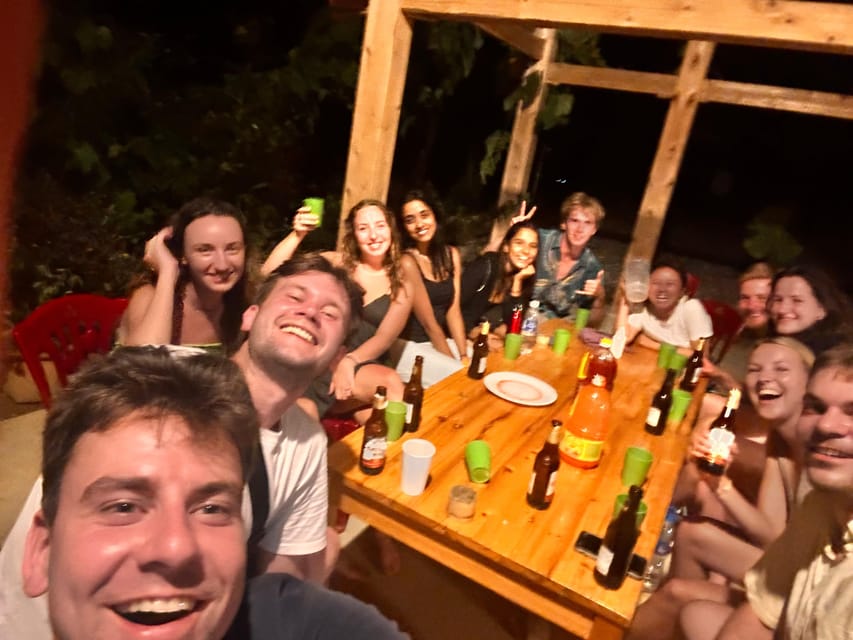
Evening at the homestay is part celebration, part culture lesson. After resting, you can join an informal cooking class with Dinh’s family to prepare the traditional dinner.
Dinner is a home meal with a Hmong feel, and Dinh also shares her personal story. One detail people remember: her work supporting local children’s education, including a story about supporting 10 local children through proceeds from the tours.
There’s also a welcome moment from kids in the family area. In reviews, people mention a traditional dance performed to greet guests, and then time to interact—playing with the kids and joining fun games.
One thing to keep in mind: the tour description mentions a game involving Happy Water, which is local rice wine. At the same time, the activity information says alcohol is not allowed. So if you’re planning around that, treat the safest approach as asking Dinh directly how the game works in practice for your group.

Why This Evening Is a Highlight
A lot of treks stop at a photo and a meal. This one gives you a chance to participate. That’s why people tend to call the homestay experience one of the best parts.
Also, small comfort details help a lot after hiking. In at least one review, people praised heated blankets in the homestay rooms, which can make a chilly mountain night much more bearable.
Day 2: Bamboo Forests, Terraced Fields, and Giang Ta Chai
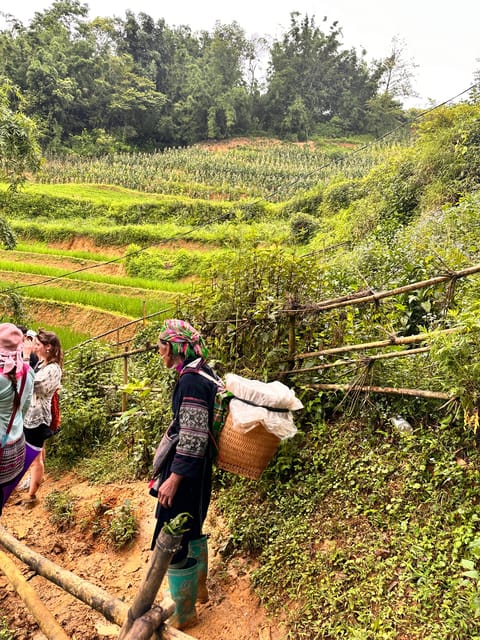
Day 2 starts gently: you have hot coffee or tea with a calm homestay morning. Then comes breakfast, and you head out on foot again.
The route moves through bamboo forests and terraced rice fields. This is a nice change from Day 1 because you get more variety in what you walk through—shaded paths, open field edges, and viewpoints that pop in and out as you descend.
Soon you reach the waterfalls of Giang Ta Chai. This is one of the headline moments on the itinerary. The optional swim is there if conditions feel right and your group wants to take the plunge.
Even if you don’t swim, it’s still a powerful break from stepping. Waterfalls add sound, cool air, and a sense that you’re far enough off the road to feel the mountains up close.
After the waterfall area, the trek enters the Red Dao ethnic area before you head back toward the main road. Then you’ll have a final lunch and take a taxi back to Sapa.
When Day 2 Might Feel Longer
Your plan says the tour ends between 2:00 and 3:30 PM. But on at least one real-world example, a larger group meant lunch took longer and bag transport took extra time, so the end time ran more like 4:30 PM.
So if you need to catch a bus soon after, build slack into your day. A free buffer hour is a good habit in Sapa.
Rice Terraces, Waterfalls, and the “Why” Behind the Walking
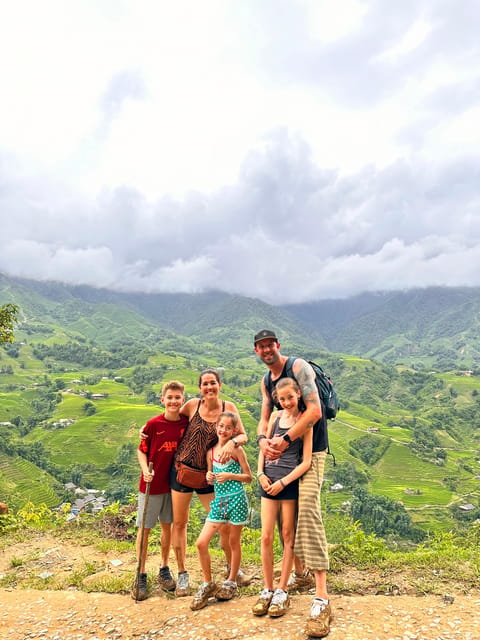
It’s easy to see the photos and assume it’s all about views. The better angle is: these trails connect agriculture and homes.
The terraces aren’t just pretty. They’re how people farm on steep slopes. When you hike through them, you see why routes have winding paths and why villages sit where they do.
The bamboo forest adds a different flavor. It’s quieter, cooler, and more enclosed than the open fields. It also helps you shift gears mentally between village stops.
And the waterfall is a natural reset point. You get water, a break in pace, and a chance to cool down before the Red Dao area and return to the road.
Food on the Trek: More Than “Included”
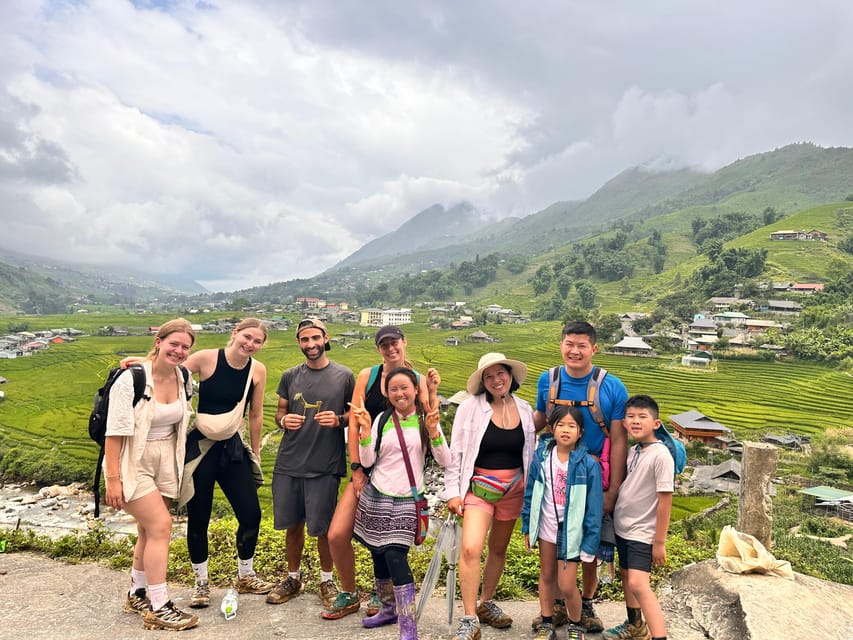
Meals are not an afterthought here. You get 2 lunches, 1 dinner, and 1 breakfast, and you also receive drinking water (a big bottle per person per day).
Food is described as delicious and plentiful in reviews. People also call out the cooking session as a memorable part, because you’re not only eating the meal—you’re making part of it.
If you’re picky, it’s still worth going in with the expectation that this is home cooking, not a Western menu. You’ll likely get a mix of local dishes, and it will taste better because you’re eating it in the places where it’s actually prepared.
A Comfort Bonus After Hiking
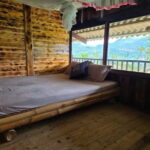
Night in the homestay isn’t just “a bed.” You get time to recover, wash up with a hot shower, and in some stays, you’ll find extra warmth like heated blankets. That makes a difference when you’re trekking in cool mountain weather.
Price and Value: Is $46 a Good Deal for 2 Days?
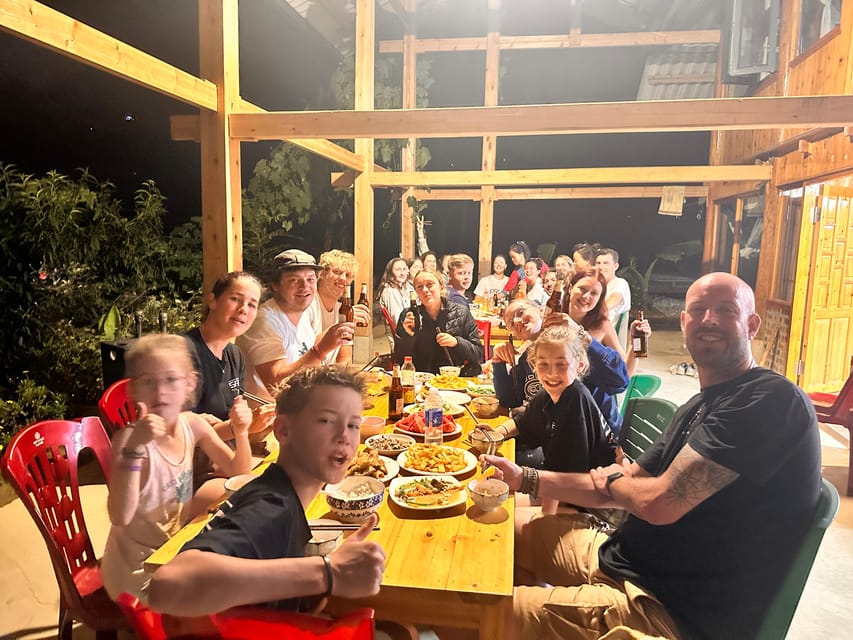
At $46 per person for 2 days and 1 night, this trek usually looks like a budget-friendly way to do the Sapa villages. But the real question is value—what you’re getting for that money.
You’re paying for:
- A local guide for the full trek
- Village entry fees for 4 villages
- All meals listed (2 lunches, 1 dinner, 1 breakfast)
- A homestay with a family
- Transport back to Sapa after the hike
That bundle matters because many Sapa experiences force you to pay extra for entry fees, guides, and food. Here, the basic costs are already covered, and your money goes into local operations instead of a purely tourist supply chain.
Also, Dinh’s story and support for education is tied into the tour income. Even if you don’t care about that angle, it’s still a signal that your booking helps keep local life running in a way outsiders can’t replicate.
Bag Logistics: How Not to Carry Everything Up the Mountain
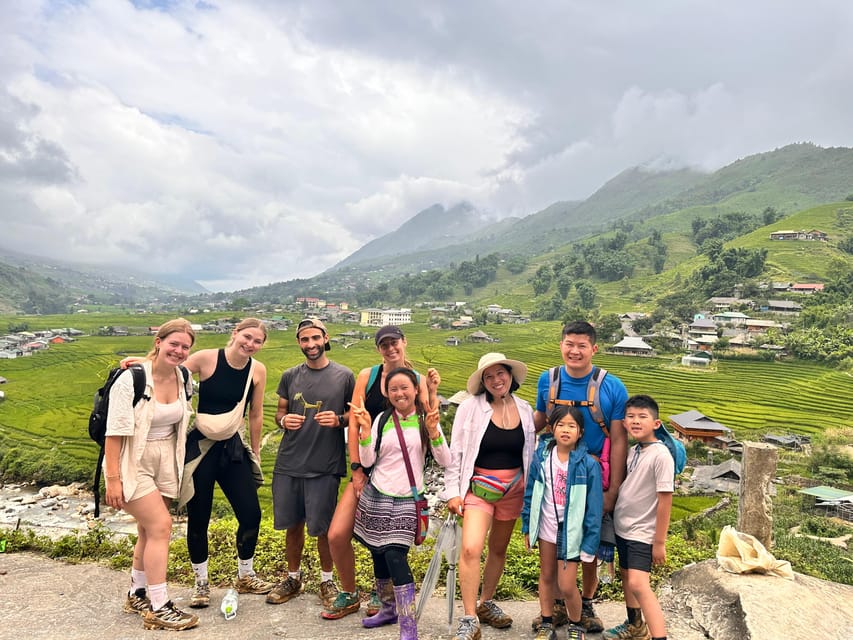
Sapa trails can punish heavy bags. The good news: you won’t necessarily need to haul your whole life on your back for two days.
For big bags, you can ask your hostel if they’ll let you leave them. If that’s not an option, the tour can help transport larger items to the homestay area so you only carry essentials during hiking.
The key items to plan on carrying yourself include water, sunscreen, and mosquito spray. Those aren’t optional in the hills, and your day will feel easier if you’re ready before you start climbing and descending.
If you have an early bus or a tight departure day after the trek, do not assume bag transport will be instant. In one example, transporting bags contributed to the tour ending later than expected.
Group Size Reality: Friendly, But Manage Your Timing
The experience is family-run, and that’s the charm. But you should know that group size can affect pace—especially around lunch timing and getting everyone back to the main road.
One review mentioned Dinh managing a larger-than-usual group, and it still worked out. Still, the practical lesson is simple: keep your schedule flexible and don’t stack your next activity too tightly after the trek’s planned end time.
The good news is that Dinh’s role is active—she’s not just pointing you down a trail. That helps when something runs behind, because you’re not left guessing.
Who Should Book This Trek (and Who Should Skip It)
This experience is a strong fit if you want:
- A real homestay rather than a generic “sleep here” arrangement
- Culture explained through daily life, not only museum-style facts
- A moderate walk with standout moments like Giang Ta Chai waterfall
- Great meals and a warm host who wants you comfortable
It may not be the best fit if you:
- Need an extremely precise finish time for the next day
- Don’t handle cooler mountain nights well (even though extra warmth may be available)
- Are looking for a very easy, flat walk
Also, the tour is stated as not suitable for people over 95 years. If you’re in a different mobility situation, it’s smart to ask Dinh directly how she expects your group to pace.
Should You Book Dinh’s 2D1N Trek and Hmong Homestay?
If you want Sapa beyond the main strip, this is one of the best ways to do it. The mix of rice terraces, bamboo paths, and a waterfall stop is great exercise, but the real win is that you sleep and eat with Dinh’s family.
Book it if you’re curious about Hmong culture as lived reality—food, daily routines, village life, and Dinh’s own story. And if you can keep a little slack in your schedule for timing and bag logistics, you’ll enjoy the trip even more.
One final practical check: pack for walking and for a mountain evening. Then show up open to questions. Dinh’s tours work best when you treat the homestay like a friendship, not just a ticket.
FAQ
FAQ
What time does the tour start, and where will Dinh meet me?
The tour starts at 9:00 AM. Dinh will meet you at your hotel in Sapa Town or in front of the local main church.
How long and how far is the hike on Day 1?
Day 1 includes a trek of about 9–11 km and takes around 5.5 hours, going from Sapa through Y Linh Ho and Lao Chai to Ta Van.
How long and how far is the hike on Day 2?
Day 2 is about 7–8 km and takes roughly 5 hours, trekking from Ta Van through bamboo forests and terraced rice fields toward Giang Ta Chai, then onward to the Red Dao ethnic area before returning to the main road.
Is there a homestay included for one night?
Yes. You stay 1 night in a homestay with Dinh’s family in Ta Van.
What meals are included in the price?
You get 2 lunches, 1 dinner, and 1 breakfast. The tour also includes drinking water (one big bottle per person per day).
What about village entry fees?
Village entry fees for 4 villages are included.
Can you help with transporting large bags during the trek?
Yes. You can ask your hostel to store big bags and bring only essentials for the trek. If you can’t store bags, you can ask for help transporting them to the homestay area so you don’t have to carry everything on the hike.
Is swimming allowed at the Giang Ta Chai waterfall?
Swimming at the Giang Ta Chai waterfall is described as optional.
Are alcohol or drugs allowed during the tour?
No. The tour information states that alcohol and drugs are not allowed.