REVIEW · SA PA
Sa Pa: Muong Hoa Valley Trek and Local Ethnic Villages
Book on GetYourGuide →Operated by Vietnam Nomadtrails · Bookable on GetYourGuide
Sa Pa’s Muong Hoa Valley trek is the kind of day that stays with you. This 6-hour outing pairs 10 km of real footpaths with village visits like Lao Chai and Ta Van Giay, plus a lunch in a local home. I like the way the route moves from rice terraces through river crossings and bamboo forest, and I love that English guides (often names like Khu or Chai) keep things human and understandable. The main consideration is timing and footing: in wet weather, sections can get VERY muddy and slippery, so you need solid grip shoes and good balance.
The small-group size (up to 11 people) makes the experience feel paced, not rushed. You’ll also get a practical dose of how people live here—right down to the hand-on-support moments when the trail turns steep and slick. If you’re hoping for flat, easy walking, plan carefully, because this is a proper trek, not a stroll.
In This Review
- Key things I’d circle before you go
- From Sa Pa to the first steps: mist, terraces, and a river crossing
- What to watch for right away
- Lao Chai and Ta Van Giay: Hmong village life and the meaning of the route
- Along the Muong Hoa River to the suspension bridge
- If you’re worried about heights
- Ancient rock carvings: when the trail turns archaeological
- Lunch in a local home: the part that fixes your energy
- A practical tip
- Bamboo forest to Giang Ta Chai: Red Dao culture and a waterfall rest
- Safety and comfort: the mud reality and how to prepare
- What to pack (and why)
- Who should be extra cautious
- Price and value: why about $23 can still feel fair
- Choosing your guide: small group pacing and what quality looks like
- Should you book this Muong Hoa Valley trek?
- FAQ
- How long is the trek and how long is the full tour?
- Is hotel pickup included?
- What’s included in the $23 price?
- What should I bring for the hike?
- What language options are available?
- Is the tour suitable for children or people with disabilities?
- What happens if the weather is muddy or rainy?
- Is there a Lunar New Year surcharge?
Key things I’d circle before you go
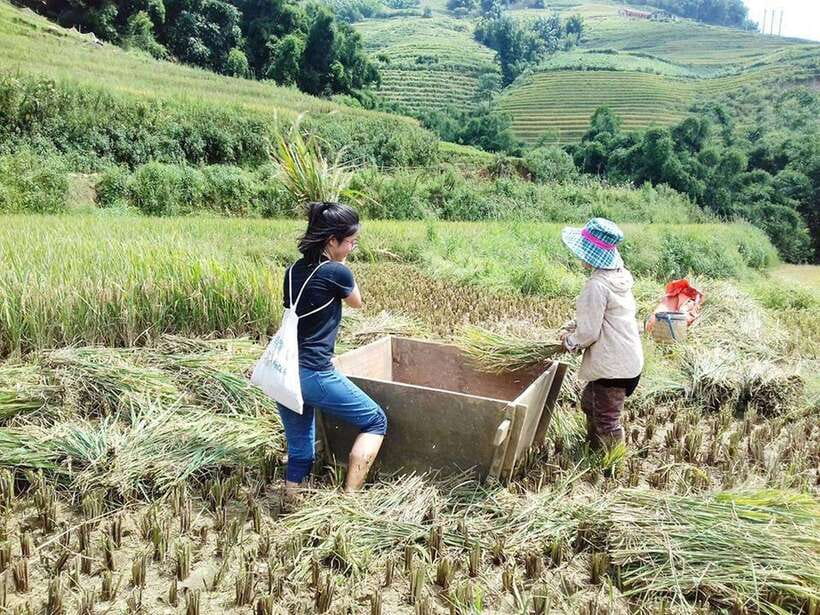
- English guide support in plain terms: you get context on villages, daily life, and what you’re seeing, not just a route description
- Rice terraces and mist views early on: the valley often looks soft and layered as you walk toward the villages
- Muong Hoa River crossings and suspension bridge: the trail changes feel as you move along the water
- Ancient rock carvings stop: you don’t just pass scenery—you get a chance to look closely
- Bamboo forest + Red Dao village time: the route keeps switching terrain and culture, including a waterfall break
From Sa Pa to the first steps: mist, terraces, and a river crossing
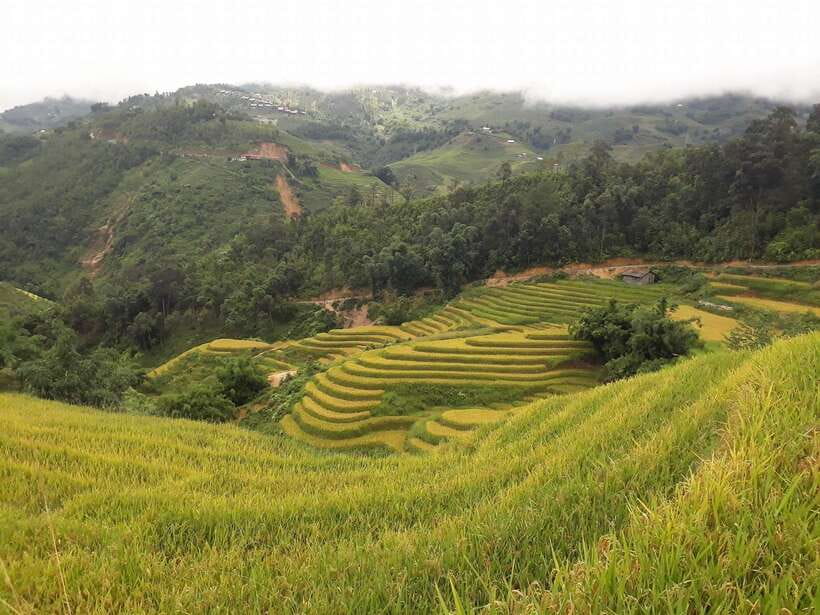
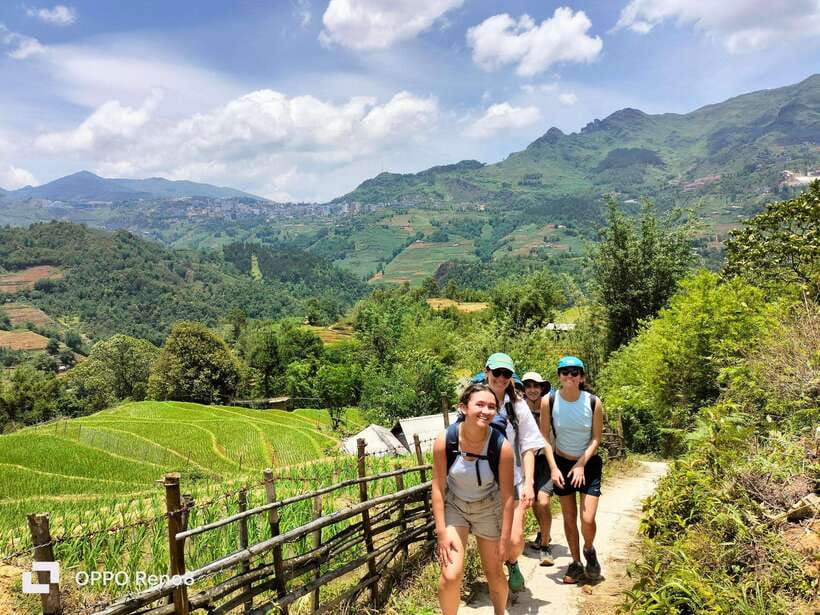
This trek starts with pickup in Sa Pa town, then a short transfer before you’re on foot. The total tour time is about 6 hours, and the walking portion is roughly 10 kilometers—enough distance to earn your views, but still doable for people who walk regularly.
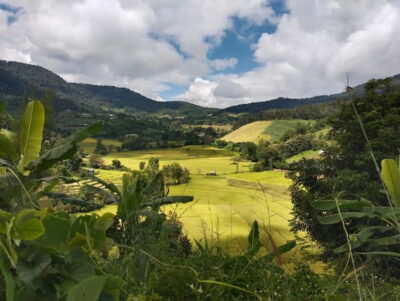
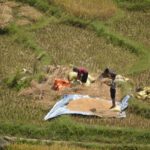
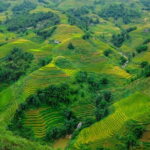
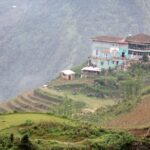
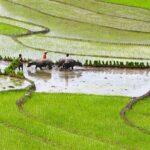
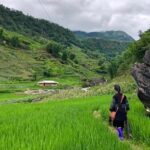
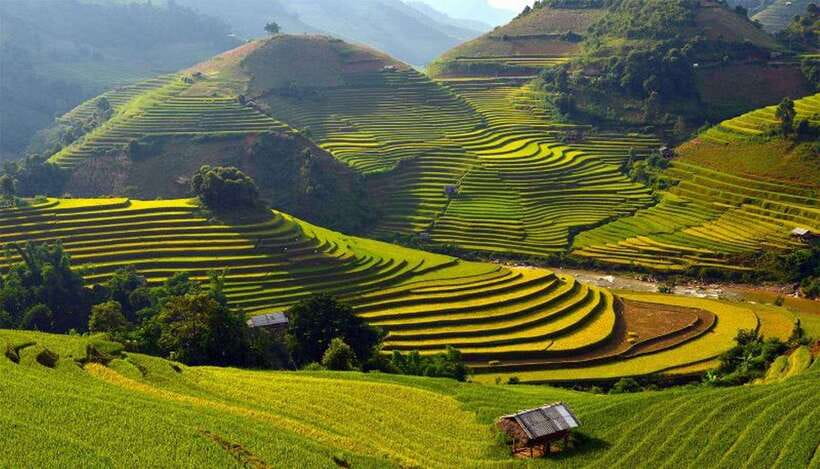
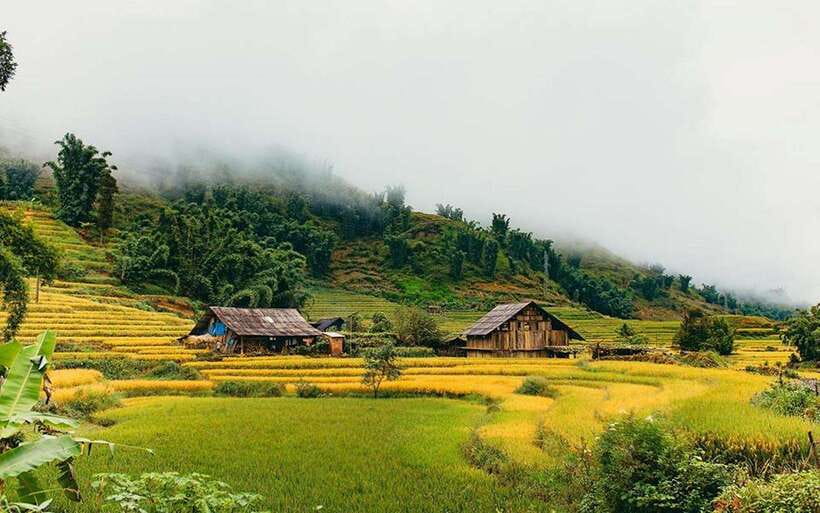
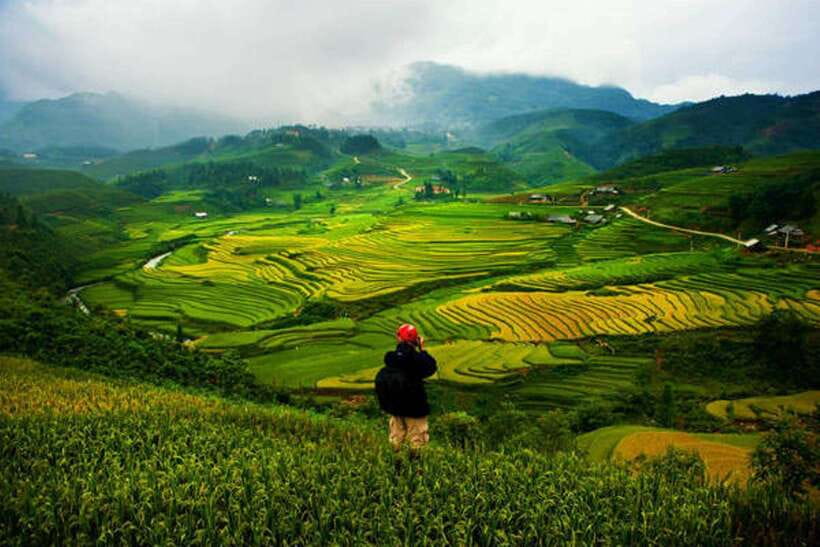
The beginning of the day is all about atmosphere. You head into the valley when morning mist can still be hanging around, and the rice terraces look hidden until you’re close enough to see their lines. It’s not just pretty. Those terraces explain why this place works the way it does: water management, slope farming, and seasonal timing are built into the terrain you’re walking.
Very early, you’ll follow a small trail to cross the Muong Hoa River. That matters because the rest of the day keeps echoing this theme: the valley is a connected system of ridges, fields, water, and villages—not a set of separate photo stops. Even when you’re not thinking about it, your feet are learning the geography.
You can also read our reviews of more tours and experiences in Sa Pa.

What to watch for right away
If you’re doing this in cooler months or after rain, treat the first kilometers as a warm-up for slippery ground. Even if you feel confident, the “easy start” can still hide mud under thin cover. That’s why hiking shoes with real tread matter so much here.
Lao Chai and Ta Van Giay: Hmong village life and the meaning of the route
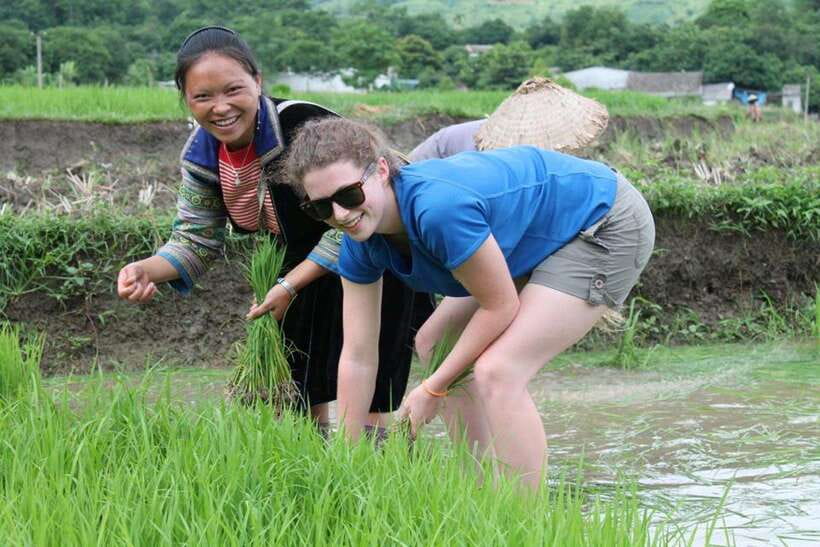
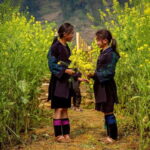
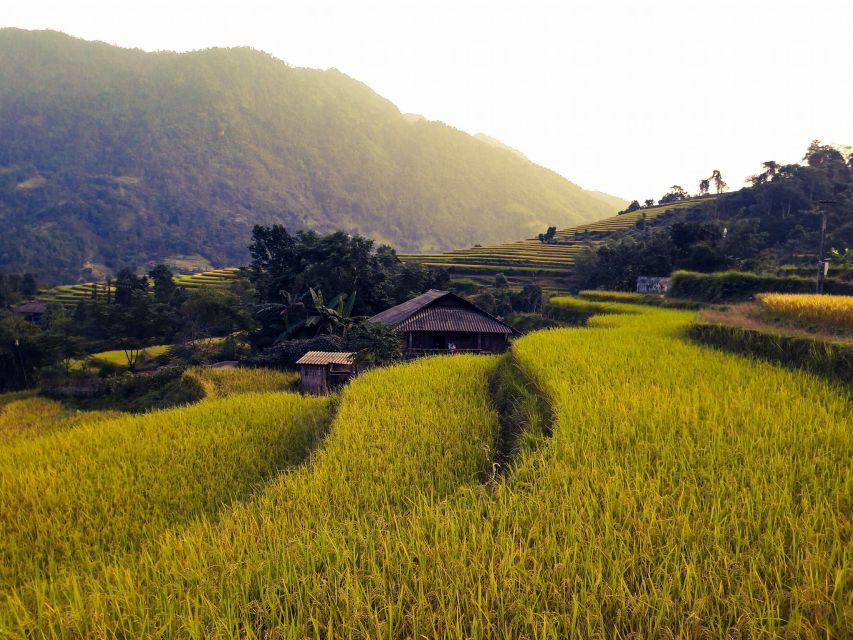
After the initial river crossing, the trail keeps rolling through well-tended terraces and paths cut for everyday movement. You continue onward past the village of Lao Chai, home to the Black Hmong community. Seeing the terraces from the walking route helps you understand that agriculture isn’t a backdrop—it’s the reason the villages sit where they do.
Next comes the stretch toward Ta Van Giay. This part of the trek is where the valley begins to feel busy in a quiet way: you’re surrounded by cultivated slopes, but you’re also moving along what locals use. In fog or low visibility, it can be harder to judge footing, but the slower pace your guide sets usually keeps the group together.
This is also where good guides shine. In many outings, English-speaking guides such as Su or Minh are praised for explaining what you’re looking at and answering questions without turning the walk into a classroom. That tone matters. It’s easier to pay attention to the details—clothing, village layout, farming work—when someone is helping you connect the dots.
Along the Muong Hoa River to the suspension bridge
One of the most memorable parts for me, conceptually, is that this trek doesn’t just go “up and over.” It tracks the Muong Hoa River for a while, then brings you to a small suspension bridge around 2 kilometers from the settlement.
That bridge moment is a good example of why this trek feels like a real valley day. A bridge isn’t just a photo. It’s a practical crossing in a place where ridges and water shape everything. On a clear day, you’ll likely enjoy the views down toward the river corridor. On a wet day, you’ll focus more on stability—your guide’s pace and hand signals become your best friend.
If you’re worried about heights
Suspension bridges can feel exposed even when they’re small. The good news: this trek is guided and paced for mixed walkers. Still, if you feel uneasy with shaky footing, tell your guide early so they can position you safely in the group.


Ancient rock carvings: when the trail turns archaeological
At some point during the middle of the walk, you’ll have a chance to see a fascinating set of ancient rock carvings. The carvings include images of men, stilt houses, and decorative patterns.
This stop changes the tempo. Instead of watching the valley from a distance, you look at marks that were made here long ago. You can’t know every detail from the carving alone, but you can recognize that people have been reading this valley for a long time—using the same water routes, building in the same types of settlements, and recording identity through symbols.
Guides like Sunny and Khu are specifically praised for making these cultural points stick. That’s not just “interesting talk.” It helps you notice patterns when you look around later, like why villages are placed where they are and what local life emphasizes.
Lunch in a local home: the part that fixes your energy
By mid-day, you’ll have lunch at a local house in one of the villages. This is one of the strongest value points on the itinerary because it replaces the usual trek problem: overpriced, generic food at a tourist stop.
From the menu descriptions you’ll see across different days, lunch commonly features items like rice and vegetables, tofu, eggs, and vegetarian spring rolls. Some guides even arrange lunches thoughtfully for dietary needs—one example that stands out is vegan accommodation mentioned in feedback for guides such as Kau.
This is also where you get a breather from the walking. Many people describe how the lunch break “breaks up the trek,” which is exactly what it should do. You’re not just refueling—you’re resetting your body so the bamboo forest part doesn’t feel like punishment.
A practical tip
If you want to keep things comfortable, eat slowly and take your time with hydration. You’ll be walking again soon, and fatigue makes slippery footing more dangerous.
Bamboo forest to Giang Ta Chai: Red Dao culture and a waterfall rest
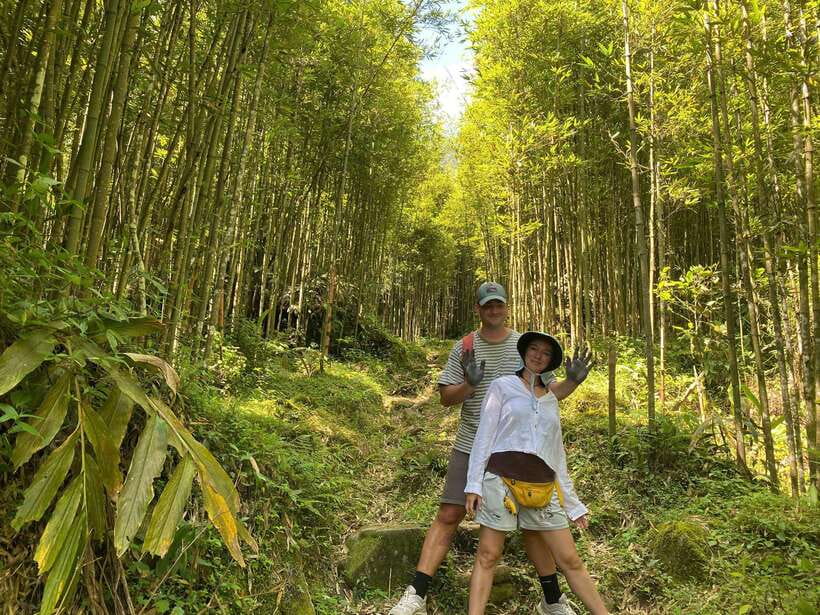
After lunch, the trek turns into a terrain story: you go through a bamboo forest, then onward toward the Red Dao ethnic minority village of Giang Ta Chai.
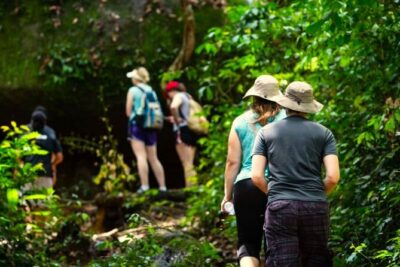
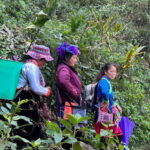
This stretch is often where weather becomes the main character. Bamboo forest paths can get slippery fast after rain. Even on dry days, the ground can be uneven. If you’ve ever tried to walk through wet leaf litter on a steep slope, you’ll understand the challenge. Your guide will manage the group, and in many instances, local support—often women from the village—helps walkers maintain balance on the trickiest bits.
Then there’s a short rest at a nearby waterfall before the final climb back toward the main road. That waterfall stop is brief, but it’s a nice reset point. You get a moment of sounds and movement that aren’t just river and birds—then it’s back to the uphill section that brings you to where the driver is waiting.
Safety and comfort: the mud reality and how to prepare

The biggest theme here is simple: your day will depend on conditions. In fog and rain, visibility is reduced and the trails can turn muddy and slick. The good news is that this route is run with a strong safety culture. People describe guides as careful and professional, and many mention the frequent support from local women who walk alongside the group during slippery stretches.
Still, don’t treat safety like a guarantee. Treat it like a team effort, and you do your part.
What to pack (and why)
The tour data specifically calls for hiking shoes. From the real-world experience patterns, that isn’t a suggestion. Use shoes with high grip and thick tread. Runners tend to slip on wet, muddy slopes. If you have trekking shoes, bring them. If you don’t, buy or borrow something with real tread before you arrive in Sa Pa.
Also bring:
- Sunglasses and sunscreen (even in misty mornings)
- Insect repellent
- Warm clothes from October to March
- A mindset that your shoes might get filthy
Some feedback also mentions cleaning your shoes at a water brush station at the end. Don’t rely on that as your plan for dry feet—plan for wet shoes as a possibility.
Who should be extra cautious
This isn’t suitable for people with mobility impairments, and it’s not meant for children under 6. It can also be challenging even if you’re generally fit because the terrain can be uneven and the mud can be unpredictable.
If you have knee issues or you’re not confident on steep slick slopes, you’ll probably feel it quickly on the bamboo forest and the steeper sections near the end.
Price and value: why about $23 can still feel fair
At around $23 per person for a 6-hour guided trek, this price makes sense because the main costs are already baked in. You’re not just paying for a guide. You’re also getting:
- Hotel pickup in Sa Pa center town
- An English-speaking guide
- Entry tickets
- Lunch in a local house
- Mineral water (500ml per person)
- Transport as mentioned in the plan
The hike itself would cost you more than $23 even without villages and food if you booked a private guide locally. Here, the value comes from the combination: guiding + meals + cultural stops + the practical transport solution back to Sa Pa.
What’s not included matters too:
- Beverages besides the provided water
- Personal purchases
- Soft drinks
- A French-speaking guide option (listed at 19 USD per person, payable upon confirmation)
- A Lunar New Year surcharge (30 USD per person for 14 Feb to 21 Feb 2026)
So you should budget a little extra for drinks beyond water, and if you want to buy small items from people you meet along the way, bring some cash. More than once, feedback points out that local women may help escort you and that buying something afterward is a respectful way to say thank you.
Choosing your guide: small group pacing and what quality looks like
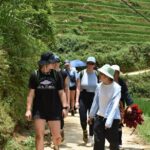
This tour is capped at 11 participants, and that small size is not a cosmetic detail. It changes the whole rhythm of the walk. It’s easier for the guide to check footing, manage the group across narrow paths, and explain what you’re seeing without cutting people off.
In the feedback, guides like Chai, Khu, Su, Minh, and Sunny show up repeatedly with consistent praise: friendly communication, attention to safety, and the ability to explain village culture in a way that feels natural while you walk. When local helpers join for muddy sections, it also seems smoother because the group size stays manageable.
The bottom line: you’ll get a better day when you can slow down and pay attention. This format supports that.
Should you book this Muong Hoa Valley trek?
Book it if you want a guided day with real walking, strong village context, and a lunch that feels like part of the culture rather than an afterthought. You’ll probably love it if you’re comfortable handling uneven paths and you treat mud as part of the deal—especially because local support often comes in during slippery moments.
Skip it if you need flat, easy terrain, if you can’t handle steep muddy footing, or if the idea of bamboo forest trails after rain makes you nervous. This is a trek. Even with help, your body needs to be ready.
If you do go, bring proper shoes, warm layers if you’re visiting between October and March, and keep a little cash on hand for small purchases. That’s the difference between watching the valley and participating in it respectfully for a few hours.
FAQ
How long is the trek and how long is the full tour?
The trek is about 10 kilometers long, and the full experience lasts around 6 hours. The tour ends at about 3:30 PM.
Is hotel pickup included?
Yes, pickup is included if your hotel is in Sa Pa center town. Pickup is also available from the provider’s office. Pickup outside the Sa Pa area is not available.
What’s included in the $23 price?
Included items are hotel pickup (if eligible), an English-speaking guide, entry tickets, lunch, mineral water (500ml per person), and transport as mentioned.
What should I bring for the hike?
You should bring hiking shoes. The tour also recommends warm clothes (October to March) and bringing sunglasses, sunscreen, and insect repellent.
What language options are available?
The standard guide is English-speaking. A French-speaking guide can be arranged for 19 USD per person, payable upon confirmation.
Is the tour suitable for children or people with disabilities?
No. The activity is not suitable for disabled people and children under 6 years old.
What happens if the weather is muddy or rainy?
The trek can be challenging, especially in wet weather, due to muddy and slippery sections. You should have suitable fitness and expect slippery footing in conditions like that.
Is there a Lunar New Year surcharge?
Yes. There’s a surcharge of 30 USD per person from 14 Feb to 21 Feb 2026, payable at the departure of the tour.