REVIEW · SAPA
Sapa 2 Day Trekking with 1 Night Homestay
Book on Viator →Operated by Asia Travel Legend · Bookable on Viator
Walk off Sapa town and into hill life. This 2-day trekking trip takes you from village paths to a Ta Van homestay, with a guide and full meals so your only job is to walk and look up. You’ll spend daylight exploring terraced scenery and small hamlets, then slow down at night with local hosts.
What I love most is the human side: the guides are friendly and practical, and they explain what you’re seeing, not just where to step next. I also like the “eat well, walk smart” setup—two lunches, dinner, and breakfast are included, with homemade food strong enough to keep you moving on hilly terrain.
One thing to consider: this is a popular route, so parts of it can feel a bit tourist-influenced. If you’re chasing total quiet and zero foot traffic, you may find yourself following a similar trail as other groups at times.
In This Review
- Key things you’ll notice
- Sapa logistics: pickup, timing, and a trek that starts at 9:00am
- Day 1: Y Linh Ho to Lao Chai, then Ta Van for your homestay night
- Y Linh Ho: hills, paths, and first views
- Lao Chai lunch: refuel without breaking the day
- Ta Van: your overnight homestay and village atmosphere
- Day 2: Giang Ta Chai and Su Pan before you roll back into Sapa
- Giang Ta Chai: another village segment, another change of scenery
- Su Pan and the return: finish with the right mindset
- Meals and homestay life: what’s included, what to plan, and what makes it work
- What’s in your package
- Why the meal plan matters more than it sounds
- Guide quality: Sapa Sisters style and why names matter
- How hard is it, really? Terrain, weather, and kids in the group
- If you’re bringing kids
- Price check: is $119.88 good value for two days in Sapa?
- When the price feels less worth it
- What the itinerary feels like day-to-day (so there are no surprises)
- Should you book this Sapa homestay trek?
- FAQ
- What’s the duration of the Sapa trek?
- What time does the tour start?
- What meals are included?
- Do I get entrance fees and transport included?
- Is the homestay included for the night?
- Are drinks included?
- Is this a private tour?
- Can I get a refund if I cancel?
Key things you’ll notice
- Ta Van homestay time: you don’t just pass through villages—you sleep there.
- Full meals included: 2 lunches, 1 dinner, 1 breakfast, with drinks not included.
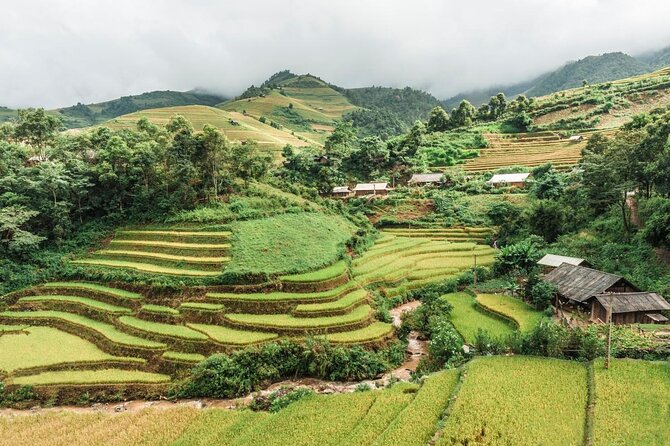
- Village-to-village walking: Y Linh Ho, Lao Chai, Giang Ta Chai, and Su Pan are all part of the route.
- Guide-led pacing: your guide helps you navigate tougher segments and village paths.
- Entrance fee and transport built in: you don’t have to sort out the basic logistics day-of.
- It can be demanding: expect steep, uneven tracks and plan for weather swings.
Sapa logistics: pickup, timing, and a trek that starts at 9:00am
This tour is built for a smooth start. You begin at the meeting point in Sapa, Lao Cai, with the trek kicking off at 9:00am. It’s also offered as a private tour, so it’s only your group (not a mixed crowd), which helps keep things calmer on narrow paths.
Pickup and drop-off are part of the package. The plan is to get you out of town for walking time, then bring you back to Sapa after the trek is done. Some options also include pickup from the Hanoi Old Quarter, with a short pickup window indicated in the route description, so if you’re combining Hanoi with Sapa, you’ll want to double-check what’s included for your exact booking.
You’ll receive a mobile ticket, which is handy if you hate printing things. And the meeting area is described as near public transportation, so even if you’re in Sapa without a car, getting to the start point shouldn’t be a headache.
Day 1: Y Linh Ho to Lao Chai, then Ta Van for your homestay night
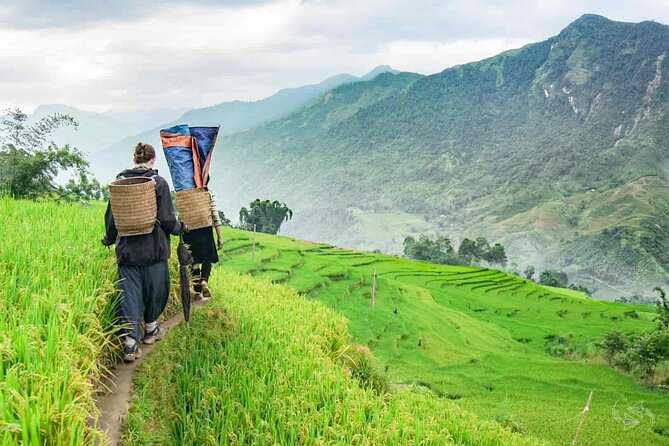
Day 1 is about transitions: viewpoint hills, village walking, and then settling into your homestay world. The route runs from Sapa to Y Linh Ho, then onward toward Lao Chai for your lunch, and finally to Ta Van for the overnight.
Y Linh Ho: hills, paths, and first views
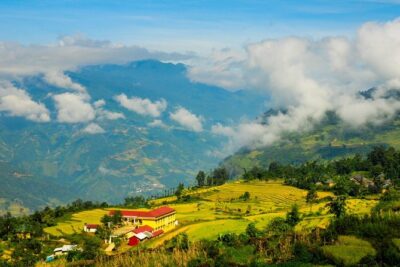
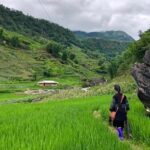
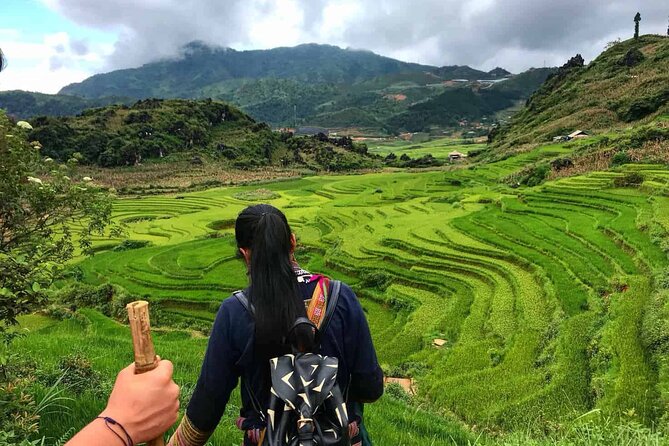
You’ll start with the kind of scenery Sapa is famous for—rolling hills and valley views—while your guide gets you oriented. Y Linh Ho tends to be the kind of stop that helps you understand what you’ll be walking through: small rural roads, terraced farmland shapes, and local life that isn’t staged for a selfie.
This is also where you’ll get your first sense of pacing. Some sections can feel steep or slippery depending on weather, so your guide’s advice matters here. The better guides don’t just point; they explain how to move, where the ground is uneven, and what to watch for along the way.
Lao Chai lunch: refuel without breaking the day
After walking, you’ll stop in the Lao Chai area for lunch. This lunch is included, and that matters because you’re not deciding on the fly where to eat. The idea is simple: you get something filling before the final stretch into Ta Van.
One of the biggest practical advantages of this tour structure is the rhythm. Lunch isn’t a rushed break between two random errands—it’s part of a planned walking day that ends at a homestay, not back in town.
Ta Van: your overnight homestay and village atmosphere
Once you reach Ta Van, the pace shifts. Your homestay stay is included, and that’s the core of the experience. Instead of treating villages as quick photo stops, you settle into the local rhythm for the night.
You’ll also get dinner on Day 1 and breakfast the next morning, so you’re not hunting for meals after your legs start to complain. From the accounts I’m working from, people really value the way dinner and breakfast fit the trekking schedule—food isn’t an afterthought.
A nice comfort detail: you may have the chance to handle practical needs like storing luggage and having a shower at the end of the trekking portion. That’s the kind of detail that makes homestay life feel less chaotic when you’re coming off a full day of walking.
Day 2: Giang Ta Chai and Su Pan before you roll back into Sapa
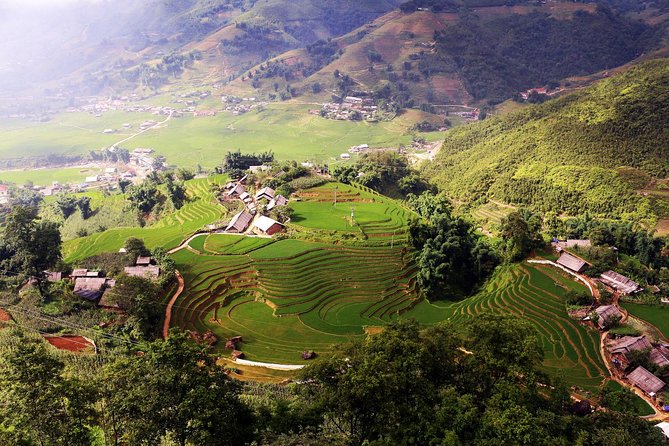
Day 2 keeps things moving, but in a way that feels manageable because you already know the rhythm. The plan is Ta Van → Giang Ta Chai (lunch) → Su Pan → Sapa.
Giang Ta Chai: another village segment, another change of scenery
Giang Ta Chai is where you’ll have lunch, and it’s a meaningful stop because it shows more of the regional village layout beyond the one you slept in. By this point, you’ve walked enough to recognize patterns—path widths, how farmland sits below or above the trail, and where you’ll likely need to step carefully.
This is also often where guides talk more about farming life and what you’re seeing in the hills. If you care about understanding local routines—how people manage crops, how they live in small settlements—this part of the second day tends to deliver.
Su Pan and the return: finish with the right mindset
After lunch and walking through the Su Pan area, you’ll head back to Sapa. Day 2 is shorter in walking time than Day 1 (the route timing described for Day 2 is around 4 hours), which helps you finish without feeling completely wiped.
You’re not racing toward a bus at the end. The tour is set up to end back at the meeting point, so you can transition into a relaxed evening in Sapa without scrambling for transport.
Meals and homestay life: what’s included, what to plan, and what makes it work
Food is one of the strongest parts of this experience, and it’s not just because it’s included—it’s because it supports your trekking schedule.
What’s in your package
Your trek includes:
- Two lunches
- One dinner
- One breakfast
- Homemade meals during your village walking
Drinks aren’t included, so you’ll want to budget for that separately. If you’re the type who drinks lots of water while walking, it’s wise to carry a refill plan and expect to buy drinks as needed.
Why the meal plan matters more than it sounds
In a hilly area, a trekking schedule lives or dies by timing. When lunch is guaranteed and dinner doesn’t require a search after you’re tired, the trek feels far less stressful.
Also, the homestay meal flow keeps you connected to the place you’re visiting. Instead of treating dinner like a detour, it’s part of the overnight experience—something you look forward to after the walk, not something you suffer through while waiting for a ride.
Guide quality: Sapa Sisters style and why names matter
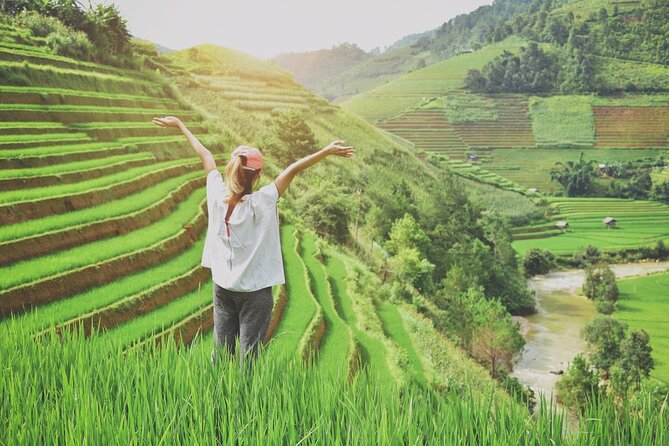
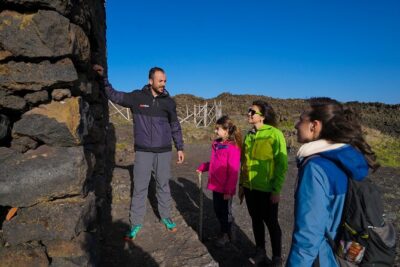
The biggest difference between an average trek and a great one is the guide. In this case, the guides are part of the Sapa Sisters group, and multiple guide names show up in the positive feedback: Chi, May, Ker, Chai, Lily, Little Zo, and Khu.
That’s not just trivia—it tells you something practical. When the guide is good at communication and village context, the trek stops being only a physical workout. You start understanding the terrain: why certain paths feel the way they do, what local farming practices look like up close, and how village life connects to what you’re walking past.
A second practical benefit: guides can adjust. In at least one case, a family with children needed the pace and plan changed when someone wasn’t feeling well. That flexibility matters because Sapa hikes aren’t all uniform; weather, footing, and energy levels vary.
If you want a trekking day that feels thoughtful and safe—especially if you’re walking with kids or you’re not an experienced hiker—this is the kind of tour structure that can work well.
How hard is it, really? Terrain, weather, and kids in the group

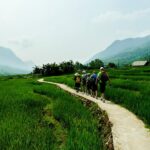
This is not a flat stroll. Expect tough tracks, with steep or uneven segments, and plenty of village-and-rice-field scenery. One account even mentions passing a funeral and a wedding while walking—so you’re seeing village life in real context, not just scenic farmland.
Weather is also something to take seriously. One key reminder in the feedback is that the trek runs rain or shine. That means you should dress for changing conditions—layers that handle warmth and wetness, and shoes you trust on slippery ground.
If you’re bringing kids
This isn’t only for fit adults. Families have joined with children including a 6-year-old, and the group adapted when a child felt sick before the trek started. Another group included teens and a 10-year-old, and they reported a memorable day with a tough but enjoyable walking pace.
That said, kids (and adults) will still feel hills. The homestay and meal setup helps, but you’ll want realistic expectations: there will be walking time, and you can’t treat this like a casual city walk.
Price check: is $119.88 good value for two days in Sapa?
At $119.88 per person, this sits in the “organized but not bargain-basement” range. The value comes from what’s bundled.
Here’s what you get that usually costs extra when you organize on your own:
- Guide
- Homestay for 1 night
- Entrance fee to the valley
- Food for 2 days (2 lunches, 1 dinner, 1 breakfast)
- Pickup & drop-off around Sapa (and possible Hanoi Old Quarter pickup depending on your option)
- Transportation back to Sapa after trekking
Drinks aren’t included, but that’s normal for this style of trip. When you add up guide + homestay + valley entrance + meals, the price feels more reasonable than it first appears.
When the price feels less worth it
If you’re extremely privacy-focused or hate the reality that this route is popular, you might find the experience a bit more tourist-shaped than you hoped. One note in the feedback points to a trek that can feel common—people walking similar routes, and some village children walking along while trying to sell small items.
If that would bother you, you’ll want to weigh your desire for authenticity against your tolerance for light sales activity and foot traffic.
What the itinerary feels like day-to-day (so there are no surprises)
Even though you’re out of Sapa, you’re not being thrown into chaos. Day 1 is your longer day with the homestay arrival at Ta Van. You walk, you eat, and you end with dinner and a bed in a local home setting.
Day 2 starts with breakfast, continues with a second set of village stops and lunch, and then ends back in Sapa in the afternoon. Because meals and main transport pieces are handled, your mental load stays low.
The “small villages” promise also holds up in practice: you’re not just circling viewpoints. You’re moving through settlements like Lao Chai and Giang Ta Chai, and you’re walking among working farmland.
Should you book this Sapa homestay trek?
Book it if you want:
- A short, structured Sapa hiking experience that still includes an actual overnight in the countryside
- A guide who helps you understand what you’re walking through (rice fields, village life, farming routines)
- Meals and basic logistics handled—especially if you don’t want to plan homestay details yourself
- A trek that can work for families, as long as you’re okay with hills and walking time
Skip it or look harder if:
- You need total solitude and would feel annoyed by the fact that popular routes bring other groups
- You’re very sensitive to souvenir selling that can happen along village paths
- You’re not comfortable with uneven, steep terrain (this is “real trek,” not sightseeing-only)
If your goal is to get out of Sapa town and feel village life for real—sleep included—this is one of the easier ways to do it without turning your trip into logistics homework.
FAQ
What’s the duration of the Sapa trek?
It’s listed as 2 days (approximately) with 1 night in a homestay.
What time does the tour start?
The start time is 9:00am.
What meals are included?
You get two lunches, one dinner, and one breakfast during the trek.
Do I get entrance fees and transport included?
Yes. The entrance fee to the valley is included, and transportation to and from town is included as part of the package.
Is the homestay included for the night?
Yes. You’ll spend 1 night in a local homestay.
Are drinks included?
No. Drinks are not included.
Is this a private tour?
Yes. It’s described as a private tour/activity, meaning only your group participates.
Can I get a refund if I cancel?
No. The experience is non-refundable and cannot be changed for any reason.
If you’d like, tell me your hiking comfort level (and whether kids are involved), and I’ll help you decide if this pacing fits—or suggest the kind of tweaks to ask about before you go.