REVIEW · KATHMANDU
Everest Base Camp Trek with Helicopter Return -11 Days
Book on Viator →Operated by Himalayan Adventure Treks and Tours Pvt Ltd · Bookable on Viator
Everest Base Camp feels bigger when the calendar is short. This 11-day trek focuses on the core experience—Namche, Tengboche, Everest Base Camp, and Kalapatthar—then brings you back by helicopter.
I especially love how the route still builds in altitude sense with acclimatization days in Namche and Dingboche, instead of rushing straight upward. Another big win is the support team: guides like Prakash Adhikari (and sometimes Dikpal on other departures) keep things practical and safety-minded, with porters in a 1:2 ratio. A key consideration: the helicopter return depends on weather, and the trek is shorter than the classic 14–15 day walk, so you’ll need to take acclimatization seriously on those built-in days.
In This Review
- Quick highlights (why this one works)
- The 11-day shortcut: what the helicopter actually changes
- Kathmandu arrival: hotel nights, permits, and a clean start
- Day 2: Kathmandu to Lukla, then Phakding at 2,610m
- Day 3: Namche Bazaar climb (3,446m) and why it matters
- Day 4 acclimatization: Khumjung and the Hotel Everest View stop
- Day 5 to Tengboche: monastery vibes and rhododendron forests
- Day 6 to Dingboche: the steep push to 4,360m
- Day 7 acclimatization in Dingboche: don’t skip the recovery day
- Day 8 to Lobuche: pushing up near 4,910m
- Day 9: Everest Base Camp to Gorakshep (around 5,160m)
- Day 10: Kalapatthar at 5,545m, then helicopter back
- Food, lodges, and the costs you should budget
- Guides, porters, and safety: the human side that lifts the days
- Price and logistics: what $3,500 buys you (and what it doesn’t)
- Who should book this Everest Base Camp trek with helicopter return
- Should you book it?
- FAQ
- Where does this trek start and when?
- Is this a private tour or a group trek?
- Is the helicopter return included?
- What meals are included during the trek?
- What’s not included that I should budget for?
- What fitness level do I need?
- What happens if weather cancels the experience?
Quick highlights (why this one works)
- Helicopter return from the Everest region cuts the backtrack and saves your legs
- Acclimatization at Namche Bazaar and Dingboche helps you handle the big altitude climbs
- Tengboche Monastery visit gives you a memorable cultural pause at around 3,860m
- Kalapatthar viewpoint (5,545m) is the star moment for Everest views
- Experienced guide + porter support (1 porter for 2 clients) keeps daily logistics simple
- Kathmandu comfort and a farewell dinner make the trip feel complete
The 11-day shortcut: what the helicopter actually changes
You still trek, still climb, still feel the altitude. The big difference is that the “finish” is moved from a long, slow return walk to a flight home. That means your energy goes into the hard, meaningful parts instead of spending extra days on repetition.
For many people, this is a trade worth making. You get Everest Base Camp and Kalapatthar without adding a second full back-and-forth leg through the Khumbu valleys. But don’t treat it like a casual hike—altitude and cold don’t care about your schedule.
You can also read our reviews of more tours and experiences in Kathmandu.
Kathmandu arrival: hotel nights, permits, and a clean start
Your day begins in Kathmandu at Tribhuvan Airport, with a 6:00am start time and a private vehicle transfer to your hotel. You get two nights in a 3-star hotel with breakfast, which matters because you’re arriving tired and you need sleep before the flight to Lukla.
What I like here is that the planning work is handled for you. You’ll get the TIMS permit and Khumbu valley fees taken care of, plus the necessary paper work. That frees you to focus on packing, hydration, and getting your legs ready.
Also note: your tour includes company touches like a duffle bag return after the trek and a company T-shirt. It’s small, but it reduces the “what do I do with my stuff at night?” stress.
Day 2: Kathmandu to Lukla, then Phakding at 2,610m
The trek starts with the flight from Kathmandu to Lukla (about 2,860m). From there you walk to Phakding (2,610m) for roughly 3–4 hours. This day is your warm-up—short enough to stay upbeat, steep enough to remind you you’re in the mountains.
If you’re sensitive to change in altitude, Lukla can feel punchy. The best move is simple: keep your pace controlled, don’t sprint uphill, and use the lodge stops to rest your breathing. You’ll arrive with a realistic sense of what your body thinks about the day’s effort.
Day 3: Namche Bazaar climb (3,446m) and why it matters
The next leg is the classic “settle into the Khumbu” day: Phakding to Namche Bazaar (3,446m) for about 6–7 hours. This climb is where your trekking rhythm matters most. If you go too hard early, you’ll pay later—especially on an 11-day schedule.
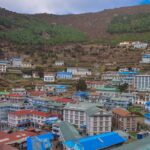
Namche is also where the trek starts feeling like a mountain town. You’ll see thicker clusters of shops and lodges, and it’s a psychological shift: you’re not just walking between villages anymore—you’re entering the busiest altitude hub of the route.
Day 4 acclimatization: Khumjung and the Hotel Everest View stop
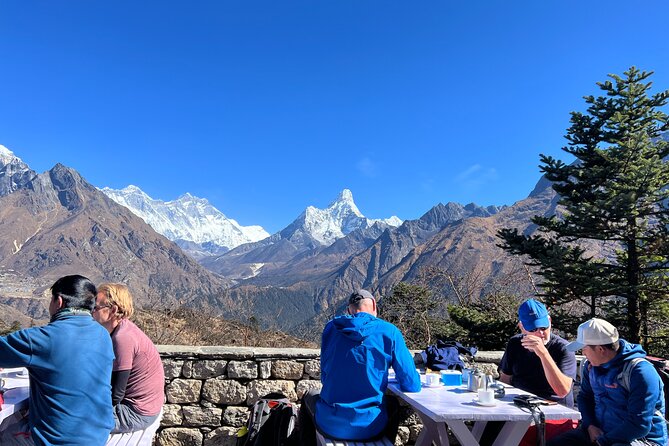
You don’t just “rest” in Namche. You use the day to acclimatize with a visit to Khumjung Village and a stop at the Hotel Everest View (3,880m). At this altitude, the difference between feeling okay and feeling wiped can be surprisingly small.
I like this structure because it turns acclimatization into an activity instead of just sitting around. You get moving time, fresh air, and a sense of place. Plus, you’ll likely sleep better the next night if you take it easy during the day and watch how your breathing responds.
Day 5 to Tengboche: monastery vibes and rhododendron forests
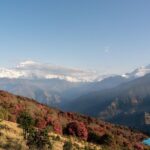
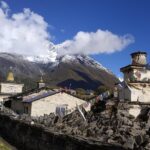
From Namche to Tengboche (around 3,860m) you’re looking at 5–6 hours. This section includes a mix of forest paths—often discussed for the seasonal feel of rhododendron and juniper forests—and it’s a chance to see the region’s cultural center.
Tengboche is known for its Tengboche Monastery, and that’s the part you’ll remember when your body is tired. Even if you’re not a temple person, the setting helps you reset: pause, observe prayer-flags and mountain light, then get back on the trail with less urgency.
Day 6 to Dingboche: the steep push to 4,360m
The next day climbs to Dingboche (4,360m) in about 5–6 hours. This stretch is described as relatively steep, and that’s fair. It’s not a “technical” trail day, but it asks for steady pacing and patience.
When you reach Dingboche, your focus shifts to recovery. Lodges here tend to be basic, but the value is in the altitude work. You’re setting up for the next acclimatization day, which is where your trip either feels manageable—or feels like it’s working against you.
Day 7 acclimatization in Dingboche: don’t skip the recovery day
Dingboche gives you another acclimatization day. Your itinerary lists acclimatization at Dingboche (4,360m) with meals provided. This matters more on a shorter trek than on a longer classic version. Your body needs time to adjust, not just time to walk.
Use the day to move lightly and keep hydration steady. Keep an eye on how you sleep and how your energy feels when you wake up. If you feel off, this is when you listen to your body—because it influences how confidently you’ll handle Lobuche and the Everest Base Camp push.
Day 8 to Lobuche: pushing up near 4,910m
Dingboche to Lobuche (4,910m) takes about 5–6 hours. This is where the trek starts living closer to the “thin air” reality. Your route is still a steady walk, but you’ll likely notice slower recovery between steps.
It’s also a good day to get your pack routine perfect: water strategy, layers, and what you’ll use at lodge time. If you save energy and stay organized here, you’ll feel it later when the days get colder and the distances feel longer.
Day 9: Everest Base Camp to Gorakshep (around 5,160m)
The big day is done in stages. You hike from Lobuche to Everest Base Camp (5,360m), then continue on to Gorakshep (5,160m). Expect around 6–7 hours total, with a long feel because you’re working in higher altitude.
This is where Everest Base Camp becomes more than a checkmark. Even though you’re not climbing the mountain, you’re reaching the symbolic center of the journey. Your body will feel the altitude; that’s normal. The trick is to walk with control and keep your breaks short but consistent.
At Gorakshep, you’ll be tired and cold. The best plan is to eat early, keep warm, and sleep as much as your altitude allows.
Day 10: Kalapatthar at 5,545m, then helicopter back
Kalapatthar is the iconic viewpoint at 5,545m. Your schedule is a 3–4 hour hike there from Gorakshep, and the payoff is the reason people do this route in the first place. You’re chasing views of Everest and surrounding peaks, and on a clear day the sense of scale can be almost hard to process.
The other half of this day is the helicopter. After your time at Kalapatthar, you return to Kathmandu by helicopter from the Everest region (sharing the helicopter). This is the moment where the trip shifts from “endurance” to “relief.”
Because it’s weather-dependent, keep a flexible mindset. Plan for the possibility that timings can shift based on conditions, and don’t assume you’ll control the weather.
Food, lodges, and the costs you should budget
During the trek, the package includes lunch, dinner, and breakfast. Lodges handle your overnight basics, and you’ll be able to refill in the village rhythm as you go.
What’s not included is also important. Bottled water isn’t included, and coffee and/or tea are not included either. You’ll also want budget money for personal expenses like phone use, laundry, bar bills, battery recharge, and extra costs like hot shower fees.
And don’t forget tips. The tour lists tips for guide and porter as not included, so you’ll want to plan for that before you arrive.
Guides, porters, and safety: the human side that lifts the days
This trek lives or dies by the daily support system. The reviews highlight guides like Prakash Adhikari for planning, humor, and mountain know-how, and also mention Dikpal with strong support and information. The recurring theme is safety-first decision-making and clear communication when conditions change.
You also get a porter setup designed to protect your energy: 1 porter for 2 clients. That means you won’t be carrying everything yourself, which helps you save strength for acclimatization and the highest days.
The package includes travel and rescue arrangements and medical supplies (first aid kit available). That doesn’t remove the reality of altitude, but it does add real comfort when you’re far from hospitals and dialing altitude symptoms in.
Price and logistics: what $3,500 buys you (and what it doesn’t)
At $3,500 per person, this is not a budget trek. The value shows up in what’s included: Kathmandu airport pickup, two nights in a 3-star hotel, the Kathmandu to Lukla / Ramachap to Lukla flights, lodge stays, TIMS permit and Khumbu fees, meals on trek days, and the big-ticket part—helicopter return to Kathmandu.
If you’re comparing to a standard EBC trek, the main difference is time saved and comfort gained on the final return leg. You’re paying for reduced walking days, plus support and logistics handled end-to-end, including a farewell dinner with cultural performance.
A practical heads-up from a note in the experience details: if you’re traveling solo or with an odd-number group, you may face an extra fee. If that’s your situation, ask directly before you book so there are no surprises.
Who should book this Everest Base Camp trek with helicopter return
This is a good match if you want Everest Base Camp and Kalapatthar but you don’t want to commit to the full-length trekking calendar. You just need moderate physical fitness, plus the maturity to take acclimatization days seriously.
It’s also a nice choice if you prefer clear structure: pickup, permits handled, guide and porter support, meals included, and one big “reward day” (Kalapatthar) followed by the helicopter lift.
If you want a slow, traditional EBC experience with maximum time for acclimatization flexibility, you might find the schedule tight. In that case, consider a longer itinerary and give your body more buffer.
Should you book it?
If your top goal is the Everest Base Camp + Kalapatthar views and you’re okay paying for speed and strong logistics, I’d say yes. The helicopter return turns the ending into something you remember for the right reasons: relief, views, and a clean finish back in Kathmandu.
If weather stress would ruin your trip mood, you should know the experience requires good weather, and helicopter timing can be affected. Still, the tour plans around that reality with the expectation of either a new date or refund if cancellation happens due to poor weather.
Bottom line: this is a high-value way to do Everest Base Camp when time matters, as long as you respect altitude and pack for cold nights.
FAQ
Where does this trek start and when?
It starts at Tribhuvan Airport in Kathmandu, Nepal, with a start time of 6:00am. The activity ends back at the meeting point.
Is this a private tour or a group trek?
It’s a private tour/activity. Only your group participates.
Is the helicopter return included?
Yes. You fly from Gorekshep to Kathmandu by a sharing helicopter, after your Kalapatthar hike on Day 10.
What meals are included during the trek?
Lunch, dinner, and breakfast are included during the trekking days.
What’s not included that I should budget for?
Bottled water is not included, and coffee and/or tea are also not included. Travel and rescue insurance is not included, and personal expenses like phone calls, laundry, bar bills, battery recharge, and hot showers (if you choose them) are extra. Tips for your guide and porter are not included.
What fitness level do I need?
The tour states you should have a moderate physical fitness level.
What happens if weather cancels the experience?
This experience requires good weather. If it’s canceled due to poor weather, you’ll be offered a different date or a full refund.