REVIEW · SA PA
Sapa: 1-Day Trek to Mountain, Local Villages & Rice Terraces
Book on GetYourGuide →Operated by Sapa Odyssey Tour · Bookable on GetYourGuide
One day, wild views and village life. This 1-day Sapa trek strings together Dragon Jaw Mountain lookouts with Muong Hoa rice valley scenery, then adds real village visits and a museum stop so the day feels more than just hiking.
I love how the route is built for a 6-hour outing, with time to actually enjoy the panoramas and a lunch break in Hang Da. I also like the cultural context at the Ban Bo village museum, where you learn about traditional clothes and local customs rather than rushing through photo ops.
One thing to consider: this is moderate to challenging trekking, with steep, slippery parts—so strong grip shoes and warm layers matter.
In This Review
- Key highlights you’ll care about most
- A Practical 1-Day Trek Plan in Sapa (6 Hours Total)
- Morning Pickup and the First Climb Through Corn Farms
- Dragon Jaw Mountain at 1,900m: Fansipang and Sea-of-Clouds
- Hang Da Village Lunch: Black H’mong Homes and Trail Animals
- Down-Valley Walking: Bamboo Bits, Terraced Views, and Village Roads
- Ban Bo Village Museum: Clothes, Customs, and a Clearer Sapa
- Guide Fit, Trek Difficulty, and Safety on Rainy Days
- Price, Inclusions, and What You Need to Pack
- Should You Book This 1-Day Trek to Mountain, Local Villages & Rice Terraces?
- FAQ
- Where do they pick me up in Sapa?
- What time does the tour start and how long is it?
- What are the main places you visit during the trek?
- Is lunch included, and where do you eat it?
- What should I bring for the trek?
- Is this tour suitable for wheelchairs or people with heart problems?
Key highlights you’ll care about most
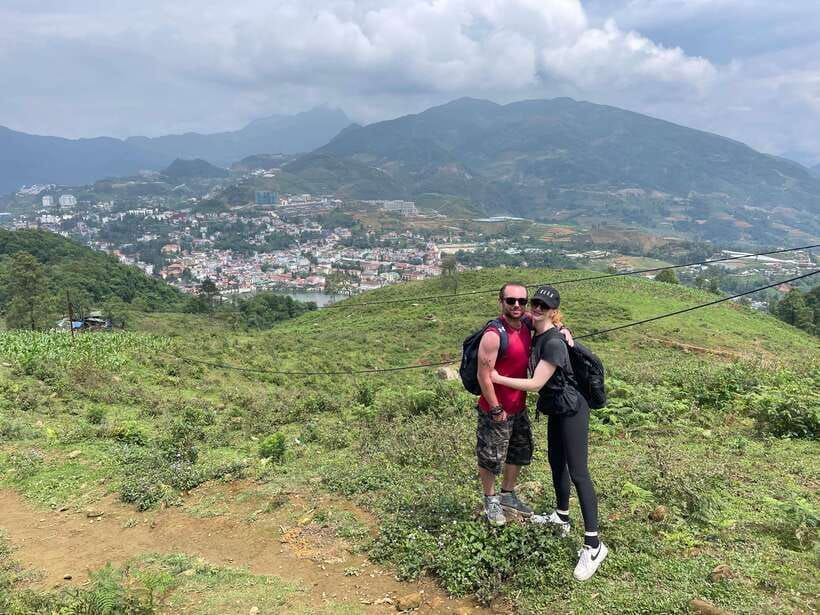
- Dragon Jaw Mountain (~1,900m): Big views over Sapa town and the Muong Hoa rice valley, plus a chance to spot Fansipang
- Hang Da lunch break: Local dishes in a Black H’mong area, with time to rest and take photos
- Village trail variety: Farm paths, village roads, and short bamboo forest sections to keep the walk interesting
- Animal sightings on the route: You may spot buffalo, cows, horses, and pigs while you descend
- Ban Bo museum visit: A focused stop to understand traditional clothing, culture, and customs
A Practical 1-Day Trek Plan in Sapa (6 Hours Total)
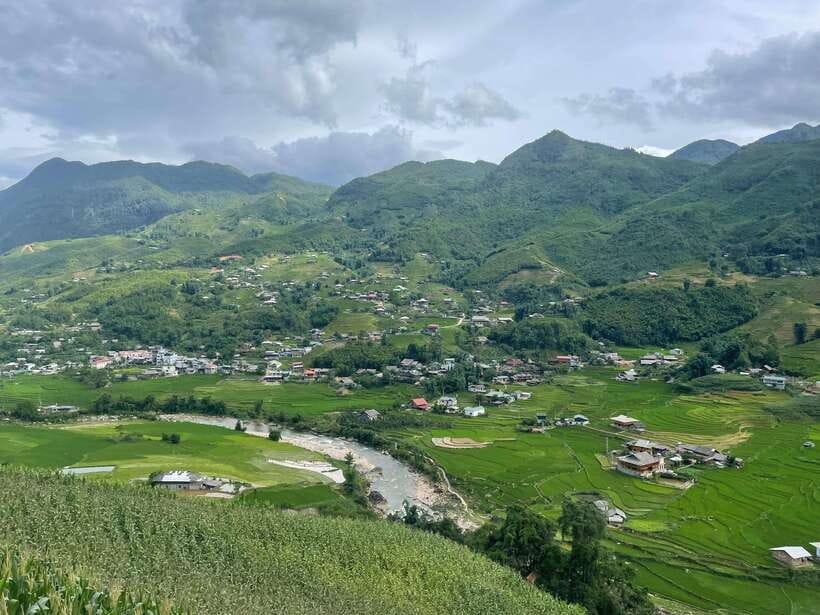
If you want Sapa without signing up for a whole day (or a whole ordeal), this trek is a good fit. The timing is straightforward: a 9:00am start, about 6 hours on the move, and you’re back in town afterward.
What makes it work well is the mix of rewards. You’re not only chasing scenery. You also get a village lunch, a museum visit, and a trail route that shifts between farmland, forests, and valleys.
You can also read our reviews of more tours and experiences in Sa Pa.
Morning Pickup and the First Climb Through Corn Farms
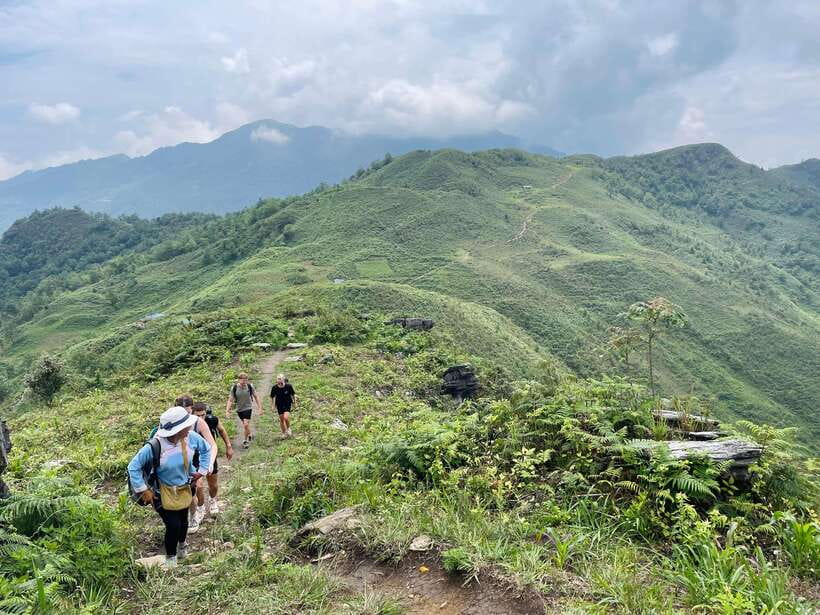
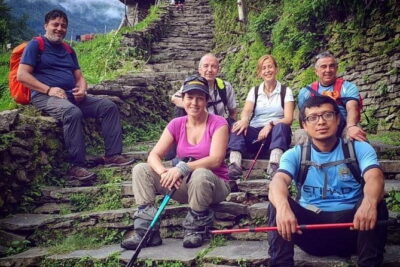
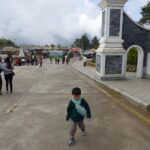
Your day starts with pickup at either your hotel around Sapa Center or at Sapa Church, the main church in town. The guide will meet you, give a quick rundown, and help set expectations so you know what kind of trekking you’re stepping into.
Then the walking begins with a small trail hike up through corn farms. This first stretch is the warm-up phase, but you’ll still feel the altitude and slope. Pack for temperature changes—Sapa weather can turn fast.
Dragon Jaw Mountain at 1,900m: Fansipang and Sea-of-Clouds
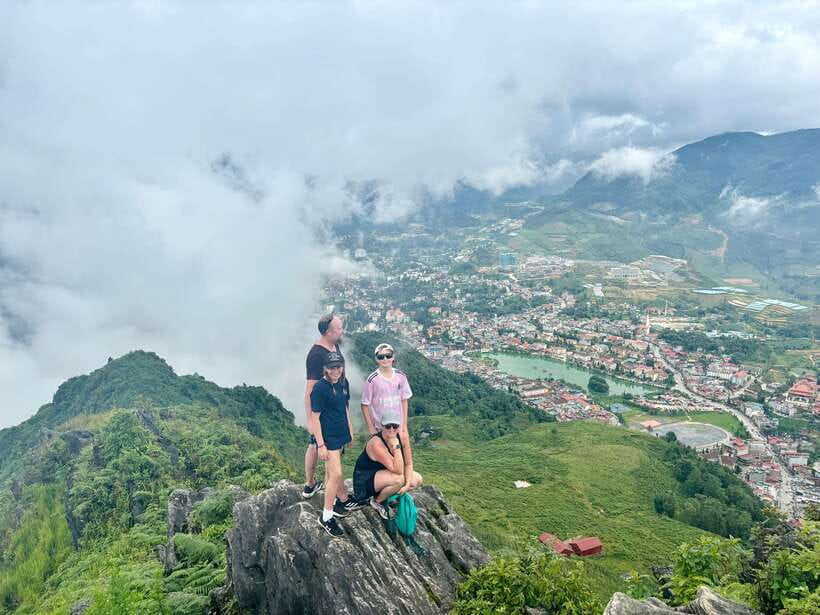
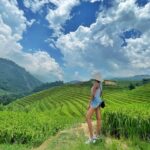
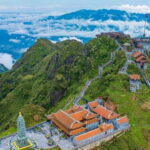
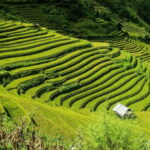
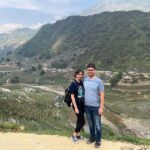
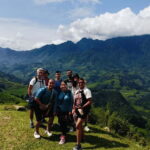
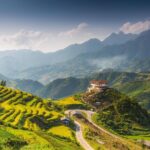
About 1.5 hours into the trek, you reach Dragon Jaw Mountain at roughly 1,900m above sea level. This is the main payoff moment: you can see Sapa town spread out below and the Muong Hoa rice valley stretching into the distance.
On clear days, this is also where you have a serious chance of seeing Fansipang, the highest mountain in Indochina, from the viewing area at Dragon Jaw. Even when visibility isn’t perfect, the higher trail gives you that classic Sapa sense of scale and depth.
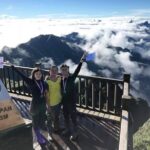
If the weather cooperates, you might catch sea-of-cloud views. That means you’ll look across layers of mist instead of a flat horizon. It’s the kind of moment you’ll want your camera ready for—especially if light changes quickly.
Hang Da Village Lunch: Black H’mong Homes and Trail Animals
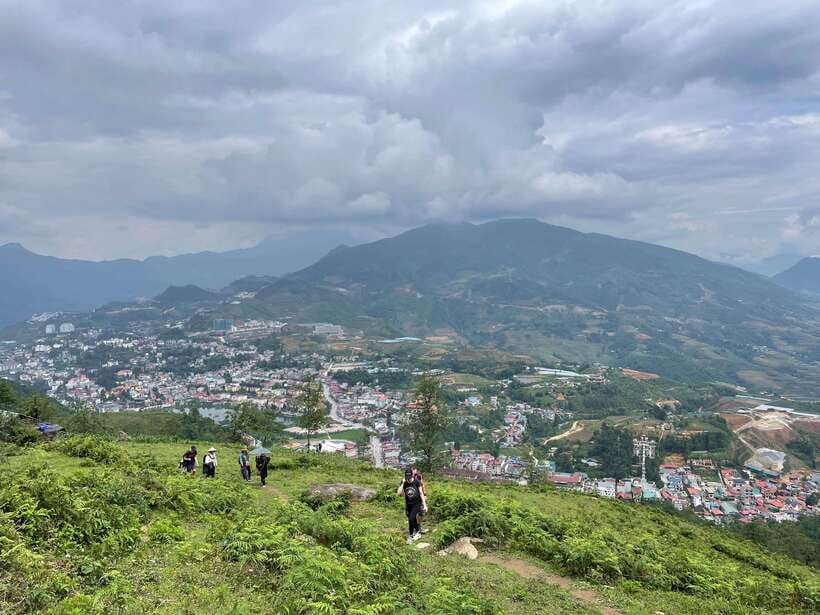
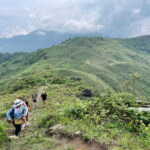
After the photo break on Dragon Jaw, the route continues along a ridge-style trail. The walk is often described as narrow and spine-like, which is exactly why it feels fun: you’re moving with the landscape rather than just trudging uphill.
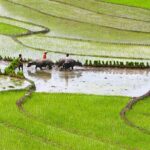
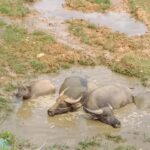
Next you’ll head toward Hang Da village, associated with the Black H’mong community. On the way down, the trail can pass close to livestock areas, so you might spot buffalo, cows, horses, and pigs—not in a zoo way, but as part of village life.
You’ll also get a look at traditional houses and how the settlement sits within the valley. Then lunch happens here, around 1 hour in Hang Da. The tour includes lunch of local dishes, and on at least some days the meal can be simple (like fried noodles or rice). Either way, it’s a real break—not just a snack stop.
Practical tip: after lunch, expect your energy to drop a little. That’s normal. Bring water (you’ll have bottled water included), slow down on steep bits, and keep your footing.
Down-Valley Walking: Bamboo Bits, Terraced Views, and Village Roads
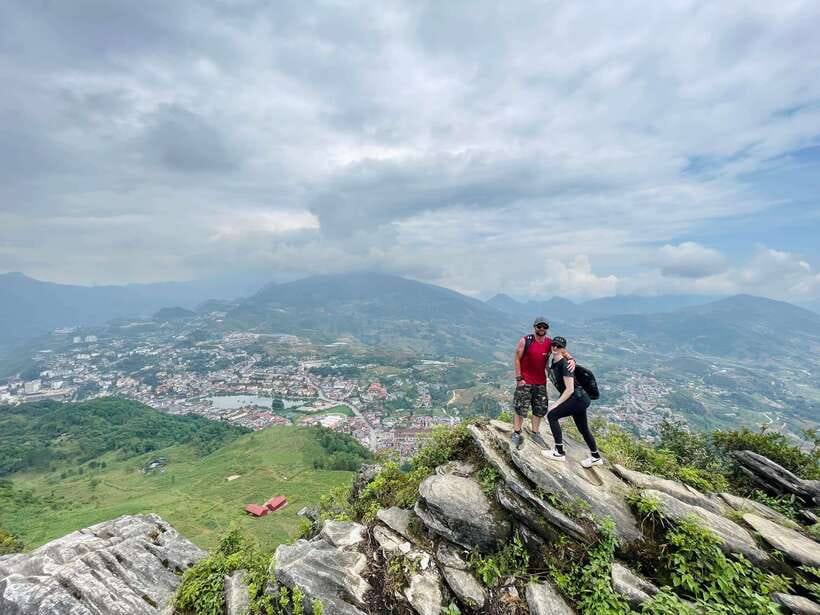
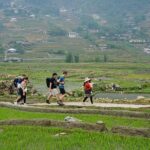
Post-lunch, you shift into the second half of the trek, which is where the route becomes more scenic and more varied. You’ll walk toward the Hau Thao / Hau Chu Ngai area, with photo stops and village-road walking that feels less like a single-file hike and more like traveling through the valley on foot.
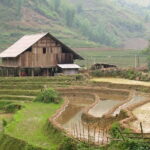
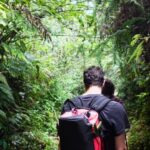
Then comes a mix of short bamboo forest trails and descents toward Ban Pho. The walking here often gives you views from above—especially of houses scattered across the valley and the terraced fields that make Sapa look like it’s been hand-carved.
If you’re trekking in rain or right after rainfall, this section can be slick. You’re not just dealing with mud—you’re dealing with damp leaves and smooth earth on downhill grades. Strong grip matters more than looks. Your goal is to finish the day without sliding.
Ban Bo Village Museum: Clothes, Customs, and a Clearer Sapa
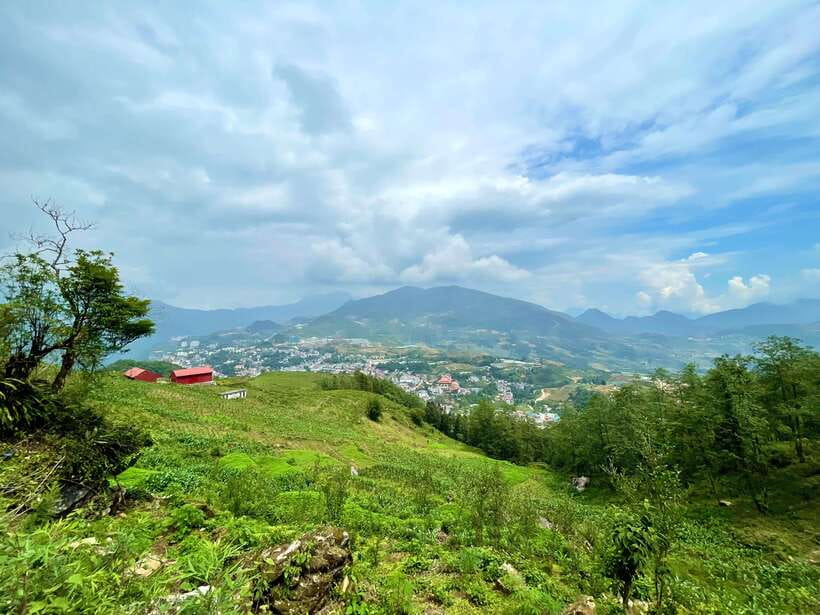
The final cultural stop is the Ban Bo village museum. This is where the trek shifts from mostly outdoors to a more grounded understanding of what you’ve been walking through all morning.
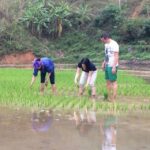
You’ll learn about traditional clothes, local customs, and how daily village life works in this region. It’s a short stop, but it adds meaning to the photos you took earlier—suddenly those homes and details on the trail feel less random.
After the museum visit, the program ends and you’ll head back to town or your accommodation by car. It’s a nice way to close: you don’t leave the villages and then immediately lose the context.
Guide Fit, Trek Difficulty, and Safety on Rainy Days
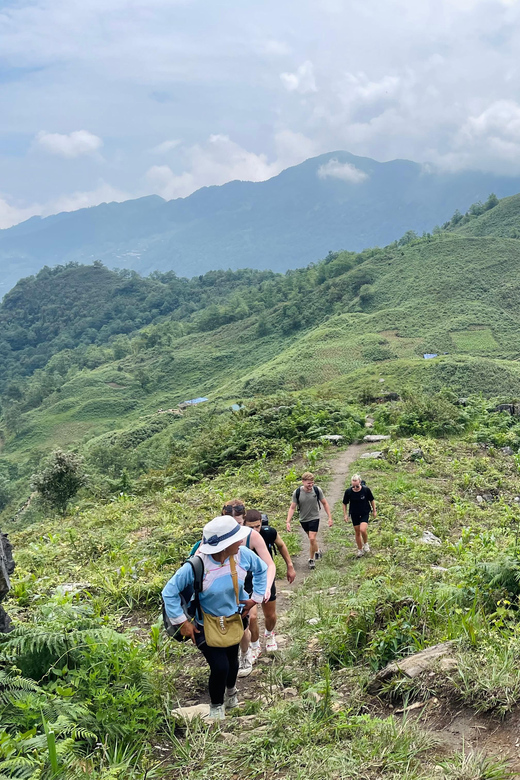
This trek is listed as moderate to challenging, and the day’s difficulty depends heavily on weather and trail conditions. Steep slopes and slippery patches show up more often than you’d expect, especially during or after rain.
One of the best things you can do is ask your guide about route options based on your comfort level. Some guides will check in about whether you want an easier or more difficult path if conditions are wet. That flexibility can make a big difference in how much you enjoy the day versus how much you just endure it.
English is part of the package—this is a tour with an English-speaking guide—and the recommended guides you might encounter include names like Nhu, Tung Jacob, and Keyni. In practice, the strong value isn’t only communication. It’s also encouragement and pacing when the climb gets steeper.
Also, you may be able to ask for a poncho if the rain shows up. It’s a small thing, but it saves you from spending the hike cold and grumpy.
Price, Inclusions, and What You Need to Pack
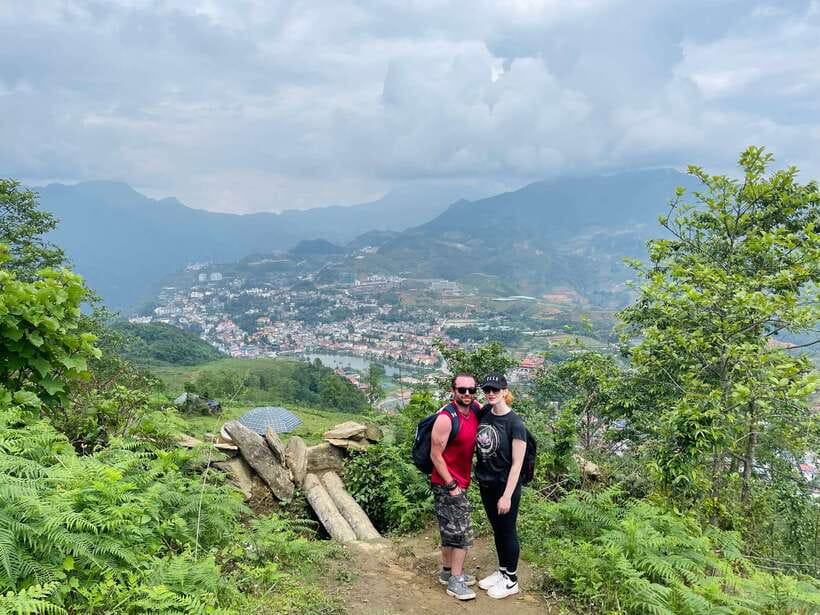
At $24 per person for a 6-hour guided day, the value is in what’s included—not just the trail. You get:
- Professional English-speaking guide
- Lunch in the village
- Entrance fees
- Transport back to Sapa town or your accommodation
- Bottle water
That’s a solid deal for Sapa, because you’re covering guide time plus the museum entry plus the logistics of getting you back without hassle.
What you should bring is simple, but don’t underpack:
- Comfortable hiking shoes with good grip
- Warm clothing (weather changes fast)
- Camera
- A basic layering setup so you can handle sun, cloud, and mist without overheating
If you have dietary restrictions, tell the guide ahead of time. Lunch is included, but your best experience comes from matching the meal to your needs.
Who should skip it: the tour is not suitable for people with heart problems and is not set up for wheelchair users.
Should You Book This 1-Day Trek to Mountain, Local Villages & Rice Terraces?
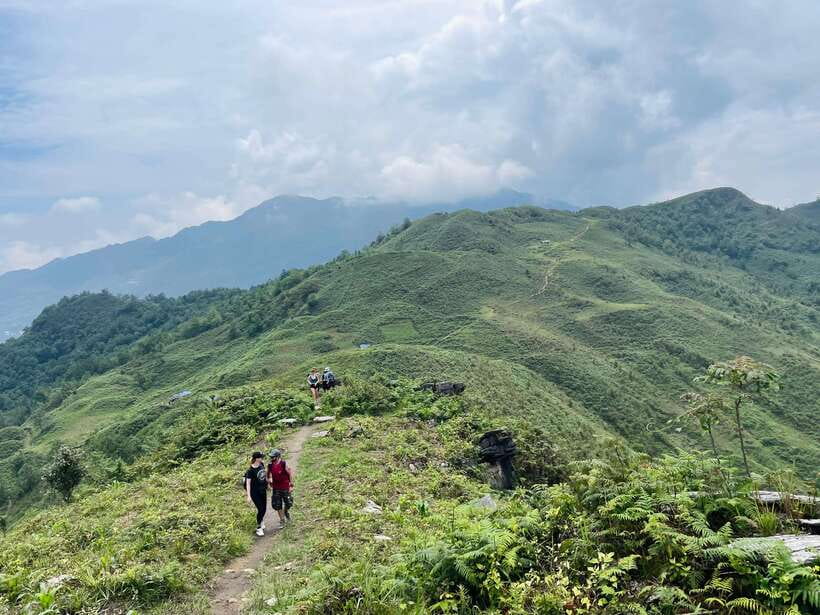
Book it if you want a day in Sapa that hits the main visual highlights—Dragon Jaw Mountain, Muong Hoa rice valley, and Fansipang views—while also adding human context with Hang Da village and the Ban Bo museum. This is ideal for first-timers who want a meaningful route without committing to a multi-day trek.
Skip it (or pick a gentler plan) if you’re not comfortable on steep, slippery trails, even for short periods. This isn’t a flat stroll. Your best chance of enjoying it is showing up with proper footwear, warm layers, and a willingness to take it slow downhill.
If you’re flexible and you like your travel days to be equal parts views and culture, this one-day trek gives you a lot for the price.
FAQ
Where do they pick me up in Sapa?
Pickup is either from your hotel around Sapa Center or from Sapa Church, the main church in town. If you haven’t provided hotel details, the guide meets you in front of Sapa Church.
What time does the tour start and how long is it?
The pickup and start time is around 9:00am. The total duration is about 6 hours.
What are the main places you visit during the trek?
You’ll visit Dragon Jaw Mountain, walk through village areas including Hang Da, and end with a visit to the Ban Bo village museum. You also have photo stops along the route at other villages/points.
Is lunch included, and where do you eat it?
Yes. Lunch is included, and it’s served in Hang Da village with local dishes. You’ll have about 1 hour for lunch.
What should I bring for the trek?
Wear and bring comfortable hiking shoes with good grip and warm clothing, since the weather can change. Bring a camera too.
Is this tour suitable for wheelchairs or people with heart problems?
No. The trek is not suitable for wheelchair users and isn’t recommended for people with heart problems.