REVIEW · KATHMANDU
Ghorepani Poonhill Trek (6 Days)
Book on Viator →Operated by Sujan Ratna Shakya · Bookable on Viator
Sunrise over the Himalaya is addictive. This short Ghorepani Poonhill trek mixes village walking with big mountain views and a guide who handles the moving parts. You also get a meaningful cultural starter at Manakamana, plus time to reset in Pokhara with a boat ride on Phewa Tal.
I like how this route keeps things manageable while still feeling like real trekking. You’ll move through small places along the way, not just check off viewpoints. One thing to keep in mind: the best views depend on weather, so you’ll want to stay flexible if skies don’t cooperate.
In This Review
- Key moments that make this trek work
- Manakamana Temple Day: Cable Car Views Before the Trail
- Nayapul Start: The Old Suspension Bridge That Sets the Tone
- Ulleri School Stop: A Quick Tea Break and Real Village Tempo
- Poonhill Sunrise for Dhaulagiri and Annapurna (Then on to Ghandruk)
- Pokhara Reset Day: Phewa Tal Boat Ride and the Lake Temple Shot
- Ride Back to Kathmandu: 205 km of Scenic Hills and Rivers
- Price and What You’re Really Getting for $616.78
- Your Guide and Porter: Why Sujan Ratna Shakya Is a Big Deal
- How Fit Do You Need to Be for This Short Trek?
- Practical Tips for Better Views and Easier Walking
- Should You Book Ghorepani Poonhill Trek 6 Days?
- FAQ
- How long is the Ghorepani Poonhill Trek?
- Where does the tour operate?
- What is included in the trek price?
- Are permits included?
- Is the Phewa Tal boat ride included?
- What if weather is bad for the sunrise views?
Key moments that make this trek work
- Manakamana Temple + cable car: a 12-minute ride to a hilltop temple with wide Himalaya views on clear days
- Nayapul old suspension bridge: an easy, classic Himalayan village entrance point
- Ulleri School stop: a short tea break where the route feels human-scale
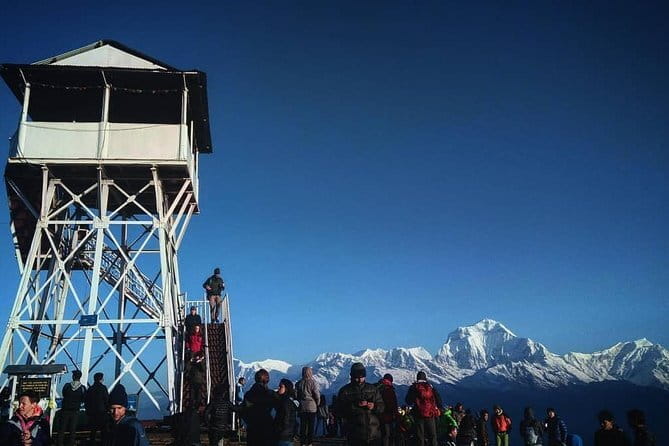
- Poonhill sunrise for major peaks: views can include Dhaulagiri, Annapurna, and Machhapuchhre (Fishtail)
- Ghandruk continuation: you keep moving toward this well-known village area after sunrise
- Phewa Tal boat ride: a 1-hour ride plus a temple in the lake that’s great for photos
Manakamana Temple Day: Cable Car Views Before the Trail
Day 1 starts with a hilltop Hindu temple dedicated to Goddess Manakamana. The practical hook here is the short cable car ride: it’s only about 12 minutes up, so you’re not burning hiking energy before you even begin the trek. On a clear day, the viewpoint is set up for seeing a sweep of the Himalaya.
Even if you’re not there for religious sites, this stop has value. You get context for Nepal beyond trekking: the temple is tied to a belief that the deity helps fulfill people’s dreams. That meaning helps the whole trip feel more grounded when you later pass through villages on the trail.
A small caution: the hilltop view is weather-dependent. If clouds roll in, you may still enjoy the temple and the ride, but don’t count on crisp panorama.
You can also read our reviews of more tours and experiences in Kathmandu.
Nayapul Start: The Old Suspension Bridge That Sets the Tone
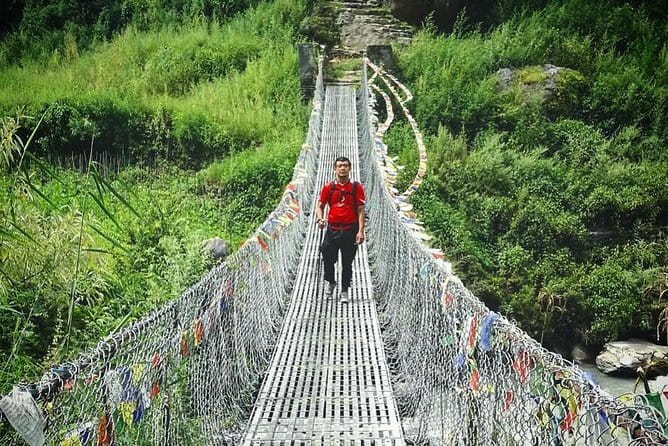
After transfers, you reach Nayapul and step into the trekking rhythm. The iconic start is an old suspension bridge at Nayapul. It’s only around 30 minutes and admission is free for this stop, but it does a good job of signaling what kind of day this is going to be: village life, narrow paths, and the kind of scenery that feels close rather than distant.
This is also a smart way to begin if you want less stress. Instead of starting the first walking day with a huge climb, you ease in with a memorable “gateway” moment.
What to watch for: bridges and paths are where the pace can surprise you. Even if the trek is short overall, Nepal trails can feel uneven underfoot. Wear solid footwear and keep your steps calm.
Ulleri School Stop: A Quick Tea Break and Real Village Tempo
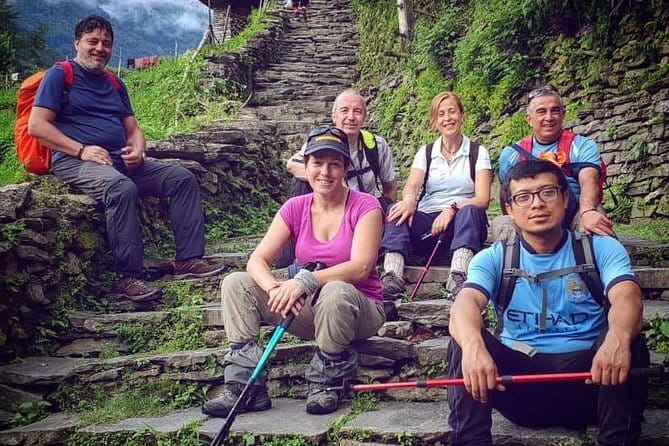
Day 3 brings a small village stop at an Ulleri school. The time block is short—about 15 minutes—but it’s the kind of stop that changes the whole feel of a trek. You’re not just moving between scenic dots. You’re pausing where daily life happens.
This is also a good chance to reset. A brief tea break can help you steady your energy, especially if you’ve been walking and climbing for a while. The best trekking days include small recovery moments, not only big rest stops.
If you’re sensitive to crowds or noise, keep expectations modest. This stop is tied to a local school and village setting, so you’ll experience it as part of ordinary community life rather than a tourist stage.
Poonhill Sunrise for Dhaulagiri and Annapurna (Then on to Ghandruk)
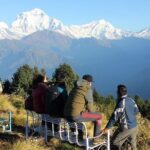
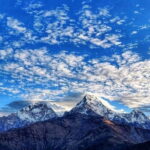
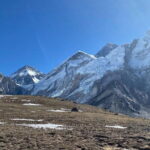
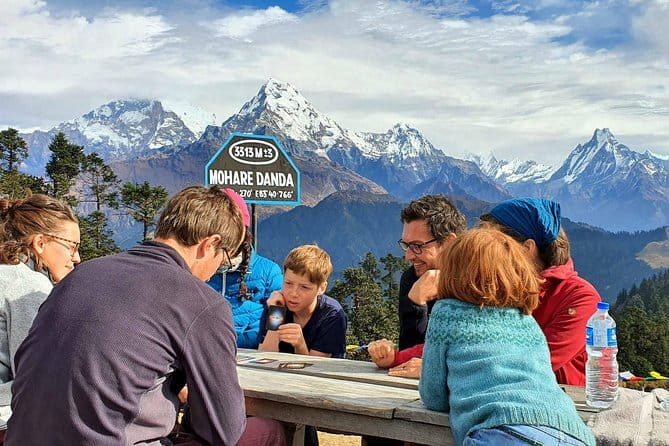
Day 4 is the big one. You do an early-morning sunrise excursion to Poonhill, with the goal of seeing some of the highest mountains in Nepal on a clear day. The peaks listed for this view include Mt. Dhaulagiri (8167 m), Mt. Annapurna (8091 m), and Mt. Machhapuchhre or Fishtail (6993 m).
The practical value of Poonhill is that it’s a classic way to experience “Himalaya scale” without committing to a long, high-altitude trek. Even on a shorter schedule, you still get that wow moment when the peaks sharpen in the morning light.
After sunrise, you continue on toward Ghandruk. That matters because the trip isn’t just about standing at one viewpoint. You’re walking through villages and transitioning from mountain drama back to daily trail life.
What to consider: sunrise plans live and die by the sky. If it’s cloudy, the mountains may not show clearly. This isn’t a tour you should only book for a guaranteed photo. Think of it as a chance for magic, with a backup mindset if weather is poor.
Pokhara Reset Day: Phewa Tal Boat Ride and the Lake Temple Shot
After trekking, you shift to Pokhara with time to breathe. Day 5 centers on Phewa Tal, a beautiful lake in the heart of Pokhara. You get an hour-long boat ride, and the stop includes access to a temple located in the middle of the lake. That’s a very specific photography moment, and it’s one of the easiest “included activities” on the whole itinerary.
I like this day because it balances trekking effort. Instead of more stairs and altitude games, you get water, calmer pacing, and a chance to think through what you saw on the trail. Also, having the boat ride included saves you from last-minute decision fatigue.
A tip that helps: bring something light for the boat ride, and keep your camera ready. Lake light can change fast as clouds move.
Ride Back to Kathmandu: 205 km of Scenic Hills and Rivers
Day 6 is a scenic drive back to Kathmandu. It’s about 8 hours to cover roughly 205 km. The route offers views of high hills, rivers, and countryside scenery, as weather permits.
This long ride is worth treating like part of the experience, not a punishment. You’ll get a final look at how the land changes, and you’ll likely feel the contrast between mountain walking and road travel.
Downside to plan for: a long bus day can be tiring, even with AC tourist buses included. Bring a neck pillow or extra layer if you get cold easily, and don’t plan anything intense the night you arrive in Kathmandu.
Price and What You’re Really Getting for $616.78
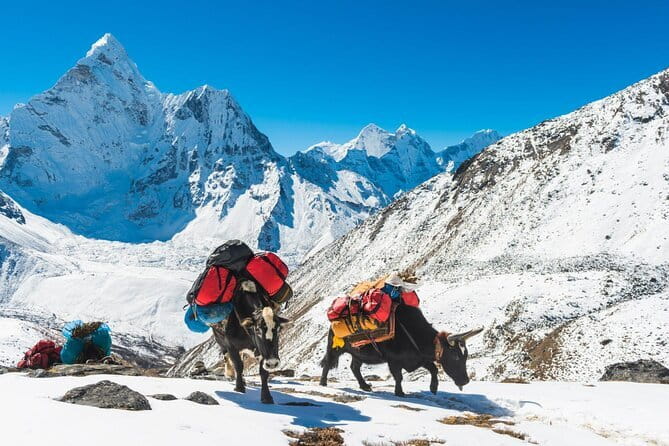
At $616.78 per person, this trip can feel like a steal or a stretch depending on what you’d otherwise pay. The best way to judge value here is to look at what’s bundled.
Included items include:
- AC tourist bus transfers Kathmandu to Pokhara and back
- 2 nights in a 3-star hotel in Pokhara, plus 3 nights in tea houses during the trek
- Pokhara to Nayapul and back transfers
- Trek permits
- An English-speaking trek guide and a porter
- A 1-hour boat ride on Phewa Tal
- Meals during the trek: 5 breakfasts, 4 lunches, 4 dinners
Not included:
- Lunch and dinner in Pokhara
- Guided sightseeing tours or entrance fees in Pokhara
- Travel insurance, rescue, and emergency evacuation
- Nepal entry visa fee
- Tips for guide, porter, and driver
- Personal expenses and drinks
So where does the money go? You’re paying for more than “just hiking.” You’re paying for permits, lodging style on the trail, meals, and the logistics of moving between Kathmandu, Pokhara, and the trail start. If you’re the kind of traveler who wants a low-friction trip, this bundling can be a big advantage.
The one financial note: the total can rise if you also need a visa, insurance, and tips. Still, compared with piecing everything together yourself, the structure here is often good value.
Your Guide and Porter: Why Sujan Ratna Shakya Is a Big Deal
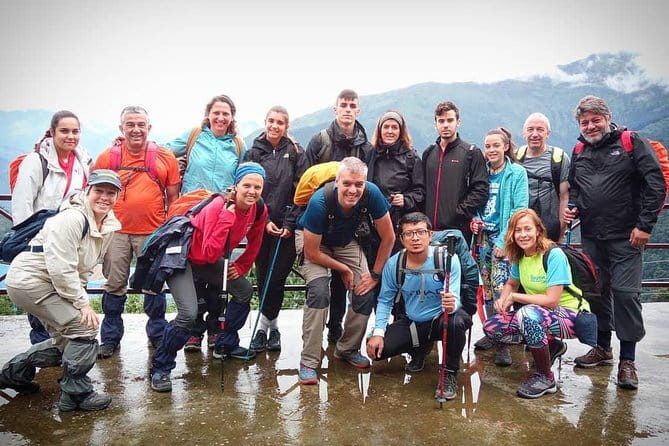
This trek’s quality is strongly tied to the human factor, and the name Sujan Ratna Shakya shows up again and again in positive feedback. The consistent theme is simple: he’s friendly, professional, and attentive to the group. People also highlight that he explains culture and trekking in a way that keeps things interesting, not just “walk here, stop there.”
One especially useful detail: Sujan can speak multiple languages, including Spanish. That matters more than you might think. When you can ask questions and get clear answers, your day feels smoother, and you understand what you’re seeing instead of just collecting photos.
Also, the porter is part of the rhythm. Having porter support reduces stress on your body and helps you focus on walking and enjoying the route.
If you value a guide who can talk through what’s happening—temples, villages, trail dynamics—this is a strong match.
How Fit Do You Need to Be for This Short Trek?
The trek is described as short and suitable for all types of trekkers. That’s encouraging, and in practice, short treks usually mean lower commitment than long trek circuits.
But don’t treat that as “no effort.” One note from the experience is that the route can include many stairs. That’s common on Himalayan treks, and it’s the kind of challenge that depends on your knees and your walking rhythm.
A good rule for this kind of route:
- If you can handle regular walking and some stair-like climbing, you’ll likely do fine.
- If stairs are a problem, go slow, take extra micro-breaks, and keep your steps steady.
Also remember: trekking comfort comes from basics—good shoes, hydration, and not rushing the pace.
Practical Tips for Better Views and Easier Walking
This is a weather-dependent itinerary. The experience requires good weather, and if it’s canceled due to poor conditions, you’re offered a different date or a full refund. So build in flexibility.
On the trail, focus on the small controllables:
- Start your day with enough warm layers for early mornings. Sunrise viewing is typically cold.
- Keep your hands and feet comfortable in cool weather if you go out early for viewpoints.
- If clouds obscure peaks, don’t get stuck thinking about the missed photo. Enjoy the village walking and the temple moments, which still land even when the mountain drama is muted.
For the included boat ride, protect your phone or camera from splashes. Lakes are calmer than rivers, but accidents still happen.
Finally, plan your energy for the mix of trekking and road travel. You’ll trek for several days, then spend about 8 hours on the return drive. That’s not the day to treat like an after-trek marathon.
Should You Book Ghorepani Poonhill Trek 6 Days?
Book it if you want a short, well-structured trek that hits all the big Nepal themes: Himalaya views, village life, and cultural stops. The Poonhill sunrise goal, the Manakamana temple start, and the Pokhara Phewa Tal boat ride make for a rounded trip without weeks of planning.
Think twice if you’re only interested in guaranteed mountain visibility. With sunrise views depending on clear weather, you need a flexible mindset. Also, be honest about stair tolerance.
If you’re drawn to a trek where the guide makes a difference, this one has a strong edge. Having a multilingual, attentive guide like Sujan Ratna Shakya—and porter support—turns the trip from a route on paper into a smoother, more meaningful journey.
FAQ
How long is the Ghorepani Poonhill Trek?
The trek is about 6 days.
Where does the tour operate?
It starts in Kathmandu, includes trekking around Ghorepani and Pokhara, and returns to Kathmandu.
What is included in the trek price?
The price includes AC tourist bus transfers (Kathmandu–Pokhara–Kathmandu), 2 nights at a 3-star hotel in Pokhara, 3 nights in tea houses, Pokhara–Nayapul–Pokhara transfers, all trek permits, an English-speaking guide and porter, a 1-hour boat ride on Phewa Tal, and meals (5 breakfasts, 4 lunches, 4 dinners).
Are permits included?
Yes. All trek permits are included.
Is the Phewa Tal boat ride included?
Yes. You get a 1-hour boat ride on Phewa Tal, and the lake temple is part of the activity for photography.
What if weather is bad for the sunrise views?
The experience requires good weather. If it’s canceled due to poor weather, you’ll be offered a different date or a full refund.