REVIEW · MARRAKECH
2 DAY BERBER VILLAGES TREK FROM MARRAKECH ( azzaden valley )
Book on Viator →Operated by Toubkal Experience · Bookable on Viator
High Atlas trekking with Berber villages, fast. This two-day trek from Marrakech puts you on real trails through Imlil and up to the Tizi M’zzik pass, with the highlight moment being the walk toward the Tamsoulte waterfalls. I like that the day isn’t just about “getting to a view.” It’s about moving through working valleys and seeing how people live in the shadow of the mountains.
The best part for me is the human side of it: the team matters. Guides like Hassan and Hussein, and an organizer named Ibrahim, come up again and again in people’s feedback, and you also hear praise for the food prepared during the trek (including cooks referred to as Mr cook). On top of that, you get a proper overnight in a village guest house/gite, not some rushed pit stop.
One thing to consider: this isn’t a flat stroll. Day 1 is about 6 hours of walking, and day 2 is around 5 hours, with mountain passes in between—plus the weather needs to cooperate.
In This Review
- Key highlights you’ll feel on this Azzaden Valley trek
- Marrakech to Imlil: the drive that makes the mountains feel close
- Day 1: Tizi M’zzik pass, Tamsoulte waterfalls, and a descent through Azzaden country
- Tizi Oussem overnight: why sleeping in the village changes the trek
- Day 2: Id Issa, Tizi Oudid pass, walnut groves lunch, and down to Aguersiouâl
- Guides, food, and muleteers: where this tour earns its praise
- Price and value: how $139.59 fits a two-day mountain trek
- Pace, fitness, and packing notes for a comfortable Azzaden Valley walk
- Who this is perfect for (and who may want a different route)
- Should you book the 2-day Berber Villages Trek from Marrakech (Azzaden Valley)?
- FAQ
- How long is the trek?
- Do you get picked up in Marrakech?
- Where do you sleep overnight?
- Is lunch included on the route?
- What mountain passes do you cross?
- Is this a private experience?
- What if the weather is bad?
Key highlights you’ll feel on this Azzaden Valley trek
- Tizi M’zzik climb and big High Atlas viewpoints before you drop toward waterfalls and villages
- Tamsoulte waterfalls as a strong mid-day goal on Day 1
- Juniper forest walking leading you down to Tizi Oussem for the night
- Tizi Oudid pass + walnut groves lunch by the river on Day 2
- Azzaden Valley hamlets where the trip shifts from “sightseeing” to “walking with local life”
- Team-driven comfort: strong praise for guides and the trek meals, plus a professional muleteer setup when mules are used
Marrakech to Imlil: the drive that makes the mountains feel close
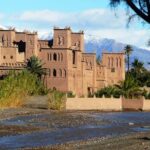
You start after breakfast in Marrakech, with pickup offered and a private setup for your group. The ride runs you through mountain-road towns along the way, including Tahnnaout, Oued Ghighaya, and Asni, before you reach Imlil (about 65 km from Marrakech). This matters more than it sounds. You’re not dropped at a random trailhead—you’re guided into the Atlas gradually, so the change in air and the density of valleys hits you without whiplash.
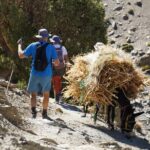
Once you arrive in Imlil, you meet your guide and muleteer (the support person who keeps logistics and animals sorted if you use them). Then the walking begins. There’s a practical rhythm to the start: you get oriented, you set expectations for the pass ahead, and you’re not wasting daylight figuring out where to go.
If you’re the kind of traveler who likes a “plan with room to breathe,” this is a nice match. You’ll be active, but you won’t feel abandoned.
You can also read our reviews of more tours and experiences in Marrakech.
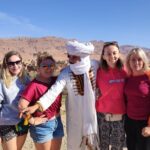

Day 1: Tizi M’zzik pass, Tamsoulte waterfalls, and a descent through Azzaden country
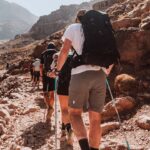
Day 1 has the classic Atlas shape: climb, crest, then move down through forests and settlements. After meeting the team in Imlil, you start trekking uphill toward the Tizi M’zzik pass. Depending on where a map lists the key point, the pass is referenced around 2,450–2,684 meters, so treat it as a serious high point rather than a casual “number you read on a sign.”
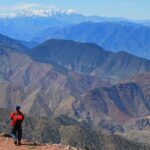
From up high, you get wide views over the Imlil valley, with the Toubkal area visible in the distance (when visibility is good). The feeling here is about scale: you suddenly understand why these villages cling to slopes and ridgelines. After the crest, you continue toward Tamsoulte.
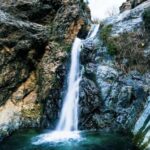
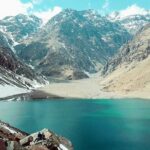
Tamsoulte waterfalls are the other Day 1 “anchor.” You’ll trek toward them at roughly 2,300 meters, with stops that help you pace the climb. The key is that you’re not racing for photos—you’re walking long enough for the whole valley to open up around you, including the trails that cut through the area’s juniper.
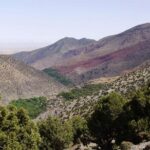
Then the day turns into descent. You move down through the Azzaden valley area, and the trip description calls out juniper forest as part of the experience—exactly the kind of walking that feels different from open rocky paths. It’s cooler, quieter, and the forest gives you a natural rhythm: step, look, breathe, repeat.
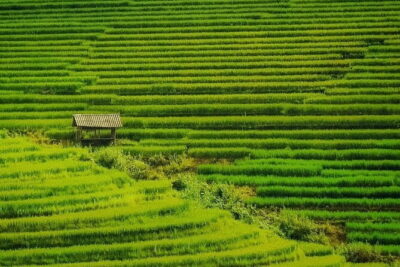
You also have a village stop tied to the Assif Aït Mizane valley—overlooking ancient irrigated terraced fields planted with fruit trees and vegetables. Even if you don’t know the names of every plant, you’ll understand the point: this is how water and slope combine to make agriculture possible in steep terrain.
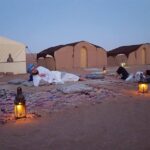
By late afternoon, you reach Tizi Oussem for the night (about 1,850 m). You sleep in a guest house/gite in the village. People praise the food as well as the overall team setup, and that matters because it turns Day 1 from “a long hike” into “a lived-in overnight.”
Walking time on Day 1 is about 6 hours, so most of the effort is concentrated—not scattered into dozens of tiny admin tasks.
Tizi Oussem overnight: why sleeping in the village changes the trek
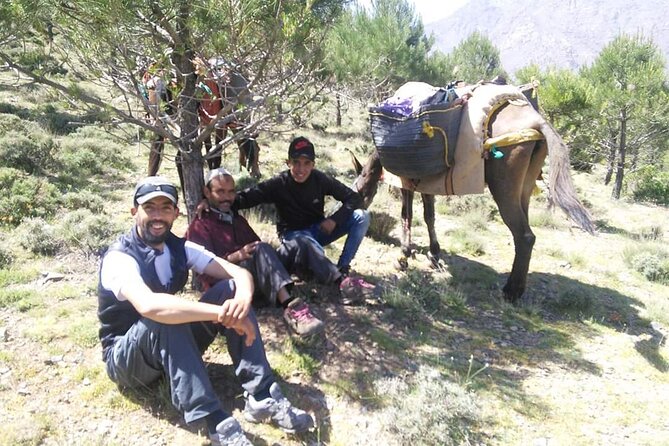
The overnight is not just a checkbox. When you stay in Tizi Oussem, you’re inside the daily mountain timetable. You’ve earned that slower pace by the time you arrive, and the village setting gives you time to actually notice details you’d miss if you kept moving all the next day.
In the feedback you’ll see repeated praise for meal quality—described as delicious—plus comfort from the lodging setup (often referred to as gites). That combo is important on an overnight trek in the Atlas. You need two things after walking: warm food and a place that feels stable enough to rest well.
Also, there’s a social part to it, even if you don’t plan to chat for hours. You’ll likely share space with the guide team and other locals connected to the trek logistics. You can ask simple questions—how the valleys work, what the crops mean, what a pass is like in other seasons—and your guide will translate the landscape into human terms.
One practical tip: pack for village evenings. Even if your hike is warm, mountain nights can feel cooler, and comfort matters once you’re done walking.
Day 2: Id Issa, Tizi Oudid pass, walnut groves lunch, and down to Aguersiouâl
After breakfast at the village, Day 2 starts with a gentler feeling at first: colorful valley walking past Berber hamlets. You head from Tizi Oussem down toward Id Issa, then you start working your way up again toward Tizi Oudid pass (listed around 2,000 meters).
This is where the trek stays honest. Day 2 isn’t “easy recovery mode.” It’s another mountain crossing, just paced differently than Day 1. After crossing the pass, you head through Matat village and continue along a stretch described as a wild thurifer juniper forest. That’s a specific detail worth paying attention to. Juniper isn’t just decorative here—it’s part of the route character and the shade you’ll rely on while the temperature changes.
At some point you stop for lunch under walnut groves, with time to relax near the river. That lunch setting is one of the most tangible comforts of the second day. You’re not just “eating somewhere.” You’re eating where the valley makes sense—trees for shade, water nearby, and enough time to actually sit, not just gulp and go.
Then you continue toward Agersiouâl / Aguersiouâl. After that, you shift from walking mode back to road mode. You’ll have an afternoon transfer back to Marrakech, arriving around 17:00. Before you fully exit the mountain route, there’s also an extra hour up the Imlil valley on the way back to Imlil village, so the day ends with one more chance to take in the valley rhythm rather than going from pass directly to car.
Day 2 walking time is about 5 hours, so you still get a proper trek, but you’re not trapped in all-day exhaustion.
Guides, food, and muleteers: where this tour earns its praise
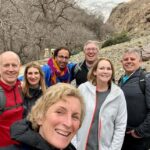
The reviews consistently push one theme: the team makes the difference. Names come up like Ibrahim (organizer) and guides such as Hassan, Hussein, and Aziz. You also see mention of Lhoussain, with one note that he speaks very good English—useful if you want clearer explanations of what you’re seeing.
What you want on a two-day trek is simple: you don’t want to wonder what happens next. This style of tour generally gives you that because the guide handles route decisions and the muleteer handles animal-and-pack logistics (and support). People also call out professional muleteer service and always-helpful support.
Food is another repeat strength. Meal quality gets described as delicious in the feedback. That’s not a luxury detail—it’s energy for the next walking block. And since you’re sleeping in village lodging, your meals are tied to where you’re staying. You’re not eating identical hotel food after every trail moment.
If you’re considering a mule ride to save your legs, the idea is at least raised by past hikers. Since it’s not spelled out in the day-by-day text, treat it as a question to ask your guide once you’re on the ground.
Price and value: how $139.59 fits a two-day mountain trek
At $139.59 per person for a roughly two-day trek, you’re paying for far more than “time on a trail.” The value is in the package:
- Transportation from Marrakech to Imlil (pickup included)
- Guided navigation across passes like Tizi M’zzik and Tizi Oudid
- Village overnight in a guest house/gite
- Meals during the trek, plus time to rest with lunches set in the valley
A two-day Atlas trek is also a supply-heavy experience: a guide, local support, and local lodging arrangements all cost money. When people repeatedly praise the team, it usually means fewer headaches on your end. That’s the real value: you enjoy walking instead of managing logistics.
Also, this is listed as private for your group, which matters if you’re traveling with family or friends and want shared pace instead of being absorbed into strangers’ schedules.
Pace, fitness, and packing notes for a comfortable Azzaden Valley walk
This trek is best for people who want effort, not just scenic driving. Day 1 is about 6 hours of walking with a high pass, then waterfalls, then descent. Day 2 is about 5 hours with another pass and a forest stretch.
You don’t need to be a mountain athlete, but you should be honest about your hiking level. If walking uphill for extended stretches makes you slow down badly, tell the guide early. The tour description says most travelers can participate, but your personal comfort counts.
Packing basics you should plan around this kind of altitude and village overnight:
- Good traction shoes (trails can vary)
- A light layer for village evenings
- Water and snacks for the in-between periods (even when lunch is provided)
- Sun protection for high points and exposed sections
The trek requires good weather, so if skies are stormy or conditions are poor, the operator may offer a different date or refund. That’s not a “small detail.” In the Atlas, weather affects trail safety and how comfortable it is to walk.
Who this is perfect for (and who may want a different route)
This trek is a strong match if you want:
- Real Berber village walking, not just a viewpoint stop
- A two-day format that’s long enough to feel “real” but not a big expedition
- A team-led experience with dependable food and a true overnight in a village setting
It also fits families who are comfortable hiking. Past feedback includes kids enjoying the hike—so it can work when everyone’s ready for real walking.
If you want a very light hike, minimal time on passes, or you’re sensitive to uneven trails, consider a shorter day route instead. Also, if you have tight mobility needs, a pass crossing plus multiple hours of walking might be more than you’d enjoy.
Should you book the 2-day Berber Villages Trek from Marrakech (Azzaden Valley)?
I’d book it if you like your Morocco active and human: trails, passes, waterfalls, juniper shade, and lunch by the river. The price feels fair because the trek includes guiding, overnight lodging, and food—plus the feedback highlights solid team service from people such as Ibrahim, along with friendly, professional guide behavior and good meals.
I’d think twice only if your hiking comfort is low, you’re very weather-sensitive, or you’re hoping for a “mostly flat” experience. The tour is built around mountain walking, not sightseeing from a bus window.
If you go, do it with the mindset of a trekker, not a tourist. Wear shoes you trust, ask questions when you want context, and let the villages and valleys do the talking.
FAQ
How long is the trek?
Day 1 is about 6 hours of walking, and Day 2 is about 5 hours.
Do you get picked up in Marrakech?
Yes, pickup is offered.
Where do you sleep overnight?
You sleep in a village guest house/gite in Tizi Oussem.
Is lunch included on the route?
Yes. On Day 2, lunch is enjoyed near the river under walnut groves.
What mountain passes do you cross?
You cross Tizi M’zzik on Day 1 and Tizi Oudid on Day 2.
Is this a private experience?
Yes. It’s private, and only your group participates.
What if the weather is bad?
This experience requires good weather. If it’s canceled due to poor weather, you’ll be offered a different date or a full refund. You can also cancel up to 24 hours in advance for a full refund.