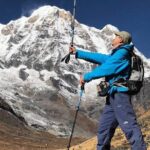
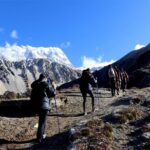
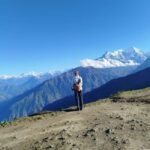
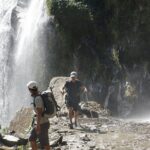
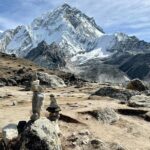
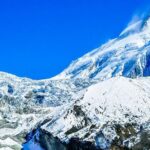
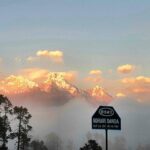
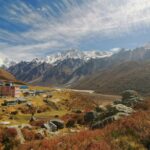
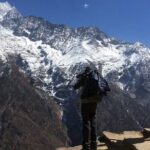
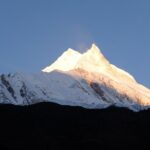
A trek to Poon Hill feels like a reset button. In nine days, you’ll hike through rhododendron forests in the Annapurna Conservation Area, sleep in village guesthouses, and earn sunrise views of the Annapurna and Nilgiri ranges. I like that the trek keeps the planning light—meals, lodging, and guide logistics are handled—so your focus stays on the trail and the mountains.
One more thing I really like: the included gear. Getting a complimentary sleeping bag and down jacket means you travel lighter and worry less about cold nights. The main drawback to consider is pace and cold: you’ll start early for Poon Hill and you should expect cold mornings and some steep stone-stair hiking.
In This Review
- Key things I’d watch before you go
- Kathmandu to Pokhara: the drive that sets your rhythm
- Nayapul to Ulleri: the early climb through villages and waterfalls
- Ulleri to Ghorepani: rhododendron forests and a ridge payoff
- Poon Hill morning: Nilgiri and Annapurna in one frame
- Tadapani to Ghandruk: forest descents and real village time
- Ghandruk to Nayapul, then Pokhara: time for your legs to unclench
- Pokhara back to Kathmandu: Dumre, Muglin, and the Trishuli River
- Price and value: what $439 really covers (and what it doesn’t)
- What days feel hardest: a realistic view of the effort
- Who this Ghorepani Poon Hill trek is best for
- Trust factor: the team’s service style (from real feedback)
- Should you book this Ghorepani Poon Hill trek for $439?
- FAQ
- Where does this trek start?
- How long is the Ghorepani Poon Hill trek?
- What is the price?
- What’s included in the price?
- What transportation is provided?
- What is not included?
- Are sleeping bags and down jackets provided?
- Do I get drop-off at the airport at the end?
- Is this a private tour?
- Can I cancel for a refund?
Key things I’d watch before you go
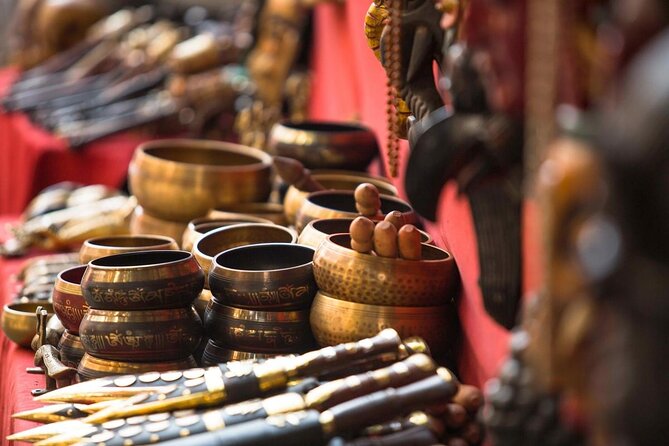
Poon Hill sunrise is the big payoff, with views that include Nilgiri, Hiunchuli, Annapurna I, Annapurna South, and more.
All trek meals are included, which helps you stay fueled without negotiating each day.
You get sleeping bag and down jacket rentals (complimentary), a major value if you’d otherwise rent or buy gear.
Your transport is pre-planned, including a tourist bus run between Kathmandu and Pokhara.
Gurung villages on the route (Ulleri and Ghandruk) add real local culture beyond the trail photos.
It’s a private trek for your group, not a mixed joiner crowd.
Kathmandu to Pokhara: the drive that sets your rhythm
Day 1 is about landing and getting oriented in Kathmandu. You arrive at Tribhuvan International Airport, and a company representative meets you, then you’re taken to a hotel in Thamel. After that, you’ve got the rest of the day to walk, snack, and get your bearings among Newari art, culture, and architecture. It’s a nice calm start because trekking days later don’t care if you’re jet-lagged.
Day 2 is where Nepal begins to feel real. You ride by tourist bus from Kathmandu to Pokhara, traveling via the Prithvi Highway and crossing a suspension bridge at Muglin. There’s a lunch stop in Dumre, and as you near Pokhara you start getting distant glimpses of the Annapurna range—plus Machhapuchhre (6997 m). Even if you can’t see it clearly yet, you’ll feel the “we’re getting closer” energy.
Practical note: bus days can be long, so I’d treat this as your first hydration-and-snack setup day. Once you start trekking, you’ll be relying on a steady routine.
You can also read our reviews of more tours and experiences in Kathmandu.
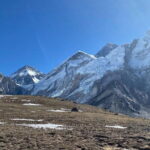
Nayapul to Ulleri: the early climb through villages and waterfalls
The trekking portion starts on Day 3 after a short ride from Pokhara to Nayapul (via Lumle). Right away you notice vegetation increasing as you move into the higher trekking zone. Once you begin from Nayapul, you walk alongside the Bhurungdi Khola, gradually ascending toward Hile through places like Birethanti.
After lunch at Hile, the trail turns more “tactical”: you’ll cross several suspension bridges and pass waterfalls. Then comes the payoff—there’s a close-up view of Annapurna South (7219 m) before you continue up to Ulleri (via Tikhedhunga).
This day is often where expectations get calibrated. You’ll likely feel the climb, but it’s broken into a series of village-to-village goals. And the scenery is already mountainous, even before you reach Ghorepani.
Ulleri to Ghorepani: rhododendron forests and a ridge payoff
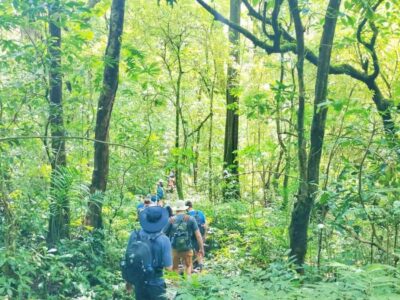
Day 4 is your move into the Ghorepani area. You leave Ulleri behind and start trekking toward Ghorepani, with the trail running through green forest—specifically rhododendron and oak. The route also includes stone-paved paths and lush sections that feel like a break from relentless step-counting.
There’s a steep climb to a ridge top at Nangethanti, then the final leg brings you into Ghorepani. This is the gateway village for Poon Hill, and it’s also where you start sleeping in the rhythm you’ll keep for the next few nights.
A small but important detail: the itinerary highlights Gurung hospitality in Ghorepani. In practical terms, it often means guesthouses are used to trekkers coming in cold and tired—so you’ll usually find meals and warm indoor spaces when the day ends.
Poon Hill morning: Nilgiri and Annapurna in one frame
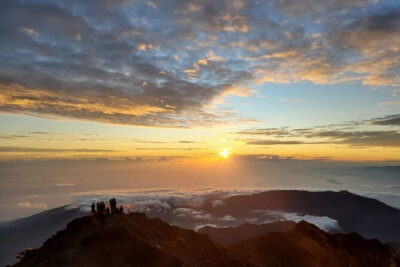
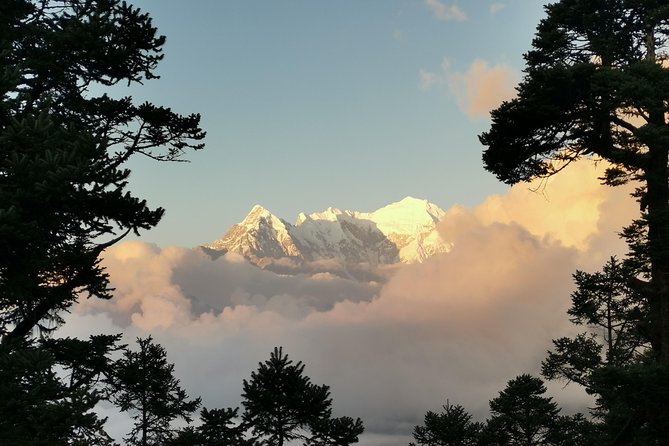
Day 5 is the star morning. You start early and hike up stairs and stony paths until you reach Poon Hill. This is when the view becomes the whole reason you’re here.
Expect a big horizon of peaks, including:
- Nilgiri (7061 m)
- Hiunchuli (6441 m)
- Annapurna I (8091 m)
- Annapurna South (7219 m)
- plus additional snow-capped peaks around the area
Then you descend back to Ghorepani and continue the trek toward Tadapani. The route passes through Deurali and heads on to Banthanti. You’ll move through forested zones again—rhododendron and bamboo are mentioned—so it doesn’t feel like you’re just walking “between viewpoints.” It’s more like you’re transitioning ecosystems as you change elevation.
One detail I appreciate from the structure of this day: you don’t only do Poon Hill and call it a win. You keep walking, so the trekking feels like a true journey rather than a single photo stop.
Tadapani to Ghandruk: forest descents and real village time
Day 6 shifts your energy. You descend from the Tadapani side toward Ghandruk, and the route goes through rhododendron forest. You’ll also cross small rivers, and you walk past Bhaise Kharka on sloppy trails (meaning: expect uneven ground where careful footing helps).
When you reach Ghandruk, you’re not just arriving at a bed—you’re arriving at one of the major Gurung villages in the region. The itinerary notes you can visit a local museum, a monastery, and nearby temples.
This is a good day for slowing down a bit. Even if your legs are ready for rest, Ghandruk is one of the better places on this route to remember you’re in a living community, not a set for scenic hiking.
Ghandruk to Nayapul, then Pokhara: time for your legs to unclench
Day 7 is a long but rewarding transition back down. After breakfast, you trek toward Nayapul along the Modi Khola. You pass through Syauli Bazaar and continue toward Birethanti, then arrive at Nayapul.
From there, you take a short drive to Pokhara. Once you’re back in the city, you get a proper evening: roaming around Phewa Lake is built in, which is a smart recovery move. You get a mental shift—from trekking rhythm to lake-city strolls—without cutting the day too short.
If you like doing one easy activity after a hard day, this is the moment. It helps you stretch out, eat well, and sleep without the pressure of another dawn trek start.
Pokhara back to Kathmandu: Dumre, Muglin, and the Trishuli River
Day 8 is your ride back to Kathmandu. You head through settlements of Dumre and Muglin, drive along with the Trishuli River, and you’ll get opportunities to observe Brahmin and Chhetri communities during the journey. There’s a quick lunch at Muglin, then you continue to Kathmandu, reaching Thankot.
This day can feel like a “travel day fog,” but it’s also a chance to process what you just did. You’ve just walked through multiple altitude changes and multiple village cultures. By the time you’re back in the capital, you’ll likely feel the contrast.
Day 9 keeps it simple: you’re dropped at the airport about two hours before your flight, with time to say goodbye and share your experience along the way.
Price and value: what $439 really covers (and what it doesn’t)
At $439 per person, this trek is priced like a “logistics included” adventure. You’re not just paying for a walking route. Your package includes:
- An English-speaking guide and his expenses
- All fees and taxes
- Private transportation
- Sleeping bag and down jacket provided
- Meals on the trek (breakfast and both lunch/dinner are included as listed)
- Accommodations in Kathmandu and Pokhara
You can treat this as good value if you want fewer headaches. Many trekking costs hide in rentals, meal planning, and booking coordination. Here, those items are already packaged—so the $439 is more predictable.
The extra costs to plan for are clear:
- Nepal visa fee
- Travel insurance (you should buy this before you go)
- Tips for guide(s), porter(s), and driver(s)
If you tend to travel with a minimalist approach, the included sleeping bag and down jacket can be especially helpful. If you already own all your gear, the value still holds, but it won’t feel as “wow”—it’ll feel more like convenience.
What days feel hardest: a realistic view of the effort
This trek mixes short hiking segments with a few more intense climbs. Day 3 has ascending hiking from Nayapul to Ulleri with bridges and waterfalls, and Ulleri to Ghorepani has a noted steep climb to Nangethanti.
The hardest “effort moment” for many people is Day 5. Starting early for Poon Hill adds the challenge of waking before your body is ready. The reward is huge, but you’ll want to be prepared for chilly morning air and lots of steps.
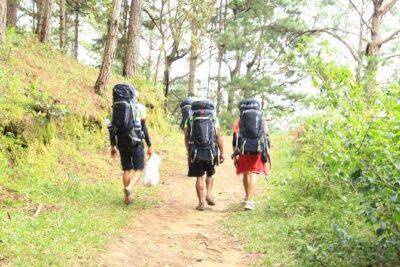
Even the lower hiking days aren’t flat. Forest trails, river crossings, and stone paths mean you’ll benefit from trekking shoes with solid grip and a steady pace.
Who this Ghorepani Poon Hill trek is best for
This is a strong fit if you:
- want big Himalayan views without committing to a high-altitude expedition
- like guided, organized travel with fewer booking hassles
- prefer village guesthouse trekking with included meals
- want a private group experience (your own group only)
It’s also a good choice for first-time Nepal trekkers because the package handles key logistics: transportation to Pokhara and back, accommodations in Kathmandu and Pokhara, and the trekking support.
It may be a tough fit if you:
- hate early mornings (Poon Hill requires one)
- want a completely gentle walking schedule (there are climbs and descents)
- don’t handle uneven stone and forest trails comfortably
Trust factor: the team’s service style (from real feedback)
Across past trips, the company’s reputation in the reviews centers on the same themes: friendly support, good communication, and help when things change. Names that come up in that context include Saran, and guides like Kumar, Rosni, Nilan, Bilang, Piri, and Bikki. The pattern is consistent: people describe careful handling, safety support, and encouragement through the hike.
I also like that there’s evidence of thoughtful arrival moments—like meeting people at the airport with a warm greeting—and a sense of cultural extras during downtime. Those details don’t replace the mountains, but they do change how smooth your trip feels overall.
Tip: if you’re booking, ask your guide how the day schedule shifts if clouds hide the sunrise. The itinerary can’t control weather, but a good team can help you make the best of it.
Should you book this Ghorepani Poon Hill trek for $439?
If you want one of the classic Annapurna viewpoints with logistics handled, I’d say yes. The value is in the package: meals included, gear provided, and transport plus accommodations arranged so you can focus on the trek. Poon Hill is the headline, but the route also gives you multiple mountain outlook moments and village time in places like Ulleri and Ghandruk.
I’d only hesitate if you’re very sensitive to cold starts or you’re looking for a purely flat walk. Otherwise, this trek is a practical way to see a lot of Nepal mountain country in a tight, nine-day window.
FAQ
Where does this trek start?
The start point is Tribhuvan Airport in Kathmandu, Nepal, with a listed start time of 7:45 am.
How long is the Ghorepani Poon Hill trek?
It’s listed as 9 days (approx.).
What is the price?
The price is $439.00 per person.
What’s included in the price?
The included items are an English-speaking guide, first aid kit, complimentary sleeping bags and down jackets, meals on the trek (breakfast, lunch, and dinner as listed), accommodations in Kathmandu and Pokhara, private transportation, and all fees and taxes.
What transportation is provided?
Transport includes private transportation and a tourist bus ride to and from Pokhara, with driving segments also included in the itinerary.
What is not included?
Not included are the Nepal visa fee, travel insurance, and tipping for guide(s), porter(s), and driver(s).
Are sleeping bags and down jackets provided?
Yes. Complimentary sleeping bags and down jackets are included.
Do I get drop-off at the airport at the end?
Yes. On the last day, you’ll be dropped off about two hours before your scheduled flight.
Is this a private tour?
Yes. It’s listed as private, meaning only your group participates.
Can I cancel for a refund?
Free cancellation is available. You must cancel at least 24 hours before the experience’s start time for a full refund.