REVIEW · KATHMANDU
Annapurna Circuit Trek
Book on Viator →Operated by Nepal High Trek & Expedition Pvt. Ltd · Bookable on Viator
Thorang La is closer than you think. This 10-day Annapurna Circuit trek stitches together scenic drives and tea-house nights to fit the big classics—Besisahar, Chame, Manang Valley, Thorang La (5,416 m), and Muktinath—without turning your trip into a 10–17 day slog. It’s also built around the idea that you can reduce altitude stress by keeping walking hours sensible and using an acclimatization stop in Manang.
What I love most is the way the trip is guided and managed. The feedback highlights guides like Shanta and Buddhi Tamang for staying organized, running a smooth rhythm, and making people feel safe—especially on a first, tough trek. Another thing I really like is the practical setup: you get essential gear (sleeping bag, down jacket, and a duffle bag), meals along the trail, and a focus on slow, deliberate altitude changes once you’re in the Manang area.
One consideration: even with a shorter plan, this route still includes long trekking days and high elevation. You’re also not meant to shortcut up to Manang by jeep past Chame, because the company flags that the altitude sickness risk is very high if you jump too high too fast.
In This Review
- Key things that make this Annapurna Circuit plan work
- Why this 10-day Annapurna Circuit route makes sense
- Kathmandu start: getting your bearings before the mountains
- Road to Besisahar and the long climb into Manang
- Chame to Manang: river valleys, alpine forest, and slow wins
- Manang acclimatization day: where your body catches up
- Yak Kharka and Thorung Phedi: the final legs before the pass
- Thorang La (5,416 m) and Muktinath’s spiritual landing
- Pokhara drive: scenic recovery after big altitude work
- Back to Kathmandu and your final flight day
- Price and value: what you’re really paying for
- The best part: guides who keep you calm on hard days
- Who should book this Annapurna Circuit Trek?
- Should you book it? My practical verdict
- FAQ
- Where does the trek start, and do I get airport pickup?
- How long is the Annapurna Circuit Trek in this package?
- What’s included for meals and drinks during the trek?
- Do I need to buy trekking permits or arrange them myself?
- What trekking gear is provided?
- What’s not included in the price?
- Who is this trek for in terms of fitness and timing?
Key things that make this Annapurna Circuit plan work
- A time-smart 10-day version that aims to cut the walking grind while still hitting Thorang La and Muktinath
- Manang acclimatization built in, with a recommended hike option to Gangapurna Lake
- Road segments keep things moving, but the trek part still gets serious around the pass
- Included sleeping and warmth gear, which helps you pack lighter for Nepal
- Guide support is the standout, with multiple guides praised by name in the feedback
Why this 10-day Annapurna Circuit route makes sense
The Annapurna Circuit is famous because it changes with every day. You start in warmer mid-hills, then you work your way up into high Himalayan country where villages cling to cliffs and prayer flags multiply like they’re growing on trees. This shorter version keeps that classic arc, just compressed by using the road link that helped open up travel between Besisahar and Manang.
Here’s the practical trick: the trek is designed so you’re not doing constant long climbs from sunrise to sunset. The plan includes a recovery-style day in Manang and keeps the walking hours more manageable as you approach the pass. That matters because altitude doesn’t care about your schedule—it cares about your pace and how your body adapts.
The other big detail is the jeep question. You can’t take a jeep beyond Chame in a way that makes sense for this route, and the organizers specifically warn that jumping to Manang by jeep can spike altitude sickness risk. In other words, they treat altitude like a health factor, not a travel shortcut. I like that mindset.
You can also read our reviews of more tours and experiences in Kathmandu.
Kathmandu start: getting your bearings before the mountains
You’ll land in Kathmandu, then get transferred to a hotel. After check-in, you’ll join a group briefing with a licensed guide from Kathmandu. That early briefing is one of those unglamorous things that pays off later. When you understand how the days flow, what to expect in the tea houses, and how the pass days work, you spend less energy guessing.
You also get hotel time with breakfast before you head out. That’s not just comfort—it’s useful stamina. A good start means you can actually enjoy the first travel day instead of counting down to exhaustion.
Another quiet advantage is the structure of the trip: your ground transport is handled, you’re not piecing together buses and jeeps on your own, and you have staff around you from the start. If you’re trekking solo, that kind of support can reduce stress a lot.
Road to Besisahar and the long climb into Manang
Day two is a big transition day. You drive away from the Kathmandu Valley and head toward Nepal’s mid-west around Lamjung and Besisahar. It’s a long stretch, and the time in the vehicle is part of the deal. But the payoff is that you gain altitude gradually, while still seeing dramatic mountain views as the route turns warmer and lower first.
Then comes the move to Chame. The drive is described as unpaved, which means you’ll feel it. Still, Chame matters because it’s the headquarters of Manang district, and it’s a natural staging point for the trek proper. You start to see multi-authentic village life and pine-heavy scenery that feels very different from the Kathmandu foothills.
If you’re thinking about logistics: plan for the fact that these are travel-heavy days. You’ll be tired, but you shouldn’t feel like you’re losing the trip to transport. In this plan, the drives are mainly there to position you well, not just to pass time.
Chame to Manang: river valleys, alpine forest, and slow wins
Once you reach the Manang area, the pace shifts toward walking days with scenery that builds.
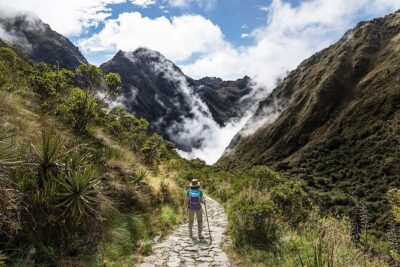
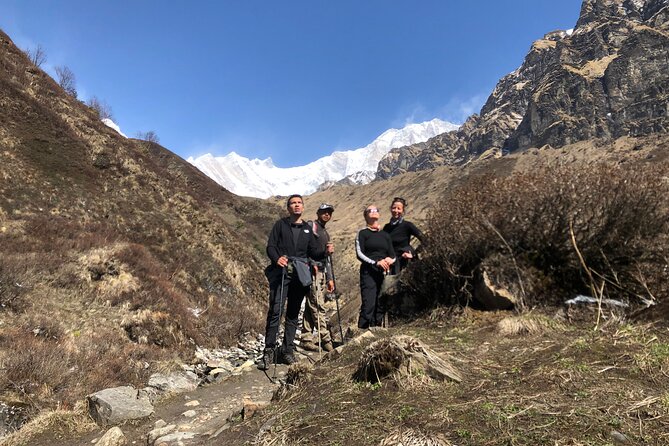
From Chame, you’ll follow a trail that heads upstream along the Masrsyangdi River, passing Bhratang village, and moving through alpine forest and pine trees. This section is a good example of why the Annapurna region feels different day to day. The valley gives you river sound and steady going, while the forest transitions remind you you’re moving into a colder, thinner-air world.
Then you move toward the Manang Valley area and Pisang village. Pisang sits facing mountain views, and the write-up emphasizes that altitude gains start slowly from here onward. That slow burn is what you want before higher elevations start taking more from you.
Tea-house trekking also becomes more real here. You’ll be staying on a private local tea house basis with twin sharing beds. That means your day feels like trekking, but your nights still feel like a community rest stop—meals, hot drinks, and a rhythm you can count on.
One more practical win: the trek includes seasonal fruits and three cups of tea per day. Tea sounds basic, but at altitude it turns into fuel, warmth, and a moment to catch your breath without rushing.
Manang acclimatization day: where your body catches up
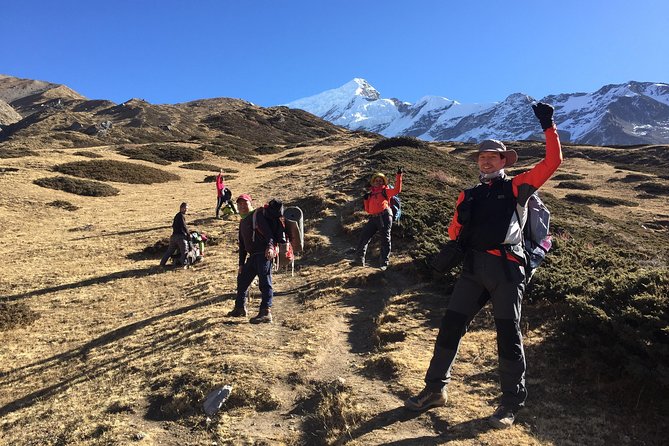
In Manang, you get a rest day for acclimatization. This is the day that many first-time trekkers underestimate. Rest doesn’t mean doing nothing—it means giving your body time to adjust while keeping your overall trip flow steady.
The plan also strongly recommends a hike to Gangapurna Lake. Even if you choose only part of it, this kind of side hike helps you “practice” higher altitude without committing to the full strain of the pass-day effort. It’s a smart balance: you get movement, views, and exposure, but you’re not still climbing hard the next morning.
This matters because you’re heading toward Thorang La soon after. The pass isn’t just about distance; it’s about oxygen. A good acclimatization day can be the difference between feeling like you’re surviving and feeling like you’re managing.
If you tend to feel antsy on rest days, use that energy the right way. Walk a bit, take it slow, hydrate, and pay attention to how your breathing changes.
Yak Kharka and Thorung Phedi: the final legs before the pass
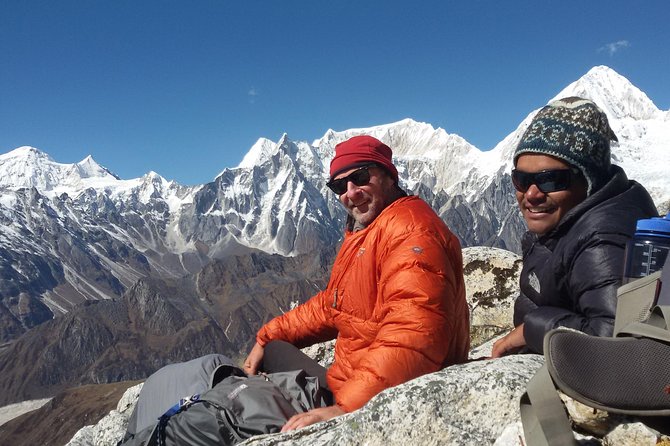
After Manang, you’ll walk to Yak Kharka, a high-altitude settlement with strong mountain views. The description highlights a long day and a terrain that involves crossing small streams. Days like this are where you learn to pace differently. You’re not trying to cover ground fast; you’re trying to keep your breath under control and your legs from burning out.
Then you move toward Thorung Phedi. This stage is all about approach: the route progresses along the Jarjung River, includes a bridge, and builds toward a higher rest point. You also climb the last hour on the way up to Thorung Phedi for a short rest before pass day.
This is also where your gear becomes more than a checklist. The trek includes a down jacket and a sleeping bag, and you’ll really appreciate warmth when temperatures drop at elevation. Layer smart and don’t wait until you’re cold to start managing it.
One honest note: the itinerary includes days running 13–14 hours in places. That doesn’t mean you’re hiking every minute at full speed—it means the day is long and you’ll be on your feet for a good stretch. You’ll want to treat the start of the day like a strategy, not a race.
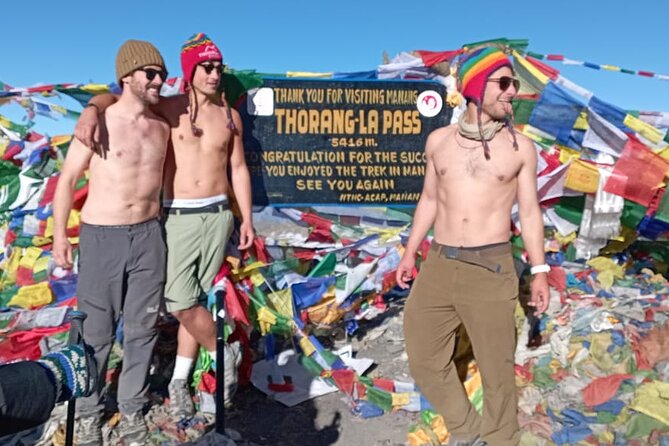
Thorang La (5,416 m) and Muktinath’s spiritual landing
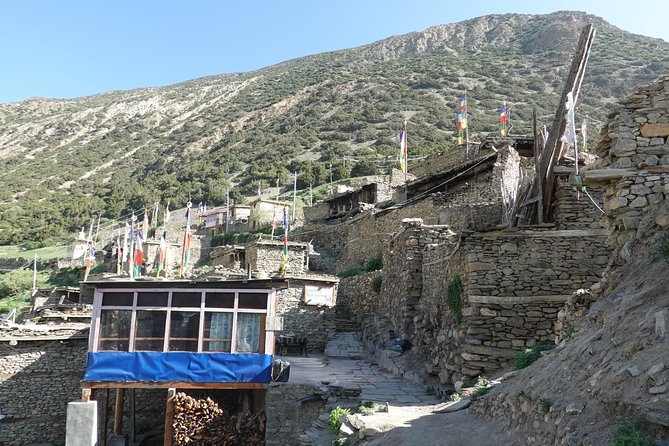
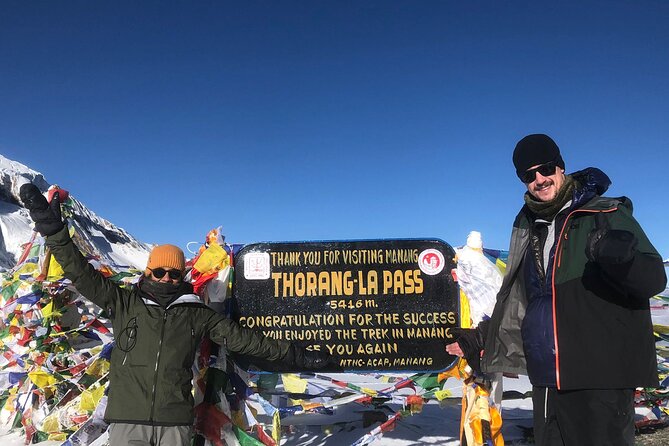
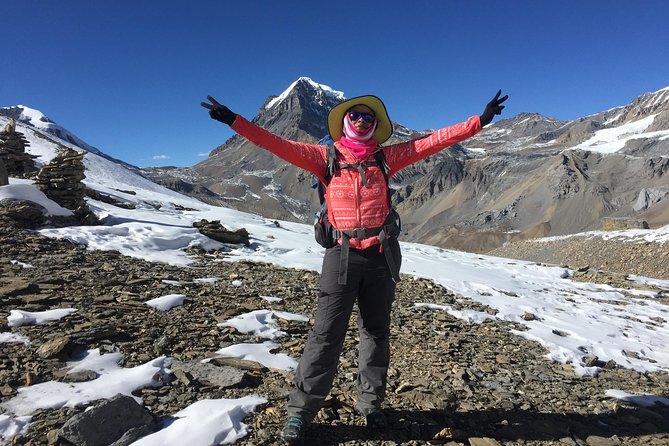
The highest point day is set up with an early start. The route climbs up to Thorang La at 5,416 m, and the description emphasizes the prayer flags marking the climb. Prayer flags are more than decoration here—they’re part of the visual wayfinding you’ll notice as you get closer to the pass.
At that altitude, the goal shifts from “reach the summit” to “move steadily through discomfort.” Your legs will feel it, and your breathing will need constant attention. This is where the acclimatization choices earlier in the trek show up.
After reaching the pass, you continue onward to Muktinath Temple. Muktinath is a major destination in its own right, and it gives you a satisfying contrast: the big high-altitude effort is behind you, and you’re landing in a place with deep cultural and spiritual pull.
This is also one of the most memorable emotional transitions of the whole trip. The mountain work is intense, and then you get that sense of arrival—like the hardest part is finally real and not just theoretical planning.
Pokhara drive: scenic recovery after big altitude work
After Muktinath, the trip pivots to a long scenic drive to Pokhara. The write-up flags that the drive is challenging but also worthwhile for views and the chance to explore once you arrive.
This day helps your body recover. Even though you’re still traveling, you’re not climbing. The one-night hotel in Pokhara with breakfast gives you a real reset: wash up, sleep in a proper bed again, and let your muscles unclench a bit.
Pokhara also tends to feel like a different Nepal vibe—less thin-air focus and more relaxed sightseeing energy. You won’t want to over-plan on the first night, but a walk around and a slow meal can help you come down mentally, not just physically.
Back to Kathmandu and your final flight day
You’ll drive from Pokhara back to Kathmandu with stops en route to observe farm villages and towns, reaching Kathmandu by afternoon. That overland segment gives you one more view of how life changes once you’re back in lower elevation living.
Then your final day is straightforward: transfer to Tribhuvan International Airport based on your flight time.
It’s a simple ending, but it’s useful. After a trek that climbs toward 5,416 m, having a guided, timed exit from Nepal keeps the ending from turning chaotic.
Price and value: what you’re really paying for
At $975 per person, this trek isn’t the cheapest way to do the Annapurna Circuit. But the value shows up in the built-in items that would otherwise cost you money, time, or hassle.
You get two nights in Kathmandu with breakfast, one night in Pokhara with breakfast, and then three meals per day during the trekking segment. On top of that, you get the Annapurna Conservation Area conservation permit included, plus trekking gear like the sleeping bag, down jacket, and duffle bag. Even if you already own a sleeping bag, many trekkers prefer not to drag the wrong warmth system up the mountain.
You’re also not managing ground transport yourself. Airport pick-up and drop-off plus all bus and jeep drives are included. That’s a big deal in a country where overland travel can vary wildly in comfort and timing.
Finally, the feedback consistently rates guides highly. In the examples you’ll see guide names like Shanta, Buddhi Tamang, Anjan, Veer, Indaco, Pawan, and Anos Tamang. While you might not get the exact same person, the pattern matters: organization, safety, and evening check-ins come up again and again.
So I’d frame the price like this: you’re paying for structure plus support in the hardest days. If you want to DIY, you can likely find cheaper. But if you want a plan that prioritizes acclimatization and smooth logistics, this is the kind of cost that makes sense.
The best part: guides who keep you calm on hard days
A lot of treks sell scenery. This one sells a calmer process to reach that scenery.
The most praised theme in the feedback is the guide. Shanta and Buddhi Tamang get singled out for being organized and attentive. Others like Pawan and Indaco show up as sources of confidence and fun, and multiple people highlight feeling looked after right from the first airport meeting. One review also mentions being a solo female traveler and finding the trip meaningful, with the guide as a huge reason.
That isn’t just “nice.” On a trek where you’re walking up to 14 hours on some days and climbing to a high pass, your mindset matters. A good guide helps you pace, understand what the day requires, and keep your nerves from turning altitude into panic.
If you’re nervous about going solo, a private tour/activity where only your group participates can feel reassuring. You’re not sharing the experience with random strangers, but you still get a team setup with a licensed guide and support staff.
Who should book this Annapurna Circuit Trek?
This trek fits best if you want the Annapurna Circuit highlights but need the timeframe to be shorter than the classic 10–17 day versions. The route is also described as suitable for people with moderate fitness levels, with the trip designed to reduce hours of walking and manage altitude risk through acclimatization.
It’s a good choice if you:
- like a structured plan with transport handled
- want Manang acclimatization instead of skipping straight to altitude
- prefer tea-house trekking rather than camping
- value having a guide who runs the day smoothly
If you’re looking for the absolute most classic, slow-burning version of the circuit with extra detours, you may feel this is a faster cut. But if your goal is to see the pass and Muktinath without losing weeks, this is a strong fit.
Should you book it? My practical verdict
Book this trek if you want a clear, guided route to Thorang La and Muktinath, with gear and meals handled and a plan that takes acclimatization seriously. I also think it’s a smart option for first-timers who know they need help with pacing and logistics.
Don’t book it if you want a super relaxed vacation. The days can run long, and the pass day is the kind of effort that teaches you respect for altitude. This is still a real trek.
If you’re deciding, ask yourself one question: do you want to spend your energy on enjoying the mountains, or on managing logistics and guessing pacing? This route is built for the first option.
FAQ
Where does the trek start, and do I get airport pickup?
The meeting point is Tribhuvan International Airport in Kathmandu, and airport pick-up and drop-off are included as part of the ground transportation.
How long is the Annapurna Circuit Trek in this package?
It runs about 12 days total, with the trekking portion set up as a shorter 10-day style circuit experience.
What’s included for meals and drinks during the trek?
You get three meals per day during the trek (breakfast, lunch, and dinner), plus three cups of tea per day. Hotel breakfasts are included on the Kathmandu and Pokhara nights.
Do I need to buy trekking permits or arrange them myself?
No. The Annapurna Conservation Area conservation permit is included.
What trekking gear is provided?
The package includes a sleeping bag, a down jacket, and a duffle bag.
What’s not included in the price?
Travel insurance is not included. You’ll also pay for extras like mineral water, beer, Coke, laundry, and dessert. Tips for trekking crews are also not included.
Who is this trek for in terms of fitness and timing?
The trek is described as suitable for travelers with moderate physical fitness. It also requires good weather; if poor weather cancels it, you’ll be offered a different date or a full refund.