REVIEW · KATHMANDU
Nar Phu Valley Trek – 12 Days
Book on Viator →Operated by Breeze Adventure Pvt Ltd · Bookable on Viator
A trek with almost no crowds, and big mountain payoffs. The Nar Phu Valley Trek follows a rare route into Nepal’s Manang district, linking the villages of Nar and Phu. You’ll hike through forests and dry high valleys, cross Kang La Pass (5,320m), and finish with a Kathmandu celebration dinner.
What I really like is the human side: you don’t just pass through. You get time for a cultural village experience in Nar and Phu, plus a night at Nar Phedi Monastery (Satek Gumba) with monks on the route. I also liked how the Breeze Adventure team keeps things organized, and the guide Kishwor Adhikari comes through as knowledgeable and attentive from the start.
One thing to plan around: this is a high-pass trek with serious altitude. Even with acclimatization, Kang La Pass is at 5,320m, and you’ll also be trekking with long days plus a couple of long road transfers. If you’re not comfortable with altitude and a steady hiking rhythm, consider a lower option.
In This Review
- Key Highlights You’ll Feel in Your Legs (and Camera Roll)
- Why Nar and Phu Feel Remote Enough to Matter
- The Kang La Pass (5,320m) Day That Changes the Whole Trek
- Your 12-Day Route: What Each Day Feels Like
- Day 1: Arrive in Kathmandu
- Day 2: Drive Kathmandu to Dharapani (1,860m), about 9–10 hours
- Day 3: Trek Dharapani to Koto (2,600m), 5–6 hours
- Day 4: Trek Koto to Meta (3,560m), 7–8 hours
- Day 5: Trek Meta to Phu (4,080m), 7–8 hours
- Day 6: Acclimatization/rest day in Phu
- Day 7: Trek Phu to Nar Phedi (Satek Gumba) (3,440m), 6–7 hours
- Day 8: Trek Nar Phedi to Nar Village (4,120m), about 3 hours
- Day 9: Trek Nar to Ngawal (3,660m) via Kang La Pass (5,320m), 7–8 hours
- Day 10: Drive Ngawal (3,540m) to Besishar (750m), about 5–6 hours
- Day 11: Drive Besishar to Kathmandu, about 5 hours
- Day 12: Depart Nepal
- What You Really Get Included: Food, Gear, and Support
- The meals and lodging setup
- The equipment provided
- Guides and porters
- Insurance and a first aid kit
- Kathmandu: Where the Trek Starts, and Where It Ends Well
- Price and Value: Is $1,600 Fair for Nar Phu?
- Group Size, Pace, and Fitness: Who This Trek Suits Best
- How Weather and Season Can Shape Your Trek
- Should You Book the Nar Phu Valley Trek?
- FAQ
- What is the duration of the Nar Phu Valley Trek?
- How high will I hike on this trek?
- What kind of fitness level do I need?
- Does the price include a guide and porters?
- Are meals included during the trek?
- What equipment is included?
- What is not included in the tour price?
- What happens if weather is poor?
Key Highlights You’ll Feel in Your Legs (and Camera Roll)
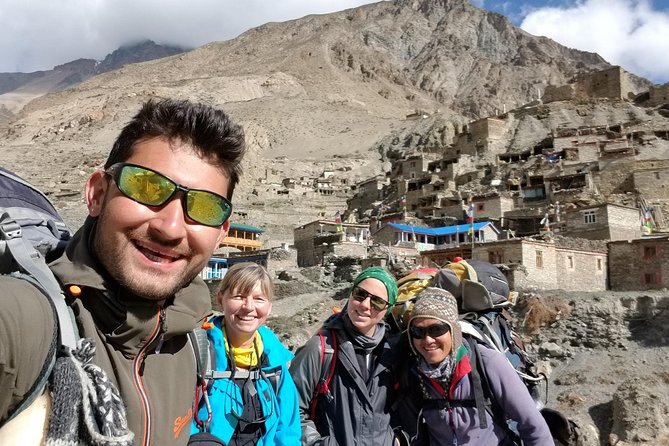
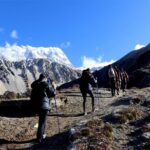
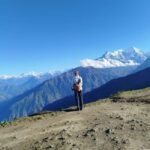
- Kang La Pass (5,320m) panoramas with views of multiple Annapurna peaks and Gangapurna
- Nar and Phu villages for a rare look at a cultural heritage that still feels remote
- Night at Nar Phedi Monastery (Satek Gumba) with monks along the way
- Acclimatization/rest day in Phu with hikes to Phu View Point or Himlung Base camp
- Small group limit (max 10 travelers) for a more personal trek pace
- Meals, guesthouses, and gear included so you’re not stuck piecing together logistics
Why Nar and Phu Feel Remote Enough to Matter
Nar Phu is the kind of trekking region you choose when you’re tired of being herded. The trail goes into the isolated valley that connects Nar and Phu in Nepal’s Manang district, and the vibe is quiet in a way you notice right away. You’re not trekking for checklists; you’re trekking for place.
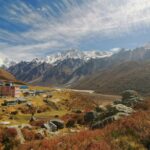
The big reason people love this route is that it blends two things most treks separate: cultural time and big Himalayan scenery. You’ll spend meaningful hours with village life, old monasteries, and local routines, not just a quick photo stop. At the same time, you’re within striking distance of major peaks you usually associate with the more famous Annapurna circuit routes.
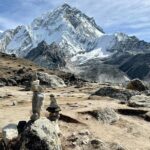
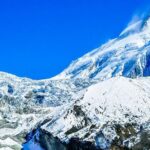
And yes, the mountains are the loud part of the story. You’ll get early views of Manaslu (8,163m) soon after you start, and then later the trek leans hard into the Annapurna region’s dramatic skyline.
You can also read our reviews of more tours and experiences in Kathmandu.
The Kang La Pass (5,320m) Day That Changes the Whole Trek
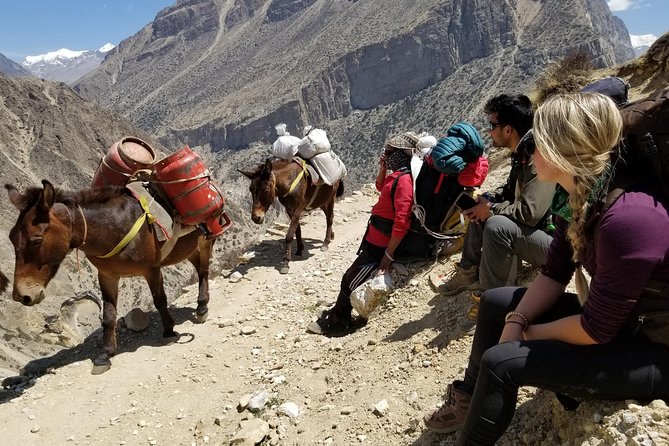
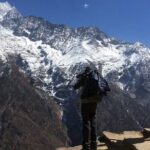
Kang La Pass is the trek’s main high point, and it’s treated like a centerpiece rather than a box to tick. You cross it at 5,320 meters, with a panorama that includes Annapurna II (7,937m), Annapurna III (7,555m), Annapurna IV (7,525m), Gangapurna (7,455m), and the wider high-valley view.
What I think makes this pass day special for you is the way it frames the entire trek. Before you reach Kang La, you’re walking through changing terrain—forest, then higher, drier areas. After the pass, the trek keeps shifting. So that moment at the top doesn’t feel like a single dramatic photo; it feels like the pivot from “getting there” to “reading the mountains.”
Practical note: pass days reward preparation. You’ll want to be ready for cold conditions at altitude, even if your start feels warm. Also, keep your pace steady. You don’t need speed. You need consistency.
Your 12-Day Route: What Each Day Feels Like
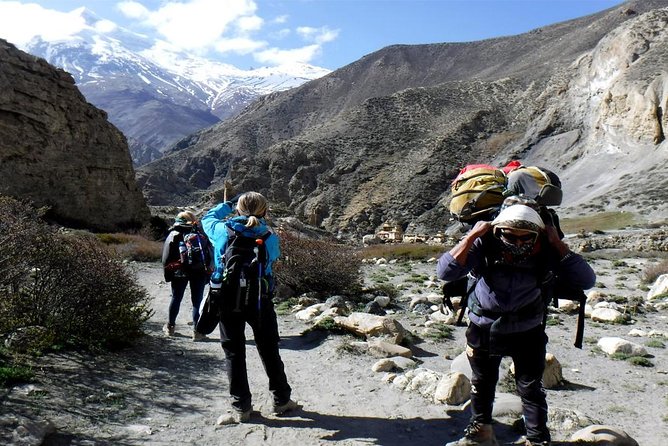
Here’s how the days stack up, and why the pacing works.
Day 1: Arrive in Kathmandu
You land in Kathmandu and settle into the start of the trip with three nights total in a 2–3 star hotel (breakfast included). This matters because you’re not waking up exhausted to start a remote trek right away.
Day 2: Drive Kathmandu to Dharapani (1,860m), about 9–10 hours
This is a long day of road time. The upside is that you start the trek in the right region without burning hiking energy on the drive. The downside is that long hours in a vehicle can leave your legs stiff for the first trekking day.
Day 3: Trek Dharapani to Koto (2,600m), 5–6 hours
This is your warm-up trek day. You begin at a moderate altitude and start moving through forested terrain. It’s a useful rhythm builder: enough hiking to feel the plan, not so much that you’re cooked before acclimatization takes over.
Day 4: Trek Koto to Meta (3,560m), 7–8 hours
This day stretches longer. You’ll feel the altitude shift more as you gain height. The scenery becomes more “high Nepal” and less “lower green corridor,” and your body starts to remind you that days here are real.
Day 5: Trek Meta to Phu (4,080m), 7–8 hours
You’re climbing into the high village zone. Phu is the start of the Nar Phu cultural focus, so this day isn’t just about distance; it’s about arriving somewhere that feels lived-in and distinct from trekking base camps.
Day 6: Acclimatization/rest day in Phu
This is a smart built-in pause. You rest, but you don’t disappear from the experience. You can hike to Phu View Point or to Himlung Base camp.
Why I like this for you: rest days are where altitude management happens. It’s also where your photo choices improve because you’re not rushing for daylight.
Day 7: Trek Phu to Nar Phedi (Satek Gumba) (3,440m), 6–7 hours
You drop a bit from the higher point in Phu toward Nar Phedi (Satek Gumba). That downshift helps your breathing and sets up the next village section.
This is also where the monastery night comes into play: you spend the night at Nar Phedi Monastery with monks. Even if you’ve visited monasteries elsewhere, this one hits differently because it’s part of the trekking route, not a side trip.
Day 8: Trek Nar Phedi to Nar Village (4,120m), about 3 hours
Shorter hike day, higher elevation. That combination often feels easier because the walking time is less, even though you’re still breathing at altitude.
Nar Village is part of why this trek gets labeled underrated. You’re in the core area, with time to absorb the culture instead of just passing through.
Day 9: Trek Nar to Ngawal (3,660m) via Kang La Pass (5,320m), 7–8 hours
This is the signature day. You go up to Kang La, then you work the downhill into Ngawal.
The pass adds weight mentally and physically. If you’ve been pacing well the previous days, this becomes a payoff day. If you rushed earlier, you’ll feel it here.
Day 10: Drive Ngawal (3,540m) to Besishar (750m), about 5–6 hours
You get your biggest altitude relief. The drive drops you from high altitude toward the warmer lower region. It’s a relief day for your body, and you can think of it as the transition from trek mode to travel mode.
Day 11: Drive Besishar to Kathmandu, about 5 hours
Back to Kathmandu for the final wrap-up. This is your buffer for packing, shower time, and getting ready for departure.
Day 12: Depart Nepal
Your trip ends back at the meeting point area.
What You Really Get Included: Food, Gear, and Support
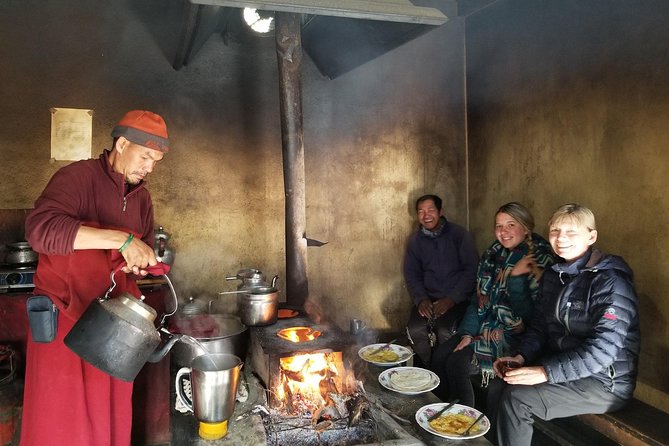
This trek is built like a “supported expedition” instead of a bare-bones DIY route.
The meals and lodging setup
You get hygienic meals (breakfast, lunch, and dinner) during the trek, plus breakfast in Kathmandu. In remote trekking regions, having dependable meals makes a huge difference in energy, especially on longer days like Meta to Phu.
You’ll stay in local guest houses in the mountains, which is exactly what you want on a cultural trek. It keeps you close to village life rather than bouncing between hotels.
The equipment provided
The package includes sleeping bag and crampons, etc. That’s valuable because crampons are often a hidden expense when you plan your own trek. You don’t need to hunt down gear before you arrive.
Guides and porters
You’ll have a government-authorized, experienced guide and porters. The guide support matters most on a route with altitude and pass timing, where a steady plan protects both morale and safety.
From the feedback tied to this operator, Kishwor Adhikari stands out as the person giving clear info ahead of time and caring during the trek. That kind of communication helps you worry less and hike more.
Insurance and a first aid kit
Insurance and a First Aid Kit are included in the package. That’s not the most fun line on a brochure, but it’s the line you’re grateful for when something small goes wrong.
Kathmandu: Where the Trek Starts, and Where It Ends Well
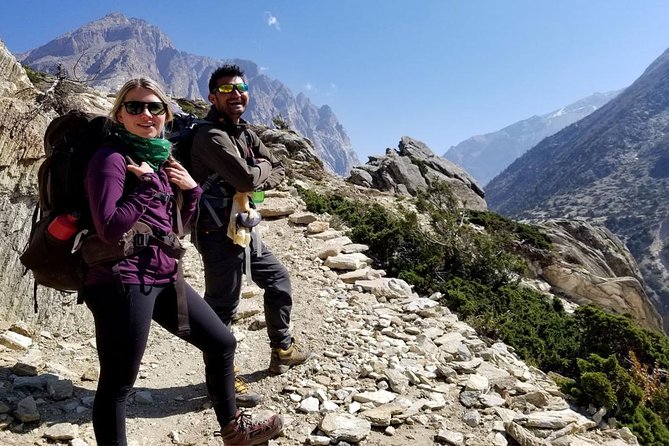
Kathmandu isn’t just a staging point here. You get three nights in a 2–3 star hotel with breakfast included. There’s also a post-trek celebration dinner in Kathmandu.
That dinner may sound like a small detail, but it helps the trip land emotionally. After days of early starts and high-altitude focus, it’s nice to have a real meal and conversation without rushing back to pack.
The meeting point is in Thamel at Breeze Adventure Pvt. Ltd, Thamel Marg, Kathmandu. Thamel is busy and useful because you can find basic services close by.
Price and Value: Is $1,600 Fair for Nar Phu?
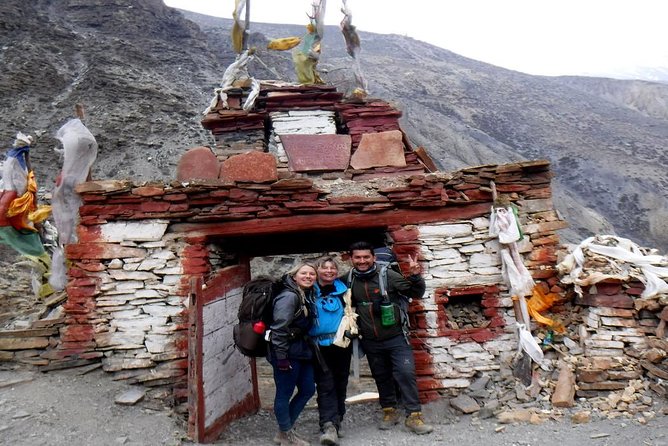
At $1,600 per person, the big question isn’t just whether it’s expensive. It’s what you’re paying for.
Here’s what’s included that usually costs extra on self-planned treks:
- Guide and porters (government-authorized)
- Road transfers for the trek area (Kathmandu to Dharapani, Ngawal to Besishar, Besishar to Kathmandu)
- Mountain guest house lodging
- Meals during the trek (breakfast, lunch, dinner)
- Sleeping bag and crampons
- Insurance
- First aid kit
- Map
- Taxes and service charges
- A celebration dinner after the trek
What’s not included (and you should budget for):
- International airfare
- Meals in Kathmandu besides breakfast
- Alcohol, chocolates, tea and coffee
- Tips for guide and porter
- Extra lodging/meals outside the itinerary
- Personal insurance
So for me, the value comes down to this: you’re paying for reliable logistics, meals, and high-altitude support. Nar Phu is remote enough that cobbling this together yourself costs time and risk. If you want the cultural experience without running your own supply chain, the price makes sense.
If you’re the type who loves planning routes, booking guides yourself, and sourcing gear locally, you might find cheaper options. But you’re also taking on the planning workload that this package handles.
Group Size, Pace, and Fitness: Who This Trek Suits Best
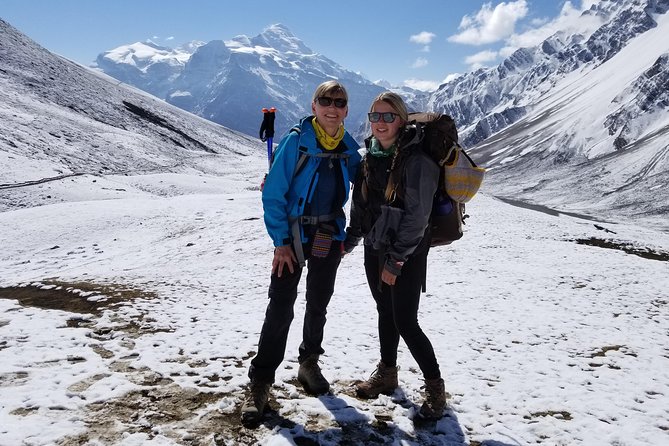
This trek caps at max 10 travelers, which is a real advantage. Smaller groups usually mean a calmer pace and less waiting at bottlenecks.
The route is listed for moderate physical fitness. The catch is the pass and altitude. Moderate fitness is fine if you walk consistently and don’t treat this as a sprint trek. You’re still going to earn your views.
This is best for you if you:
- Want off-the-beaten-path trekking with culture as a core part, not a side quest
- Want monastery and village time, including Satek Gumba
- Like the idea of a small group and a structured plan
- Are comfortable with altitude days and want acclimatization built in (you get a rest day)
You might want a different trek if you:
- Are very altitude-sensitive
- Hate long days (7–8 hour hiking days happen)
- Don’t want cold/pass conditions at Kang La
How Weather and Season Can Shape Your Trek
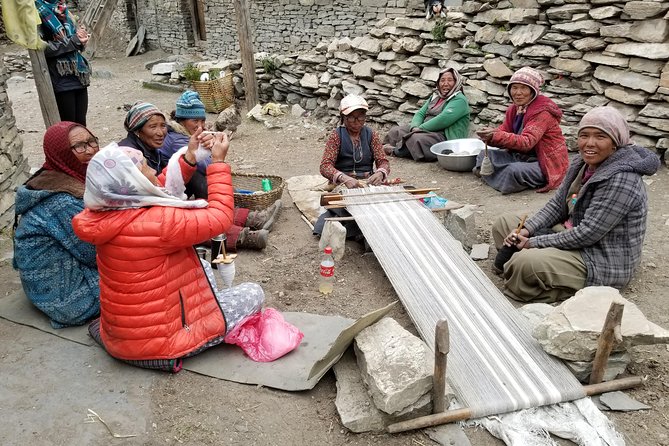
The trek requires good weather. If conditions are poor, the operator offers a different date or a full refund.
Season matters too. People who went in October reported a great experience with the weather working in their favor. Another trek went in early September and noted it wasn’t busy, but rain risk was higher. Translation for you: pack for wet conditions even if forecasts look fine, and take weather seriously when you’re at altitude.
Should You Book the Nar Phu Valley Trek?
If you want a Nepal trek that feels like you found something rare, this is the one. You’re getting:
- Big pass views from Kang La
- Real village culture in Nar and Phu
- A monastery night at Nar Phedi (Satek Gumba)
- A well-supported setup with meals, gear, and a guide like Kishwor Adhikari
I’d book it if you’re ready for altitude, long hiking days, and a steady pace. I’d hesitate only if you’re nervous about the pass at 5,320m or you want a gentler hiking profile.
FAQ
What is the duration of the Nar Phu Valley Trek?
The trek runs for about 12 days.
How high will I hike on this trek?
The highest point mentioned is Kang La Pass at 5,320m.
What kind of fitness level do I need?
You should have moderate physical fitness for this trek.
Does the price include a guide and porters?
Yes. The package includes a government-authorized, experienced guide and porters.
Are meals included during the trek?
Yes. During the trek you get breakfast, lunch, and dinner. In Kathmandu, you get breakfast with your hotel stay.
What equipment is included?
Included gear includes a sleeping bag and crampons (and other trekking equipment).
What is not included in the tour price?
Not included are international airfare, meals in Kathmandu besides breakfast, personal expenses, alcohol, and tips for your guide and porter, plus extra accommodations/meals outside the itinerary and personal insurance.
What happens if weather is poor?
This experience requires good weather. If it’s canceled due to poor weather, you’ll be offered a different date or a full refund.