REVIEW · MERZOUGA
Marrakech: 3-Day Desert Tour to Merzouga Dunes & Camel Trek
Book on GetYourGuide →Operated by Amanzal Transport · Bookable on GetYourGuide
Three days, and the Sahara steals the show. This Marrakech to Merzouga trip strings together High Atlas mountain roads, the UNESCO Ait Ben Haddou kasbah, and a camel trek over Erg Chebbi dunes at sunrise and sunset. I love how the scenery changes every few hours. One possible drawback: long stretches of driving plus desert-night cold, and camp comfort isn’t equally great for everyone.
You’ll start early (pickup at 7:00 am), then roll through Rose Valley and the Road of the Kasbahs, sleep once in Tinghir, and end up in traditional Berber tents in the dunes. What often makes or breaks these tours is the driver, and names like Akil or Aquid show up in the experience in a good way for responsiveness and help with the day’s pace.
In This Review
- Key points before you go
- Marrakech to Merzouga starts with the Tizi n’Tichka day-drive
- Ait Ben Haddou: the UNESCO kasbah stop that feels like a movie set
- Rose Valley, Galaa M’gouna, and the slow slide into Dades Gorges
- Todgha Gorge and the Tinghir oasis: where the canyon turns livable
- Erfoud, Rissani, and arriving at Erg Chebbi’s golden wall of dunes
- Camel sunset and sunrise: the practical magic of timing
- Tinghir hotel night: a reset before the desert
- Price and value at about $353 per person
- Small comfort checks before you judge the camp
- Who this Marrakech–Merzouga desert tour suits best
- Should you book this tour?
- FAQ
- How long is the Marrakech to Merzouga desert tour?
- What does the tour include for meals?
- What time do you get picked up in Marrakech?
- Where do you stay overnight during the tour?
- Are camel rides included?
- What sights are included besides the desert?
- Is transport provided?
- Do you need a local guide at Ait Ben Haddou?
- What languages are available for the driver?
- Is the tour suitable for wheelchair users?
- FAQ
- Can I explore the area by quad as well as camel?
- What kind of desert camp facilities are provided?
- What is the return route back to Marrakech like?
- Is cancellation flexible?
Key points before you go
- High Atlas first, then desert: the Tizi n’Tichka crossing sets the tone fast, with big photo pull-offs along Berber villages.
- UNESCO Ait Ben Haddou: a 16th-century fortress used in major films, so it feels real instead of just postcard-famous.
- Todgha and Dades: canyon gorges plus year-round water in the valley area give you a break from pure road travel.
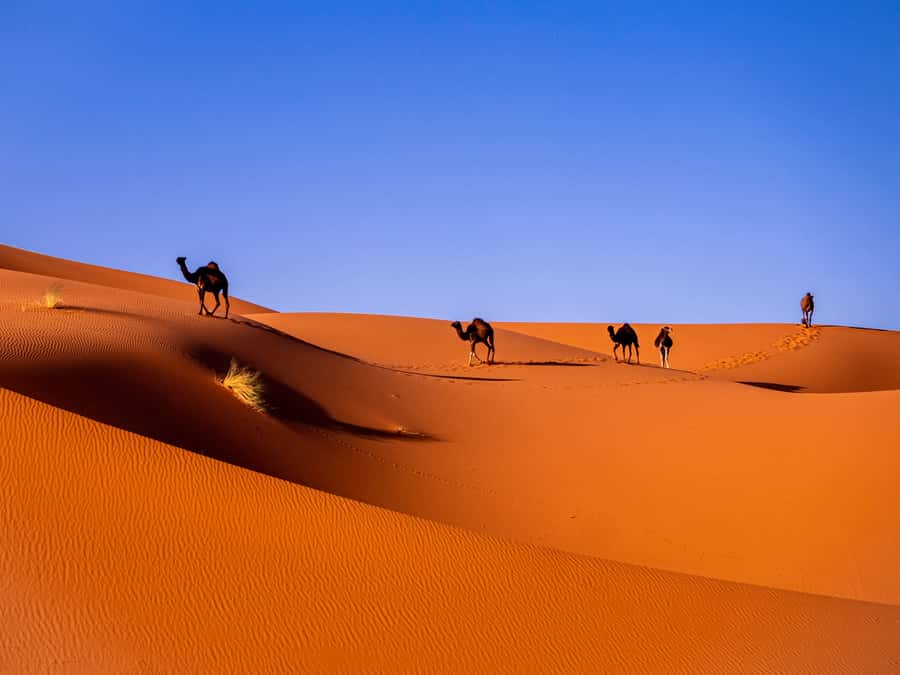
- Erfoud to Erg Chebbi: fossilized marble stops lead into Rissani and the towering golden dunes near the Algerian border.
- Camel trek timing: sunrise and sunset rides are built into the experience, not just tacked on.
Marrakech to Merzouga starts with the Tizi n’Tichka day-drive
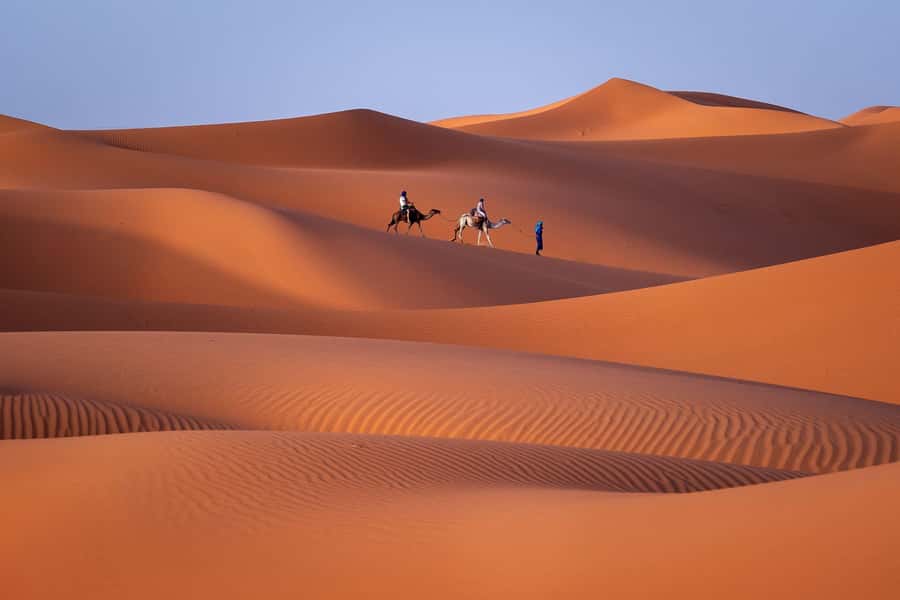
If your idea of a desert tour is mostly “smooth sailing,” adjust that expectation. The first day is all about getting from Marrakech up and over the High Atlas with the Tizi n’Tichka pass. You leave at 7:00 am, and the minibus is air-conditioned, which matters because you’re going to spend a lot of hours watching changing terrain through the windows.
Along the way, you pass Berber villages and viewpoints made for photos. The ride is scenic, but it’s also the backbone of the whole trip: it’s what gets you out of city life and into the rhythm of southern Morocco by the time you reach the canyon country.
Practical tip: if you easily get carsick, bring your usual remedy. This tour is fast enough to stay interesting, but long enough that comfort meds can pay off.
You can also read our reviews of more tours and experiences in Merzouga.
Ait Ben Haddou: the UNESCO kasbah stop that feels like a movie set
Ait Ben Haddou is the big cultural anchor of the route. It’s a 16th-century fortress kasbah and it’s classified as UNESCO world heritage, which is exactly why it has been used in major films. You’ll stop here as a major “stretch your legs” moment before continuing toward Ouarzazate.
Here’s what I like about this stop for your experience: it’s not only about the name. The kasbah is compact, walkable, and dramatic. Even if you’re not chasing history facts, you’ll still enjoy the feel of thick old walls, layered rooftops, and the way the light hits the buildings as you move around.
A key detail: a local guide inside Ait Ben Haddou is not included. If you want the deeper stories about families, architecture, and the kasbah’s changing role over time, plan to hire one on-site.
Rose Valley, Galaa M’gouna, and the slow slide into Dades Gorges
After the kasbah, the tour keeps moving through classic Southern Morocco scenery: Ouarzazate area for lunch, then the Roses Valley / Road of the Kasbahs vibe as you pass Berber villages toward Dades Gorges.
Gorges travel can be hit-or-miss on some trips, but Dades is a good one because it gives you a dramatic setting without needing to hike hard. You arrive in the late afternoon (around 5:00 pm), giving you a little time to settle into your night in Dades and still catch some of the light shift as the day cools off.
Day 1 also includes a stop for Galaa M’gouna. That’s a nice way to break up the drive with a glimpse of life beyond the big monuments.
Real-world balance: you’re still spending hours in a vehicle, so this part is best if you actually enjoy “road travel with stops.” If you prefer a more relaxed pace, consider that day 1 is doing the heavy lifting.
Todgha Gorge and the Tinghir oasis: where the canyon turns livable
Day 2 starts with more scenery, but with a different feel. You head toward Tinghir and the Todgha valley area, ending up in canyon country near Todgha Gorge (often spelled Todgha/Todgha in listings).
Why this section is valuable: Todgha’s valley setting is the contrast to pure desert. There’s a river flowing all year in the area, and it makes the valley feel cooler and more “inhabited” even though you’re surrounded by steep rock.
You’ll pass Erfoud, which is known for fossilized marble. That stop adds variety—rocks, not sand—so the route doesn’t feel like the same view repeating itself.
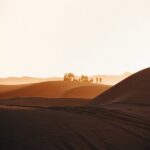
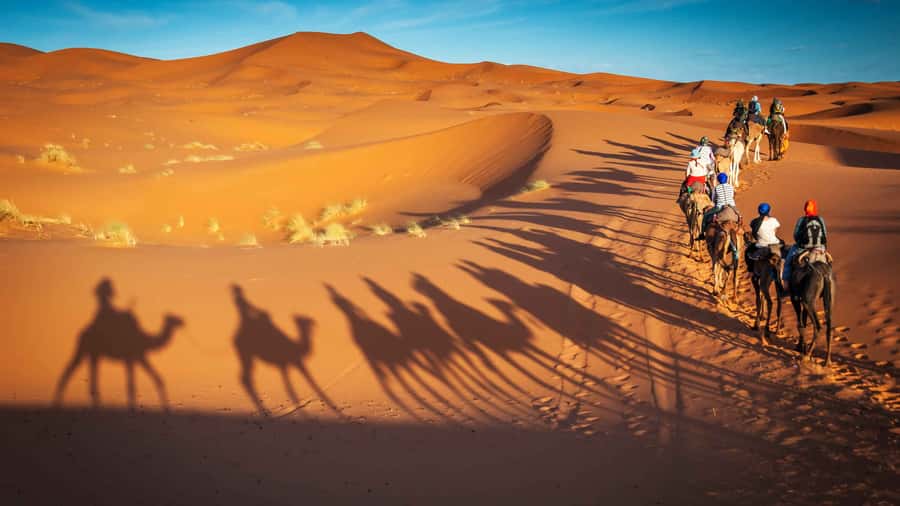
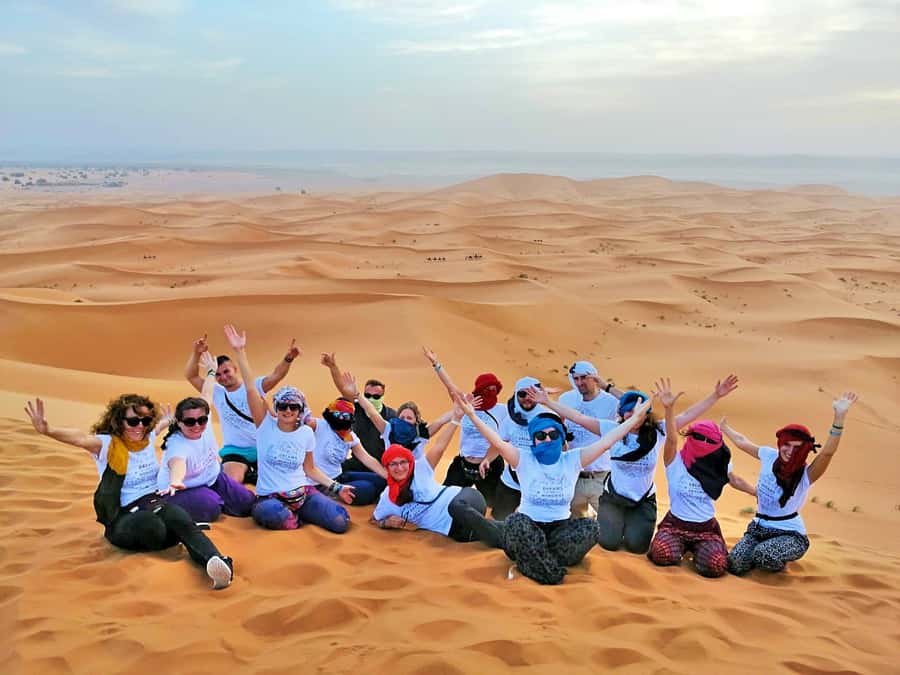
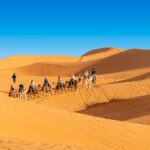
Then the tour continues through Rissani toward Merzouga, where the huge Erg Chebbi dunes finally come into focus. These dunes can rise more than 50 meters, which is hard to picture until you see them in real scale.
Practical tip: if you’re thinking about quad riding in the dunes area, don’t assume it’s included by default. Some people end up paying an extra supplement for quad time, so ask ahead so you don’t get surprised.
Erfoud, Rissani, and arriving at Erg Chebbi’s golden wall of dunes
Once you near Merzouga, the pacing shifts. This isn’t just driving through scenery anymore; it’s the approach to a destination that you’ll feel on your skin.
The tour’s route funnels you through Erfoud and Rissani—both useful signposts on the map—then lands you at the place where Erg Chebbi dominates. The dunes stretch out between the Ziz valley and the Algerian border, and the scale becomes the story.
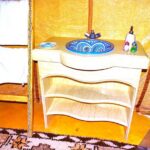
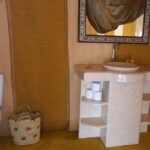
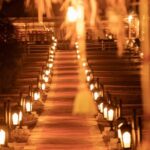
At that point, you connect with the desert camp setup. Dinner and overnight happen in traditional khimas (Berber tents). The camp arrangement includes flush water and a toilet, which is a big comfort upgrade compared to the roughest versions of this kind of overnight.
What you’ll love here: the feeling of stepping out of your car-world and into something quieter. Even when you’re still surrounded by people, the dunes make everything feel bigger.
Camel sunset and sunrise: the practical magic of timing
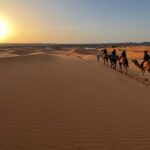
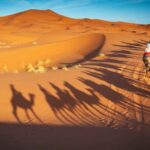
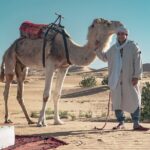
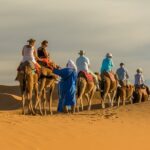
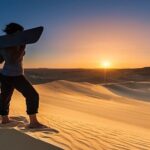
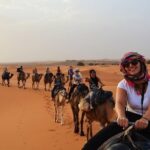
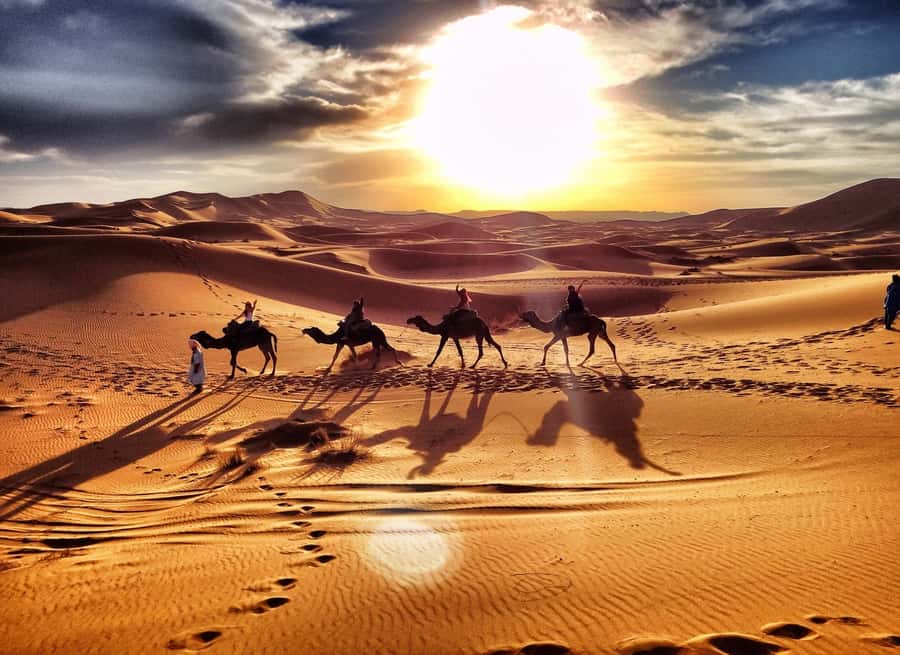
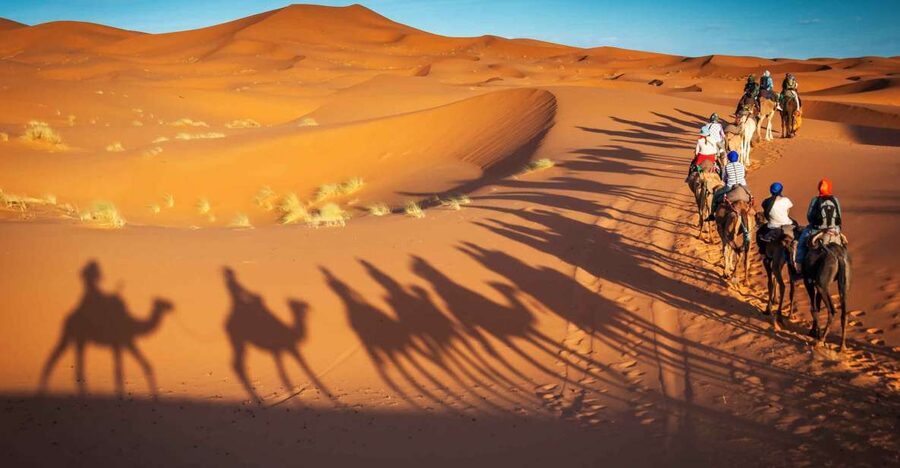
The camel ride is scheduled for the dunes experience at both ends: sunset and sunrise. That timing matters more than most things on this tour because it gives you the best light on the dunes and the easiest temperature windows.
At sunset, Erg Chebbi turns into a slow-color show—gold, then orange, then darker bands as the sky changes. At sunrise, the dunes look freshly carved, and the air feels different in a way you notice right away.
After the sunset ride, dinner comes, then the camp evening setup includes starry sky viewing and drums entertainment. I think the sky part is the real star. The drums part is more of a scheduled cultural evening; if you prefer quiet, just know it’s part of the program.
On some trips like this, camp comfort can be uneven. One caution: some nights run cold and beds can be uncomfortable or less clean than you’d hope. The practical fix is easy: bring warm layers even if you assume the desert won’t be cold.
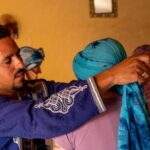
Pack smart for the camel + cold: a warm hat, a light gloves option, and a scarf can be the difference between enjoying the night and rushing through it.
Tinghir hotel night: a reset before the desert
You’ll sleep in a hotel in Tinghir on the first night before you head deeper toward Merzouga and the desert camp. This middle stop is more than a placeholder. It gives you a chance to wash up, refuel, and sleep in something closer to a normal bed—important when your next stop is camel work and nighttime temperatures.
Your tour includes two breakfasts and two dinners total. Lunches are not included, so you’ll either stop for food on the driving days or use the free time for meals, such as the Ouarzazate lunch on the return day.
Value check: these included meals take pressure off planning and keep the day from stalling whenever hunger hits.
Price and value at about $353 per person
At $353 per person for three days, this tour is priced like a “real logistics package,” not a shoestring adventure. You’re paying for transport (air-conditioned minibus), accommodations (hotel in Tinghir plus desert camp in Merzouga), and the camel rides for sunrise and sunset. You’re also covered for fuel surcharge and certain entry/admission fees connected to the route areas like the High Atlas and Dades/Todgha.
What isn’t included is just as important for value: lunches and drinks are on you. Also, if you want a local guide for Ait Ben Haddou, that isn’t included. And quad exploration can cost extra depending on what you choose on arrival.
So is it worth it? For me, it becomes worth it when you want convenience—door pickup and drop-off, scheduled driving, and the desert timing locked in. If you’re the type who enjoys long drives but wants to build your own itinerary, you might be able to do it cheaper. But you’ll be trading that for planning stress.
Small comfort checks before you judge the camp
I’m going to be blunt because it helps you decide: desert camps can vary. Even with flush water and toilets, you might find issues with bed comfort, warmth, or how the staff runs the evening.
If you’re sensitive to cold, plan for it. If you want a “soft luxury” feel, temper expectations. The camp setup is meant for the experience—night sky, Berber-style tents, and getting to the dunes at the right times—not for hotel-level bedding every time.
Also, the dinner and the entertainment can feel more programmed than free-form. If you’re okay with that, great. If you really want slow, quiet immersion, you might find yourself craving a calmer corner of the camp.
Simple fix: pack layers, a small headlamp for nighttime, and a good attitude toward rustic comfort.
Who this Marrakech–Merzouga desert tour suits best
This is a strong match if you want a classic south Morocco route without handling navigation. You get High Atlas crossing, UNESCO Ait Ben Haddou, canyon gorges, palm oases, and Erg Chebbi dunes—all in a tidy three-day loop.
It’s also a good fit for couples and solo travelers who like the idea of a private group. The driver speaks English or French, which makes it easier to ask questions and get help with the pace.
It’s not a great fit if you need wheelchair accessibility, since the tour includes uneven terrain and camel trekking components.
Should you book this tour?
If you want a straightforward way to hit Marrakech, Ait Ben Haddou, Dades/Todgha, and Merzouga dunes with sunrise and sunset camel rides included, I think this tour is an easy yes. The value is strongest because the big-ticket items—transport, accommodations, camel timing, and key stops—are bundled.
The only real “no” for me is comfort-first travel. If cold nights and basic camp sleeping sound like a deal-breaker, this might stress you out. But if you pack warm layers and treat the camp as part of the story, you’ll be rewarded with one of Morocco’s most memorable settings.
FAQ
How long is the Marrakech to Merzouga desert tour?
The tour lasts 3 days.
What does the tour include for meals?
It includes 2 breakfasts and 2 dinners. Lunches and drinks are not included.
What time do you get picked up in Marrakech?
Pickup starts at 7:00 am.
Where do you stay overnight during the tour?
You spend one night in a hotel in Tinghir and one night in a desert camp in Merzouga in traditional Berber tents (khimas).
Are camel rides included?
Yes. You’ll ride camels in Merzouga for both sunset and sunrise.
What sights are included besides the desert?
The tour includes Ait Ben Haddou (UNESCO), Rose Valley, Galaa M’gouna, Dades Gorges, Todgha Gorge, Tinghir oasis, and stops around Erfoud and Rissani.
Is transport provided?
Yes. The group travels by air-conditioned minibus, with pickup and drop-off from your hotel or riad.
Do you need a local guide at Ait Ben Haddou?
A local guide in Ait Ben Haddou is not included.
What languages are available for the driver?
The driver speaks English and French.
Is the tour suitable for wheelchair users?
No, it is not suitable for wheelchair users.
FAQ
Can I explore the area by quad as well as camel?
The itinerary notes that you can explore the area in camel or quad, but any quad activity may involve extra costs. It’s smart to confirm fees before you go.
What kind of desert camp facilities are provided?
The desert camp is described as furnished with traditional khimas and includes flush water and a toilet.
What is the return route back to Marrakech like?
On day 3, you ride camels back to Merzouga, then drive back to Marrakech via Agdez, with free time in Ouarzazate for lunch before continuing over the Atlas mountains.
Is cancellation flexible?
Free cancellation is available up to 24 hours in advance for a full refund.