REVIEW · KATHMANDU
From Kathmandu: 3-Day Chisapani-Nagarkot Trek & Bhaktapur
Book on GetYourGuide →Operated by Cordial Trek Pvt. Ltd. · Bookable on GetYourGuide
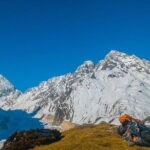
That first ridge view is the whole reason to do this. A 3-day trek from Kathmandu into Shivapuri–Nagarjun National Park pairs mountain scenery (when the air cooperates) with village trails, then finishes with two of the best cultural hits near Bhaktapur: Changu Narayan and the old Durbar Square area. It’s not a hard expedition, but it is real hiking, plus early mornings and some long travel legs.
I like that the plan mixes high-country viewpoints with everyday rural Nepal: terraced fields, Tamang villages, and the long way up to Nagarkot. I also like the human piece—strong guides really matter here, and I’ve seen this operator coordinate smoothly (including changes when flights were tight), with guides such as Rameshwar on logistics and Raj in the field. One thing to consider: mountain visibility can be disappointing in dry, hazy stretches (one April experience ran into smog and dusty sections and didn’t deliver the promised views).
In This Review
- Why This Trek Feels Worth Your Time (and Money)
- Key Things I’d Look Forward To
- Day 1: Kathmandu to Sundarijal, Then Up to Chisapani (Views + Village Walking)
- Day 2: Chisapani to Nagarkot (Forest Up, Village Down, Final Ascent)
- Day 3: Sunrise from Nagarkot, Then Changu Narayan and Bhaktapur (Culture + Big Valley Views)
- Price and What You’re Actually Paying For
- Choosing the Right Season: The Mountain-Visibility Question
- Logistics That Affect Your Comfort
- Guides Really Matter Here
- Who This Trek Suits Best
- Should You Book This 3-Day Chisapani–Nagarkot Trek and Bhaktapur Plan?
- FAQ
- How long is the trek and what does the schedule include?
- Where does the trek start, and how do you get there from Kathmandu?
- What kind of lodging will I have during the trek?
- Are meals included?
- What permits are included?
- Is there an English-speaking guide?
- Do I need to pay monument fees?
- Do I need a porter, or is one included?
- Is the trek suitable for people with mobility impairments?
- What should I bring and what is not allowed?
Why This Trek Feels Worth Your Time (and Money)
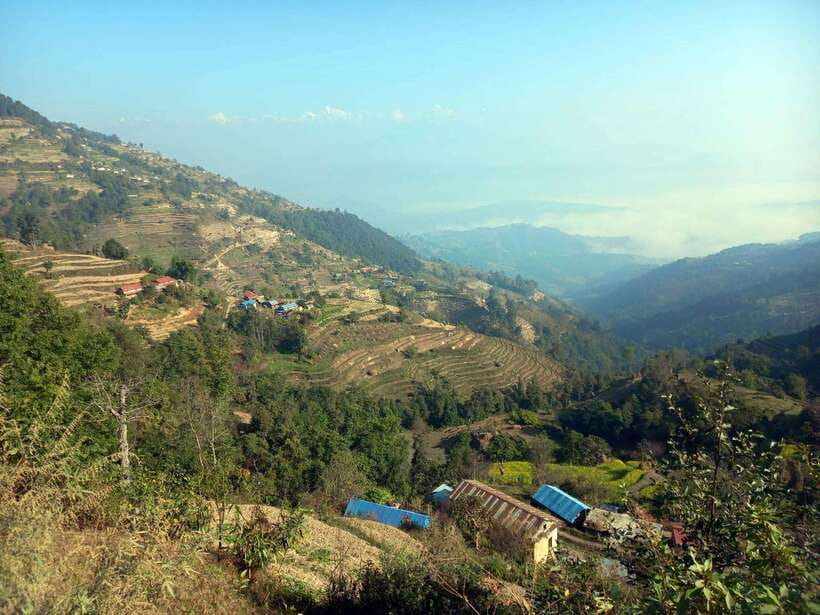
This route starts as a classic day-hike style journey out of the Kathmandu valley and turns into a viewpoint-focused finale at Nagarkot. You’re not just walking for the sake of walking. You’re timing your days around the kinds of scenery people come to Nepal for—Langtang-area peaks and the big-name Himalayan range from specific lookouts—then you pivot into cultural Nepal the next day and the last morning.
The price (about $176 per person) is not built around luxury. It’s built around the basics that keep a trek stress-free: private Kathmandu transfers, an experienced licensed guide, national park permitting, and lodging that’s already lined up—guest house in Chisapani and a three-star hotel base in Nagarkot.
That’s the value story. The trade-off is that you don’t fully control the weather or air quality, and the trail conditions can vary from shaded forest to hotter, drier paths depending on season.
Key Things I’d Look Forward To
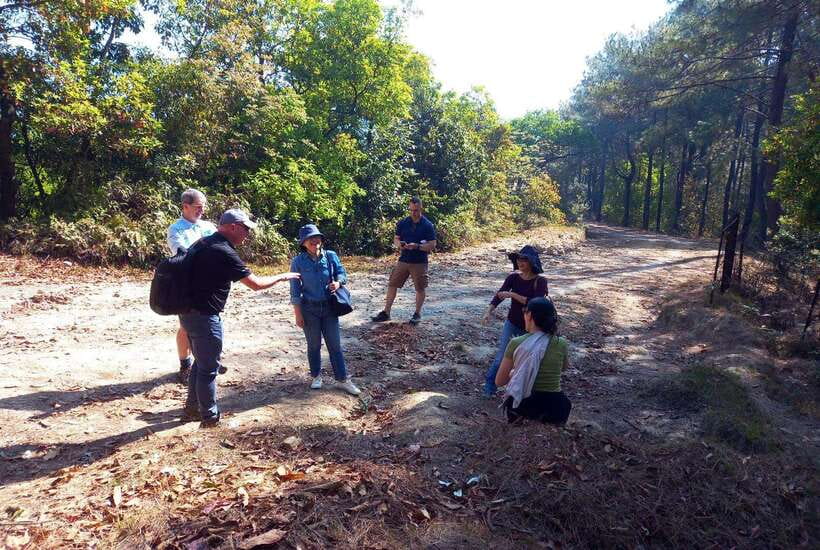
- Shivapuri–Nagarjun Park trails: you’ll walk within the protected green belt just north of Kathmandu, with forest sections and village passes
- Mountain-view timing: sunsets from Chisapani and a sunrise push from Nagarkot (weather permitting)
- A guided, point-to-point trek: you hike between set villages, not just out-and-back
- Changu Narayan Temple visit: a historic stop right where the trail drops toward the valley
- Bhaktapur UNESCO highlights: five-star culture work without forcing you to build a full separate itinerary
- Known guide quality matters: multiple experiences highlighted guides like Prakash and Raj as the difference-makers
You can also read our reviews of more tours and experiences in Kathmandu.
Day 1: Kathmandu to Sundarijal, Then Up to Chisapani (Views + Village Walking)
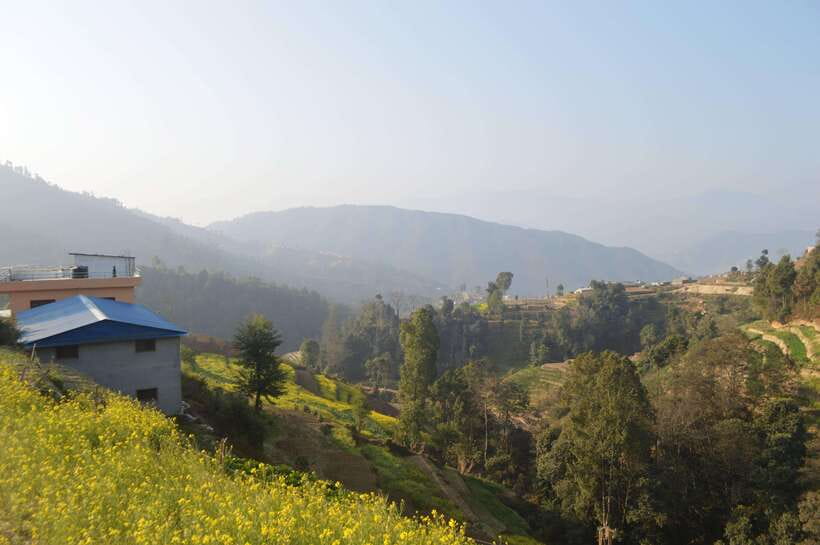
Your day starts with a hotel pickup in Kathmandu and about a one-hour private drive to Sundarijal (1,460 meters). From there, the trek begins uphill following a large water pipe descending from the Sundarijal Reservoir area. It’s a practical start: you get a clear route early and the walking warms you up fast.
From Sundarijal you enter Shivapuri National Park, continuing toward Mulkharka Village. The trail then passes Tamang Village before reaching Chisapani (around 2,165 meters) after roughly 4–5 hours of hiking.
What makes this day work:
- You get a gentle-to-steep ramp-up as you climb into the park.
- You mix forest walking with human-scale settlement trails, so it doesn’t feel like you’re always threading between rocks with nothing around you.
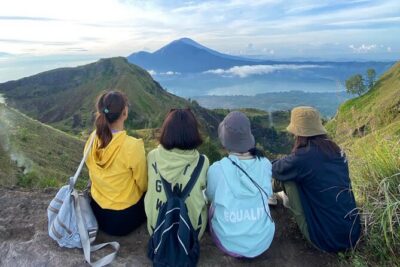
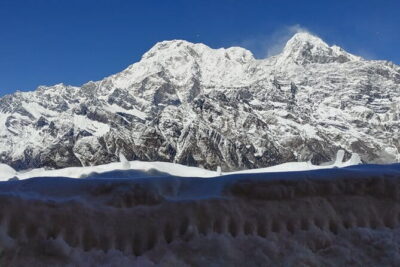
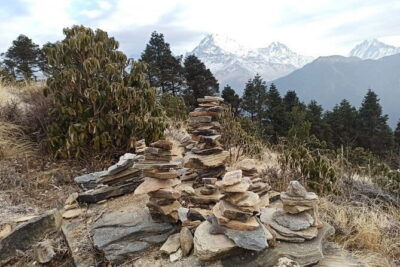
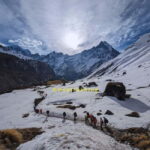
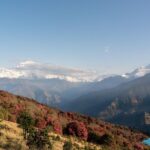
- You have a strong payoff near the end: on clear days you can spot big peak names from Chisapani, including Langtang Lirung, plus glimpses toward Annapurna, Ganesh Himal, Manaslu, and Everest. Even when you don’t get a perfect panorama, the route still gives you a sense of the Himalayan wall forming in the distance.
Evening matters here. You’ll settle into a lodge (with a private bath room) and have breakfast included. Then you’re positioned to watch sunset over the mountain range from the lodge area—exact timing depends on cloud cover, but it’s one of the moments this trek is designed around.
A real consideration for Day 1: visibility can shift a lot by season. In drier months, haze and smog from the Kathmandu region can build up and sit in the valley. One April experience reported that after hiking through forest, the mountains were simply not visible enough to justify the effort. If your travel dates fall in a hazy window, I’d go in expecting softer views unless the sky clears.
Day 2: Chisapani to Nagarkot (Forest Up, Village Down, Final Ascent)
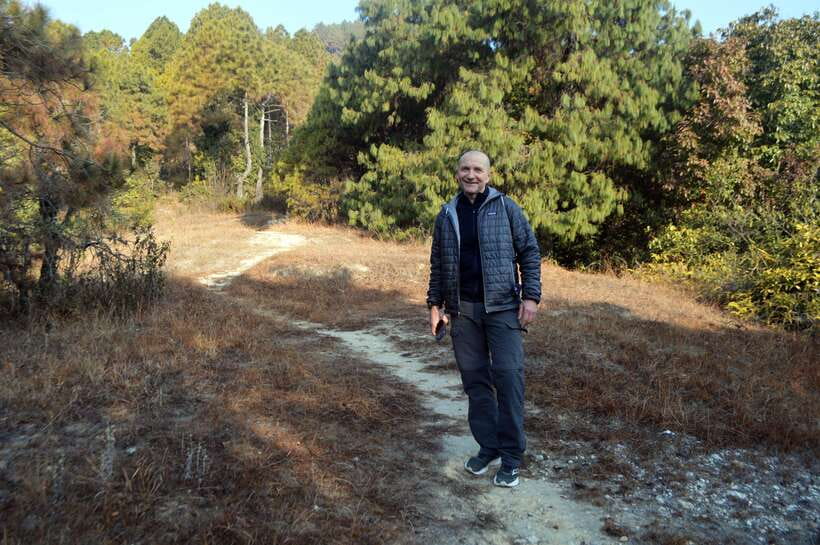
Day 2 is the trekking workhorse. You start from Chisapani at about 2,175 meters and hike to Nagarkot. After breakfast, you’ll ascend through lush forest, then transition into a sequence of descents and village connections.
The route moves from that forest climbing down toward Jhule and Chauki Bhanjyang, then crosses villages and terraced fields. You’ll reach Kattike Bhanjyang, where the route asks you to climb again to reach Nagarkot.
This day is popular for one reason: the walking rhythm is varied. You’re not stuck doing the same gradient for hours. You get:
- shaded and cooler segments (forest ascent)
- open views and farming terraces (village/fields)
- a final lift to Nagarkot that sets you up for the next day’s sunrise
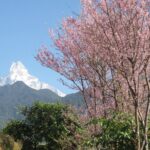
Nagarkot is where the trek becomes a viewpoint vacation. When the weather is clear, you’re high enough to see the valley and, often, the Himalayan range stretching in layers.
The potential drawback: if air quality is poor, you might still hike a beautiful trail but get less “wow” at the end. That same April story also mentioned hot, dusty dirt-road sections and a lack of shade later in the day. You can’t guarantee forest the whole time. Pack with that in mind (hat, light layers, and water).
You’ll sleep in Nagarkot at a three-star hotel base with breakfast included. This matters because your last morning is early.
Day 3: Sunrise from Nagarkot, Then Changu Narayan and Bhaktapur (Culture + Big Valley Views)
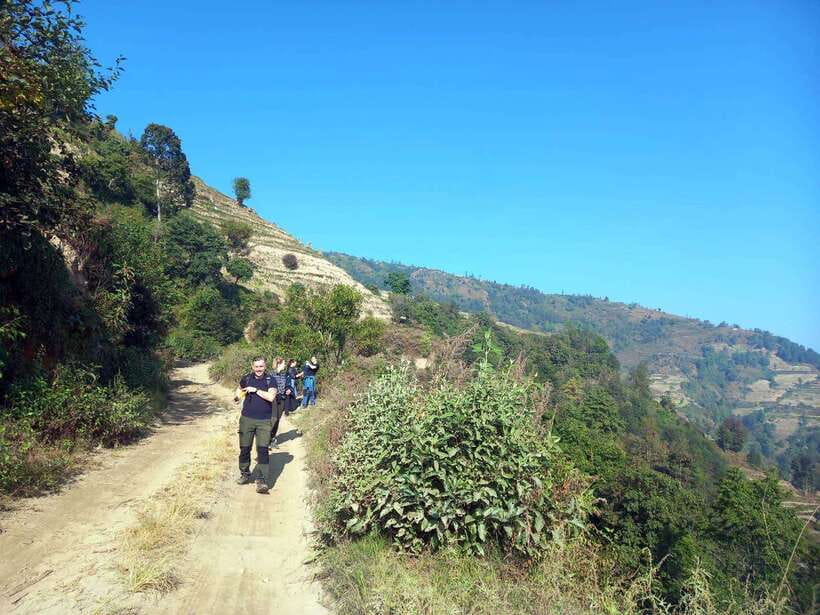
Day 3 starts with an early morning wake-up to catch sunrise over the Himalayas from your hotel in Nagarkot. You’ll have breakfast, then begin the final hike down toward Changu Narayan Temple at about 1,541 meters.
The trail descends via Telkot. Along the way, you’ll get a bird’s-eye view of both Bhaktapur and Kathmandu. This section is a nice change from the uphill effort of Day 1 and 2. You’re moving down through viewpoints and setting yourself up for temple exploration.
Then comes Changu Narayan. This is described as the oldest temple on the itinerary, and it’s a serious cultural payoff in a short time. Even if you’re not a walking-history person, it’s the kind of stop that helps you understand why people in Nepal care so much about heritage sites being close to daily life.
After temple time, you’ll drive to Bhaktapur to experience Newari culture and key sites, including:
- Fifty Five Window Palace
- Golden Gate
- Natapola temple
You’ll also explore the Pottery Square area and then drive back to Kathmandu for hotel drop-off.
This is a smart way to end the trek. You’ve spent three days building altitude and viewpoint intensity. Then Day 3 anchors you back to the valley with craftsmanship, architecture, and the feel of Bhaktapur’s historic core.
Price and What You’re Actually Paying For
At about $176 per person for 3 days, you’re paying for the structure: private transport, guide time, park permit, and planned lodging. The trip includes:
- Kathmandu hotel pickup and drop-off by private vehicle
- private AC car transfers
- guest house with private bath in Chisapani (plus breakfast)
- three-star hotel in Nagarkot (plus breakfast)
- hiking and Shivapuri–Nagarjun National Park permit
- an English-speaking licensed guide
- a solo traveler surcharge (if applicable)
What’s not included is where you should plan your budget:
- lunch and dinner
- monument fees (this is common at temple/heritage sites)
- gratuities
- porter (around US$50, if you want one)
Value reality check:
- If you’d otherwise have to hire a guide, arrange the permit, and book Chisapani + Nagarkot lodging on your own, the bundled pricing starts to make sense fast.
- If your priority is only the temples and you don’t care about the sunrise/view hike, then this may feel like overkill. But if you want both, it’s a tidy package.
Choosing the Right Season: The Mountain-Visibility Question
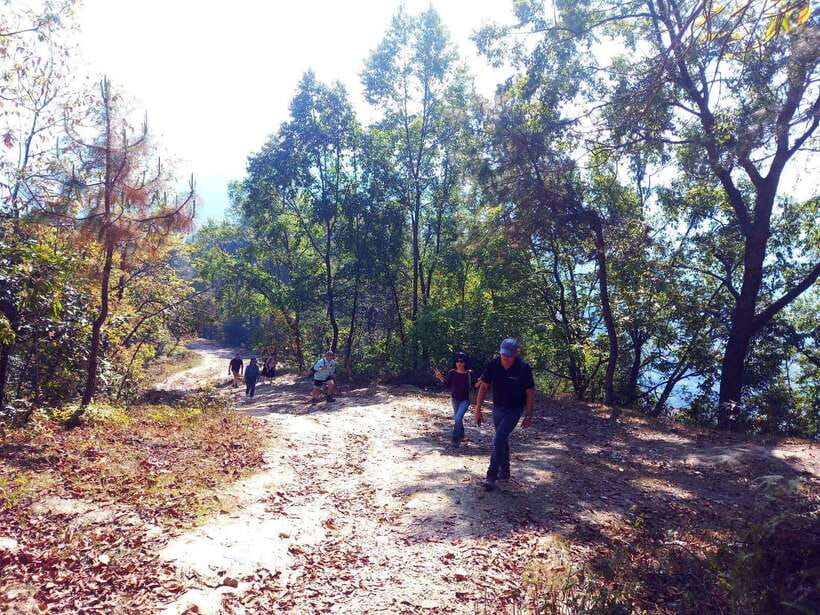
This trek sells views. Some of the best moments are tied to clear visibility: spotting major peaks from Chisapani and having a strong Nagarkot sunrise.
Here’s the honest part: the Kathmandu valley can trap haze, especially in drier stretches when there’s less rain to clear the air. One April experience described smog building up from surrounding cities and collecting at the viewing level, leaving the mountains effectively invisible.
So how do you handle that as a planner?
- Choose dates when you’ll tolerate the possibility of hazier air without feeling cheated.
- Pack a positive mindset for the walking itself—forest, villages, terraced fields are not just filler if the peaks fade.
- Ask your guide for realistic expectations on the day, but also know that visibility is weather, not effort.
Logistics That Affect Your Comfort
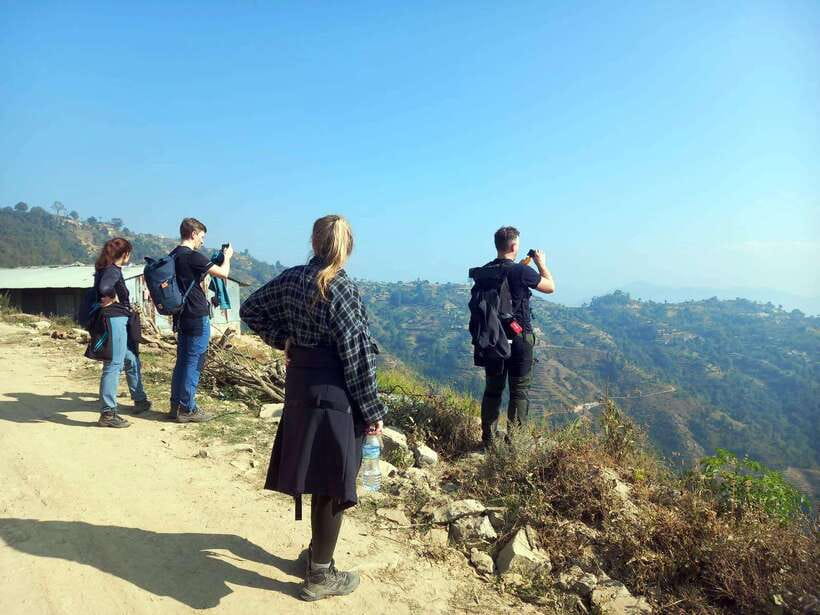
This isn’t a backpacking-style trek with endless unknowns, but it still has practical details that can make or break your comfort.
Transfers and pickup: You’ll be met at your hotel, and the driver/guide holds a sign with your name. Plan to wait around 5 minutes before the scheduled pickup.
Luggage: Oversize luggage isn’t allowed. That usually means you should pack light and keep it manageable for daily movement. If you’re bringing extra items “just in case,” think twice.
Meals: Breakfast is included in the lodging. Lunch and dinner aren’t. So budget time and money for meals along the way or in Nepalese towns at stops.
Hiking fitness: It’s not marketed for mobility impairments, and the route includes uphill climbs and downhill hiking. If you have balance issues or knee trouble, you’ll need to be honest with yourself about the ability to handle steady stairs and uneven trail.
Porter option: A porter isn’t included, but it’s available for about $50. If your pack is heavy (or you’re sensitive to carrying), consider it. You’re already working uphill for multiple days.
Guides Really Matter Here
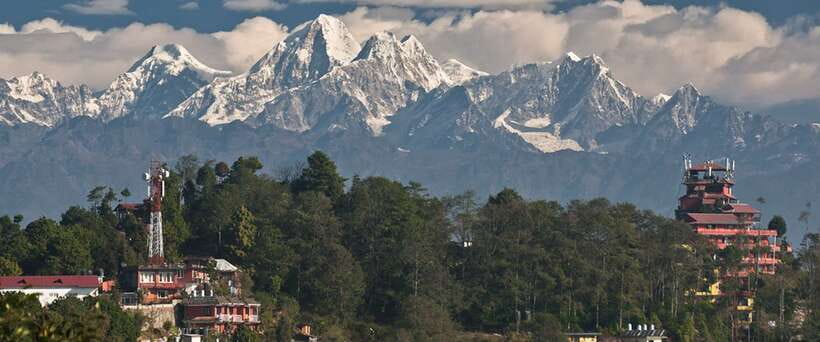
A trek like this is a chain: your experience quality depends on each link. Guide quality shows up in route pacing, how they manage your expectations, and how they respond when weather changes.
Two names stood out in real accounts: Prakash and Raj. Both were described as helpful and enjoyable in the field, which is exactly what you want during days that can feel long (especially when sun or haze changes the mood).
On the planning side, Rameshwar was highlighted for setting everything up and keeping communication active before arrival. If you’re arriving with tight timing (like an early flight), that kind of coordination can mean the difference between seeing what you hoped for and feeling rushed.
Who This Trek Suits Best
This trip is a strong match if you:
- want a 3-day hiking experience that isn’t an all-week endurance test
- care about viewpoints (Chisapani and Nagarkot are built for that)
- want UNESCO-style culture without needing separate full-day city planning
- prefer guided structure with lodging already arranged
It’s less ideal if you:
- need full mobility accommodations (the itinerary includes hiking segments and stairs/uneven ground)
- are highly sensitive to missing mountain views because your trip dates fall in hazy, smog-prone conditions
- hate heat and don’t want to plan for dusty trails in drier periods
Should You Book This 3-Day Chisapani–Nagarkot Trek and Bhaktapur Plan?
If you’re coming to Nepal for both the outdoors and the heritage close to Kathmandu, I’d say it’s a good bet. You’re getting a real trek in Shivapuri–Nagarjun National Park, plus two heritage anchors at Changu Narayan and Bhaktapur. The biggest “make or break” isn’t the itinerary—it’s the air.
I’d book it if:
- you want sunrise and sunset viewpoints even if conditions might soften some of the skyline
- you value a licensed guide and private transfers over DIY stress
- you’d enjoy village scenes and terraced fields as much as peak photos
I’d think twice if:
- your schedule is fixed to a month you know tends to be hazy for your comfort
- you can’t handle the possibility that the mountains may be muted on the horizon
If you tell me your travel month and your hiking comfort level (steady uphill ok, or do you need gentler terrain?), I can help you decide if the timing fits your expectations for those Chisapani and Nagarkot views.
FAQ
How long is the trek and what does the schedule include?
It’s a 3-day experience. You’ll hike from Sundarijal to Chisapani on Day 1, trek onward to Nagarkot on Day 2, then do an early hike to Changu Narayan and tour Bhaktapur before returning to Kathmandu on Day 3.
Where does the trek start, and how do you get there from Kathmandu?
You’re picked up from your hotel in Kathmandu, then driven about an hour to Sundarijal (1,460 meters) where the trek begins.
What kind of lodging will I have during the trek?
You’ll stay in a guest house in Chisapani with a private bath room. In Nagarkot, you’ll stay at a three-star hotel, with breakfast included at both places.
Are meals included?
Breakfast is included. Lunch and dinner are not included.
What permits are included?
The itinerary includes hiking and the Shivapuri–Nagarjun National Park permit.
Is there an English-speaking guide?
Yes. The live tour guide works in English, and the guide is described as licensed and experienced.
Do I need to pay monument fees?
Monument fees are not included, so you should expect there may be charges at heritage sites.
Do I need a porter, or is one included?
A porter is not included. You can hire a porter for about US$50 if you want help carrying your bag.
Is the trek suitable for people with mobility impairments?
No. It’s not listed as suitable for people with mobility impairments due to the hiking involved.
What should I bring and what is not allowed?
Bring your passport and comfortable shoes and clothes. Oversize luggage is not allowed.