REVIEW · KATHMANDU
Mardi Himal Trek
Book on Viator →Operated by Adventure Blossom Treks and Expedition Pvt.Ltd · Bookable on Viator
Some climbs go big; this one stays quietly dramatic. Mardi Himal is a shorter, less crowded Annapurna trek that trades crowds for small paths, rhododendron forest, and sudden, jaw-level views of Mardi Peak, Machapuchhre, Hiunchuli, and Annapurna South.
I especially like the way the trek logic changes as you gain height. You start with labyrinth-like trails through deep rhododendron forests, then you pop out into rough high-mountain terrain around 3,310 m. One thing to consider: this route is “off the beaten track” for a reason—there’s less infrastructure and you’re more dependent on solid weather.
In This Review
- Key things that make Mardi Himal worth your time
- Why this trek feels different in the Annapurna region
- Getting to the start: pickup, timing, and what “private” means
- Trek sections you’ll actually feel: forest paths to high ridge country
- Lower elevations: rhododendron forest and hidden valley vibes
- Transition zone: the climb out of the trees near 3,310 m
- The big-view payoff: Mardi Himal and Machapuchhre moments
- Culture and local life along the trail (not just scenery)
- Meals, water, and the snack truth
- What’s included beyond trekking: transport and snorkeling gear
- Price and value: is $1,080 per person fair?
- Who should book Mardi Himal, and who should think twice
- Practical packing and planning tips that matter on this route
- A note on weather and flexibility
- Should you book Mardi Himal with Adventure Blossom Treks and Expedition?
- FAQ
- What time does the Mardi Himal trek start?
- Is pickup included, and do you get private transportation?
- How much food is included during the trek?
- Do I need to bring bottled water?
- How fit do I need to be?
- Is this trek private or shared with other groups?
- What happens if the trek can’t run due to weather?
Key things that make Mardi Himal worth your time
- Rhododendron forest walking that feels calm and tucked away, not busy trail culture
- A real altitude payoff as you climb out of the forest near 3,310 m
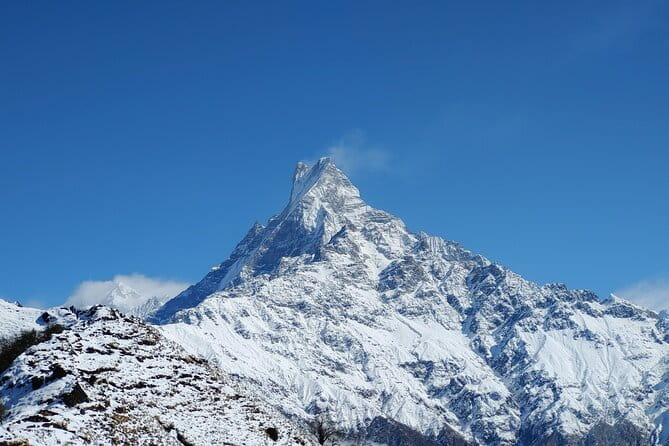
- Mountain viewpoints that stack: Mardi Himal, Machapuchhre, Hiunchuli, and Annapurna South
- Hidden valleys and terraced farms along the way, plus chances to meet local communities
- Private-group trekking with pickup and drop-off handled by the operator
- Snorkeling gear included (you’ll want to confirm when/where it fits your plan)
Why this trek feels different in the Annapurna region
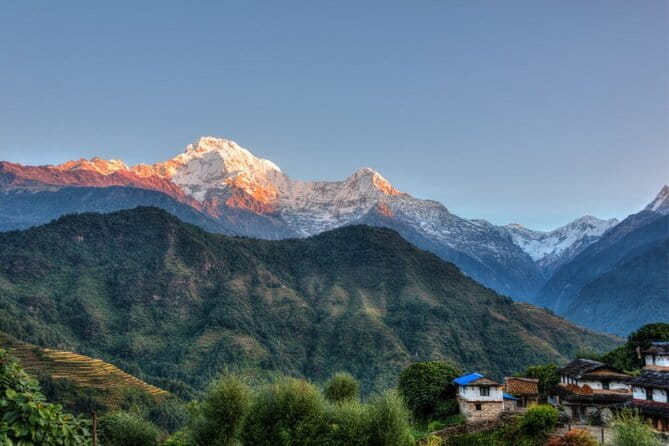
Mardi Himal is the type of trek you do when you’re tired of hiking by the timeline of other people’s selfies. The route is described as newly explored and still fairly secluded, which matters because the trail experience changes when there are fewer bodies on it. You get more breathing room for the slow stuff: listening to birds in the forest, feeling the trail texture underfoot, and actually noticing the small local details—like terraced fields and settlement life—without constantly dodging other hikers.
The second big reason I’d put this trek on your shortlist is the view “switch.” You’re not walking from start to finish on a single-note postcard ridge. You start in forest, you work your way up, and then you suddenly step into a rugged, higher-elevation world with wide, recognizable peaks. That rhythm—forest hush, then big mountain openness—is one of the best ways to keep a shorter trek feeling like a full mountain story.
There’s also a very practical side to choosing Mardi Himal. It’s built for people who want a meaningful trek without spending weeks on the trail. At the same time, you’ll still be asked to walk uphill enough to earn those views.
You can also read our reviews of more tours and experiences in Kathmandu.
Getting to the start: pickup, timing, and what “private” means
The day begins early: the meeting start time is 7:15 am. On a trek like this, that matters. You’ll typically get better visibility earlier in the day, and you avoid losing prime trekking time to slow starts and gear-fiddling.
Logistics are handled in a simple, traveler-friendly way. You’re offered pickup, and the package includes private transportation, plus a mobile ticket. It also says it’s a private tour/activity, meaning only your group participates. For some people, that’s not just comfort—it’s the difference between a smooth experience and a frustrating one (especially when you’re moving with a pace that fits your fitness and comfort).
One more detail I appreciate: the experience is listed as being near public transportation and that service animals are allowed. If you’re trying to plan around real-world needs, those little notes reduce anxiety.
Trek sections you’ll actually feel: forest paths to high ridge country
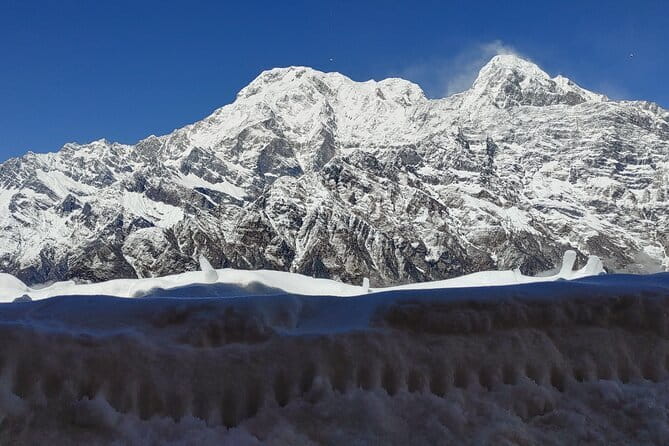
Think of the trek as two very different worlds.
Lower elevations: rhododendron forest and hidden valley vibes
Early on, the trail runs through deep rhododendron forests. The description also calls out small labyrinthine paths, which is trekking-speak for “don’t expect a straight highway.” You’ll spend time on winding routes where concentration helps: watch your footing, keep an eye on markers, and enjoy the shade and cooler air under trees.
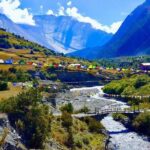
This is also where you’ll pass things that make the trek feel local, not just scenic. You can expect sparking rivers, terraced farms, and local settlements. In other words, it’s not only a climb; it’s a walk through places people actually live in and farm.
A small caution: forest trails can be slippery after rain, and the mix of roots and uneven ground can feel more tiring than you expect. You’ll want solid footwear and a calm pace.
Transition zone: the climb out of the trees near 3,310 m
The description is clear on an important milestone: you climb out of the forest at an elevation of 3,310 m. This is where your body notices the difference fast. Air feels thinner, walking feels heavier, and the terrain tends to look and feel more exposed.
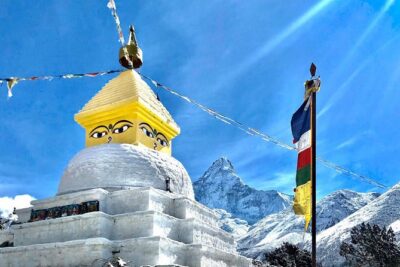
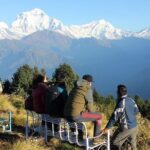
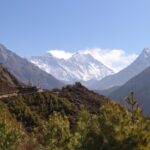
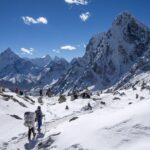
This transition is also where the scenery starts flipping from “pretty” to “wow, that’s a real mountain.” You begin to see a cluster of major peaks in the Annapurna region—Mardi Himal, Machapuchhre, Hiunchuli, and Annapurna South—and the view isn’t just one direction. It comes at you as you move and the ridges open.
If you tend to get impatient with steady uphill, take the forest-to-ridge change as your cue to slow down mentally. You’re not losing time. You’re preserving energy for the view payoffs that come next.
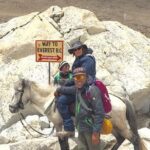
The big-view payoff: Mardi Himal and Machapuchhre moments
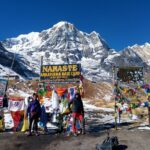
At the top end, the trek targets Mardi Himal Base Camp, positioned at the foothills of Mardi Peak and the area tied to Machapuchhre. This is the heart of why people do this route at all: fewer crowds, plus the chance to get close to the mountains both visually and, depending on conditions, spatially.
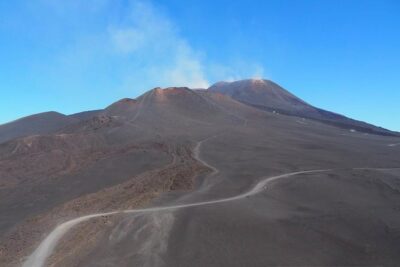
What you can look forward to is a more dramatic high-mountain feel. The description highlights a “rugged high mountain landscape,” meaning the terrain becomes less about forest hiking and more about mountain footing and breathing.
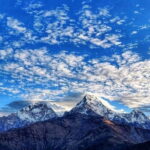
Machapuchhre (often called Fishtail) is one of those peaks that many people recognize immediately when the angles hit right. Hiunchuli and Annapurna South also show up in the same view logic, so you’re not stuck staring at just one summit line. If you like mountain variety, this is a good fit.
Practical reality check: views depend on weather. And this tour is explicit that it requires good weather, with a rescue option (different date or full refund) if canceled due to poor weather.
Culture and local life along the trail (not just scenery)
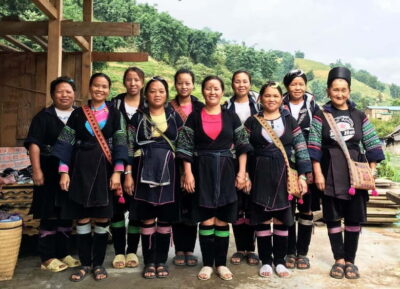
A trek becomes memorable when you see how people live, not only when you see what’s tall in the distance. This route is described as passing through local settlements and unique cultures and traditional way of life, plus hidden valleys.
You’ll also move along terraced farms and cross or follow rivers, which gives the day a rhythm. You’re not just walking from altitude point A to altitude point B. You’re watching the landscape be used—fields shaped by slope, small water sources feeding daily life, and communities tucked into the trekking corridor.
For me, the best “cultural” part of a trek isn’t a performance. It’s the ordinary things: how people cook, how they store supplies, how they greet you when you pass. Mardi Himal’s secluded nature makes it easier to experience those quiet moments without feeling like you’re walking through a guided parade.
Meals, water, and the snack truth
Food on a trek is where comfort meets logistics. This package includes breakfast, lunch, and dinner during the trekking portion (listed as 3 meals during the trekking (B/L/D) plus separate line items for breakfast and dinner). You’re not left to hunt for every meal on the fly.
That said, don’t count on unlimited snack options. Snacks are not included. If you like trail-friendly extras (nuts, chocolate, electrolyte tabs, tea bags you trust), pack them. Small comforts matter when the wind picks up at higher elevations.
Water is another practical point: bottled water isn’t included. The note says if you want to use tap water, you may include it, but mineral water needs to be bought. This is a big decision for how you’ll manage your stomach. If you’re sensitive to water quality, plan on purchasing mineral water for drinking and stick to a consistent method.
What’s included beyond trekking: transport and snorkeling gear
The inclusions list includes private transportation and snorkeling equipment. Snorkeling sounds odd on a mountain trek—so here’s the smart way to handle it: ask your operator when and where you’ll use it. The tour description also lists “river” and “jungle safari” among what you can expect, so the snorkeling gear may connect to a water-based break rather than being a guaranteed every-day thing.
Either way, the practical value is this: you won’t be stuck trying to source gear last minute if your plan includes water time. Trek schedules can vary with conditions, so a pre-included item can save you stress.
Also note what’s not included: unlimited food snacks aren’t part of the package, and bottled water is on you. Everything else is set up so your trek days feel organized.
Price and value: is $1,080 per person fair?
At $1,080 per person for around 10 days, you’re paying for more than walking. You’re paying for organized trekking support, the included meals (breakfast/lunch/dinner during trekking), and private transportation plus the handling that comes with a packaged trek.
Here’s how I’d judge value without getting lost in numbers:
- Meals are covered during the trekking portion, so you’re not spending half your budget on food sourcing.
- Private transport and pickup/drop-off style logistics typically reduce time-wasting and confusion, especially when you’re moving between cities and trail access points.
- Private group format matters. A small group pace often means less waiting around and fewer awkward “one slow person” delays.
- The route’s selling point is the quieter, less crowded nature of Mardi Himal. That can be worth paying for, because you’re buying time to hike with less chaos.
Potential value mismatch to watch for: if you’re the type who snacks constantly, wants lots of bottled water, and doesn’t plan around extra spending, your final “trip cost” can climb. But that’s true for most treks—this just keeps the baseline price focused.
If you want a trek that’s well-supported, includes core meals, and aims at off-the-main-trail solitude, the price starts to look more reasonable.
Who should book Mardi Himal, and who should think twice
This trek fits people with moderate physical fitness. That doesn’t mean it’s a stroll. It means you can handle long hiking days, uphill climbs, and altitude exposure—especially with the forest-to-ridge change near 3,310 m.
You should strongly consider Mardi Himal if:
- You want an off the beaten track Annapurna experience.
- You like forests at the start of the day and open mountain views later.
- You enjoy walking through real places—terraced farms, settlements, rivers—rather than only passing scenery.
You might think twice if:
- You’re not comfortable with a trail that can feel uneven and winding (those labyrinthine paths in forest).
- You’re very altitude-sensitive and need a more gradual exposure profile.
- You require lots of included snacks or bottled water (those aren’t included).
If you’re traveling as a family, the private-group structure can help. One of the key bits of feedback ties to family-friendly service and friendly guidance from the pickup point to the drop-off point, and that matters when everyone has different energy levels.
Practical packing and planning tips that matter on this route
You’ll get the best experience if you show up ready for variable conditions between forest and exposed higher areas.
Pack like you’re hiking through two climates:
- Forest days: expect shade, possibly damp ground, and cooler air.
- High points: expect colder temps, wind, and more exposed trekking.
From the tour details, prioritize:
- Solid footwear for uneven, winding paths
- Enough layers for the climb out of the trees near 3,310 m
- A plan for snacks since they aren’t included
- A water approach consistent with your comfort level (bottled/mineral water is not included)
Also, start time is 7:15 am, so plan your morning routine accordingly—no late-night surprises, no last-minute gear scavenger hunt.
A note on weather and flexibility
The experience explicitly requires good weather. If it gets canceled due to poor weather, you’ll either be offered a different date or a full refund. That flexibility is important on mountain routes where clouds can decide whether you see the peaks or just taste damp air.
Should you book Mardi Himal with Adventure Blossom Treks and Expedition?
If you want a trek that’s quieter, shorter, and focused on real mountain payoff, Mardi Himal is a strong choice. The biggest draw for me is the way it changes: forest trails to high views, plus access to major peaks like Machapuchhre and Mardi Himal without the nonstop crowd energy.
Book it if you:
- Can handle moderate trekking fitness
- Prefer off-the-main-trail routes
- Want included meals and organized logistics
- Are willing to plan around weather (early starts help, but conditions still rule)
Skip it (or ask a lot of questions first) if you:
- Need a very predictable schedule in poor weather
- Want lots of snacks and bottled water included
- Are hoping for a fully hands-off day-to-day plan with no gear or comfort decisions
FAQ
What time does the Mardi Himal trek start?
The listed start time is 7:15 am.
Is pickup included, and do you get private transportation?
Yes. Pickup is offered, and the package includes private transportation.
How much food is included during the trek?
The tour includes breakfast, lunch, and dinner (B/L/D) during the trekking portion. Snacks are not included, and bottled water is not included.
Do I need to bring bottled water?
Yes. Bottled water is not included. The information says mineral water needs to be bought if you want to use it.
How fit do I need to be?
You should have moderate physical fitness to take part.
Is this trek private or shared with other groups?
It’s a private tour/activity, so only your group will participate.
What happens if the trek can’t run due to weather?
If it’s canceled due to poor weather, you’ll be offered a different date or a full refund.