REVIEW · KATHMANDU
From Kathmandu: Guided Everest Base Camp Trek
Book on GetYourGuide →Operated by Info Nepal Tours and Treks · Bookable on GetYourGuide
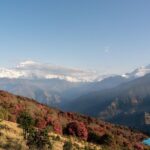
Everest Base Camp starts feeling real fast. In 12 days from Kathmandu, you get nonstop Everest-range peak views plus Sherpa-led guidance built around culture stops like Namche Bazaar and Tengboche Monastery.
You’ll also travel through Sagarmatha National Park, where the big scenery comes with a side of rare Himalayan wildlife potential and serious high-altitude “wow” moments. One thing to keep in mind: this trek mixes steep climbing, long days, and altitude, so you need to pace yourself and take the acclimatization plan seriously.
In This Review
- Why This Everest Base Camp Trek Feels Worth It
- Key Highlights You’ll Actually Notice
- From Kathmandu to Lukla: first flight, first steps (and a reset)
- Namche Bazaar (3,440m): acclimatization that also gives you a real town
- Tengboche and the monastery day: panoramic views plus prayer rituals
- Dingboche (4,400m) rest day: where you plan your effort
- Lobuche to Gorak Shep: the last stretch before Everest Base Camp
- Everest Base Camp (5,364m) and Kala Patthar (5,545m): the moment you came for
- The return: Namche, Lukla, and that strange quiet after
- Price and value: what $408 covers (and what to budget for)
- Guides and support that matter most on a mountain trek
- Is This Trek for You? (Quick fit check)
- Should You Book This Everest Base Camp Trek?
- FAQ
- How long is the Everest Base Camp trek from Kathmandu?
- Where does the trek take place?
- Do I get a guide, and is the guide English-speaking?
- Is the Sagarmatha National Park permit included?
- Does the price include flights from Kathmandu to Lukla?
- Is accommodation included during the trek?
- Are meals included?
- What’s included in addition to guiding and permits?
- Do I need travel insurance?
- What if I need to cancel?
Why This Everest Base Camp Trek Feels Worth It
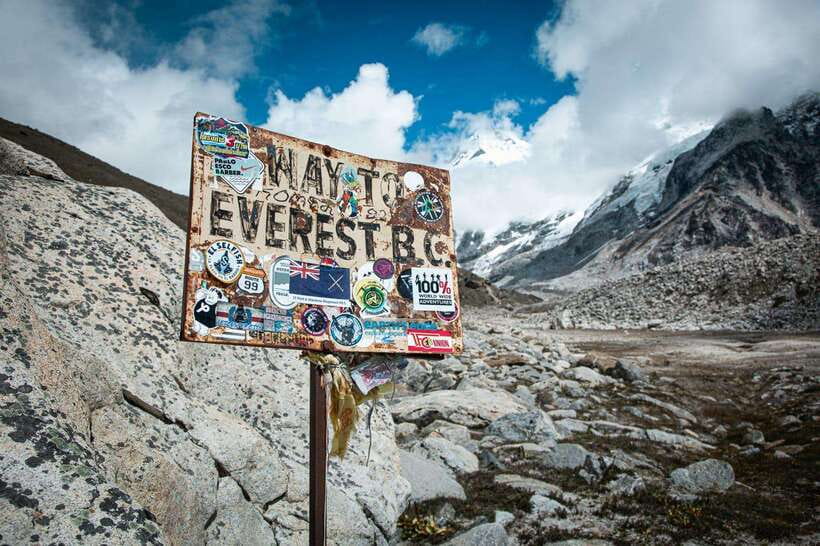
This is the classic Everest Base Camp route, but what makes it work for real people is how tightly it’s structured: you build altitude gradually, you take intentional rest, and your guide helps you keep moving without wasting energy. The guide support really shows in day-to-day moments—like when someone needs extra help carrying a heavy pack or getting medical attention late in the trek.
Still, there’s no way around it. Altitude + challenging terrain is the main challenge here, and the days toward the end ask you to be patient with your body.
Key Highlights You’ll Actually Notice
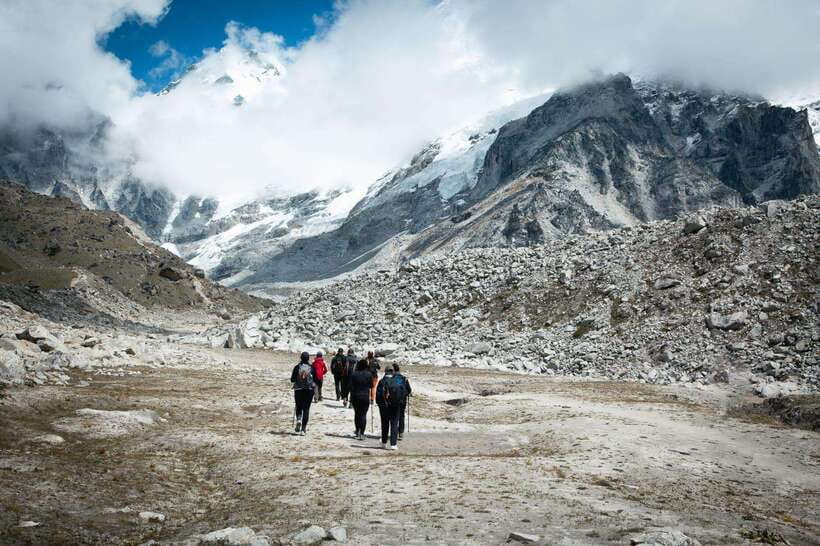
- English-speaking guides who manage pace and safety, including support that can include porter help and medical assistance if needed
- Namche Bazaar acclimatization, so you don’t just “rush up” to higher elevations
- Tengboche Monastery rituals and prayer time with panoramic views of the Everest region
- Sagarmatha National Park (UNESCO World Heritage) with high chances of seeing Himalayan wildlife signs and dramatic alpine scenery
- Kala Patthar sunrise option paired with Everest Base Camp itself for the two biggest viewing wins
You can also read our reviews of more tours and experiences in Kathmandu.
From Kathmandu to Lukla: first flight, first steps (and a reset)
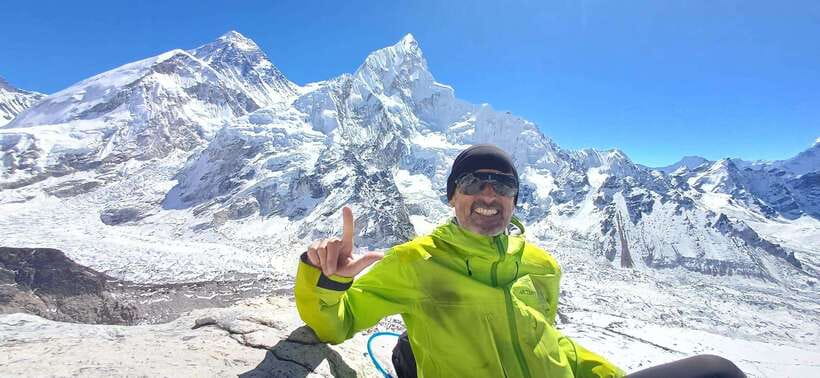
Your trip starts in Kathmandu with hotel pickup and drop-off, then heads into the real trek rhythm via a domestic flight to Lukla (roundtrip flights are included only if you select that option). After landing, you begin hiking toward Phakding at about 2,610 meters.
This first day is about two things: getting your legs moving and letting the altitude and routine sink in before the route steepens. In a trek like this, the “easy-ish” start matters. It’s where you find your stride, learn how your pack feels, and get used to the typical rhythm of teahouses, short breaks, and steady walking.
If you’re going solo, this first day also helps you feel less rushed. You’re not thrown straight into the high elevations. You’re ramped into them.
Namche Bazaar (3,440m): acclimatization that also gives you a real town
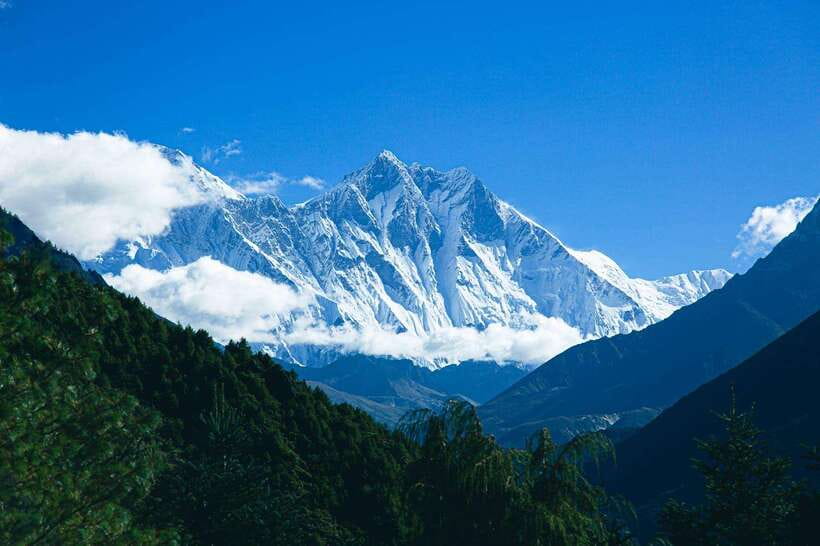
Next you trek to Namche Bazaar at around 3,440 meters. It’s the gateway to the Everest region, and it has enough going on that acclimatization doesn’t feel like wasted time. Namche is known for being a bustling market town where you can buy local crafts and settle into Sherpa life.
Then comes the important piece: an acclimatization day in Namche. In practical terms, that means you’re giving your body time to adjust before you climb higher. At this stage, I like to think of Namche as your altitude “workshop.” You learn how fast you get out of breath, you find a walking pace you can sustain, and you get your timing right for the days ahead.
You also get culture without forcing it. You’re surrounded by daily life—shops, tea houses, and people moving around as if the mountain is part of everyday scheduling (because, for them, it is).
Tengboche and the monastery day: panoramic views plus prayer rituals
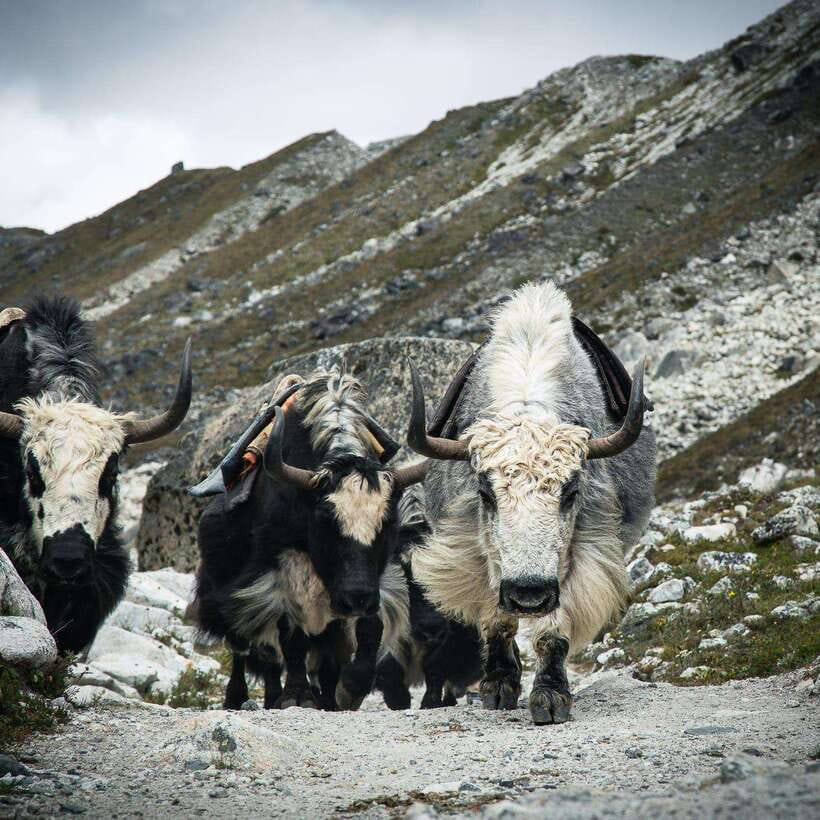
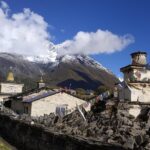
From Namche, you continue up toward Tyangboche around 3,800 meters, with the key stop being the Tengboche monastery area (about 3,867 meters). Tengboche is tied to daily Buddhist rituals, so you’re not just hiking past a “sight.” You’re seeing how the community marks the day spiritually.
This is one of those moments where the view and the atmosphere land together. You’re high enough for wide Everest-range panoramas, and you also get a sense of how belief and mountains intertwine in daily Sherpa life.
Practical note: a monastery stop often means slower minutes—standing, watching, and taking in the scene. That’s good. It breaks the day’s effort into different “modes,” which can help you manage altitude fatigue.
Dingboche (4,400m) rest day: where you plan your effort
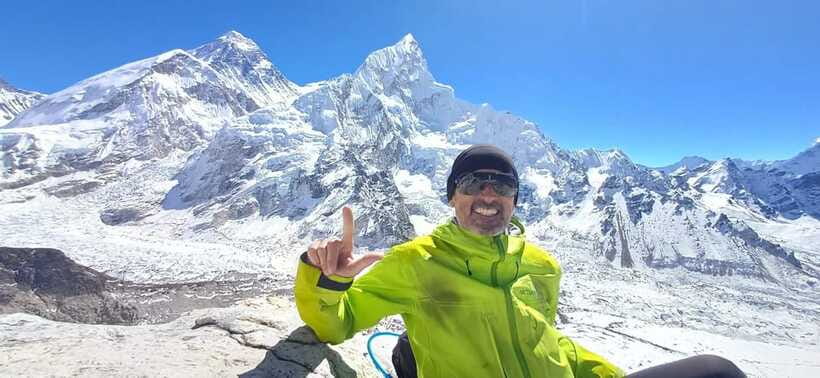
You’ll reach Dingboche at about 4,400 meters and then take a rest day there. That rest day is not just comfort—it’s part of how the trek reduces risk from altitude. By the time you’re in Dingboche, the higher air changes how you breathe and how quickly your energy drops.
This is also where you start thinking like a mountain hiker: don’t spend energy you don’t need. The route ahead rises again to places like Lobuche and Gorak Shep, and if you push too hard too early, you’ll feel it later.
What I like about a planned rest day is simple: it keeps the “hero timeline” in check. You’re not gambling with your body. You’re building for the payoff.
Lobuche to Gorak Shep: the last stretch before Everest Base Camp
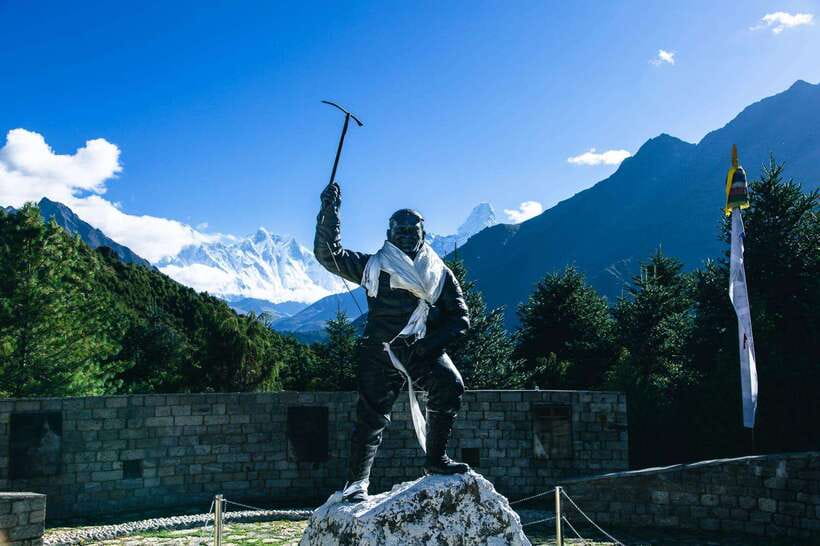
After Dingboche, you trek on to Lobuche around 4,900 meters, then continue toward Gorakshep at about 5,150 meters. Gorakshep is the last settlement before pushing up to Everest Base Camp.
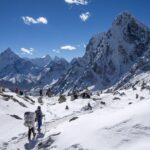
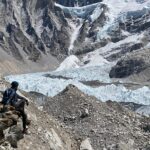
This section tends to feel different because you’re no longer just “climbing.” You’re approaching the glacier-and-ice world. Even the vibe of the hike shifts toward something more intense and final. You’ll feel how close you are to the expedition-scale scenery.
And because you’re higher now, every small pacing decision matters. This is where your guide’s role gets very real: keeping you moving steadily, watching how you’re doing, and helping adjust plans if someone needs extra help.
Everest Base Camp (5,364m) and Kala Patthar (5,545m): the moment you came for
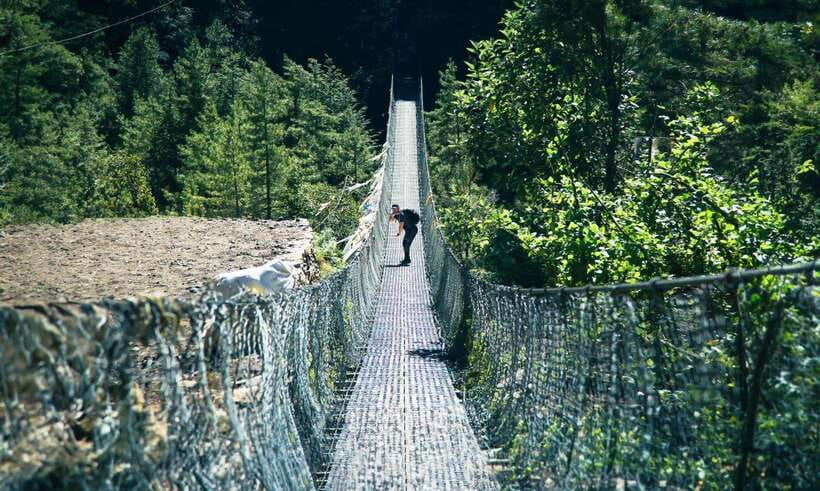
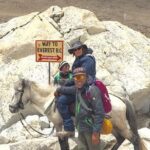
Then you hit the core goal: Everest Base Camp at about 5,364 meters. From here, the Khumbu Icefall and surrounding glaciers create that spine-tingling feeling that the world’s highest mountain is no longer a concept—it’s a physical presence.
But the truly special “second act” is Kala Patthar. From the Gorakshep area, you hike up to roughly 5,545 meters for a close-up view of Everest and the surrounding peaks, especially around sunrise.
Why this pairing works: Base Camp gives you the destination emotion. Kala Patthar gives you the sightline emotion. Together, they deliver both accomplishment and those wide, close-feeling panorama moments that stay in your memory.
If you’re expecting one big view only, you’ll be pleasantly surprised. This trek is built like a two-part movie: first you reach the base of the legend, then you step onto a viewpoint where it feels almost within reach.
The return: Namche, Lukla, and that strange quiet after
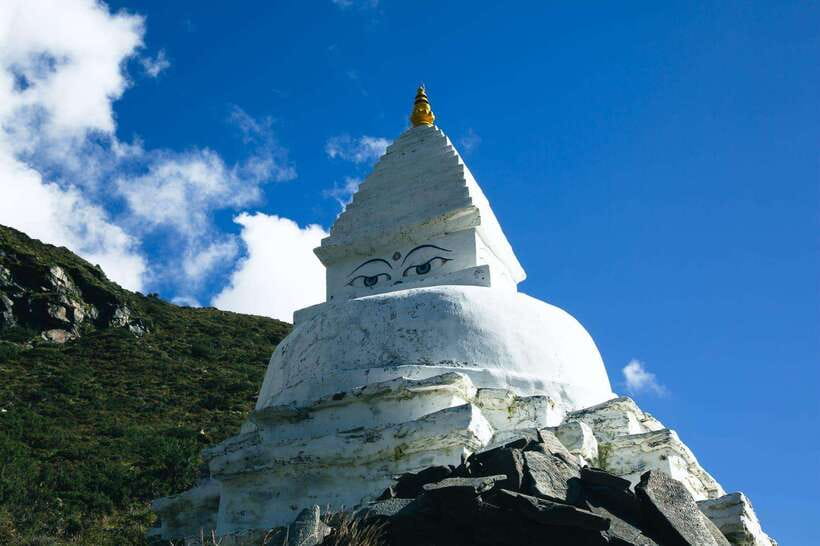
On the way back, the route takes you from Gorak Shep area down toward Pheriche (around 4,200 meters), then onward to Namche Bazaar again at about 3,440 meters. After that, you trek down to Lukla around 2,800 meters.
The return days can feel different mentally. The altitude may still be present, but the route is giving you more time to process what you just did. And since you already built acclimatization earlier, you’re not starting over at the hardest point—you’re coming down with purpose.
Finally, you fly back to Kathmandu on Day 12.
Price and value: what $408 covers (and what to budget for)
This trek is priced at $408 per person and runs 12 days. What makes the price feel more reasonable is what’s included that would be annoying to organize yourself in Nepal: a guide, accommodation along the route, and the Sagarmatha National Park permit.
Here’s what you can expect to be included:
- Hotel pickup and drop-off in Kathmandu
- Domestic flights Kathmandu ↔ Lukla if you select that option
- Accommodation during the trek
- Sagarmatha National Park permit
- A live English guide
- A trekking map
- A first-aid kit
- Welcome and farewell coffee
Two common add-ons you’ll need to handle separately:
- Nepal visa fee
- Travel insurance
There’s also one “choose-your-style” item: food and drinks can be included if you pick the full board option. If you don’t, you’ll want to plan for paying for meals along the way.
My take on value: for a route this famous (and this altitude-heavy), paying for guidance and permits is money well spent. The biggest cost is effort—so using a system that helps you manage pace and logistics tends to protect your trip.
Guides and support that matter most on a mountain trek
This is where the experience earns its top scores. The guides named in recent feedback—Saran and Prayas—are described as genuinely helpful, with English communication that works even for solo travelers.
I also like how the support shows up in practical ways:
- Helping with heavy loads when someone is too tired to manage
- Checking in on how you’re feeling and adjusting the day’s effort
- Taking time for photos and even video so you don’t only remember it through stress and breath
- Providing help late in the trek if someone becomes ill, including medical assistance and a porter for the last day (in one case)
There’s also a behind-the-scenes organizer named Rajesh. You’ll typically get fast communication in advance, including WhatsApp-style planning that can help you know what to expect before you even land in Nepal.
For solo travelers especially, a strong guide isn’t just “nice.” It changes how safe and relaxed the trek feels.
Is This Trek for You? (Quick fit check)
This trek suits you if:
- You’re willing to work for altitude views and you can handle long hiking days
- You want a small group experience with an English-speaking guide
- You care about more than scenery—monasteries, Sherpa culture, and the Sagarmatha National Park setting matter to you
You might want to think twice if:
- You dislike physically demanding days or you’re unsure about your ability to pace at higher elevations
- You’d rather have a fully self-directed trek without guide support (this one is built around guided structure)
Should You Book This Everest Base Camp Trek?
If your goal is the classic Everest Base Camp experience with a guide who shows up in real moments—pace, communication, and support—then this one is a solid pick. The combination of Namche acclimatization, a monastery day, a planned rest in Dingboche, and the Everest/Base Camp plus Kala Patthar viewing finale is a smart route design for most people.
I’d book it if you’re ready for a tough but well-managed trek and you want the comfort of having permits, permits logistics, and daily guidance handled for you.
One last thought: read your own body cues. Even with a great guide, altitude doesn’t negotiate. Choose this trek when you’re ready to pace, hydrate, and accept slow progress on the days that matter.
FAQ
How long is the Everest Base Camp trek from Kathmandu?
It’s a 12-day trek.
Where does the trek take place?
In Nepal’s Koshi Zone, on the Everest Base Camp route, including Sagarmatha National Park.
Do I get a guide, and is the guide English-speaking?
Yes. The live tour guide is English-speaking.
Is the Sagarmatha National Park permit included?
Yes, the permit is included.
Does the price include flights from Kathmandu to Lukla?
Roundtrip domestic flights Kathmandu to Lukla are included if you select the flight option.
Is accommodation included during the trek?
Yes, accommodation during the trek is included.
Are meals included?
Food and drinks are included if you choose the full board option. Otherwise, meals may not be fully included.
What’s included in addition to guiding and permits?
You get a trekking map, a first-aid kit, and welcome and farewell coffee, plus hotel pickup and drop-off in Kathmandu.
Do I need travel insurance?
Travel insurance is not included.
What if I need to cancel?
You can cancel up to 24 hours in advance for a full refund.