REVIEW · KATHMANDU
Kanchenjunga South Base Camp Trek – 13 Days
Book on Viator →Operated by Breeze Adventure Pvt Ltd · Bookable on Viator
Remote Kanchenjunga trails beat the crowds. This Kanchenjunga South Base Camp Trek threads through Rai, Limbu, and Tibetan communities and brings you close to Nepal’s third-highest mountain, with real odds of spotting wildlife like Himalayan tahr and even snow leopard. I love the low-trekker feel of this route, and I also like how the plan builds in a full excursion day near the south wall. The main drawback to consider is the remoteness: once you pass the Yamphudin area, services get thin, so you need to feel comfortable with long stretches and fewer comforts.
What makes this trip especially workable is the small-group setup (max 7) plus a government-authorized guide and porters, including a first aid kit. If you’ve done bigger trails like Everest Base Camp, you’ll likely recognize the pacing rhythm here, but with a calmer vibe. You should also be ready for early starts, steep moments, and some long road days linking Kathmandu, Ilam, and Taplejung.
In This Review
- Key Highlights You’ll Remember
- Why Kanchenjunga South Base Camp Feels Different
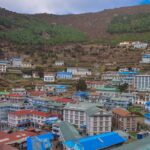
- Getting Started: Kathmandu Sightseeing, Overnight Bus, and Illam
- Day 3 to Day 5: From Rice Fields to Suspension Bridges
- Day 6 to Day 7: When the Trail Gets Remote (and Beautiful)
- Day 8 and Day 9: Ramche, Tent Contingencies, and the South Wall Excursion
- Day 10 to Day 11: The Return to Tseram and the Ranipul Shortcut
- Days 12 to 13: Rolling Back to Ilam and Finishing in Kathmandu
- Price and Value: What $2,095.34 Covers (and What You Still Need)
- Guides and Small Groups: The Real Difference You Feel
- Practical Pacing Tips for This Route
- Should You Book Kanchenjunga South Base Camp Trek?
- FAQ
- How long is the Kanchenjunga South Base Camp Trek?
- Where does the tour start and end?
- What’s included in the tour price?
- What isn’t included?
- Is pickup offered?
- What fitness level do I need?
Key Highlights You’ll Remember
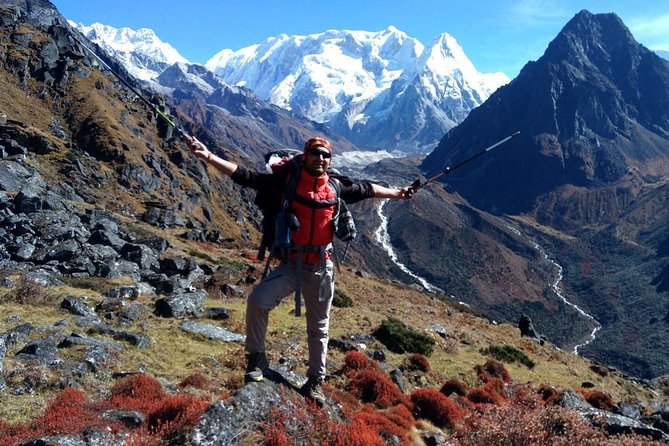
- Ilam tea garden and the Kathmandu UNESCO sweep: You start with sightseeing, then transition via overnight bus toward the trek region.
- First Kanchenjunga glimpses from lower passes: You catch early views near Sinchebu Bhanjyang around 2,240m.
- Kabeli Khola days with waterfalls and forest color: The trek follows the river system for a mix of walking and scenery breaks.
- Chitre grazing yaks and Spanish moss in the forest: Small moments that make the big altitude feel more human.
- Ramche as the last teahouse zone (sometimes tent nights): The trip adapts if there’s a large group.
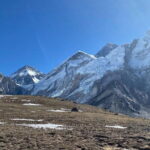
- Day 9 excursion toward the southern wall: You’re set up for a close look at Kanchenjunga’s three main summits.
Why Kanchenjunga South Base Camp Feels Different
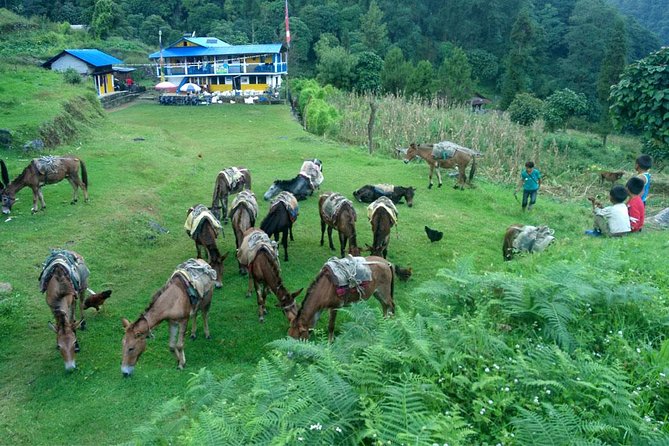
If you want Himalayan views without the constant traffic jam feeling, this is one of Nepal’s better answers. Kanchenjunga sits high above Taplejung, and the trek to its south base camp side stays out of the busiest circuits. That matters because it changes how you experience the mountains: fewer people, quieter evenings, and more time to notice the small stuff—sounds of wildlife, forest textures, and village life at your own pace.
You also get a cultural mix that’s not just background text. Even though the people you meet are all Nepalese, the Rai, Limbu, and Tibetan villagers each bring their own dialects, rituals, and customs. On a long trek, those differences start to feel personal because you’ll be walking through their workdays and routines, not just passing signage.
The other big difference: this route centers on the south wall and the glacier approach. You’re not only “hiking to a dot on a map.” You’re given time to walk into a viewpoint day around Kanchenjunga South Base Camp, which is where the mountain really starts to dominate your thoughts.
You can also read our reviews of more tours and experiences in Kathmandu.
Getting Started: Kathmandu Sightseeing, Overnight Bus, and Illam
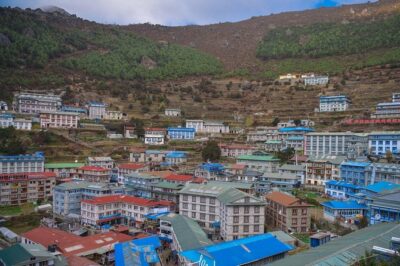
You’ll begin in Kathmandu at the Breeze Adventure office in Thamel Marg. From there, the plan starts with breakfast and sightseeing by private vehicle, including several UNESCO World Heritage Sites. This is a nice palate-cleanser before the mountains—easy to do, and it helps you understand the Nepal you’ll be leaving behind for a few days.
Then comes the practical part: an overnight bus to Ilam. It’s not glamorous, but it’s efficient. You’re using road time to position yourself for Taplejung, and it means less back-and-forth later.
On day two, you drive again toward Taplejung. The journey passes villages and agricultural fields, so it doesn’t feel like a dead transfer day. You also get a built-in reminder to arrive well-rested before the first trekking steps.
Day 3 to Day 5: From Rice Fields to Suspension Bridges
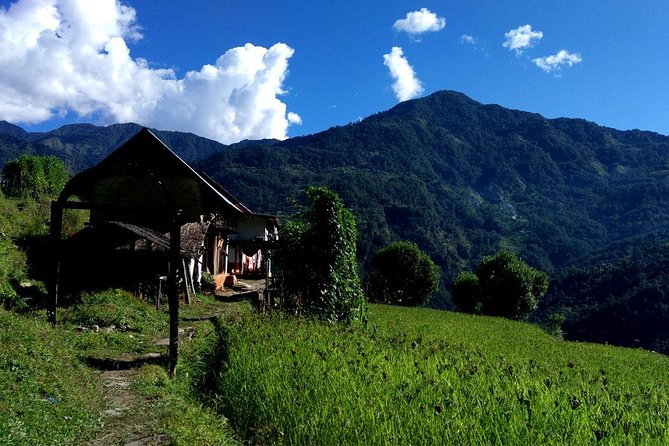
The first trekking day starts with an easy-to-follow downhill rhythm—millet and rice fields, then a transition into river crossing country. You’ll reach a suspension bridge over the Phewa Khola at about 1,430m. Bridges like this sound simple, but on a remote trail they act like mental mile markers: you see a different valley, you hear different birds, and your whole day shifts direction.
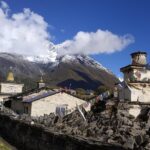
Next you continue toward Sinchebu Bhanjyang (around 2,240m). This is where the mountains start to show more clearly—your first meaningful glimpses of Kanchenjunga and Kyabru. Those early views matter. They help you pace yourself mentally, because you can measure progress against real mountain targets rather than guessing.
You also end day three by crossing a pass and descending to Khesewa. Expect the body to feel the altitude changes and the change in trail texture, even if the day isn’t long.
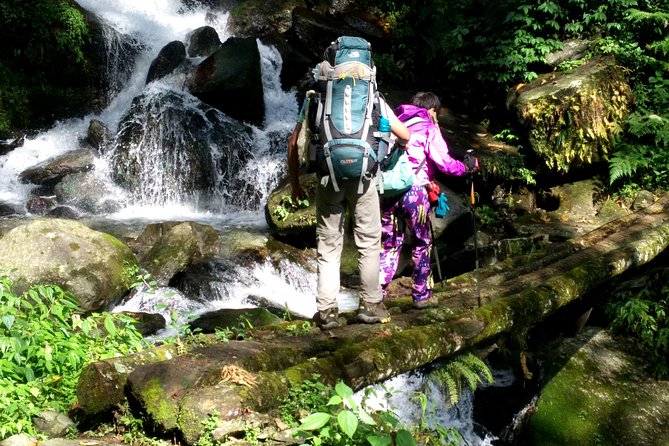
Day four shifts into mixed forests and the Kabeli Khola valley. You’ll walk on a relatively flat path at times, with small waterfalls that make the whole river-following part feel alive. You’ll stop for lunch at Yangpang with awesome views of Mt. Jannu, then finish with a short but real uphill push to Pumpe Dada. That pattern—scenery, lunch view, then a last climb—is common in this region, and it’s a good sign your body is adapting.
Day five is mostly uphill but described as an easy trail that stays alongside Kabeli Khola. You’re still walking in a river system, which helps with navigation and keeps the day scenic. You’ll pass under rocky cliffs from past landslides. That’s not fun to think about, but it’s also reality on Himalayan trails, and seeing the terrain change makes you grateful for a well-maintained route and good local planning.
Day 6 to Day 7: When the Trail Gets Remote (and Beautiful)
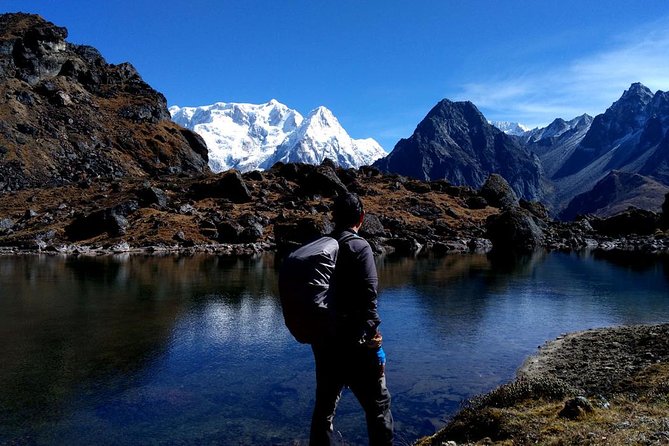
Day six is where you should pay attention to the idea of remoteness. Above Yamphudin, facilities are few and far between. The trip notes you’ve planned well, and that planning shows up as the ability to keep moving without constant resupply panic.
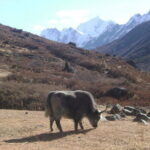
From Amje Khola, you climb relentlessly but on a trail that’s well-maintained. At Chitre, you may spot grazing yaks—an easy sight that turns a long climb into something you can focus on. Then the forest changes character: you’ll walk through a teeming area with Spanish moss, the kind of detail that looks like it was invented for a film set.
You’ll reach Tortong after crossing a suspension bridge and continuing a gentle uphill. This day is long enough to test endurance, but it’s also paced enough to keep the view-and-walk rhythm working.
Day seven continues the climb to Tseram (around 3–4 hours after starting from Tortong). The trail runs beside Simbuwa Khola, and you’re walking through the Lalung valley with Tuplung peak in view. Thick rhododendron forest shows up here, plus the Yalung Glacier as a moving landmark.
Then there’s the lake plan near Cheram village: lunch, then a hike up to a lake for 1–2 hours. If weather is clear, you can catch a sunset view over the Himalaya. Even if you don’t get perfect light, the day still pays off because it gives you variety: forest, glacier scenery, then a calmer water moment.
Day 8 and Day 9: Ramche, Tent Contingencies, and the South Wall Excursion
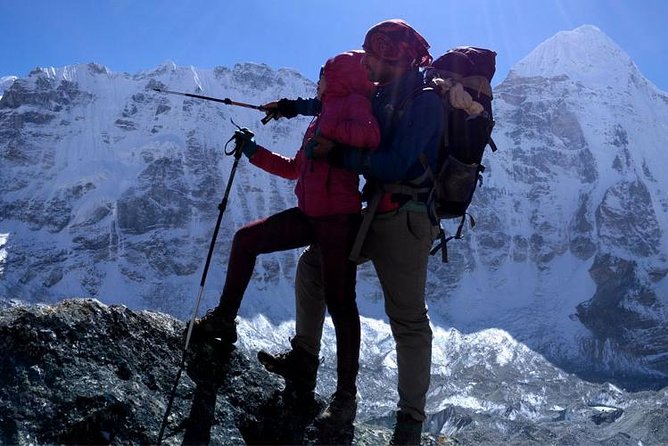
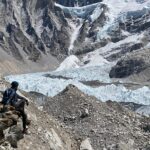
Day eight is a shorter trek after breakfast, with an ascent that leads you to the start of the Yalung Glacier. This is one of the most memorable “shift” moments on the route. The path becomes more glacier-focused, and the valley views start to feel more concentrated.
As you walk, you pass Lapsang and reach Ramche, the last teahouse on the Kanchenjunga South Base Camp trek. Ramche sits on wide ground, which helps your sense of space when things feel crowded or windy. There’s also a real logistical contingency: if there’s a big group, you might sleep in a tent instead of the teahouse.
That’s worth planning for. Even if you’re not sleeping outdoors, the possibility is a reminder that you’re in a high, remote environment. Your goal should be flexible comfort, not perfect expectations.
Then day nine turns into a dedicated excursion day around the South Base Camp area. You’ll set off early with a packed lunch to follow the valley around Kanchenjunga’s sweeping curve toward the southern wall. Along a ridge, there are three main summit points listed in the plan: 8,420m, 8,586m, and 8,474m. Seeing those numbers in the context of what you’re walking toward makes the mountain feel less abstract and more reachable.
You continue toward Oktang, descend onto the glacier, and traverse toward a point below. The details of that final positioning can vary with conditions, but the intent is clear: get as close as is practical for your day, then return safely to Ramche/Tseram logic for the next stage.
Day 10 to Day 11: The Return to Tseram and the Ranipul Shortcut
Day ten brings you back down to Tseram on the same trail. It’s said to be long but easy, which is classic trail math: less technical stress, more total walking time. This is a good day to use steady footwork and proper hydration, because your motivation will be high but your legs may feel tired after the excursion effort.
Day eleven is where the itinerary gets clever. Instead of repeating the longest downhill stretch, you take an ancient trade route that links India to Tibet—now developed to reach Ranipul. The goal is to save several days and skip the long downhill walk to Yamphudin.
The route starts with a bit of uphill, then turns mostly downhill to Ranipul. You have lunch during the hike and finish in time for the next day’s road shift. If you’re the kind of person who hates repetitive downhill fatigue, this is one of the best practical choices in the whole program.
Days 12 to 13: Rolling Back to Ilam and Finishing in Kathmandu
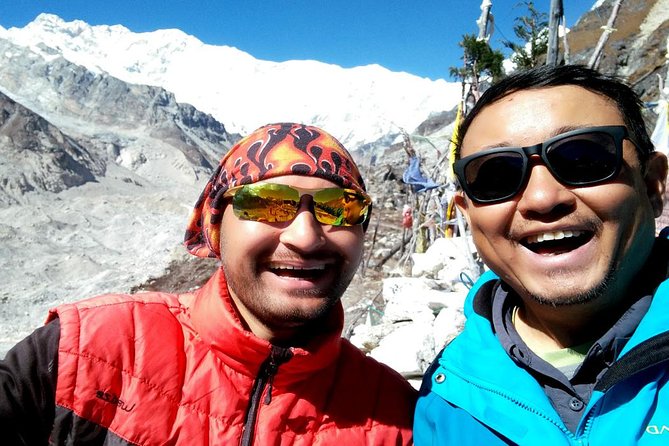
On day twelve, you wake for a celebratory breakfast in the teahouse. Then the hiking part is over, and you move into road travel. You drive through rolling terraced hills and quaint villages, stop for lunch in Taplejung, then continue to Ilam.
Day thirteen is the long drive back to Kathmandu, with a farewell dinner in the evening. You also return to the same meeting-point area, which keeps the wrap-up simple.
The two road-heavy days are not a weakness here. They’re how this program connects a remote trekking region to Kathmandu without adding extra flights or complicated transfers.
Price and Value: What $2,095.34 Covers (and What You Still Need)
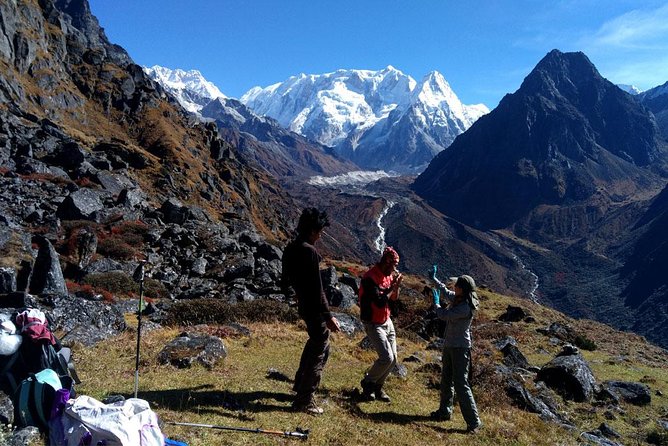
At $2,095.34 per person, the big question is always value versus “budget DIY stress.” Here, the price includes a lot of the stuff that usually costs time and headspace.
You get local guest house accommodation during the trek and needed road transportations. You also get a government-authorized experienced guide and porters, plus insurance, food, and accommodation for the team, along with wages. A first aid kit is included, and the trip covers the Kanchenjunga Conservation Area Permit and government taxes.
Meals are handled as hygienic trekking meals: breakfast, lunch, and dinner during the trek, plus breakfast included at two 2–3 star hotels in Kathmandu (two nights total). Pickup is offered, and you’ll receive a mobile ticket, which reduces the “where do we meet” anxiety.
What’s not included is also clear. International airfare is on you, as are meals in Kathmandu beyond breakfast. Alcohol, chocolates, tea and coffee during the trek and Kathmandu meals are not included, and you’ll want personal insurance that covers your trek. Tips for guide and porter are also not included.
For many hikers, this structure is worth it because the value isn’t just the money. It’s the peace of mind that comes from a team already set up for a remote route, with permits handled and daily food secured.
Guides and Small Groups: The Real Difference You Feel
This trek is capped at max 7 travelers, which changes the day-to-day. You’re less likely to feel stuck in a traffic line at tea houses. You’ll also tend to get more flexible pacing from the guide, because the group is small enough for real adjustments.
In the feedback I saw, guidance quality showed up fast. One guide named Galje was praised for keeping a smile and adjusting suggestions to a slower pace, including ideas like adding a side climb (Sunpati Peak was mentioned). That’s a good sign for you if you don’t want a one-size-fits-all trekking style.
I also saw the owner, Kishwor, show up in the way questions were answered before the trip. That kind of responsiveness matters because it can help you choose the right plan for your comfort level, especially on a remote trek where you don’t want last-minute surprises.
Even names matter here: Sushant and Prem came up in responses, reinforcing that there’s a real local team behind the schedule—not just a generic handoff.
Practical Pacing Tips for This Route
This trek is built with a steady climb-and-recovery rhythm. You’re not looking at nonstop grind every day, but you should still expect long hiking hours and some steep moments.
A few smart ways to make the trek feel better:
- Move slowly on the climbs. The plan includes gradual segments to help you adjust.
- Expect at least one day where you’re thinking more about the legs than the views. Day ten is described as long but easy, so treat it like a controlled walk.
- Plan for remote facilities after the earlier villages. The trek explicitly notes that above Yamphudin, services are limited.
- Pack layers for forest mornings and higher-altitude weather changes. Your schedule includes early starts and glacier-area walking.
- Keep a flexible mindset about Ramche sleeping arrangements. The plan states tent nights are possible depending on group size.
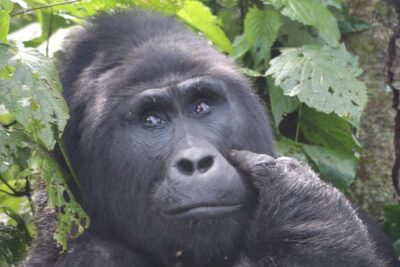
Also, if wildlife watching is your thing, keep your eyes open. The region is described as home to rare animals like Himalayan black bear and musk deer, and you might even spot snow leopard and red panda—plus birding for snow cock and pheasant. You won’t control the sightings, but being alert is part of the fun.
Should You Book Kanchenjunga South Base Camp Trek?
I’d book it if you want a high-mountain trek with less crowd pressure than the big headline routes, and you care about both mountain views and village culture. The itinerary makes sense for people who can handle moderate fitness and long walking days, and it’s thoughtfully structured with a glacier-centered excursion and a return plan that includes the Ranipul shortcut.
I’d think twice if you dislike remote-trail comfort tradeoffs. Above Yamphudin, facilities are few, and Ramche can involve tent sleeping depending on group size. If you hate uncertainty or you’re not comfortable with basic teahouse logistics, this may feel stressful instead of exciting.
If you’re excited by the idea of Kanchenjunga’s south-wall summits and you want an experience that stays quietly human at every step, this trek is a strong fit.
FAQ
How long is the Kanchenjunga South Base Camp Trek?
The trek runs for about 13 days, including road travel days between Kathmandu, Ilam, and Taplejung.
Where does the tour start and end?
It starts at Breeze Adventure Pvt. Ltd in Thamel Marg, Kathmandu, and ends back at the same meeting point.
What’s included in the tour price?
Included are local guest house accommodations and road transport during the trek, a government-authorized guide and porters, insurance and a first aid kit, Kanchenjunga Conservation Area Permit and government taxes, and trekking meals (breakfast, lunch, and dinner). It also includes two nights in 2–3 star hotels in Kathmandu with breakfast.
What isn’t included?
Not included are international airfare, meals in Kathmandu other than breakfast, alcohol, chocolates, and tea/coffee. Tips for the guide and porter are also not included, and you’ll need personal insurance that covers the trek.
Is pickup offered?
Yes, pickup is offered as part of the experience.
What fitness level do I need?
The tour states you should have a moderate physical fitness level.