REVIEW · KATHMANDU
Everest Base Camp Trek 12 Days – Best Himalayan Adventure
Book on Viator →Operated by Scenic Nepal Treks Expedition Pvt. Ltd · Bookable on Viator
One wrong turn and you’re done. That’s why I like this Everest Base Camp trek: it’s set up as a private, guided experience with an experienced Sherpa guide. You get the iconic Khumbu scenery, Sherpa villages, and high-altitude viewpoints like Kala Patthar, plus domestic flights and permits handled for you.
What I like most is the support system. You’re not just dropped on a trail; you’re with a team that includes Sherpa guidance, a first aid kit, and insurance for staff, and you can add a porter option (with porter coverage already included for two hikers).
One thing to consider: this is high-altitude trekking. Even with acclimatization days built in, you still need solid stamina and sensible planning around weather and cold.
In This Review
- Key Highlights You’ll Feel on the Trail
- A Private Everest Base Camp Trek That Feels Like a Plan, Not a Guess
- Price and Value: What $1,439 Buys You (and What It Doesn’t)
- Kathmandu Start: Meeting Point, Pickup, and Getting Your Bearings
- Lukla Flights: The Connection Day That Sets Your Mood
- Namche Bazaar to Tengboche: Sherpa Villages, Bridges, and Big Mountain Moments
- Namche Bazaar: Where altitude becomes personal
- Tengboche: Mountain views plus calm moments
- Dingboche: Higher, colder, and more focused
- The High-Altitude Push: Everest Base Camp Days and Kala Patthar Views
- Gorak Shep: Your staging area
- Kala Patthar: The payoff viewpoint
- Tea Houses, Meals, and the Comfort Stuff That Actually Matters
- Clothing and gear: plan like it’s cold, because it is
- Porter Plan and Bag Management: How Not to Feel Like a Mule
- Altitude Reality Check: Who This Trek Suits Best
- Vegetarian Option, Group Size, and the Human Side
- Should You Book This 12-Day Everest Base Camp Trek?
- FAQ
- How long is the Everest Base Camp trek?
- Is this a private trek?
- Are domestic flights included?
- What lodging is included during the trek?
- Is a porter included?
- Can I request vegetarian meals?
- Where does the tour start in Kathmandu?
Key Highlights You’ll Feel on the Trail
- Private guided trek in the Everest region, with experienced Sherpa leadership
- Lukla flight connection (return domestic flights included; departure may be from Ramechap)
- Acclimatization days for safer pacing as you climb higher in the Khumbu
- Tea-house lodging for 11 nights (twin sharing) keeps logistics realistic
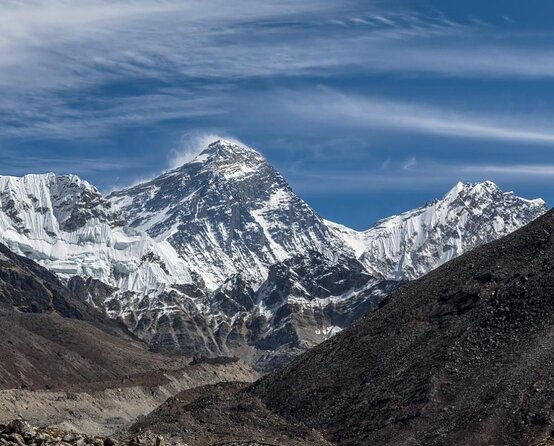
- Kala Patthar and Everest-area views of Everest, Lhotse, Nuptse, Ama Dablam, and Pumori
- Gear support like sleeping bag/liner and duffel bag can save you packing stress
A Private Everest Base Camp Trek That Feels Like a Plan, Not a Guess
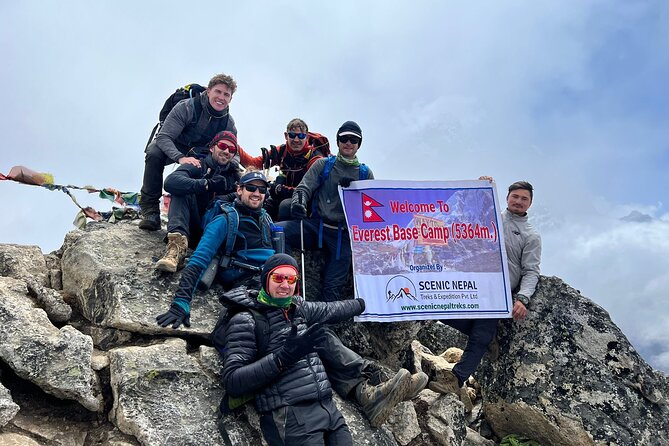
Everest Base Camp is one of those bucket-list routes where the details matter. A guided trek can be the difference between feeling in control and just hoping your legs and timing work out. Here, you’re doing a private guided trek (minimum two travelers), so your pace and needs can be managed rather than forced into some rigid group mold.
I also like that the trip leans on Sherpa experience. This isn’t just about checking boxes; it’s about safe movement at altitude, good decision-making in weather, and help with the everyday stuff—like what pace to keep, how to handle cold, and how to prepare for high-point days.
There’s also a practical vibe to how the trek is set up: domestic flights, permits, trekking accommodations, and staff support are included, so you spend more time doing the walk and less time trying to coordinate everything yourself.
You can also read our reviews of more tours and experiences in Kathmandu.
Price and Value: What $1,439 Buys You (and What It Doesn’t)
At $1,439 per person for a ~12-day private itinerary, you’re not paying for a couch tour. You’re paying for a full structure: guide support, permits, trekking stays, and the costly logistics of getting in and out by domestic flight.
Included value points that actually matter:
- Return domestic flights (the flight may depart from Ramechap Airport)
- All necessary trekking permits
- Experienced Sherpa trekking guide
- Twin sharing tea-house accommodation for 11 nights
- Porter included in the setup (not free-for-all: it’s listed as 2 hikers per 1 porter)
- Staff insurance, medication and equipment, plus a first aid kit
What you still own:
- Personal travel/t trekking insurance
- International airfare and the Nepal entry visa
- Personal expenses and meals during trek (the overview mentions meals, but the “not included” section specifically lists meals, so you should confirm exactly what’s covered for your departure)
My take: the best way to judge the price is to compare it to doing Everest Base Camp on your own. You’d still need permits, guides, lodging arrangements, flight logistics to Lukla, and safety support. This package bundles those pieces into one plan.
Kathmandu Start: Meeting Point, Pickup, and Getting Your Bearings
Your trek starts in Kathmandu with Scenic Nepal Treks & Expedition Pvt. Ltd. at Bhagwati Marg, Kathmandu. Pickup is offered, and the tour includes sightseeing excursions—useful when you’re trying to get your head around the timeline before you head to high country.
This is also where your “human logistics” get sorted. You’ll meet your guide and team, confirm what you’ll carry vs. what the porter handles, and get a realistic feel for what the trek day-to-day will ask of you. In real life, that makes altitude days much less stressful.
One small but important detail: your passport information (name, number, expiry, country) is required at booking. On a trek like this, that’s not glamorous, but it’s the kind of admin that prevents headaches later.
Lukla Flights: The Connection Day That Sets Your Mood
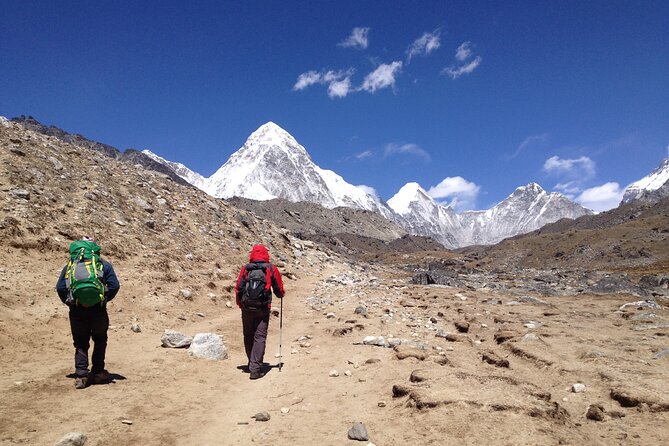
Lukla is the gateway to the Khumbu, and your trek includes return domestic flights. The departure might be from Ramechap Airport, which is common on this route, but it’s still worth noting because it can change your Kathmandu schedule.
Here’s why you should treat flight day as a big deal:
- The flight is the first real step into the Everest-area rhythm.
- It can shape how you feel the rest of the trip—energy, nerves, timing.
- You want to be mentally ready for it, not rushing around at the last minute.
If you’re the kind of traveler who likes certainty, choose a calm mindset. The trekking days later depend on how you handle that first altitude shift.
Namche Bazaar to Tengboche: Sherpa Villages, Bridges, and Big Mountain Moments
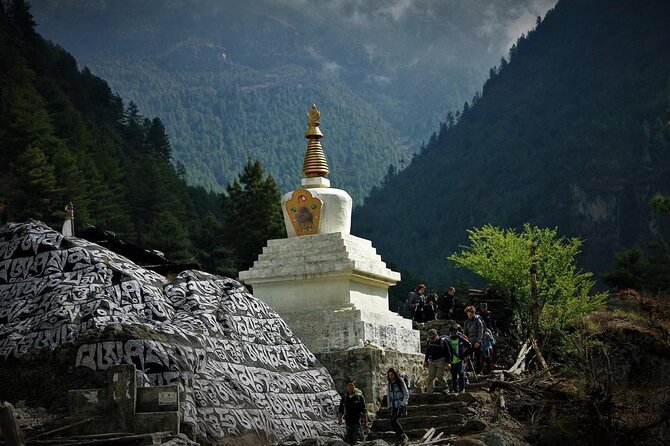
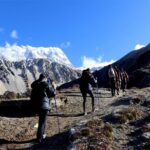
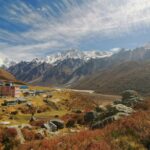
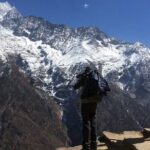
Once you’re on the trail, you’ll follow paths through Sherpa communities and mountain scenery that people dream about for years. This itinerary follows the classic Everest Base Camp route through Namche Bazaar, Tengboche, and Dingboche—the three zones that make the Khumbu feel real.
Namche Bazaar: Where altitude becomes personal
Namche is a hub town. You’ll feel the altitude here in your breathing, and you’ll also get the “life of the valley” vibe—shops, teahouses, and a sense that you’re moving through a working mountain world.
This trek is designed with acclimatization days for safety, and Namche is the kind of place where you’ll likely rest, adjust, and learn how your body responds.
Tengboche: Mountain views plus calm moments
Tengboche is known for dramatic scenery, and it’s a great place to slow down. The trail brings you through forested stretches and higher air, and Tengboche gives you that classic sense of being surrounded by giants—without needing to climb a peak.
This is also where having a strong guide matters. In bad weather, the trail can still happen, but you want the right call on pace and timing.
Dingboche: Higher, colder, and more focused
Dingboche sits higher and tends to demand more from your legs and lungs. This is where you’ll likely notice cold more sharply and where smart pacing becomes your best friend.
The big win here is that your itinerary is built around gradual progress. You’re not just going up and hoping for the best.
The High-Altitude Push: Everest Base Camp Days and Kala Patthar Views
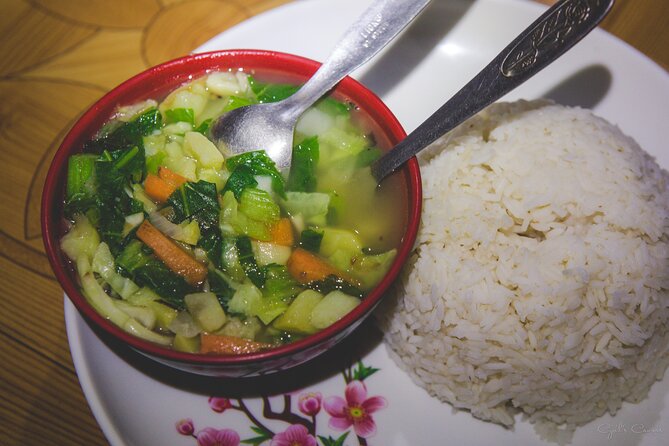
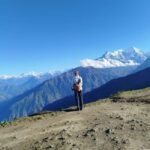
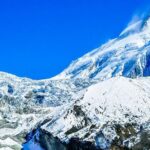
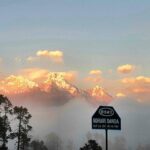
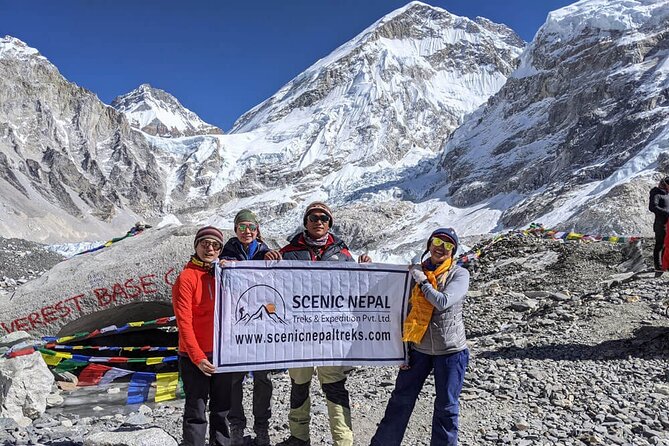
The trek’s emotional center is Everest Base Camp at 5,364m. Your itinerary includes stops for the Everest area—plus Gorak Shep—and it calls out Kala Patthar for panoramic sunrise-style views (Everest, Lhotse, Nuptse, Ama Dablam, and Pumori).
Even if you’ve seen the photos, the real shift is how the mountains look at close range:
- Shadows change fast.
- The air feels thin and crisp.
- Your brain keeps checking the height because it doesn’t feel real.
Gorak Shep: Your staging area
Gorak Shep is one of those “settle in, then go for it” bases. You’ll be high, you’ll be cold, and you’ll want your sleep and hydration to be on point. It’s not a day for heroics; it’s a day for smart movement and conservation.
Kala Patthar: The payoff viewpoint
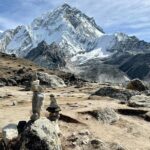
Kala Patthar is one of the best “earned” viewpoints around. When conditions are clear, you get sweeping views of Everest and the surrounding giants, and it’s often the moment that makes the whole route feel worth every hard step.
One thing I picked up from real trip experiences: weather can hit hard in this region. In at least one case, a group dealt with two days of snow storm around Lobuche and still managed to reach Everest Base Camp. That’s a reminder to stay flexible—and to trust the guide’s call when conditions shift.
Tea Houses, Meals, and the Comfort Stuff That Actually Matters
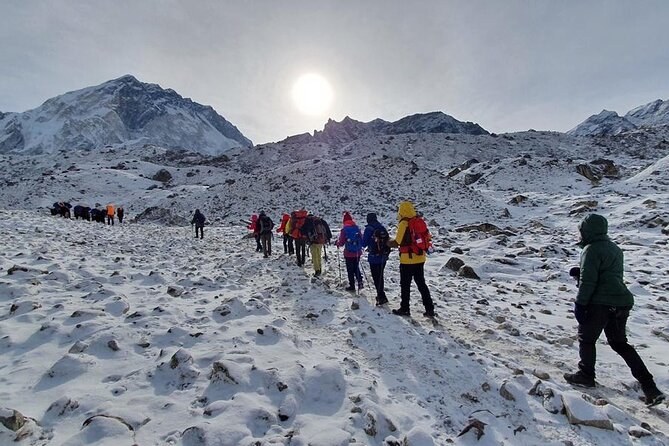
This trek uses tea-house accommodation with twin sharing for 11 nights. Tea houses are the standard way to do this route: simple rooms, basic meals available, and a warm-ish refuge when the wind gets mean.
What I like about this setup is that it keeps you moving without turning the trip into a camping logistics nightmare. You’ll still need to be comfortable with cold nights and limited creature comforts. Bring the right layers and expect the routine to be simple.
Clothing and gear: plan like it’s cold, because it is
The trek information includes a packing and gear list, and it’s pretty telling. You’ll want:
- Warm hat, scarf, gloves
- Waterproof jacket
- Down jacket (it notes minimum -10C depends where/when you trek)
- Thermal underwear
- Trekking boots and spare laces
- Water purification tablets
- Sunblock and lip warm
- Sunglasses (polarizing)
Good news: some items are supported by the operator. They provide sleeping bag and silk liner, duffel bag, plus maps, torch (flash lights), and water bottle. They also mention locks for bags and even ear plugs.
The big practical idea: don’t overpack. You’ll carry weight on your back (even if a porter carries your bags), and extra bulk becomes extra pain at altitude.
Porter Plan and Bag Management: How Not to Feel Like a Mule
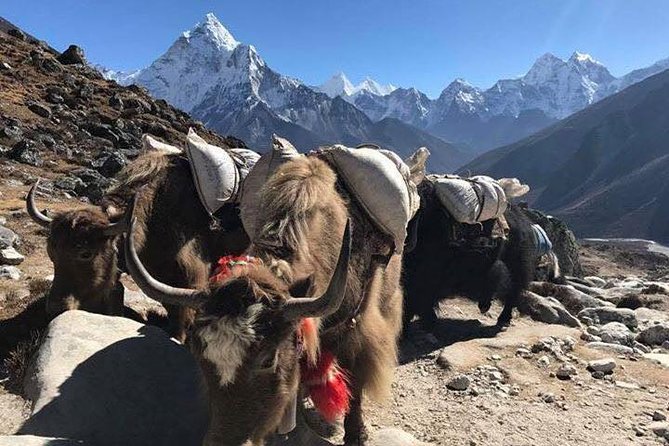
The trek includes a porter to carry your bags, described as 2 hikers get 1 porter. That matters because you can’t treat this as a free pass to bring everything you own.
Here’s how to use the porter plan well:
- Pack essentials in your day bag.
- Keep your cold-weather layers and water easy to grab.
- Use your duffel for what the porter carries.
- Bring a small system for organizing (a dry bag or simple packing cubes can help, even if not listed).
Also plan to manage your valuables. The information mentions locks for your bags, which suggests you’ll have at least some storage moments where basic security helps.
Altitude Reality Check: Who This Trek Suits Best
The trek is described as fitting fit beginners to experienced hikers, as long as you have a moderate fitness level. That makes sense on paper because the itinerary includes acclimatization days for safety.
But altitude still has rules. I’d go into it with:
- Patience for slow days.
- Willingness to stop when you need to.
- A plan for cold and low appetite (common at altitude, and not a character flaw).
If you’re a strong walker who also listens well, you’ll likely do great. If you’re the type who wants to sprint uphill, this route will not reward that.
Vegetarian Option, Group Size, and the Human Side
A vegetarian option is available if you advise at booking. If you have dietary needs beyond that, you’ll still want to confirm details with the operator before you leave.
Group size looks small, which is good news for a private trek feel. The info says a minimum of 2 people per booking and a maximum of 15 per booking, but it also states a maximum of 10 travelers for the activity. Either way, you’re not dealing with a massive crowd.
Also: service animals are allowed. If that applies to you, confirm how it fits into the tea-house routine.
Should You Book This 12-Day Everest Base Camp Trek?
If you want the classic Everest Base Camp experience with less friction, I’d say this one is worth a look. It hits the core requirements: Sherpa-guided support, domestic flight logistics, tea-house lodging, permits, and a structure with acclimatization. The guide names from past participants—like Dipendra, Shankar, Binod, Ramjee, and Santosh—show a pattern of organized, caring leadership and hands-on help.
Book it if:
- You want a private guided trek with safety-focused pacing.
- You’d rather pay for structure than build it yourself.
- You like the idea of a small team and clear support at altitude.
Skip (or ask more questions first) if:
- You’re strict about meal inclusion and need exact coverage in writing.
- You want a fully independent DIY trek with no guidance.
- You have health concerns and haven’t discussed fitness and altitude needs with your doctor.
FAQ
How long is the Everest Base Camp trek?
The trek is listed as 12 days (approx.).
Is this a private trek?
Yes. It’s described as a private guided trek, with a minimum of 2 travelers per booking.
Are domestic flights included?
Yes. The package includes return domestic flights, and it notes the flight may fly from Ramechap Airport.
What lodging is included during the trek?
You get twin sharing tea-house accommodation during the hike for 11 nights.
Is a porter included?
A porter is included, and it’s listed as 2 hikers get 1 porter. There is also an option to add a porter.
Can I request vegetarian meals?
Yes. A vegetarian option is available if you advise at the time of booking.
Where does the tour start in Kathmandu?
The start point is Scenic Nepal Treks & Expedition Pvt. Ltd., Bhagwati Marg, Kathmandu 44600, Nepal, and the activity ends back at the meeting point.