REVIEW · KATHMANDU
7 Days Langtang Valley Private Trek From Kathmandu
Book on Viator →Operated by Outdoor Himalayan Treks P Ltd. · Bookable on Viator
Langtang feels like a Himalayan shortcut with soul. This trek is built for people who want Tibetan-influenced villages and “valley of glaciers” scenery without committing to a super-long expedition.
What I like most is that it keeps logistics low-stress: a professional English-speaking guide, permits sorted (TIMS and Langtang National Park), and 3 meals a day on the trail. The main trade-off is comfort. You’ll sleep in basic tea houses on twin sharing with toilets/bathrooms outside the room—fine, but not a hotel setup.
In This Review
- Key highlights before you go
- Langtang Valley: short trek, real mountain country
- Price and logistics: what $585 buys you (and what it doesn’t)
- Getting from Kathmandu into Langtang country
- The trailhead: Syabrubesi and your first uphill day
- Lama Hotel to Langtang Village: where the valley starts feeling enclosed
- Langtang Village to Kyanjin Gompa: a shorter day with bigger payoff
- Kyanjin Gompa life: tea houses, rest, and acclimatization reality
- The return to Lama Hotel: don’t rush the descent
- Lama Hotel back to Syabrubesi: finishing strong
- Tea houses and meals: included food, basic rooms, real trade-offs
- Wildlife, forests, and what your body experiences on the way up
- Guides, permits, and the “small stuff” that affects your big day
- Packing for Langtang: gear you’ll actually use
- Who should choose this Langtang Valley private trek
- Should you book this Langtang Valley Private Trek?
- FAQ
- How long is the trek in total?
- What is the altitude like?
- What kind of accommodation do I get on the trek?
- Are meals included?
- Is a porter included?
- What permits and cards are included?
- What should I check for emergencies?
- Can I cancel for a full refund?
Key highlights before you go
- Glacier-valley hiking at a manageable altitude for a close-to-Kathmandu Himalayan taste
- Tea house trekking with included meals, so you can focus on the walk instead of planning food
- Permits handled in advance (Langtang National Park permit and TIMS card)
- Guides with real local skill, including names like Rupak, Prakash, and Badri showing up as favorites in past groups
- Wildlife and forests you actually pass through, from rhododendron and bamboo to pine stands and mountain streams
- Private group feel, since only your group participates
Langtang Valley: short trek, real mountain country
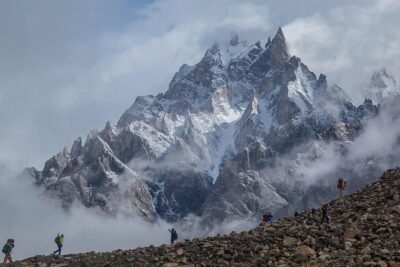
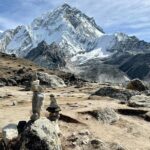
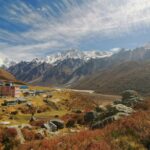
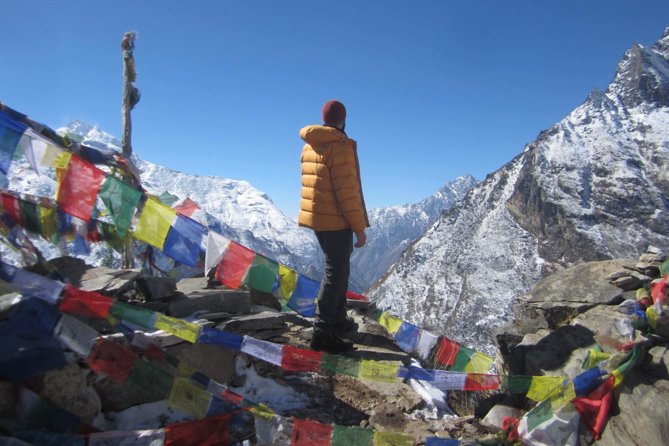
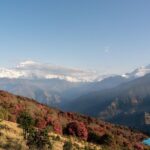
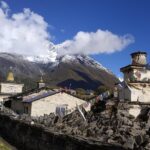
Langtang is often called the valley of glaciers, and the name fits. The region sits between the main Himalayan range to the north and lower snowy peaks to the south, so you get that tight “mountains all around” feeling without needing weeks of travel.
You’re also in a zone where Tibetan lifestyle shows up in daily life. Expect prayer-flavored culture as you move through villages and tea-house towns, plus scenery that shifts from forest to open valley to snow-fed views.
You can also read our reviews of more tours and experiences in Kathmandu.
Price and logistics: what $585 buys you (and what it doesn’t)
At $585 per person, this trek is priced like a serious guided experience, not a DIY gamble. What you get is the big stuff: 2 nights in Kathmandu deluxe hotel with breakfast, 6 nights of basic tea house accommodation during the trek, and a guide whose costs are handled (food, salary, accommodation, travel expenses, insurance).
You also get the “paperwork that can slow you down” included: Langtang National Park permit and TIMS card. Add in airport–hotel transfers and emergency evacuation/medication service wording, and the value becomes clearer—especially if you’re trekking for the first time or you’d rather not chase documents after you land.
What you should budget separately is also spelled out. Beverages (tea/coffee, mineral water, hot water, cold or alcoholic drinks), porter (optional), and personal expenses are not included. You’ll also need your own travel insurance and to sort Nepal visa and international flights.
Getting from Kathmandu into Langtang country
Your trip starts in Kathmandu with airport greetings and private transfer to a hotel. Then you’ll get a longer travel day heading toward the trailhead area—a Kathmandu to Syabrubesi public bus connection is included.
This matters more than it sounds. The first “walk” in the Himalayas is often mental: you’re trading city routine for altitude pacing, and a real start-day helps you arrive calmer. The program also promises pick-up and drop-off aligned with your flight schedule.
You’ll spend two nights in Kathmandu before the trek starts, which is a nice buffer. In practical terms, it gives you time to prep gear, ask questions, and handle the small problems that pop up in real life—SIM cards, chargers, or making sure your passport docs are ready.
The trailhead: Syabrubesi and your first uphill day
Syabrubesi sits at about 1,550m, and the first major walking day takes you up to Lama Hotel at around 2,450m. Expect a full workday walk—about 6–7 hours, with roughly 1,070m of ascent over about 10.9 km.
This first day is your “set the rhythm” moment. Tea-house treks don’t feel like a gym, and that’s the point—slow uphill, lots of short breaks, and letting your body adapt. If you try to force speed, you’ll feel it here first.
The big win: you’re hiking into a valley shaped by glaciers and torrents, not into a paved tourist corridor. You’re already in forested terrain and building altitude the way locals do it: step by step.
Lama Hotel to Langtang Village: where the valley starts feeling enclosed
From Lama Hotel (2,450m) you’ll climb to Langtang Village (about 3,430m). This is another long day—7–8 hours—with about 980m ascent over roughly 14.8 km.
What makes this stretch special is how quickly the trek changes textures. The Langtang region is described as diverse: rhododendron, bamboo forests, pine stands, waterfalls, swift mountain streams, and mixed grassy areas later on. That variety keeps the day interesting even when the uphill grind gets real.
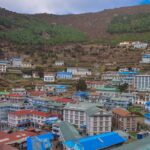
It’s also a Tibetan-influenced zone, and the villages you pass through aren’t just photo stops. They’re places where you’ll see daily life linked to the seasons—exactly the kind of “why this place exists” experience people come to Nepal for.
Langtang Village to Kyanjin Gompa: a shorter day with bigger payoff
Then the program shifts gears. The walk from Langtang Village (3,430m) to Kyanjin Gompa (about 3,870m) is listed at only 2–3 hours and around 460m ascent (about 6.8 km).
That shorter push is smart. At this altitude, your body appreciates fewer hours on the trail, and you’ll arrive with more energy for rest and views. If time allows, you may also visit Kyanjing Ri in the afternoon—so there’s room to add a summit-ish moment without turning the day into a marathon.
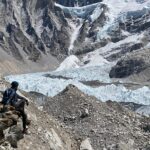
Kyanjin Gompa is where the valley’s glacier identity starts feeling close. You’re still not doing an extreme technical climb, but you’re getting high enough that snow-fed scenery stops being “background” and becomes the main event.
Kyanjin Gompa life: tea houses, rest, and acclimatization reality
Your stay here is in basic tea houses, again twin sharing with toilets/bathrooms outside the room. On this kind of trek, comfort is about managing expectations. You’ll get warmer layers on, hydrate carefully, and use rest time to keep altitude stress low.
Also, you’ll likely notice how daily movement changes. Even without huge ascents every day, the air gets thinner and your body makes you slow down. That’s normal.
This is also where your guide’s pacing advice really matters. Guides like Rupak and Prakash have been specifically praised in past groups for keeping hikes organized and steady, which is exactly what you want when weather can shift and your energy varies.
The return to Lama Hotel: don’t rush the descent
After Kyanjin Gompa, you’ll hike back down to Lama Hotel (2,450m). The program lists 7–8 hours and about 1,430m descent over 21.6 km.
Going down can feel easier than going up, but it can be harder on your legs. If you take long strides, your knees will remind you. Shorten your steps, use trekking poles, and keep your weight stable—your future self will thank you.
This day often becomes your “slow travel” moment because you’re moving long hours in a familiar valley. The scenery may not be brand new, but your understanding of it deepens on the way back.
Lama Hotel back to Syabrubesi: finishing strong
The final hike from Lama Hotel (2,450m) to Syabrubesi (1,550m) is listed at about 5–6 hours, with roughly 1,070m descent over 10.9 km.
This is where good pacing pays off. You’re lower, your lungs feel better, and it’s easier to walk for longer with less fatigue. It’s also a nice chance to notice details you may have missed on the way up—streams, forest edges, and small village rhythms.
Then you return to Kathmandu by drive/bus for the full travel day listed at about 7–8 hours.
Tea houses and meals: included food, basic rooms, real trade-offs
Meals during the trek are included: breakfast, lunch, and dinner each day. In practice, this is a big value point because trekking food adds up fast when you’re buying every meal outside.
Your lodging is basic tea house accommodation for 6 nights on twin sharing. Bathrooms are outside the room, and that’s the clearest comfort downgrade in the whole plan.
My practical advice: plan your routine around this. Bring a headlight, keep a small first-aid kit accessible, and treat hot showers as a bonus instead of a guarantee. Battery charging and hot-water access can become a “maybe,” so plan charging and water use early in each day.
Wildlife, forests, and what your body experiences on the way up
Langtang is described as diverse in plant life and wildlife. You might pass rhododendron, bamboo forests, pine forests, and see mountain streams and rugged rock sections as the trail climbs and changes.
Wildlife in the region is also mentioned: red pandas, Himalayan black bears, and wild boar are possible. You also may spot rare orchids and colored rhododendrons depending on season.
Will you see animals? I can’t promise that. But this trek’s structure puts you in the right places long enough that the chance is real—especially if you walk quietly and keep an eye on the edges of the trail.
Guides, permits, and the “small stuff” that affects your big day
This trek is private in the sense that only your group will participate. Even though it’s a trek with shared infrastructure (tea houses, trail), the experience is organized around your group rather than mixing you into random groups.
Your guide is professional and English-speaking, and their role includes food, salary, accommodation, travel expenses, and insurance. In past groups, the names Rupak, Prakash, Dilli, and Badri have come up in a positive way, often tied to professionalism and keeping things smooth.
Permits are also handled: Langtang National Park permit and TIMS card are included. That’s not glamorous, but it prevents the kind of last-minute scramble that ruins a trekking mood.
Finally, there’s an emergency angle built in: the plan includes emergency evacuation and medication service language. It still stresses that you should confirm your travel insurance covers helicopter evacuation and medication. For Nepal trekking, this one check is worth doing early.
Packing for Langtang: gear you’ll actually use
The program lists required equipment, and for once the list is practical. Bring:
- Sleeping bag
- Down jacket
- LED headlight
- Water bottle
- First-aid kit
- Water purification solution
- Trekking poles
- Raincoat
- Sunglasses
- Full fingers gloves
- Socks
- Thermal cap
- Fleece
- Sunscreen
You’ll also want to think in layers because weather can change. The trek is described as operating in all weather conditions, with the reminder to dress appropriately.
If you travel light, there’s help available: the operator says it can help you get needed gear after you arrive. That can save time, but still aim to carry the basics yourself if you can. Less hassle, more control.
Who should choose this Langtang Valley private trek
This trek is best for people with moderate physical fitness who want a Himalayan experience that’s close to Kathmandu. It’s also a good fit if you want a route that mixes villages, forest walking, and glacier-area scenery without turning into a technical climbing program.
Because the accommodation is basic, you’ll enjoy it more if you can handle simple rooms and outside toilets without making it your main issue. If you’re the type who needs full hotel comforts, this may feel like punishment.
It’s also designed for family setups in the sense that children must be accompanied by an adult. If you’re traveling with teens, discuss fitness expectations first.
Should you book this Langtang Valley Private Trek?
I’d book this if you want a guided trek that prioritizes smooth logistics, included meals, and a route that delivers the Langtang glacier valley feeling in about a week. At $585, you’re paying for organization, permits, and a guide—not just walking.
I’d think twice if you’re sensitive to basic lodging. Tea houses with outside bathrooms are a real part of the deal, and you should treat them like that from day one.
If you’re ready for steady walking, enjoy mountain forests, and want a Tibetan-influenced trekking region without a huge commitment, this one is a strong match.
FAQ
How long is the trek in total?
The trek is described as approximately 7 days, with additional travel time that brings the full schedule to about 8 calendar days including the drive back to Kathmandu.
What is the altitude like?
The trek starts from around 1,550m at Syabrubesi and goes up to about 3,870m at Kyanjin Gompa, with daily ascents and descents along the way.
What kind of accommodation do I get on the trek?
You’ll use basic tea house accommodation for 6 nights on a twin sharing basis. Toilet and bathroom facilities are outside the room.
Are meals included?
Yes. During the trek you get 3 meals per day (breakfast, lunch, dinner).
Is a porter included?
A porter is not included in the package. If needed, it can be arranged for an additional cost.
What permits and cards are included?
The package includes the Langtang National Park permit and the TIMS card.
What should I check for emergencies?
The trip includes emergency evacuation and medication service, but you’re asked to ensure your travel insurance covers helicopter evacuation and medication.
Can I cancel for a full refund?
Yes. You can cancel up to 24 hours in advance for a full refund. If it’s canceled due to poor weather, you’ll be offered a different date or a full refund.