REVIEW · HANOI
3-Night Sapa Trekking Tour from Hanoi
Book on Viator →Operated by Bravo Indochina Tours · Bookable on Viator
Sapa feels close when you sleep on track. This tour strings together an overnight train and a private trek through Red Dao and Hmong-area villages, with rice fields doing the background work. The best part is how the days are paced: you hike twice, visit villages in between, and you still get clean, comfortable stops along the way. One thing to consider: the walking is moderate, and weather (especially in winter) can make it feel harder.
I really like the mix of culture and scenery. You get village time at places like Ta Phin and Ta Van, plus the chance to see how locals dress and live as part of Sapa’s ethnic-minority communities. From what I’ve seen described by guide-focused feedback, the trekking guidance matters a lot, and this tour leans on that—one guide named Thinh/Thanh gets specific praise. The tradeoff is that dinner can feel repetitive and simple on both nights for some people.
At $244.11 per person, the value comes from what’s wrapped in: round-trip sleeper-train transport, a 4-star stay in Sapa, and multiple meals with a couple of days of guided hiking. The one practical snag is that Hanoi hotel drop-off isn’t included, so you’ll want to be ready for the pickup timing and location in the Old Quarter.
In This Review
- Key takeaways before you go
- The overnight train is the real shortcut from Hanoi
- One logistics note worth taking seriously
- Day 2: Ta Phin village and Ham Rong Mountain in a single morning
- Ta Phin Village: Red Dao culture without rushing
- Ham Rong Mountain: a quick viewpoint near town
- Day 3: Golden Stream valley hike plus Ta Van village
- Golden Stream valley: rice terraces and valley views
- Ta Van village: Lao Cai valley life
- Part of the route includes Ma Tra and Lao Chai
- Day 1 and Day 4: what you trade, what you gain
- Day 1 evening: the long handoff
- Day 4: the return to Hanoi
- Meals and accommodation: where the tour feels comfortable
- Price and value: why $244.11 can make sense (and when it won’t)
- Who this Sapa trek fits best
- Tips to get the most from your trek
- Should you book this 3-night Sapa trekking tour from Hanoi?
- FAQ
- How long is the tour?
- What’s included in the price?
- Do I need to book a hotel in Sapa?
- Is the hiking difficult?
- Which villages will you visit?
- When do you get picked up in Hanoi?
- Can I cancel for a full refund?
Key takeaways before you go

- Overnight sleeper-train routing: fewer daytime travel hours and an early start the next morning in Sapa
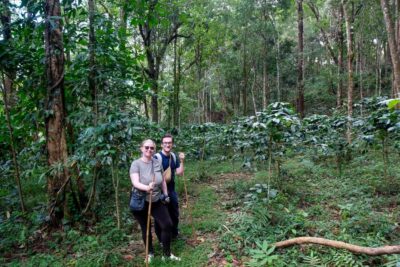
- Two main trekking days: moderate hiking through rice terraces and valley views
- Village visits built around ethnic communities: Ta Phin, Lao Chai, Ma Tra, and Ta Van are part of the route
- Private guiding for your group: better pacing and more time for questions
- 4-star hotel + train cabin comfort: not roughing it, even with the trekking
- Food is included, but dinner may disappoint: breakfasts/lunches get better vibes than evening meals
The overnight train is the real shortcut from Hanoi
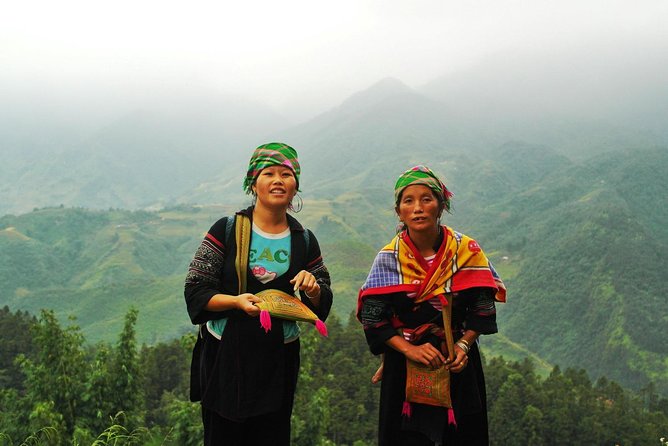
This tour’s biggest practical win is the way it handles distance. You leave Hanoi by overnight sleeper train, then arrive at Lao Cai around dawn. That matters because Sapa daylight time is limited, and you want to use it for the views and village wandering—not for sitting on buses all day.
On the first evening, you’ll be picked up from your Hanoi Old Quarter hotel area (between 7:00pm and 7:30pm) and taken to Hanoi Railway Station. After a farewell with your local guide, you board the train. Expect a long evening that’s more “travel logistics” than “fun time,” but it saves you from losing a whole day later.
When the train lands, you’re transferred to Sapa and treated to a proper morning reset: you can leave luggage at the tour office, take a shower, and enjoy a full buffet breakfast at the hotel. That’s a small thing that pays off big. Instead of arriving exhausted and hungry, you’re ready to walk, look around, and actually enjoy that first chunk of Sapa.
You can also read our reviews of more tours and experiences in Hanoi.


One logistics note worth taking seriously
A smooth station pickup depends on clear handoffs. One person’s experience described a driver who didn’t speak much English and didn’t understand how tickets worked at the station—help came later from someone in the office who was able to assist (Tony is named). If you’re the kind of traveler who hates uncertainty, make sure you have the operator contact details saved on your phone before departure, and confirm exactly who will meet you and where.
Day 2: Ta Phin village and Ham Rong Mountain in a single morning
After breakfast in Sapa, your day starts with a village visit that’s close enough to make your legs happy, but still far enough to feel like you’re leaving town behind.
Ta Phin Village: Red Dao culture without rushing
Ta Phin is the nearest Red Dao village in the Sapa district area. The drive from Sapa takes about 30 minutes by motorbike, and the mountainous roads can be tough for cars. That’s not just trivia. It can be bumpy, and it’s a reminder that you’re traveling through real terrain, not a neat tourist corridor.
In Ta Phin, the value is human-scale: you get time with villagers who represent Vietnam’s ethnic minority traditions, and you learn about clothing and customs. This is where the tour’s “cultural insight” becomes more than a photo stop. If you like asking thoughtful questions (and you’re polite about boundaries), this is one of the best windows for real interaction.
Ham Rong Mountain: a quick viewpoint near town
Next comes Ham Rong Mountain, known as a dragon-shaped mountain next to Sapa town center. It’s also a famous eco-tourist site, so you can expect it to be more “Sapa sights” than “deep village life.”
The upside is convenience. You’re not spending hours traveling to a view—you’re getting it as part of the morning flow. The potential downside is that it’s closer to the tourist core, so if you’re chasing silence and solitude, this part may feel more standard.



Day 3: Golden Stream valley hike plus Ta Van village
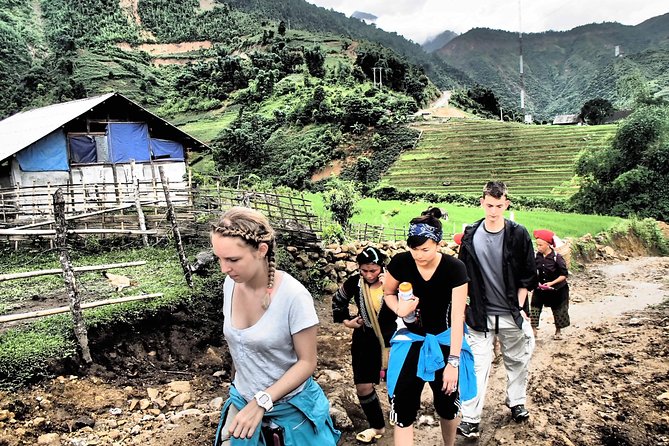
This is your main day of hiking, and the rhythm is classic Sapa: start early-ish, walk through terraces and gardens, stop for views, then finish with a village visit where daily life is the main attraction.
Golden Stream valley: rice terraces and valley views
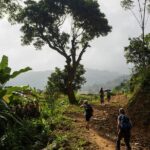
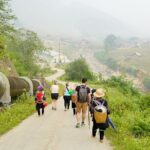
After hotel breakfast, you meet your guide and head out for a trek that follows the Golden Stream valley route. The hike time is listed at about 4 hours, and the terrain is described as moderate, which usually means you’ll be walking enough to feel it tomorrow, but not scrambling or doing anything extreme.
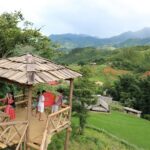
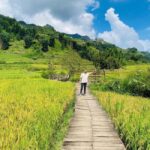
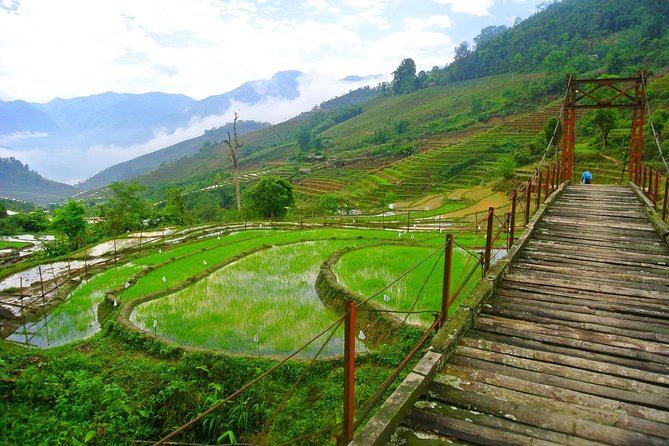
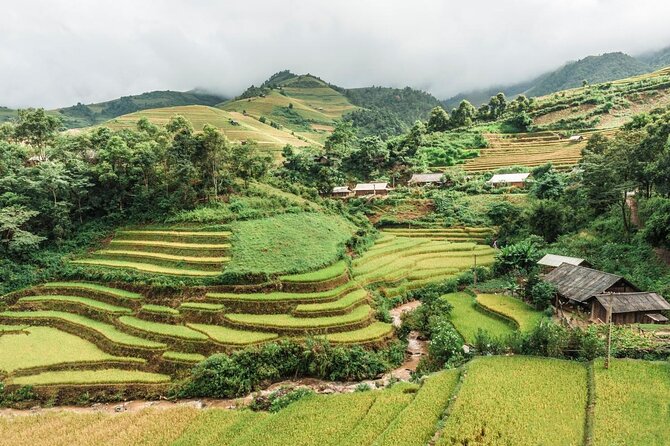
What makes this stretch worth your time is the way the landscape is framed: rice terraces, valley viewpoints, and the “moving scenery” feeling you get when you walk from one perspective to the next. The tour also references Mt Fansipan views. If the weather cooperates, it’s one of those moments where Sapa suddenly feels bigger than the town you started in.
Ta Van village: Lao Cai valley life
After the hike, you head to Ta Van. Ta Van is located in the Muong Hoa valley, less than 10 km from Sapa. Residents are mainly H’Mong, Giay, and Red Dao communities, and the tour focuses on interaction and learning about customs.
This stop is a good contrast to Ta Phin. Ta Phin is Red Dao-focused, and Ta Van brings together multiple ethnic groups. Together, they help you see that Sapa’s identity isn’t one single “look.” If you’re paying attention, you’ll notice differences in dress styles and daily routines.
Part of the route includes Ma Tra and Lao Chai
The tour summary also says you’ll visit Ma Tra and Lao Chai as part of the multi-day trek route between the rice fields and hill-tribe villages. Even if the most detailed day-by-day outline you see highlights Ta Phin and Ta Van, the intent is consistent: you’re not just doing one village; you’re getting a network of small communities on both trekking days.
Day 1 and Day 4: what you trade, what you gain

Day 1 evening: the long handoff
Day 1 is mostly transfer time. Your pickup is in the Old Quarter, and your evening ends with a sleeper train departure. If you prefer to fill evenings with food and strolling, this day may feel constrained. But if you like traveling efficiently, it’s also a smart way to preserve daytime energy.
Day 4: the return to Hanoi
On the final day, the train comes back to Hanoi Railway Station and the tour finishes. You’ll likely feel tired but satisfied: you’ve done the hiking, you’ve had village time, and you’ve avoided losing full days to getting there and back.
Meals and accommodation: where the tour feels comfortable
This tour doesn’t pretend trekking is a food fantasy, but it does provide structure. You’re set up with five provided meals, including:
- a buffet breakfast on arrival in Sapa
- two lunch meals during the days on land
- one dinner (included)
- another breakfast (included)
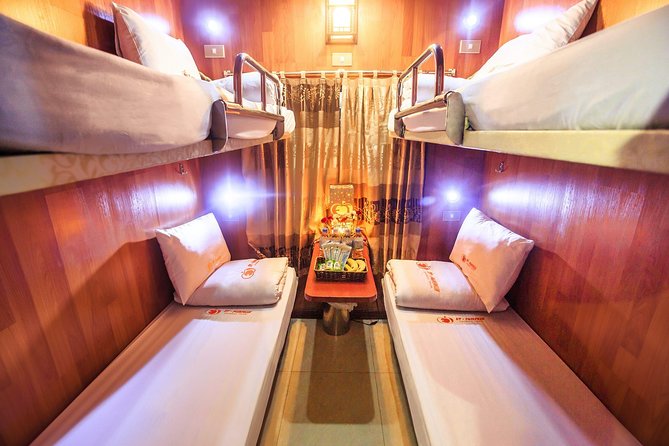
In practice, the “comfort factor” is strong because you’re not sleeping on the floor or switching hotels constantly. You get 4-star accommodation in Sapa and an air-conditioned train cabin on the sleeper.
One detail to keep your expectations realistic: one experience noted the dinners felt similar on both nights and were fairly simple, with a wish for more variety. So if you care a lot about evening meals, you might plan for that mentally and treat dinner as part of the trekking logistics rather than the highlight.
Price and value: why $244.11 can make sense (and when it won’t)
$244.11 per person is not cheap for Vietnam—but it’s also not just a “walk in the hills” deal. You’re paying for:
- round-trip sleeper train fare (including 2 nights’ sleeper-car accommodation)
- air-conditioned transfers
- a private guide
- a 4-star hotel stay in Sapa
- multiple meals
That bundle is what makes the price feel fair. The sleeper train + transfers alone often cost time and stress; here, the tour handles the coordination. The private guiding matters too: with a moderate trek and several village stops (Ma Tra, Ta Phin, Lao Chai, Ta Van plus viewpoints like Ham Rong), you benefit from someone who can pace the day and explain what you’re seeing.
When might it feel less worth it? If you’re traveling solo in a situation where the minimum group size matters (this tour requires at least 2 people per booking), or if your priorities are mostly nightlife or heavy restaurant hopping in Sapa, the hiking/cultural focus may not fit your idea of a vacation.
Who this Sapa trek fits best
This tour is a strong match if you want:
- a structured, guided way to reach Sapa without planning transport from scratch
- moderate hiking with enough time to talk with locals
- an organized balance of scenery + village interaction
- private pacing for a group of your size
It’s probably less ideal if:
- you dislike cold weather and aren’t willing to pack layers (one experience specifically warned against doing Sapa in winter)
- you want flexible, restaurant-choice dinners every night
- you expect perfectly smooth English-speaking support at every handoff point (coordination can vary)
Tips to get the most from your trek
These matter because the tour itself suggests them, and Sapa can punish sloppy prep:
- Bring comfortable shoes suited to walking on uneven paths
- Pack sunscreen and a hat (high-elevation sun is real)
- Use insect repellent
- Add warm layers if you’re traveling in colder months, especially mornings and evenings
Also, if you’re the type who likes clean photos, remember that morning haze can change quickly. A day that starts bright can turn misty, and vice versa. Stay flexible—your guide will know when a view is likely to show up.
Should you book this 3-night Sapa trekking tour from Hanoi?
I’d book it if you want a practical, value-packed Sapa experience: overnight train convenience, private guiding, real village visits, and 4-star comfort in Sapa while still getting two main walking days.
I wouldn’t book it if winter timing is already set and you hate cold, or if you’re expecting gourmet dinners and zero logistics friction. This tour is built around trekking and village culture, not culinary variety or effortless town lounging.
If you do book, do one simple thing before you go: confirm your pickup and transfer contact details for the Hanoi station day and have them accessible on your phone. It’s a small step that protects a smooth start.
FAQ
How long is the tour?
The tour runs about 4 days, including overnight travel by sleeper train and two days of hiking in the Sapa area.
What’s included in the price?
The price includes round-trip sleeper train fare from Hanoi (with 2 nights’ sleeper car accommodation), air-conditioned transport, a professional guide, 4-star accommodation in Sapa, and 5 provided meals (including 2 breakfasts and 2 lunches, plus dinner).
Do I need to book a hotel in Sapa?
No. Overnight accommodation in Sapa is included as part of the tour, along with hotel transfers.
Is the hiking difficult?
The tour involves moderate hiking, and it’s recommended you have a moderate physical fitness level. Comfortable shoes are important.
Which villages will you visit?
You’ll visit Ma Tra, Ta Phin, Lao Chai, and Ta Van, with village stops also tied into the two days of trekking.
When do you get picked up in Hanoi?
You’ll be picked up from your Hanoi Old Quarter hotel area in the evening, around 7:00pm to 7:30pm.
Can I cancel for a full refund?
Yes. You can cancel up to 24 hours in advance for a full refund, and changes within 24 hours are not accepted.